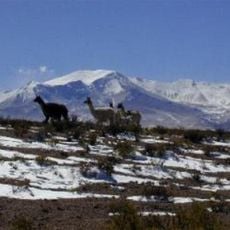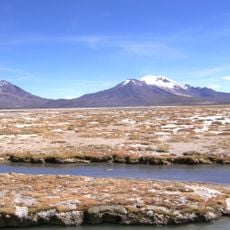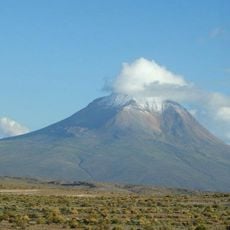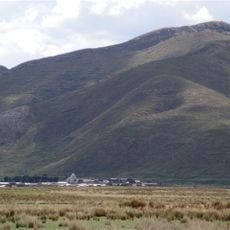
Tata Sabaya, Stratovolcano summit in Western Cordillera, Bolivia
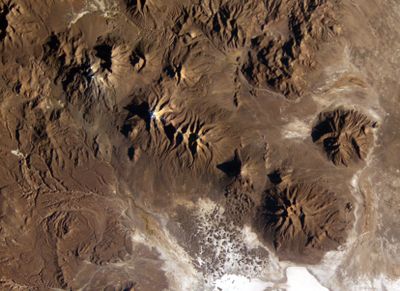
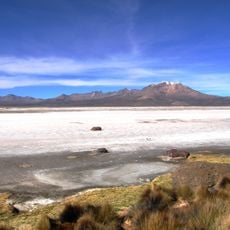
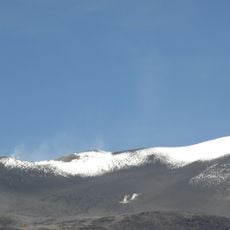
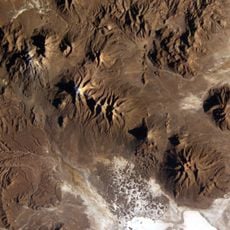
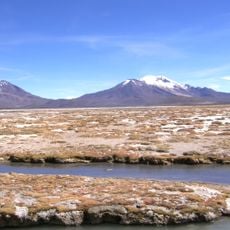
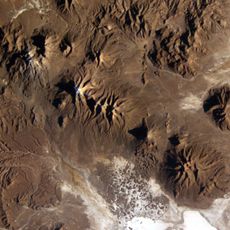
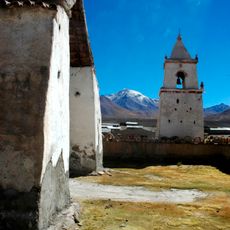
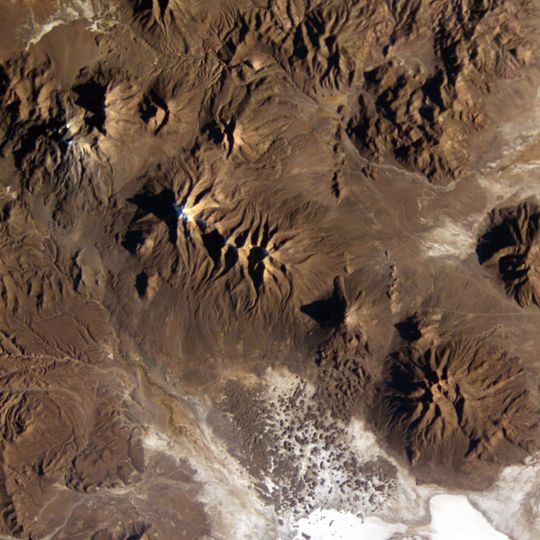
Tata Sabaya is a stratovolcano in the Western Cordillera that rises 5,430 meters above sea level. Its slopes show five distinct lava flows extending up to 2 kilometers from the summit.
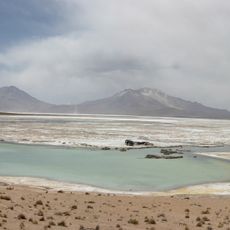
The volcano experienced a major collapse of its southern flank around 12,000 years ago. This event deposited 6 cubic kilometers of material into what was then Lake Coipasa.
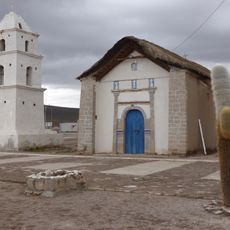
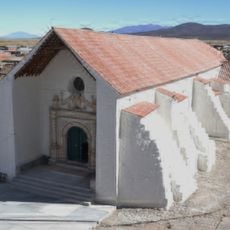
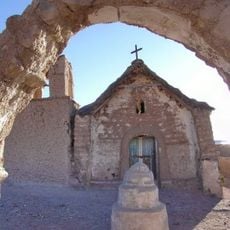
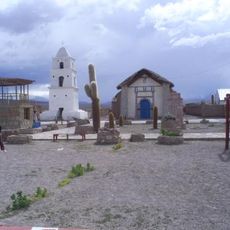
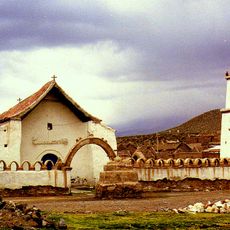
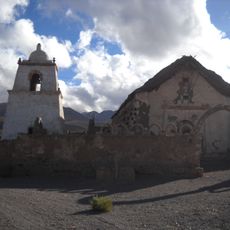
Local communities call the mountain 'Father Sabaya' and include it in traditional ceremonies and regional mountain rituals. This reverence shapes how people in the area relate to their landscape.
Climbing this mountain requires good preparation and experience, with access available through nearby towns. The best time to visit is between May and September when weather conditions are most favorable.
The slopes are home to Polylepis tarapacana trees that form the highest elevation woodlands on Earth. These rare trees thrive in extreme conditions and display remarkable adaptation to their environment.
The community of curious travelers
AroundUs brings together thousands of curated places, local tips, and hidden gems, enriched daily by 91,016 contributors worldwide.