Wila Pukarani, mountain
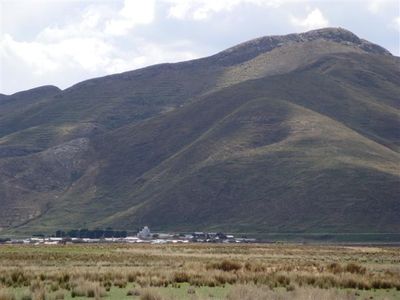
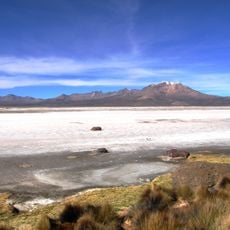
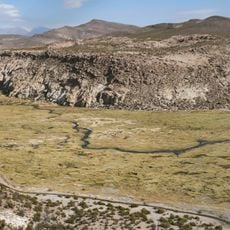
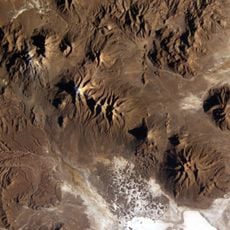
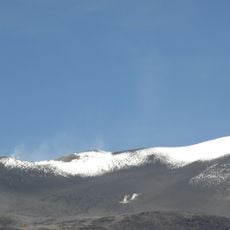
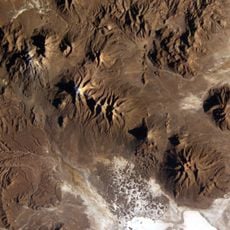
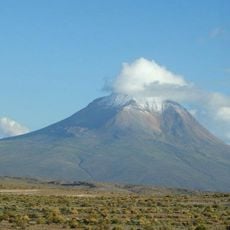
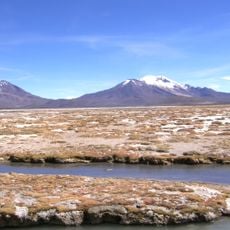
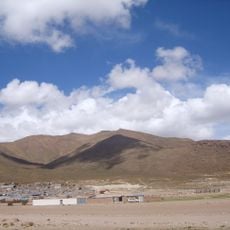
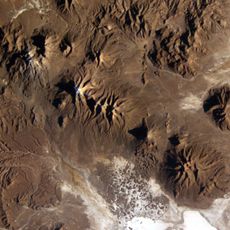
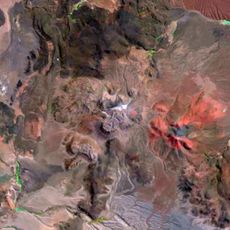
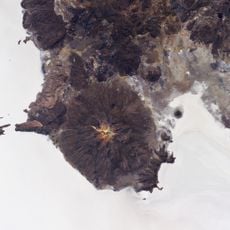
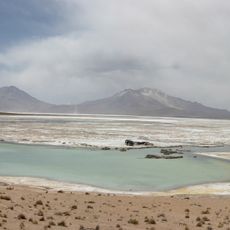
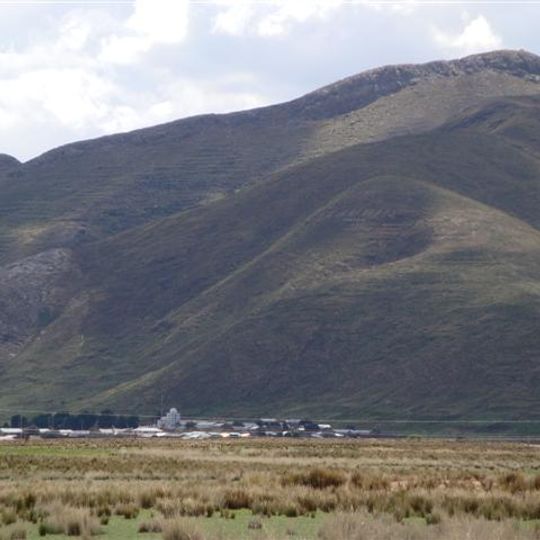
Wila Pukarani is a volcano on Bolivia's high plains with a cone-shaped form that rises above the surrounding terrain with gently sloping sides. The area around it is dry, with salt flats that give the landscape a flat and open appearance, while the slopes are composed of gravel, rocky outcrops, and salt-covered ground.
The volcano formed approximately 3.7 million years ago and represents a record of Bolivia's volcanic past written in stone. Over millions of years, wind and water have reshaped its surface, while traces of glaciers from the last ice age remain visible on its slopes.
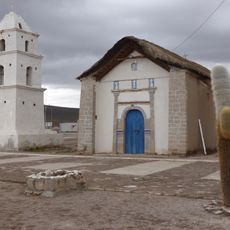
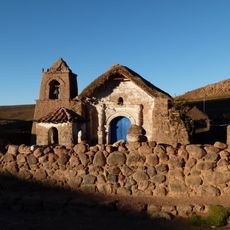
Wila Pukarani takes its name from the Aymara language, with 'Wila' meaning red and 'Pukara' referring to a fortress or protective place. For local communities, the volcano holds cultural meaning as a sacred site where traditional ceremonies take place and offerings are made to honor the mountain. This connection reflects how deeply the peak is woven into local beliefs and traditions.
The volcano is located in a remote area, so visitors should bring plenty of water, sun protection, and warm clothing. The best time to visit is during the dry season when skies are clear, and since the air at high altitude is thin, visitors should take their time and stay hydrated.
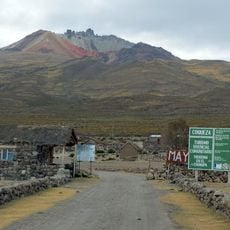
The volcano gets its name from its distinctive reddish hue, which is visible from afar and made it a natural landmark for travelers crossing the region. This coloring sets it apart from other volcanoes in the area and makes it stand out against the otherwise monotonous salt flats.
The community of curious travelers
AroundUs brings together thousands of curated places, local tips, and hidden gems, enriched daily by 91,070 contributors worldwide.