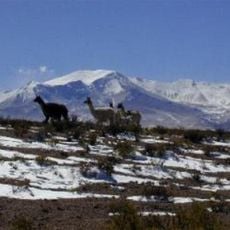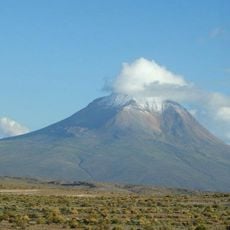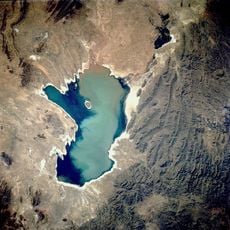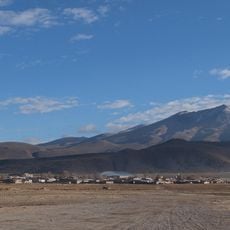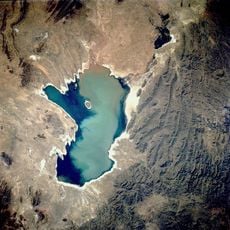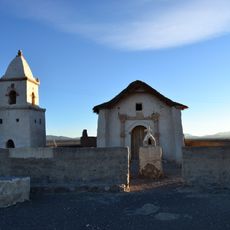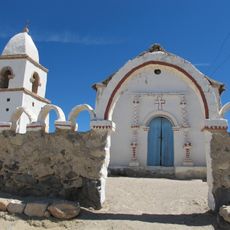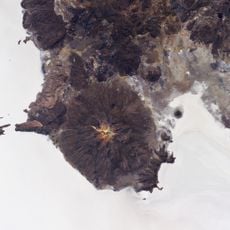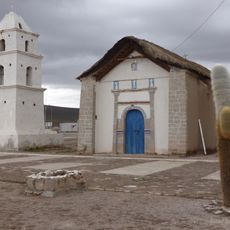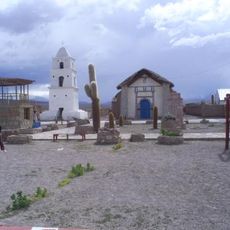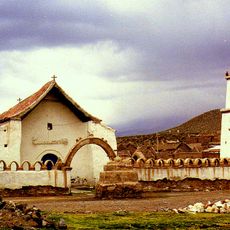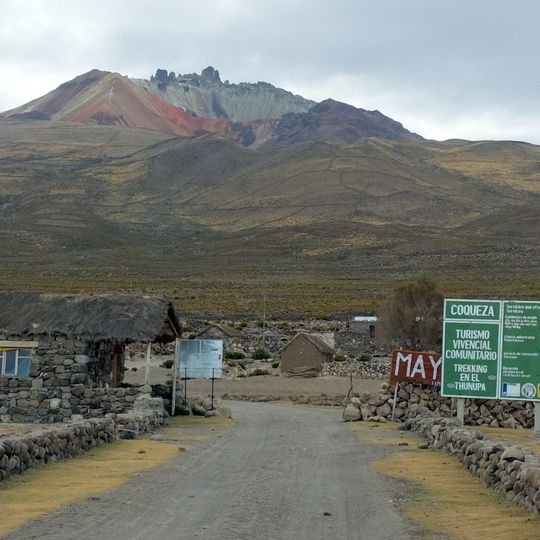
Tunupa volcano, Dormant volcano in Potosí Department, Bolivia.
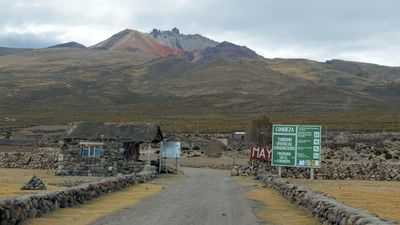
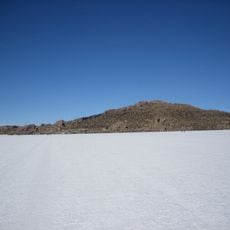
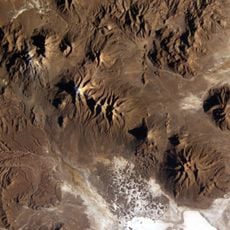
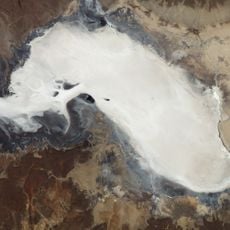
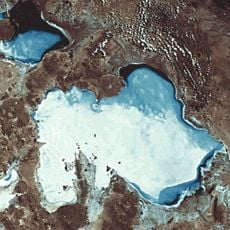
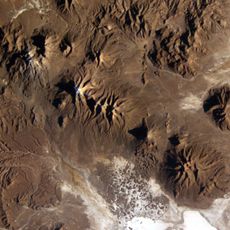
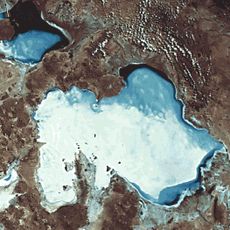
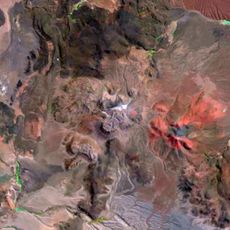
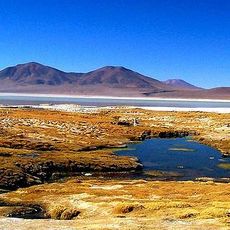
Tunupa is a dormant stratovolcano in southwestern Bolivia, rising between the Uyuni and Coipasa salt flats on a peninsula-like landform that juts into the white expanse. The cone reaches about 17,457 feet (5,321 meters) and its slopes show layers of hardened lava and ash that give the mountain a stepped, uneven profile.
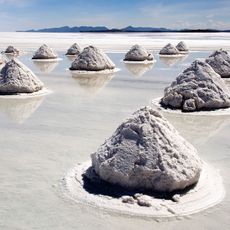
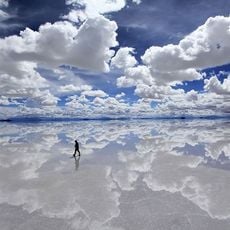
Tunupa last erupted roughly 1.4 million years ago, and the lava flows from that period helped shape the land that later became the salt flats. Over time, the high-altitude basin filled with water and eventually dried out, leaving behind the thick salt crust visible today.
In Aymara tradition, Tunupa is the name of a goddess whose tears and milk are said to have formed the salt flats below. People from nearby villages still regard the mountain as a sacred place, and some make offerings at its base during local celebrations.
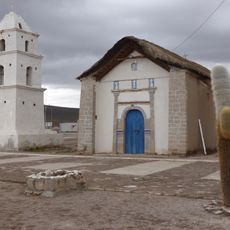
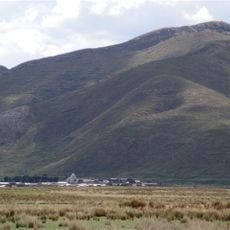
The volcano is usually reached from small villages on its southern slopes, where dirt tracks end and the terrain gets steeper. The high altitude means that even fit visitors can feel the effects quickly, so extra layers and time to acclimatize are worth planning for.
The summit area of Tunupa shows signs of ongoing hydrothermal activity, with mineral deposits in unusual colors coating the rock surfaces. This means that despite not erupting for over a million years, the mountain's interior still holds enough heat to drive chemical reactions near the top.
The community of curious travelers
AroundUs brings together thousands of curated places, local tips, and hidden gems, enriched daily by 91,280 contributors worldwide.