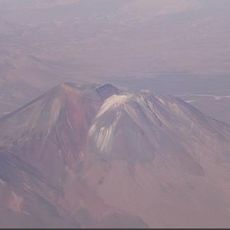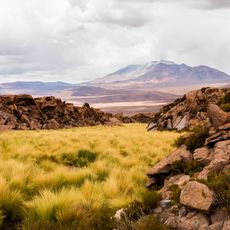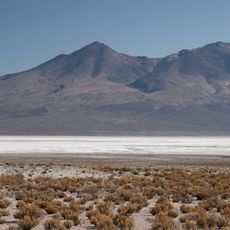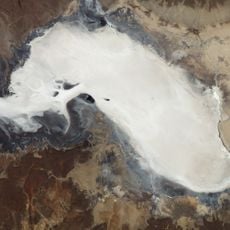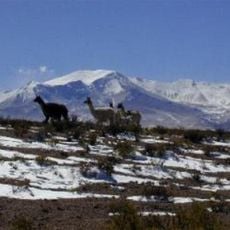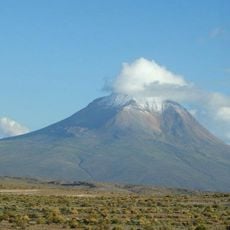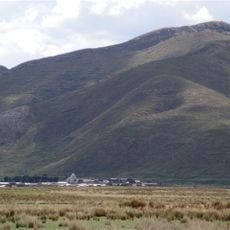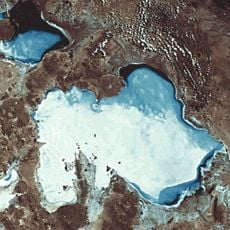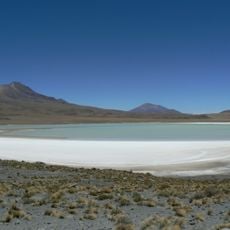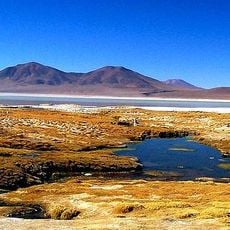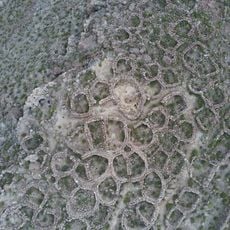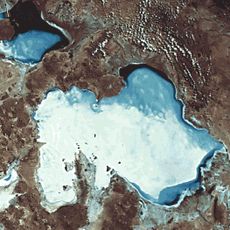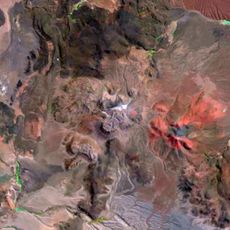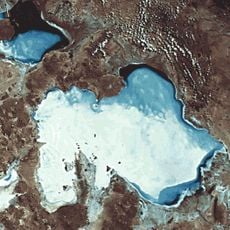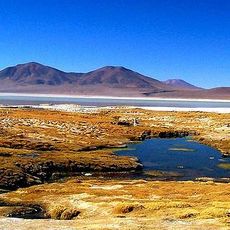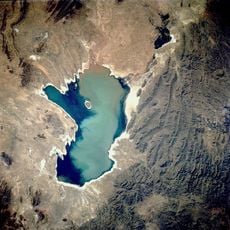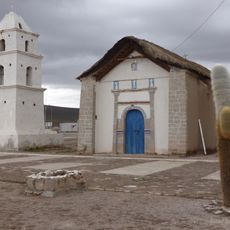
Uyuni Salt Flat, Salt flat in Potosí Department, Bolivia
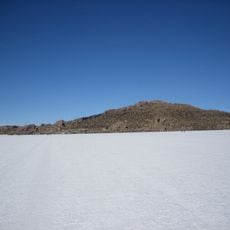
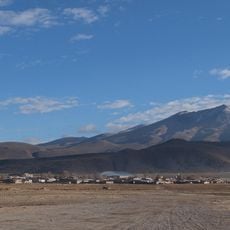
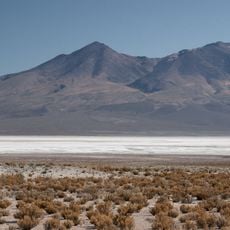
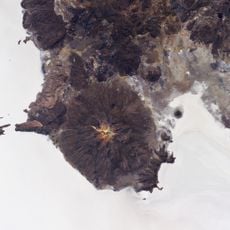
The Salar de Uyuni is a vast salt flat that spreads across the high plateau and forms a white crust with geometric patterns. The surface consists of crystallized salt that has accumulated over millennia, shaping the landscape in all directions.
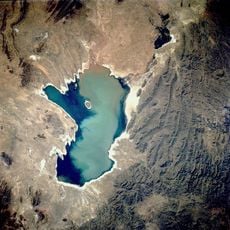
This salt flat arose from an ancient lake that dried up tens of thousands of years ago, leaving behind massive mineral deposits. That natural process created one of South America's most extreme landscape features.
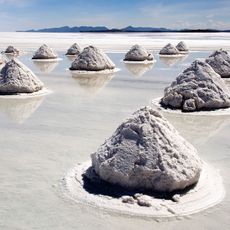
Local salt workers extract the mineral using techniques passed down through generations, and their labor has shaped the landscape over time. Their presence and daily work remain central to life in this remote region.
The site is best visited during the dry season from May to October, when the surface is firm and drivable. Bring warm clothing, as the high altitude and equatorial location cause sharp temperature swings between day and night.
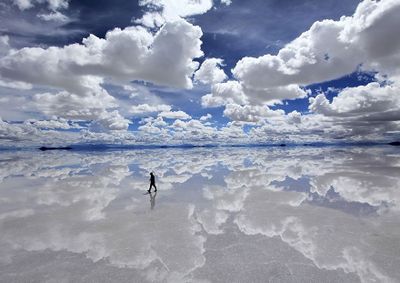
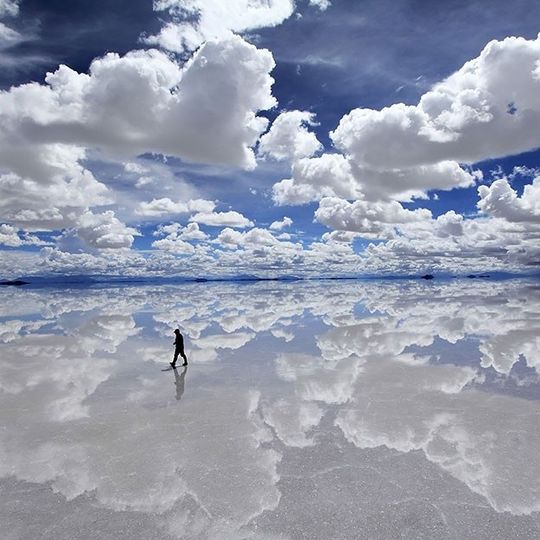
During the rainy season from December to April, a thin water layer forms on the salt surface and transforms the landscape into a giant natural mirror. This phenomenon occurs because the salt becomes slightly water-resistant during wet months, allowing water to reflect off the smooth surface.
The community of curious travelers
AroundUs brings together thousands of curated places, local tips, and hidden gems, enriched daily by 91,728 contributors worldwide.