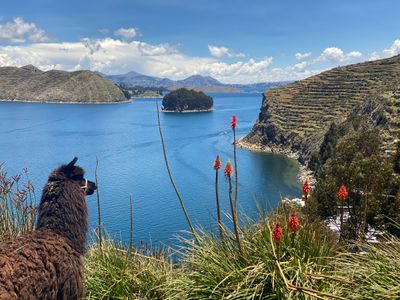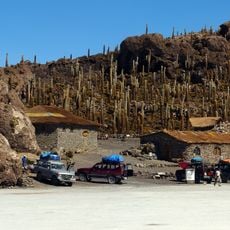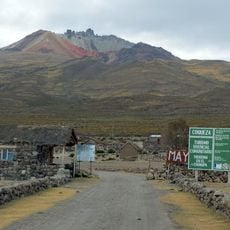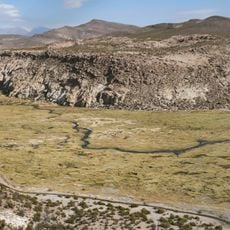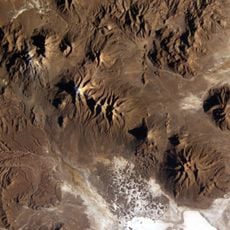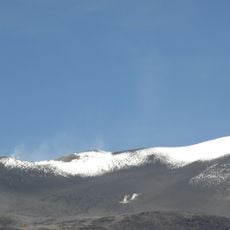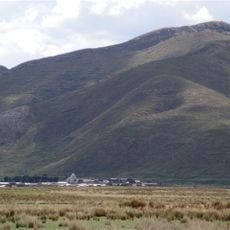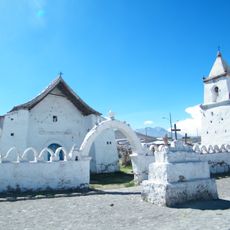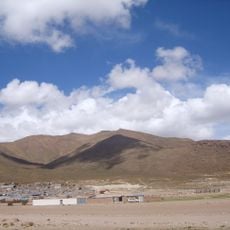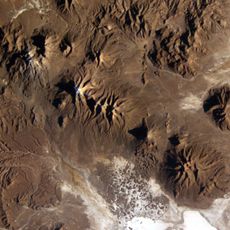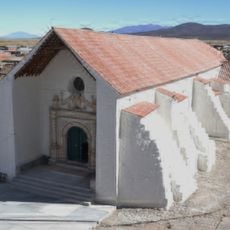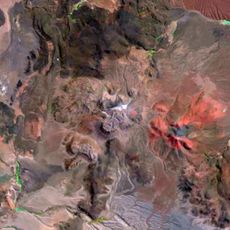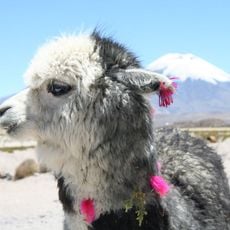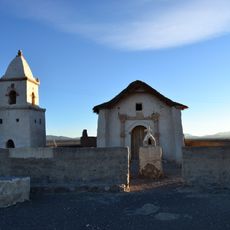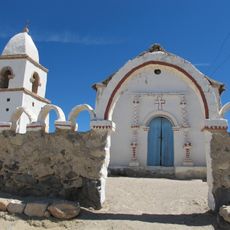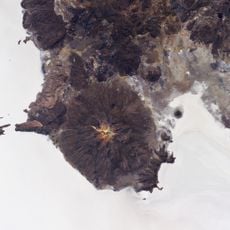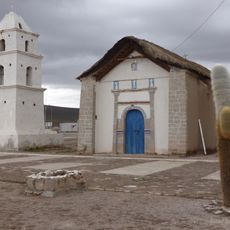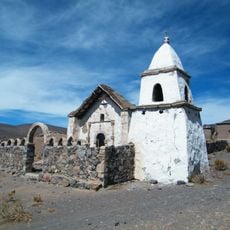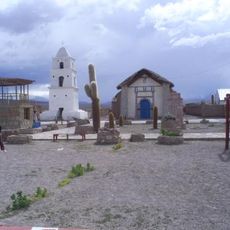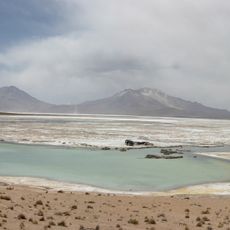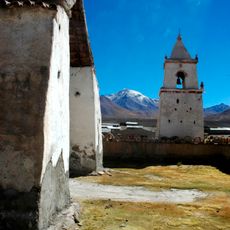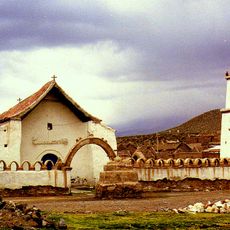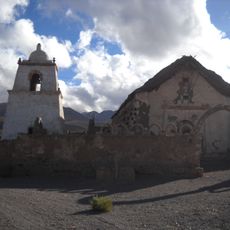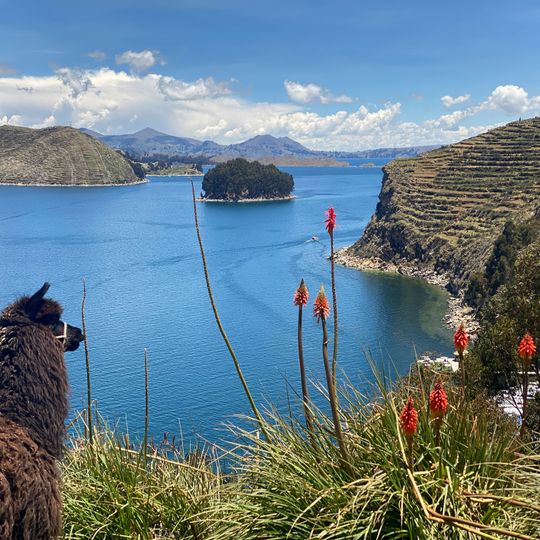
Titicaca basin, Endorheic basin in Parinacota Province, Bolivia and Chile.
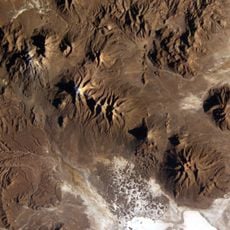
The Titicaca basin is a closed water system at high altitude in the Andes, consisting of several interconnected lakes and wetlands. This network of freshwater, saline, and seasonal water bodies forms a complex ecosystem without any outflow to the ocean.
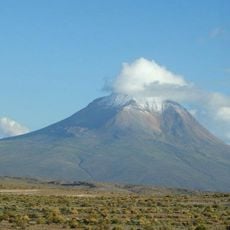
The basin formed over millions of years through tectonic and erosive processes in the Andes, creating a natural water reservoir for the region. This geological development laid the foundation for settlement by early cultures.
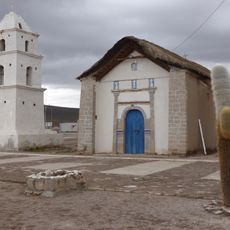
The Aymara and Quechua peoples have lived around this basin for generations, using its waters for fishing and watering their crops. Their way of life remains closely tied to the seasonal patterns and specific conditions of this highland region.
The basin can be reached from Oruro in Bolivia or Arica in Chile, with transportation options available from both cities to different parts of the region. The dry season offers better accessibility for visiting the various areas.
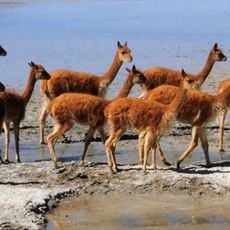
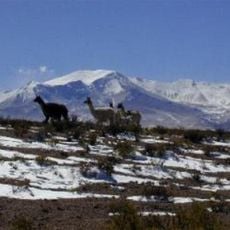
The basin hosts extreme ecosystems with specialized plants and animals adapted to thin air and intense UV radiation at this altitude. These adaptations make the region important for scientific study.
The community of curious travelers
AroundUs brings together thousands of curated places, local tips, and hidden gems, enriched daily by 91,807 contributors worldwide.