Geoglifos de Pintados, Pre-Columbian geoglyphs in Pozo Almonte, Chile
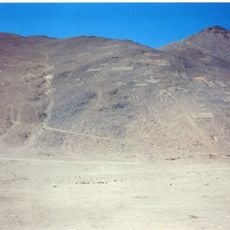
The Geoglifos de Pintados are a group of about 450 figures drawn on the hills of the Pampa del Tamarugal, in the Tarapacá Region, over a stretch of more than 3 kilometers. Pre-Hispanic Andean peoples made them between 700 and 1500 AD by removing the surface layer of the ground, creating a contrast between the excavated area and its surroundings. Some figures show influence from the Tiwanaku culture.
Between 700 and 1500 AD, indigenous peoples created these geoglyphs by removing surface materials from hillsides. The work reflects connections to the Tiwanaku civilization that influenced the broader Andean region.
The figures guided caravans traveling between desert and coastal zones, serving as signals along important trade routes. They reveal how indigenous peoples marked and communicated across this harsh landscape.
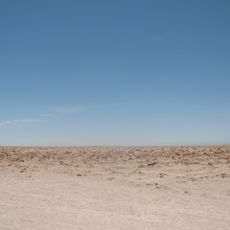
Access is by road from Iquique, about 95 kilometers away, via Route 16 and the Panamericana Norte to Pozo Almonte, then a taxi or rental car to the site. The geoglyphs lie in open desert within the Pampa del Tamarugal National Reserve; carry water and sun protection, and note that the site museum's main hall sits 1.5 meters underground, reached by a 1-kilometer open-air trail from the Salar de Pintados.
The site was declared a National Monument in 1939, before the geoglyphs were systematically studied. In 2018 the Fundación Geoglifos de Tarapacá was created to promote and protect the site and to seek UNESCO World Heritage status.
The community of curious travelers
AroundUs brings together thousands of curated places, local tips, and hidden gems, enriched daily by 92,789 contributors worldwide.