Bo-Kaap, Historical Muslim district in central Cape Town, South Africa
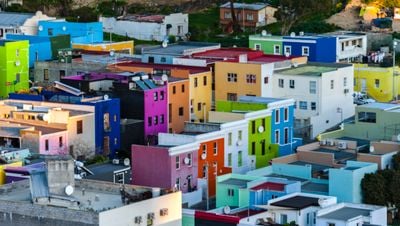
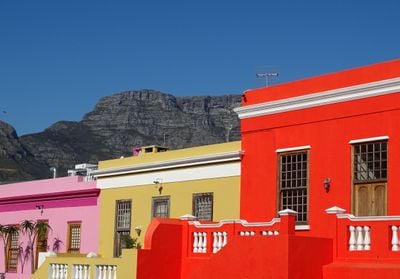
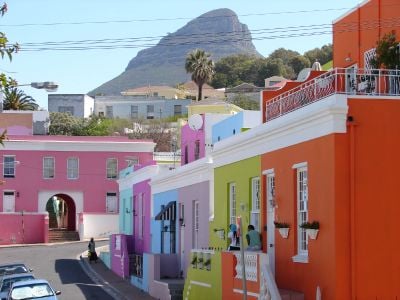
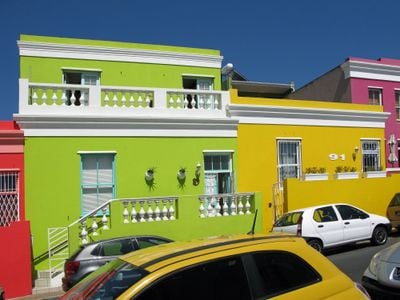
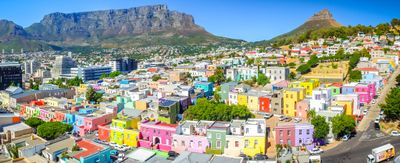
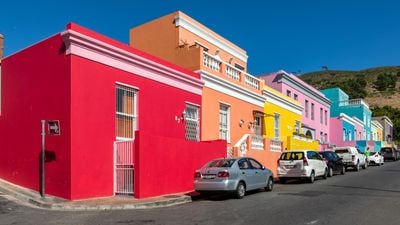
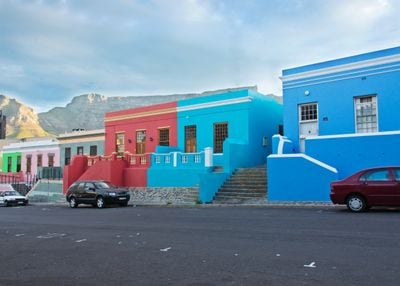
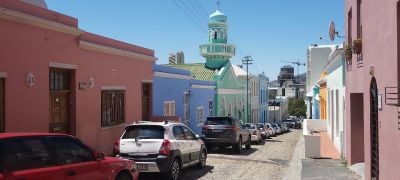
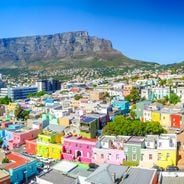
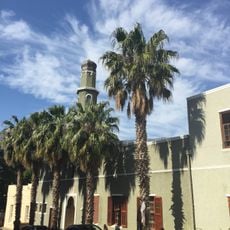
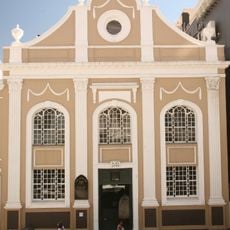
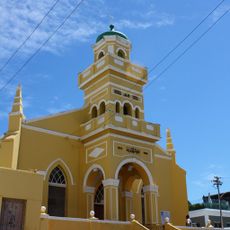
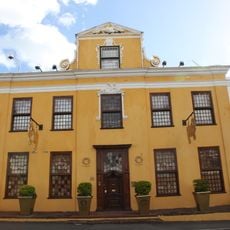
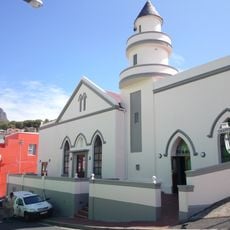
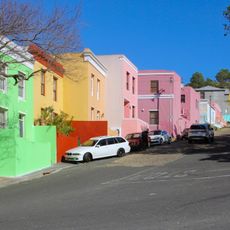
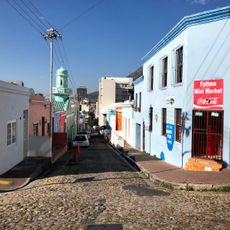
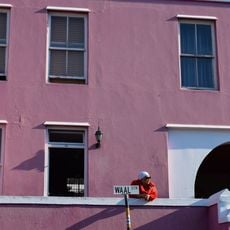
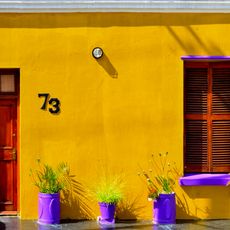
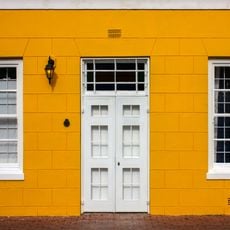
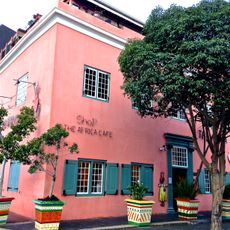
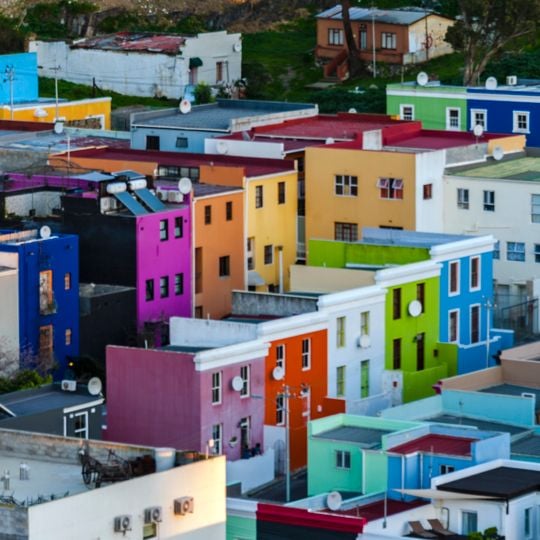
The residential area rises on the slopes of Signal Hill and consists of rows of houses painted in bright pink, blue, yellow and green. Narrow cobblestone lanes wind between two-story colonial-era buildings with flat facades and rectangular shutters. Several mosques with white minarets contribute to the skyline, while a small number of shops and cafes scatter along the main streets.
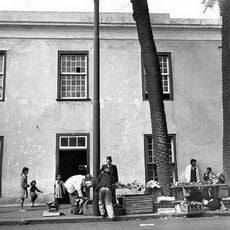
Dutch colonist Jan de Waal built rental houses starting in 1760 for imported slaves from Malaysia and Indonesia. After slavery ended in 1834, many freed residents remained in the neighborhood and began painting their buildings in distinct colors. Urban development plans during the 1970s threatened to raze the district, but community protests led to heritage protection in the 1990s.
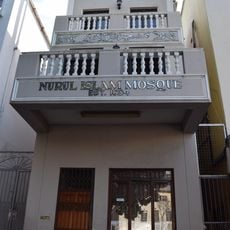
The district hosts one of South Africa's oldest Muslim communities, with residents preserving Malaysian and Indonesian traditions passed down through generations. Architecture and street life reflect a blend of Cape colonial, Islamic and Southeast Asian influences not visible anywhere else in South Africa. Religious practices, culinary traditions and the Cape Malay language bind the community to its past.
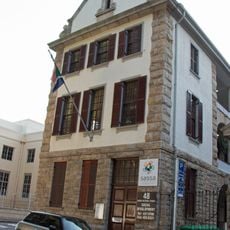
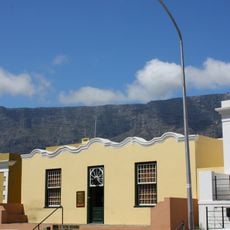
Access to the area is free, although guided walks offered by local operators cost between 200 and 400 rand. Visitors should ask permission before photographing private homes and avoid stepping onto private properties. The Bo-Kaap Museum on Wale Street opens Tuesday through Saturday from 9:00 AM to 4:00 PM and charges 20 rand admission for adults.
The Auwal Mosque on Dorp Street was erected in 1794 as South Africa's first mosque and contains a Quran manuscript written by Tuan Guru from memory after his release from Robben Island. He had spent 13 years as a political prisoner, during which he memorized the entire Quran.
The community of curious travelers
AroundUs brings together thousands of curated places, local tips, and hidden gems, enriched daily by 91,679 contributors worldwide.