Cities keep secret passages and hidden gardens for those who know where to look.
Some of these places are in quiet neighborhoods or on the outskirts, while others hide in busy areas. They show buildings from different times, religious sites from various traditions, art projects on old industrial sites, and markets that have grown in unusual settings. Some places let visitors see how local people live, others share stories from changes in history or artistic projects. The collection links spots that are often overlooked but worth a visit.
Cities keep secret passages and hidden gardens for those who know where to look.
Some of these places are in quiet neighborhoods or on the outskirts, while others hide in busy areas. They show buildings from different times, religious sites from various traditions, art projects on old industrial sites, and markets that have grown in unusual settings. Some places let visitors see how local people live, others share stories from changes in history or artistic projects. The collection links spots that are often overlooked but worth a visit.
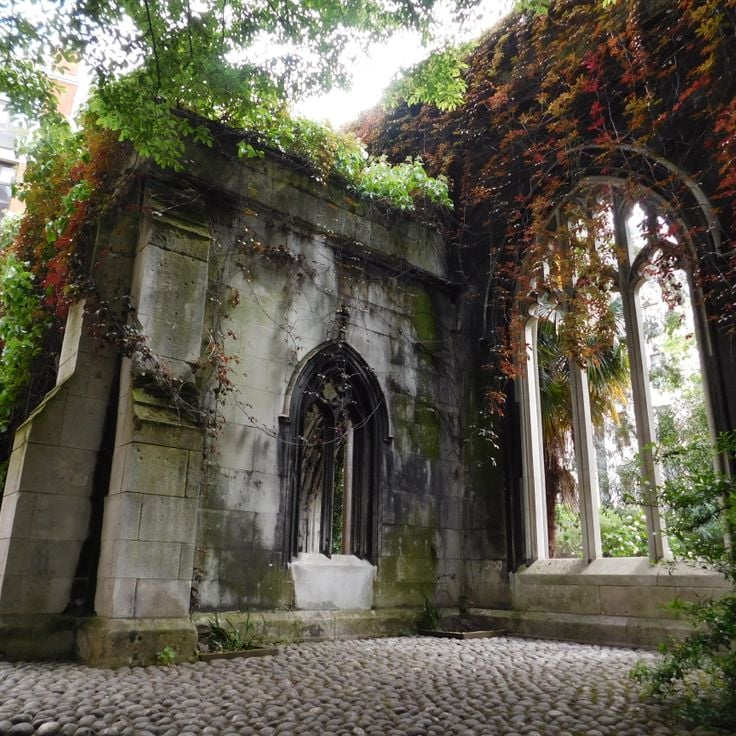
This public garden occupies the former site of a Christopher Wren church, damaged in 1941. Plants grow through stone arches and window frames of the ruins, where history and nature combine into a quiet place away from regular visitor routes. The garden of St. Dunstan offers an unexpected pause between the busy streets of London, where walls and vaults from the 17th century serve as frames for flower beds and shrubs.
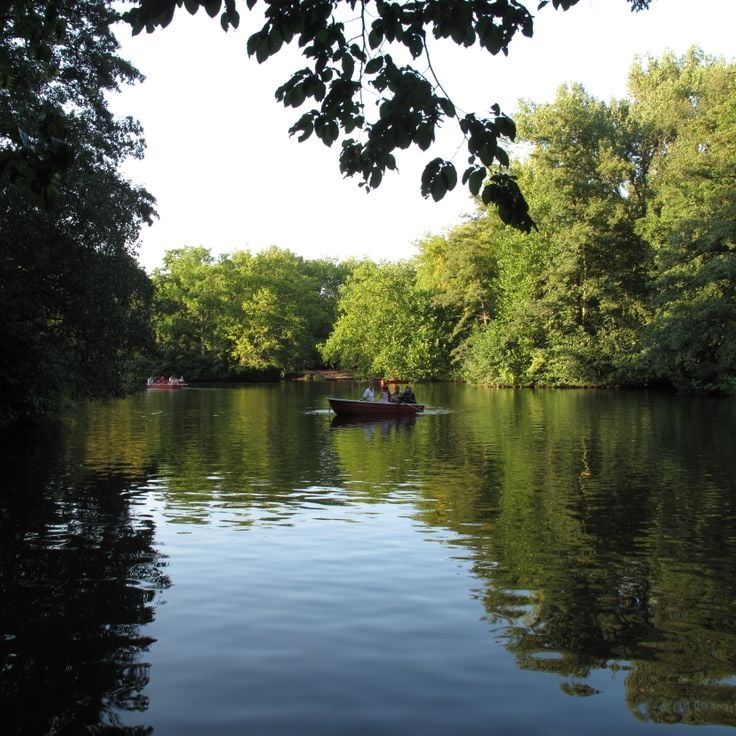
This lake in Tiergarten offers rowing boats for rent and a restaurant on its shore. Water birds nest on small islands within the water. The lake sits away from regular tourist routes and attracts mostly locals who walk here or go out on the water. In summer, families come to row boats, while in winter the lake often has a quiet feel. Trees line the surroundings, and walking paths run along the shore. The lake is among the less frequented spots in Berlin that still provide a pleasant visit.
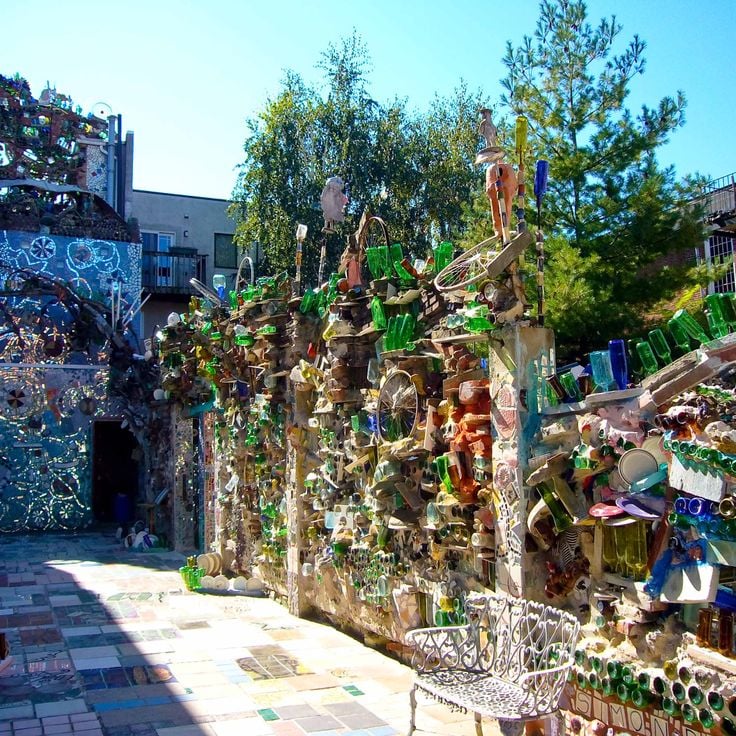
This folk art space in Philadelphia contains mosaics made from tiles, bottles, bicycle wheels, and mirrors. The indoor galleries and outdoor labyrinth span half a city block. Isaiah Zagar began creating his works on building walls and public surfaces in the South Street neighborhood during the 1960s. The winding paths lead through narrow passages and across multiple levels. Ceramic shards hang on walls alongside old tools and household objects. Handwritten messages and poems appear among the mirror fragments. Visitors walk through arches made of recycled materials and under ceilings covered in colored glass pieces.
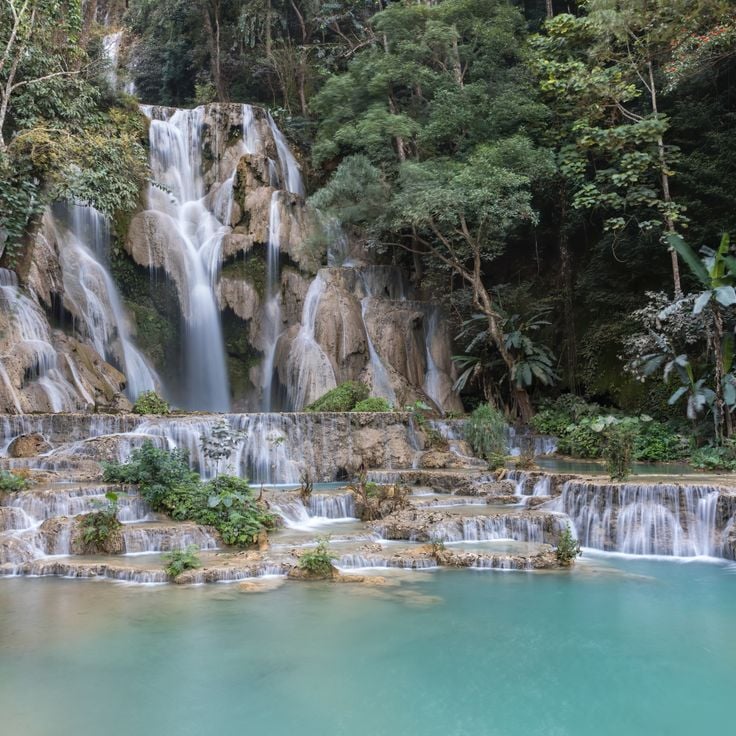
These gardens house native butterfly species in enclosed areas near mineral-rich waterfalls. Visitors can observe the complete stages of metamorphosis at the breeding station as they walk through the space. The facility is located away from regular tourist routes and offers insight into the natural development of the butterflies in a quiet setting.
This historic district sits along the canals of the Lauch and shows half-timbered houses from the 16th and 17th centuries. The buildings reflect in the water and create a calm mood. Narrow lanes run between the colorful houses, and small bridges cross the canals. You see flower boxes at the windows and hear the water flowing quietly. Fishermen and tanners lived here in earlier times, and their boats rested in front of the houses. Today people walk along the banks or sit by the water. Little Venice belongs to the older parts of Colmar and keeps the architecture of past centuries.
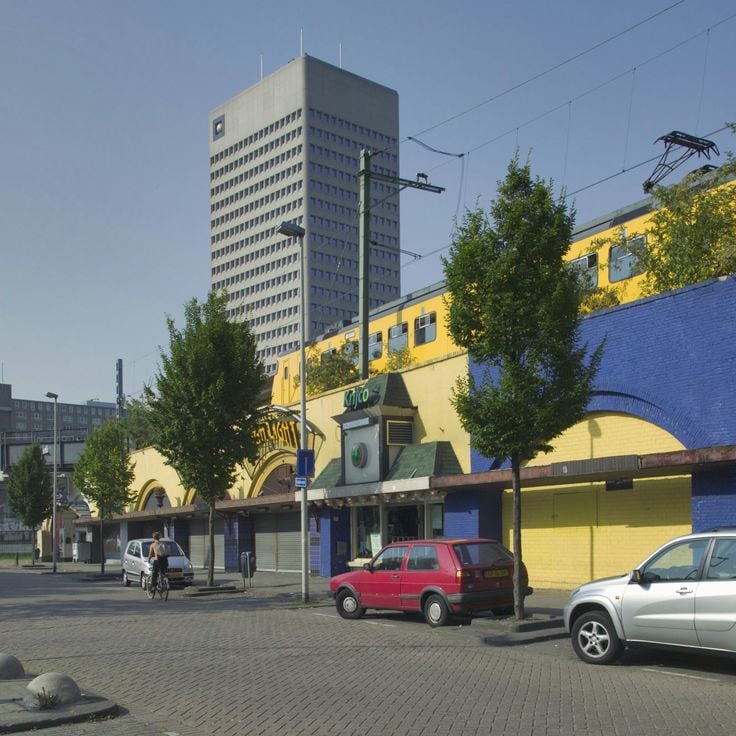
This former station from 1908 stands in Rotterdam and now serves as a gathering point for visitors looking for uncommon urban locations away from regular tourist routes. The building houses restaurants, offices and event spaces under a preserved railway bridge. The old structure connects historic architecture with modern city life. People come here to eat, work or attend events while the original shape of the station remains visible. The place shows how old railway buildings can take on new roles without losing their history. The bridge overhead reminds you of the trains that once stopped here.
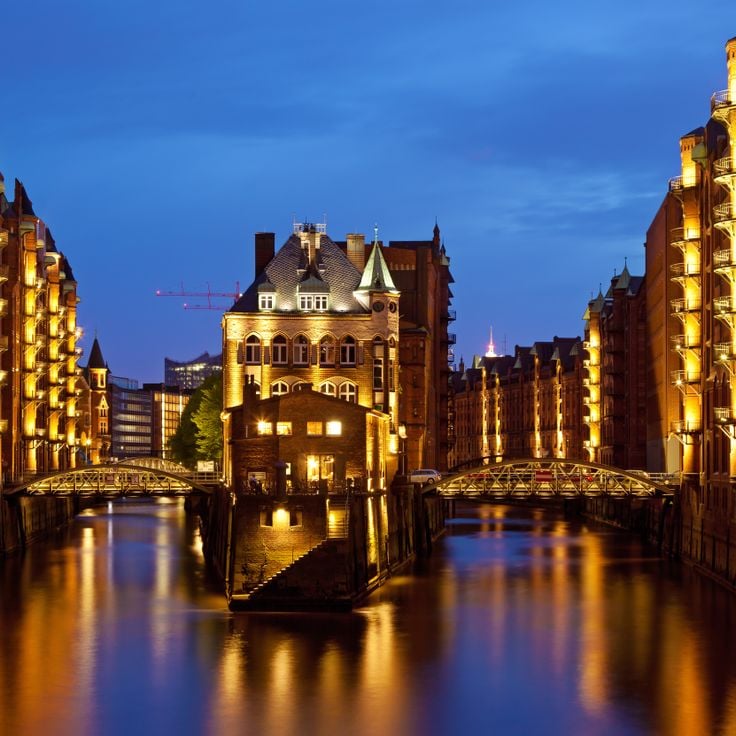
This warehouse district from the late 19th century sits on artificial islands between narrow waterways. The brick buildings rest on oak poles driven into the mud. Low bridges and canals connect the storage houses to each other. The facades show gabled roofs and small towers in a Gothic Revival style. Flat barges tie up along the quays for loading and unloading goods. Some buildings now hold museums, offices and exhibition spaces. The streets are quiet, and the water reflects the walls. Early mornings feel almost empty, while afternoons bring visitors crossing the stone bridges. From the upper floors you can see over the rooftops toward the Elbe River.
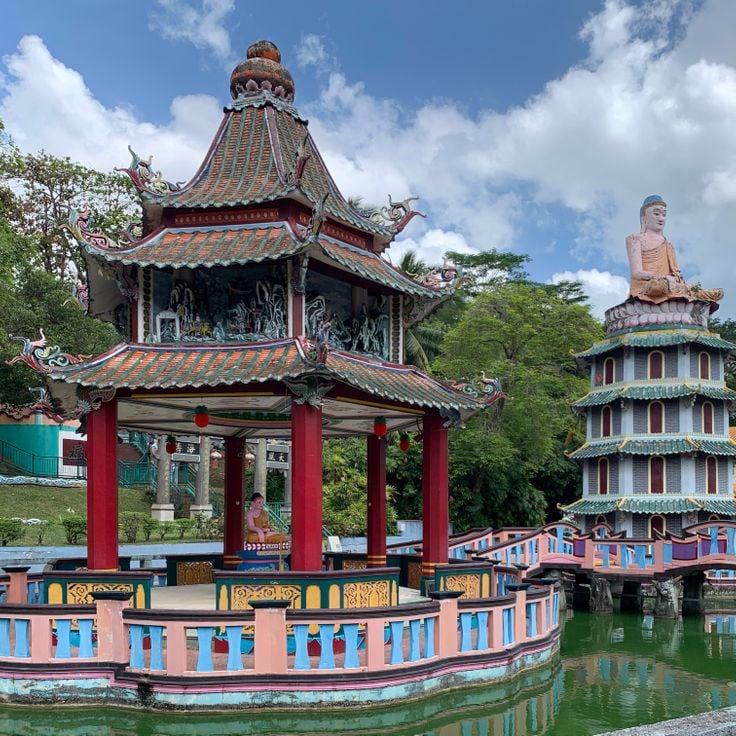
Haw Par Villa is a theme park from 1937 that sits away from regular tourist paths. Over a thousand statues and a hundred and fifty dioramas show scenes from Asian cultural traditions and moral tales. The displays range from everyday situations to mythological stories. Visitors walk through sections with Buddhist, Taoist, and Confucian themes. Some installations feel lighthearted, others serious or unusual. The park combines sculpture, color, and architecture into an experience that is rare to find in this form.
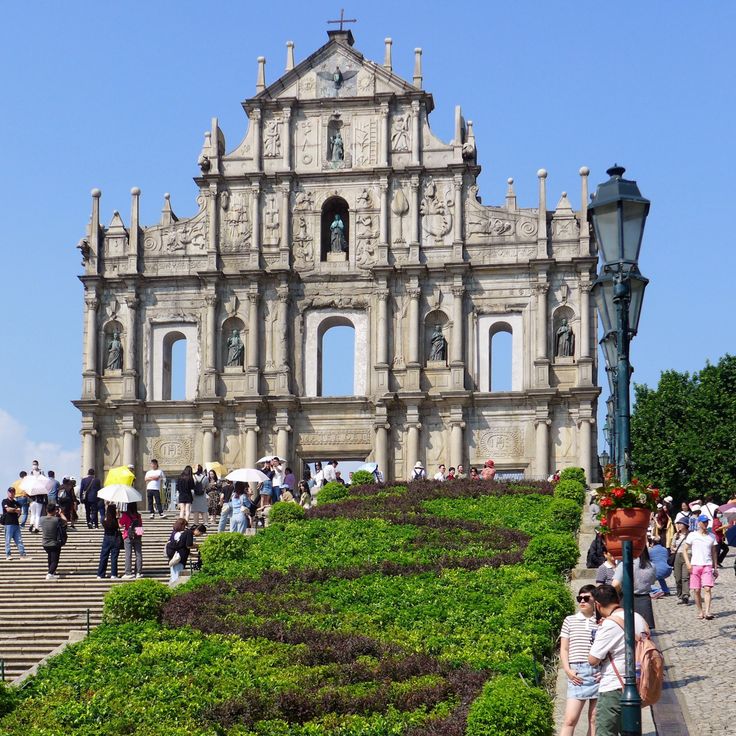
These stone remains of a 17th century Catholic church show Portuguese architecture with Chinese motifs. The facade is all that stands after a fire in the 19th century destroyed the interior. The front wall rises freely on a plaza, and stairs lead up from the street. The carvings combine European religious symbols with Asian elements, reflecting the cultural meeting of East and West. Visitors can stand behind the facade and look through the empty window openings where the nave once was.
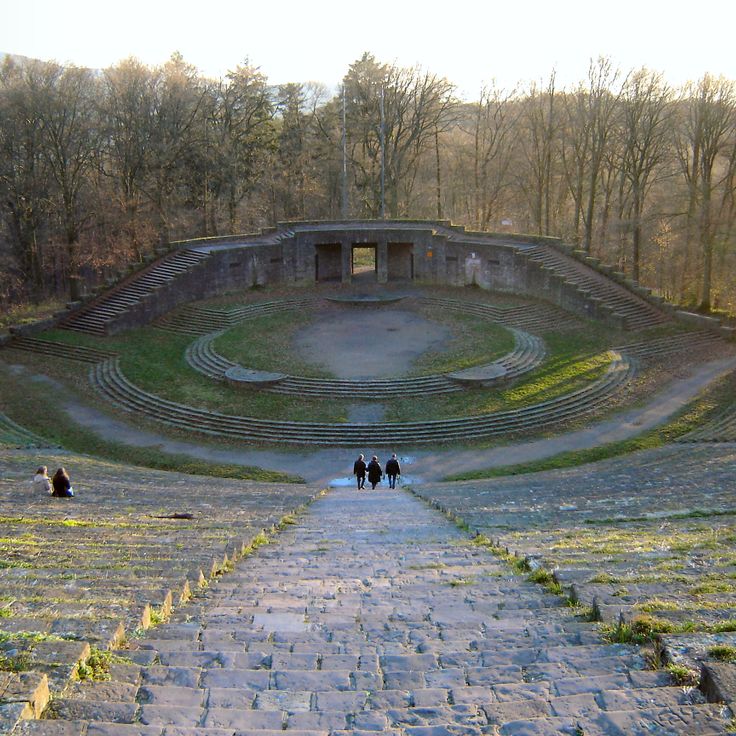
This open-air theater stands on Heiligenberg surrounded by forest. The Thingstätte was built in 1935 and sits away from the usual routes through Heidelberg. Wild plants grow between the stone steps. From the seating rows you can see over the trees. The climb leads through quiet forest paths. The structure feels abandoned and nature slowly takes it back. Some days hikers pass by, but most of the time the place remains empty.
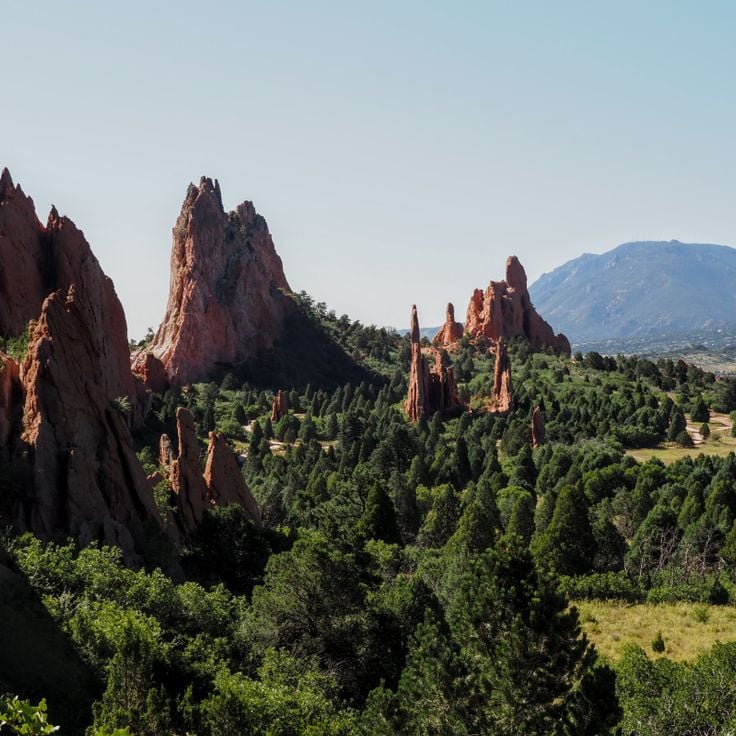
This natural park lies about an hour south of Denver and shows red sandstone rocks rising up to 300 feet into the air. The grounds spread across different paths that add up to around 15 miles. Hikers find marked routes here between the formations. The rocks formed millions of years ago through tectonic shifts and erosion. Today the Garden of the Gods is a public park where visitors can walk, cycle or ride horses. Climbing is allowed in certain spots. The visitor center offers information about the geology and history of the area.
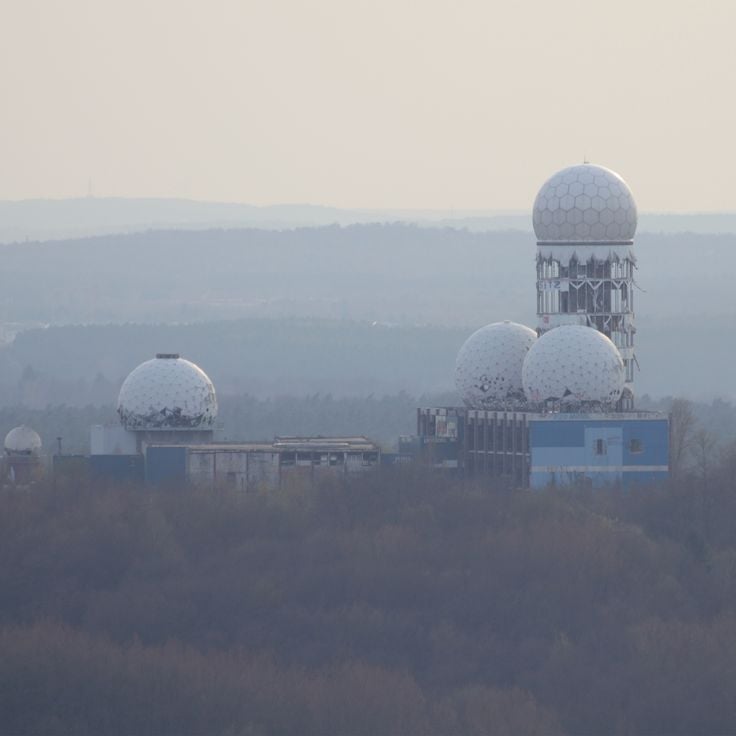
This hill in Berlin rises from rubble left after the Second World War. At the top of Teufelsberg sits an abandoned listening station built by the NSA during the Cold War, with its dome structures and radar equipment still standing. Visitors walk through empty rooms and corridors covered in graffiti art. From the summit, you can see forests and lakes stretching into the distance. The site combines history with street art and draws people looking for places beyond the usual routes through the city.
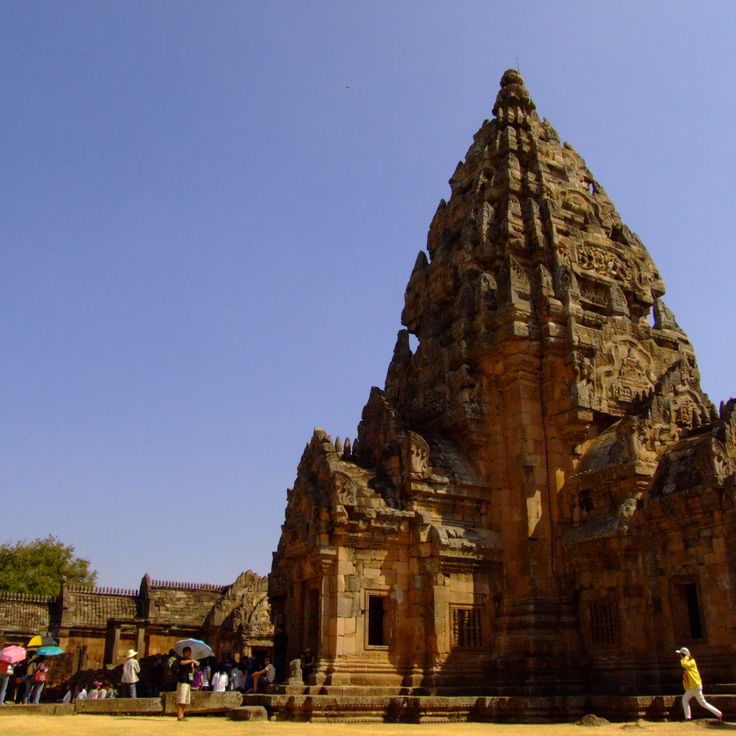
This Khmer temple stands on an extinct volcano in Buriram Province and was built in the 10th century as a Hindu sanctuary. The complex lies away from regular tourist routes and offers insight into Khmer-era construction. Stone reliefs show scenes from Hindu epics, and the structure follows the symbolic representation of Mount Meru. From its elevated position, views open over the surrounding countryside.
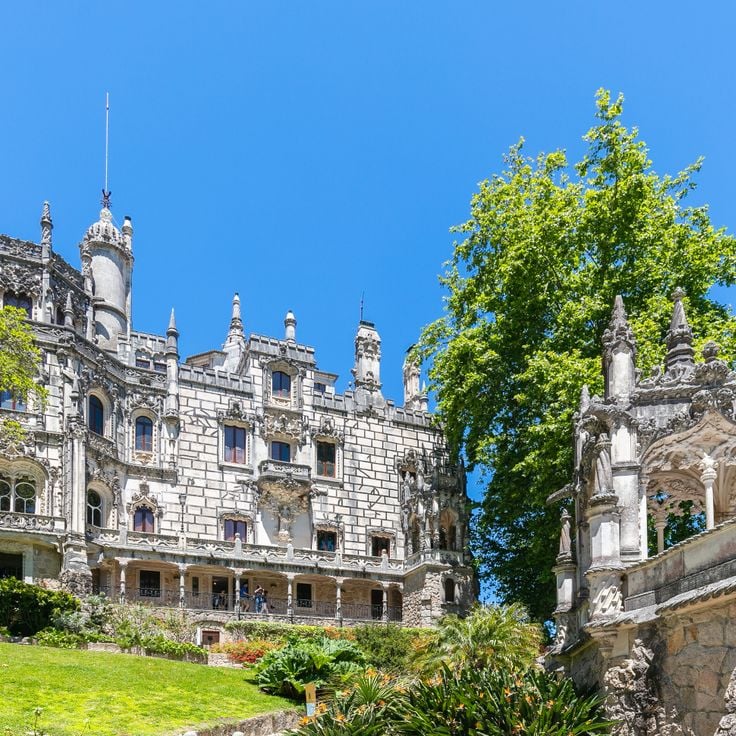
This early 20th-century palace sits on the edge of Sintra and combines architecture with grounds full of symbolic elements. The gardens lead through tunnels, grottoes, and wells carved into the rock. The best known is a spiral shaft that descends nine stories into the earth. Stairs wind downward, light falls through openings in the ceiling. Pathways connect different levels, some passing through narrow passages below the surface. Quinta da Regaleira stands away from the main routes through Sintra and shows a vision that weaves together nature and built structures.
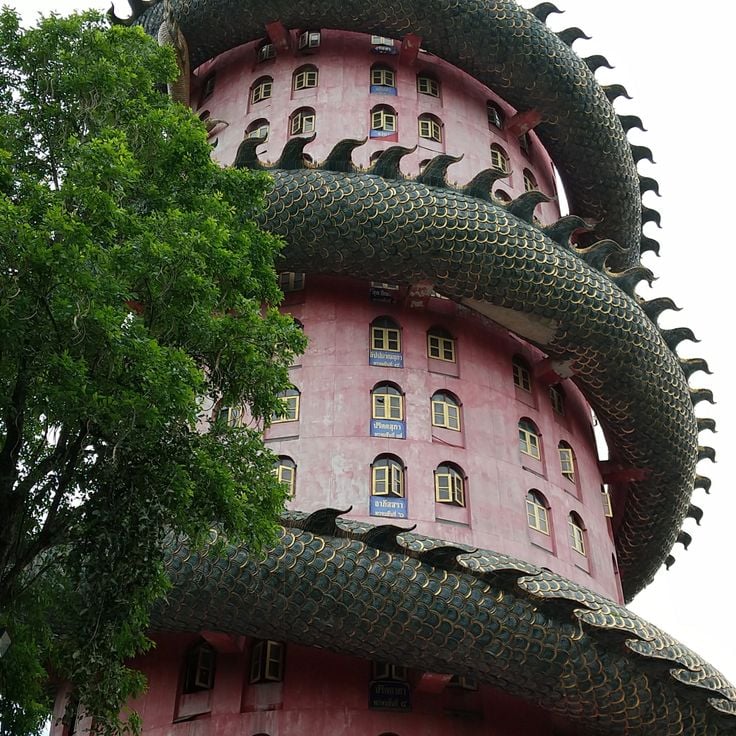
This temple in Nakhon Pathom rises as a 17-story building with a distinctive exterior. A pink dragon sculpture winds in a spiral around the cylindrical structure from its base to its summit. The Wat Samphran Temple stands away from regular tourist routes and belongs to Thailand's religious sites that display an unconventional architectural design. The temple interior is accessible by stairs that pass through the dragon's body.
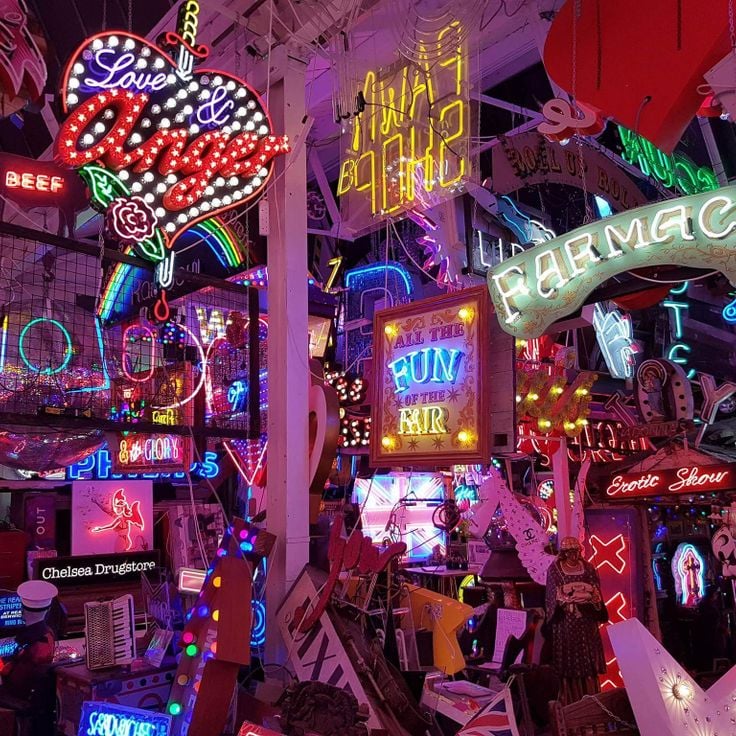
This gallery presents neon installations and illuminated signs from four decades of artistic work, including historic advertising pieces, contemporary art projects, and experimental light designs. The collection connects commercial history with modern artistic approaches, showing how neon light shapes urban environments. As part of a selection of less traveled urban locations in London, the Neon Art Gallery offers insight into a specialized art form that moved from the street into the museum setting.
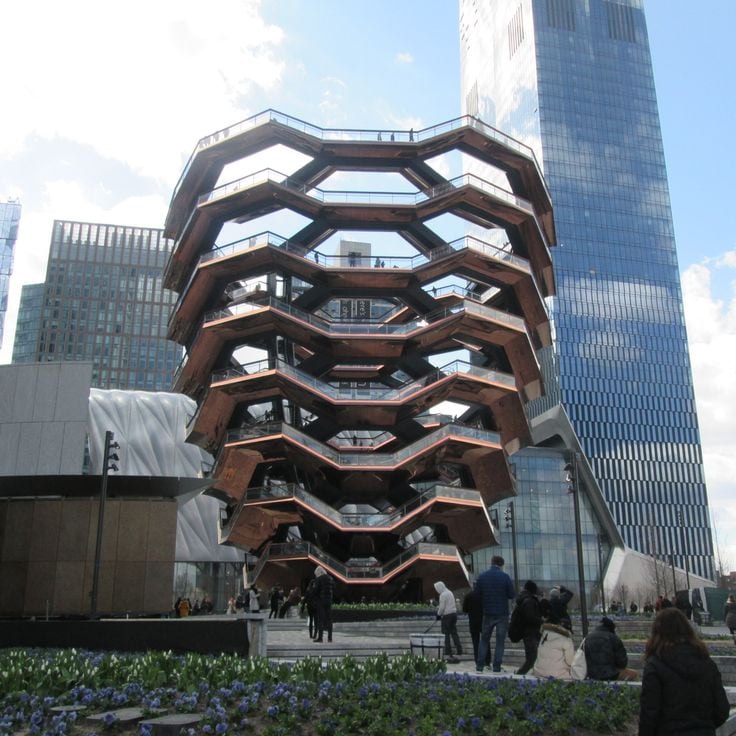
The Vessel is a viewing platform in Hudson Yards. The metal structure rises 150 feet and consists of 154 flights of interconnected staircases with 2,500 steps. The copper-colored construction offers different angles of Manhattan as visitors climb between the connected walkways. The design resembles a honeycomb, built so people can move between the various levels. From the upper platforms, you can see the West Side skyscrapers, the Hudson River, and the streets of the neighborhood.
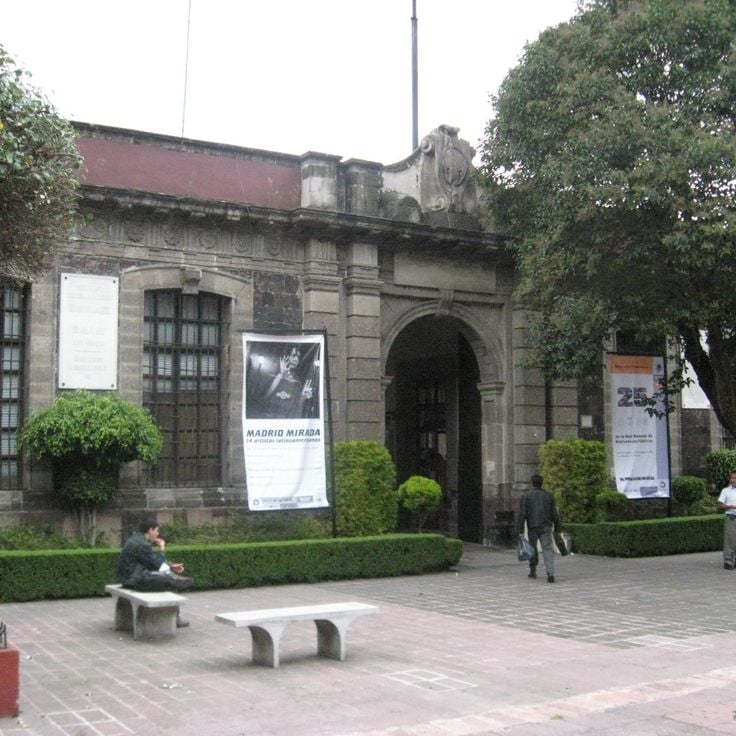
This public library in Mexico City spreads across several floors and holds more than one million books on open shelves that seem to float in space. The architecture uses glass and steel, allowing natural light to fill the reading rooms. Inside, a large gray whale skeleton hangs from the ceiling, and a botanical garden grows in the center of the building with trees and plants. Readers sit at long tables or in small corners between rows of books. The Biblioteca Vasconcelos opened in the 21st century in a neighborhood that was once industrial. Today, people from different parts of the city come here to read, study, or simply walk through the corridors and look at the building itself.
This open-air gallery runs for more than a kilometer along a preserved section of wall and displays paintings created by artists from different countries since the early nineties. The East Side Gallery sits beside the Spree River in a former border area and preserves murals that record political messages, personal reflections and artistic visions following the opening of the city. Visitors walk past colored concrete panels showing portraits, symbols and scenes while cyclists and pedestrians use the riverside promenade. Surrounding buildings include new apartment blocks and cafés that reflect the neighborhood's transformation.
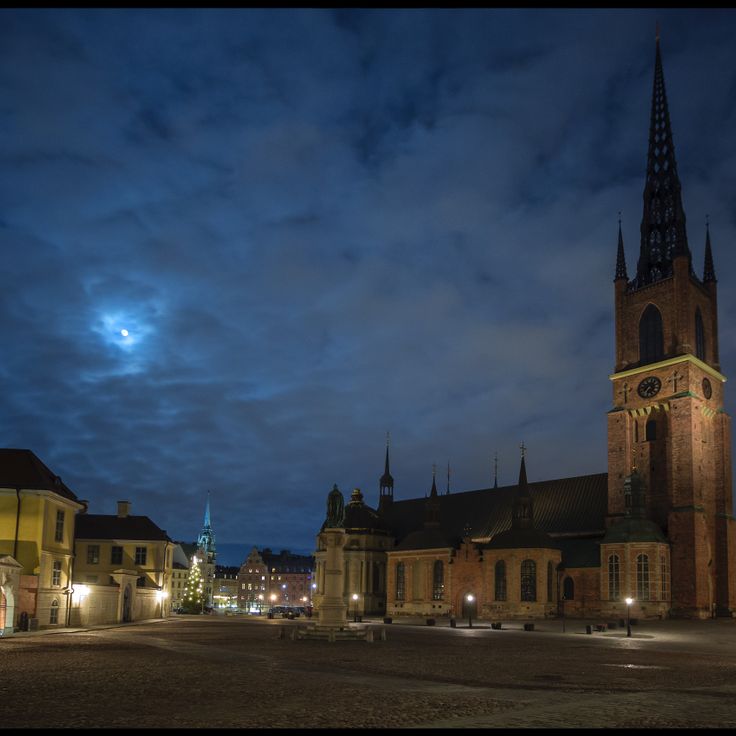
This church from the 13th century serves as the burial site for Swedish monarchs and stands out in Stockholm with its 90-meter (295-foot) tall tower. The building sits on the island of Riddarholmen, slightly away from the main routes, and attracts visitors interested in the history of the Swedish royal families. Inside, sarcophagi and tombs from different eras tell the story of the country's political and dynastic past. The simple brick facade and dark wooden benches give the space a solemn feel. Walking through the narrow streets of the old town island, you reach the church by a short bridge and experience a piece of Swedish memorial culture.
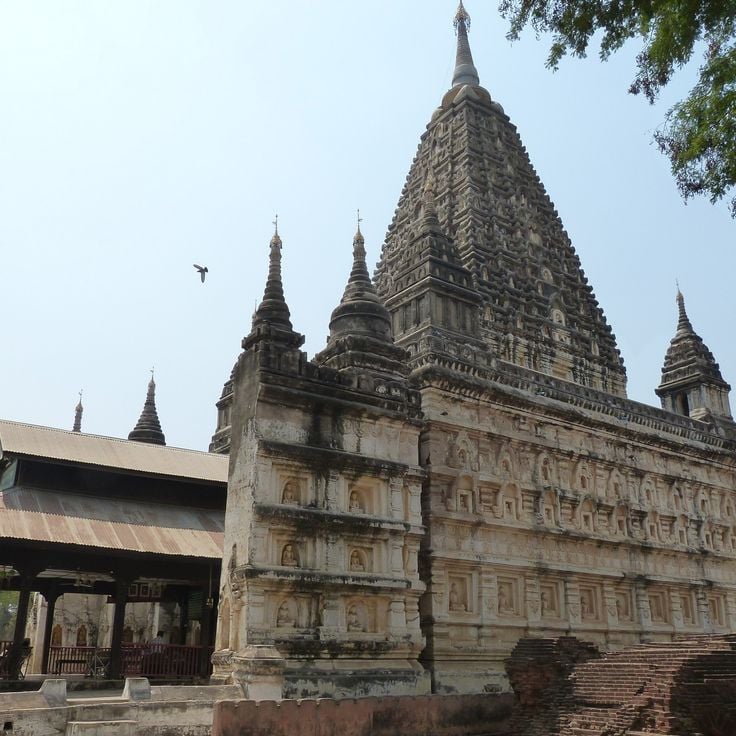
These temples in Bagan date from between the 9th and 13th centuries and stand scattered across the wide plains. More than 2000 religious structures made of brick rise among fields and dusty paths. Some are small and simple, others reach considerable height. A few are still used by monks, while many others remain abandoned. Early in the morning, mist drifts through the landscape, and light falls through the arches and windows of the old walls.
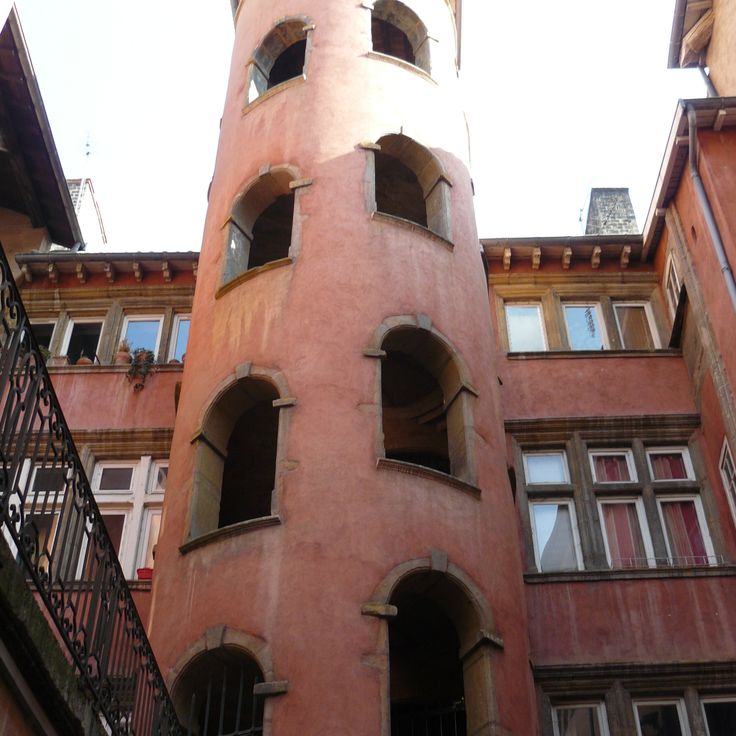
These passageways cut through buildings in the old town and date back to the 4th century, originally serving silk merchants and later resistance fighters during World War II. The Traboules of Lyon connect streets and courtyards through winding corridors, staircases, and covered passages. They appear mainly in the Croix-Rousse and Vieux Lyon districts, where they remain part of daily life for residents. Some open onto small Renaissance courtyards with spiral staircases and galleries. Today several are accessible to the public while others stay private. They form part of the cityscape and tell the story of weavers at work and the movements of the Résistance.
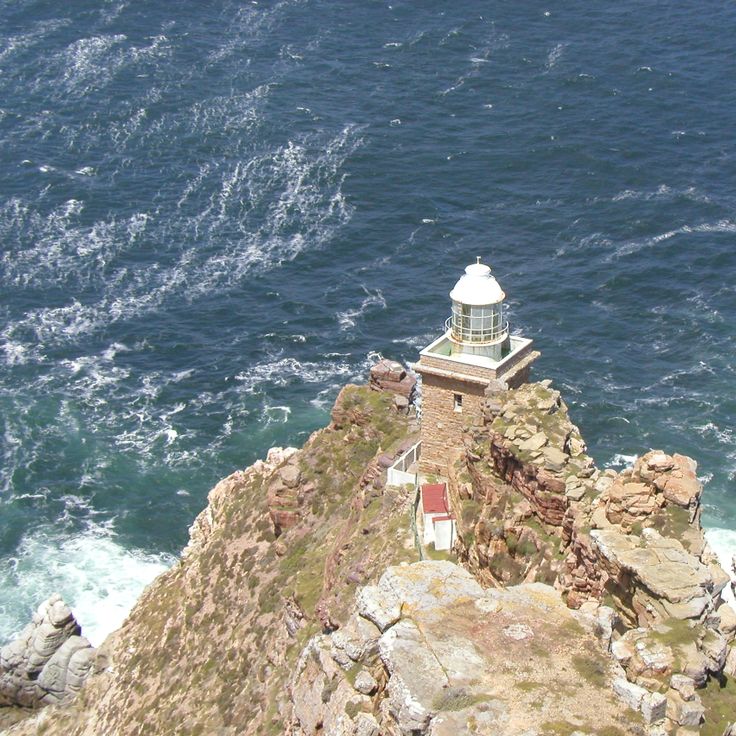
This lighthouse was built in 1859 and stands 238 meters (780 feet) above sea level at the southernmost point of the African peninsula. Cape Point Lighthouse belongs to those places in Cape Town that lie away from regular tourist routes. From here, you can observe the meeting of two oceans. The tower was later replaced by a modern facility at the base of the cliff after fog often blocked the view from the high position. The climb leads through coastal vegetation and offers wide views over rocks and water.
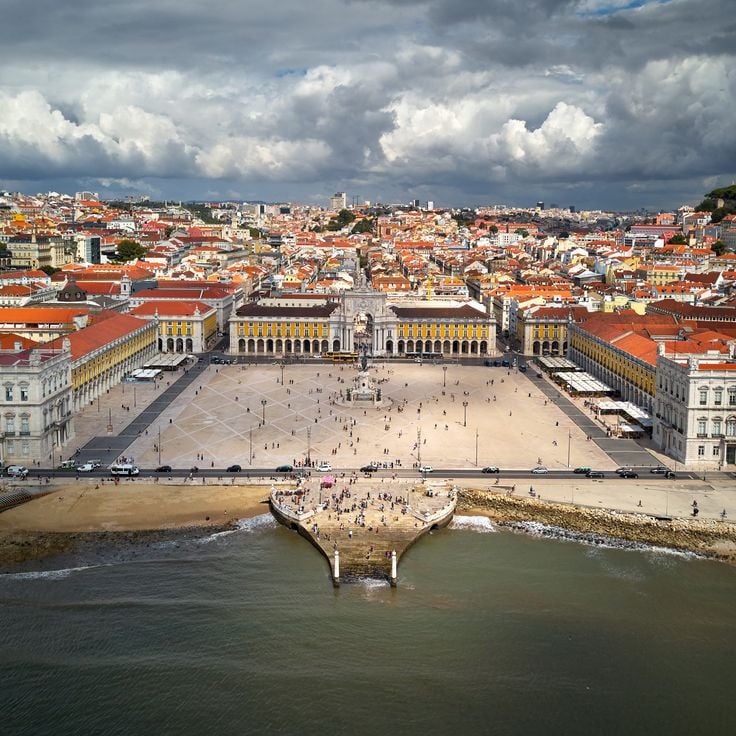
This 18th-century square sits by the Tagus River and shows yellow facades, arcades and the triumphal arch Arco da Rua Augusta. Praça do Comércio emerged after the 1755 earthquake as the new center of the city. Under the arcades you find cafes and shops, while the statue of King José I on horseback stands in the middle. The open rectangle leads directly to the river, where ships used to dock. Today locals use the square for walks and visitors come for the view of the water and surrounding buildings.
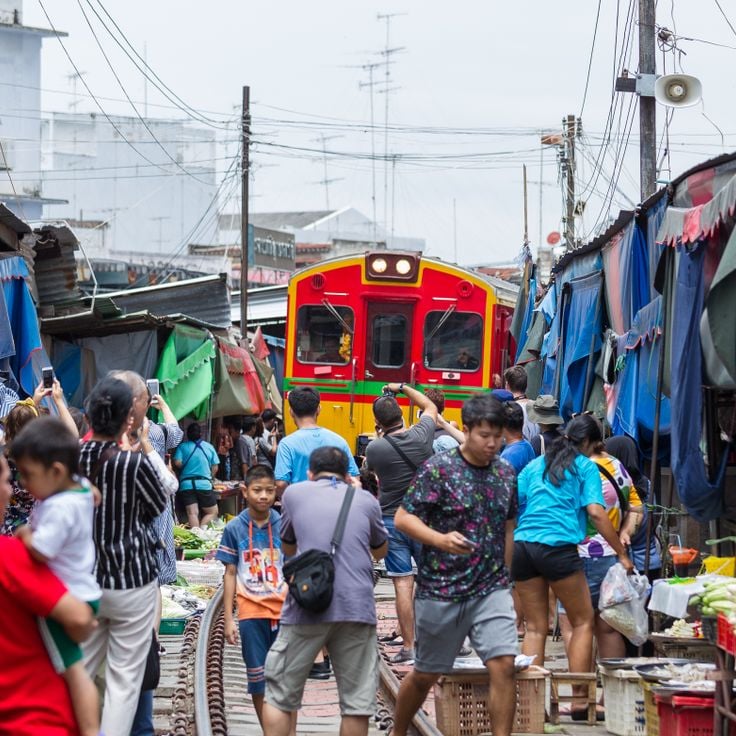
This market in Samut Songkhram sits directly on the tracks of a working railway line. Vendors spread their goods between the rails and sell fresh fruit, vegetables, fish, and other products. When a train approaches, they pull back their stalls within seconds, the train passes through, and they return to the tracks immediately after. Trains come through several times a day, and the routine repeats each time. The stalls are covered with awnings that fold quickly. Visitors can watch the process up close and see how commerce and rail traffic fit together. The Maeklong Railway Market is an example of uncommon urban locations where everyday routines adapt to tight spatial conditions.
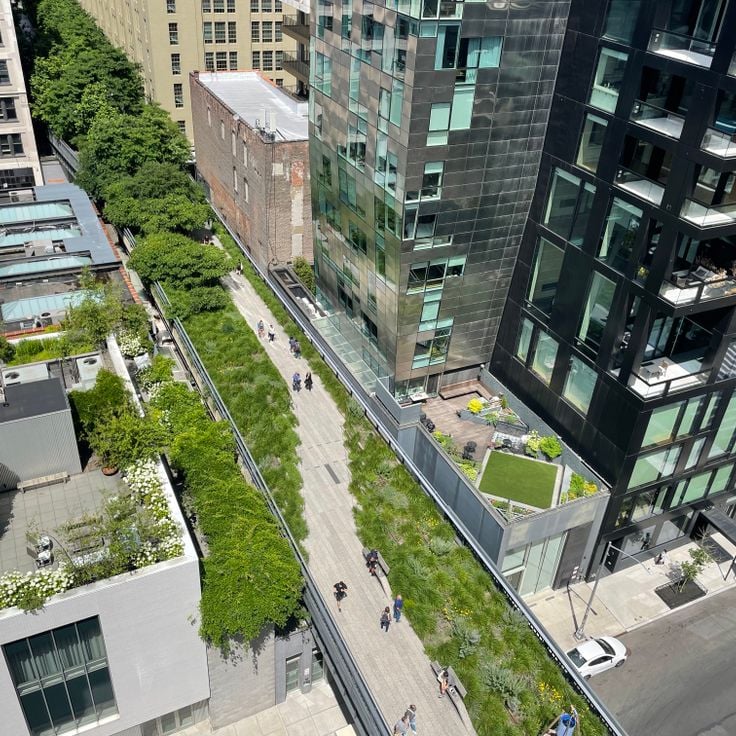
The High Line is a public park built on a former elevated freight railroad track running through Chelsea and West Manhattan neighborhoods. This linear garden sits above street level, connecting several blocks with walking paths, seating areas, and plantings. The park preserves the original railroad tracks and industrial structures while providing recreation space and views over the city. The transformation of a disused railway transport route into a pedestrian park created an unusual green space in a densely built area.
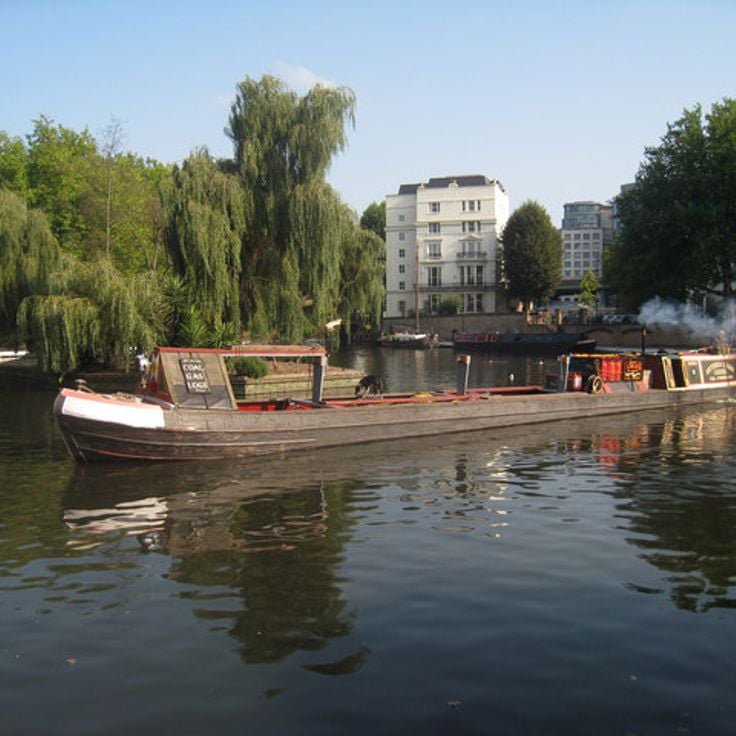
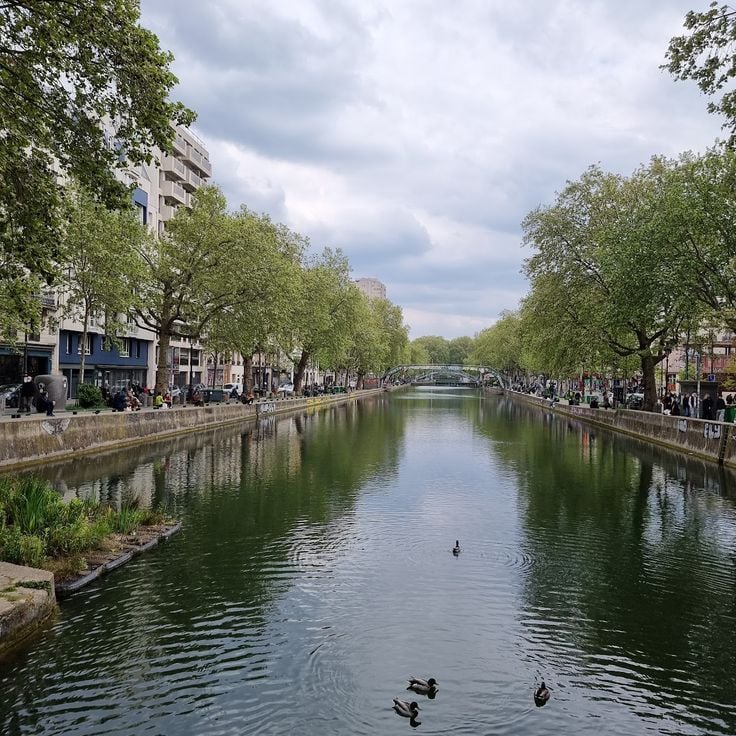
Canal Saint-Martin is a waterway running through the 10th and 11th arrondissements of Paris, connecting the River Seine to Canal de l'Ourcq. Nine locks regulate the water level along its course. The banks attract walkers who sit, read or meet friends. Small bridges cross the water, old trees line the paths. Restaurants and cafés sit in the streets behind, and locals come here to picnic on weekends. The water flows quietly, boats pass through the locks from time to time. This canal lies away from the main tourist circuits and shows everyday city life.
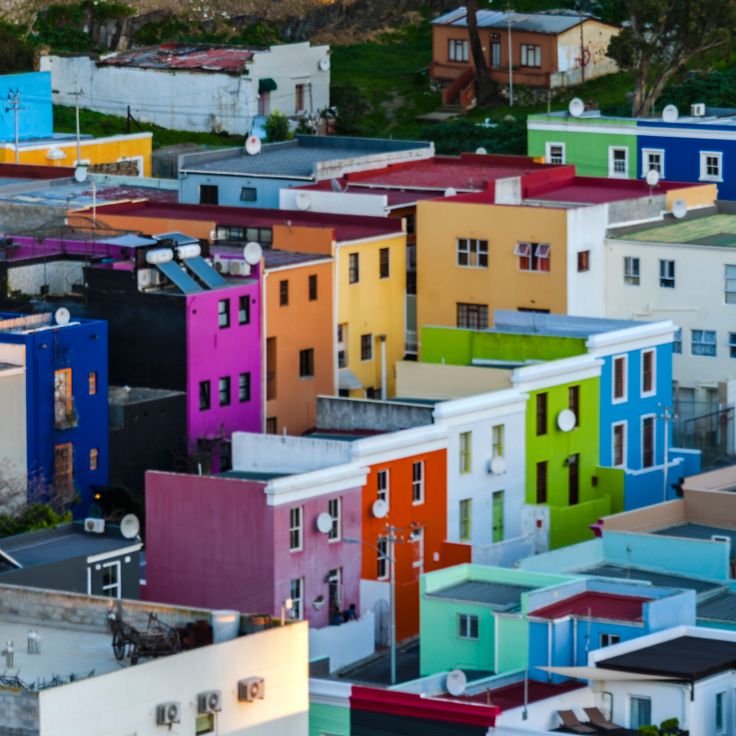
This historic neighborhood shows houses painted in bright colors – pink, blue, yellow and green sitting side by side along cobblestone streets. Bo-Kaap preserves a strong Malay-Cape Muslim identity reflected in local cooking, architecture and community life. The area developed in the 18th century when freed slaves from Malaysia and Indonesia settled here. You find small mosques, spice shops and family homes occupied for generations. On weekends the narrow lanes smell of curry and rotis. Visitors can tour the museum that tells the story of the Cape Malay community.
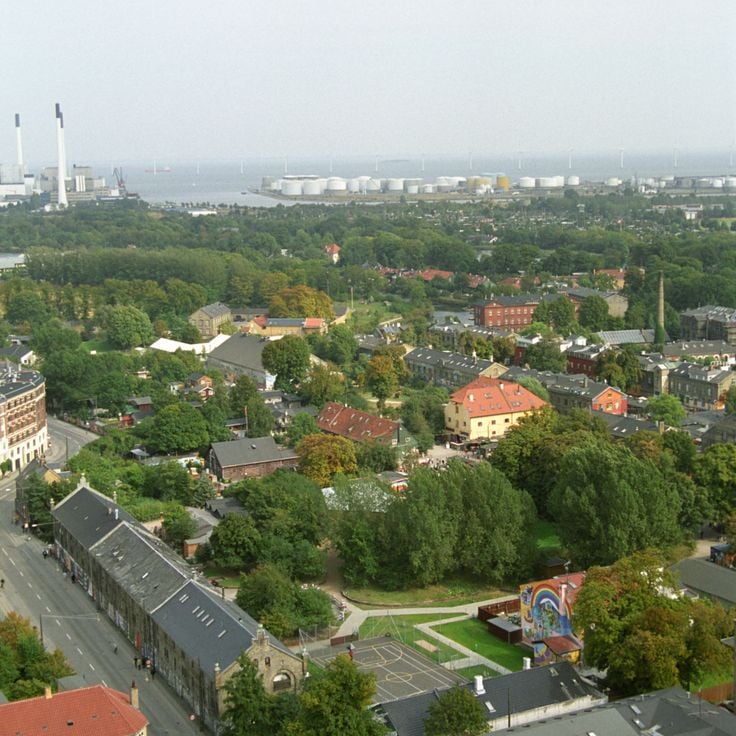
Freetown Christiania is a self-governed community in Copenhagen that formed in the 1970s on a former military base. The area features self-built homes, art and craft workshops, community initiatives, and a way of life distinct from the rest of the city. Streets wind through green courtyards, past colorful buildings and small cafés where residents and visitors gather. This place stands among the less conventional stops in the city, where alternative housing and social projects shape everyday life.
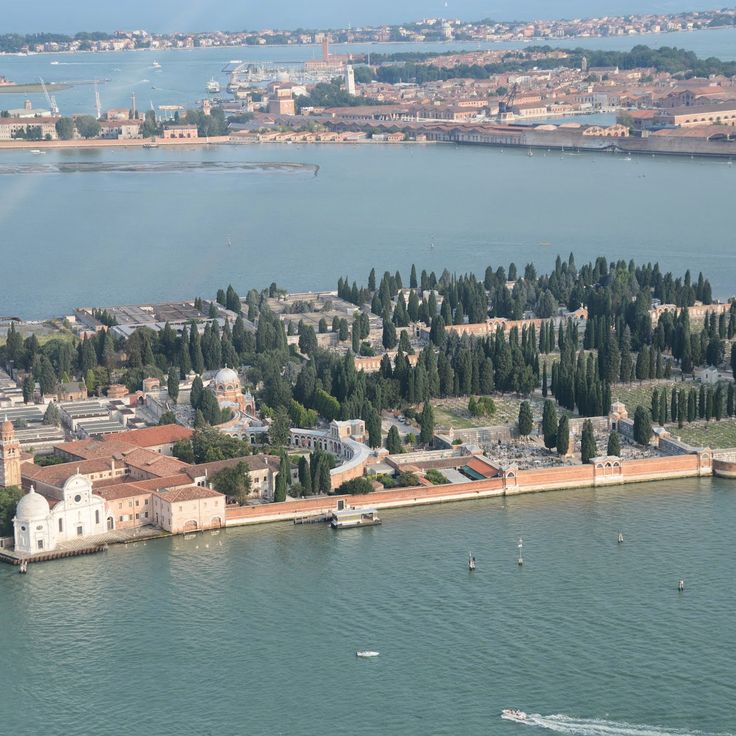
This 19th-century cemetery island sits beyond the usual tourist routes of Venice and holds the graves of Igor Stravinsky and Ezra Pound along with many other notable figures. Isola di San Michele is surrounded by cypress trees and offers a quiet place of remembrance, where tombstones and sculptures stand among tended pathways. The island is accessible by vaporetto and shows a different side of the city, away from the busy canals and squares.
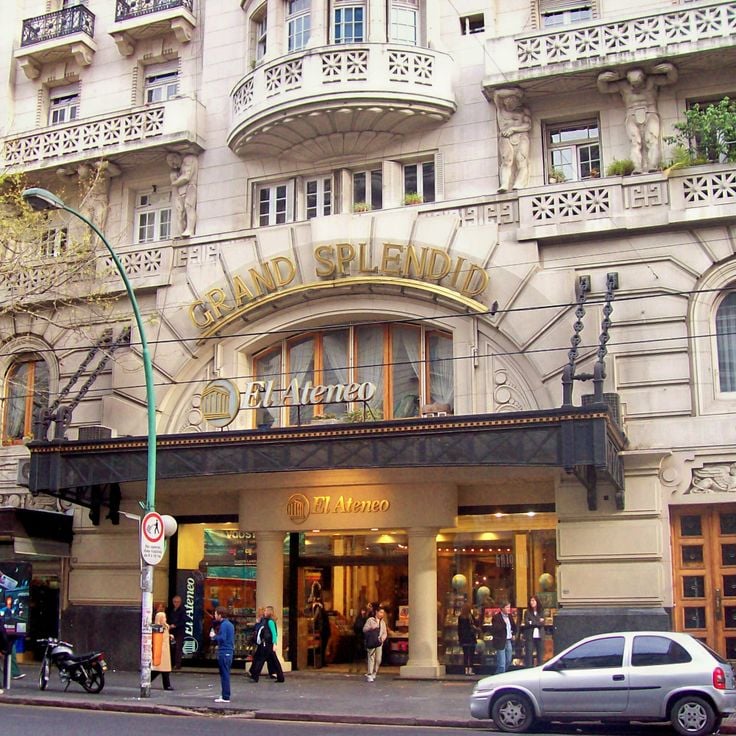
This bookstore occupies a former theater building dating back to 1919. The stage is still visible, along with the old balconies and painted ceilings. Where rows of seats once stood, shelves of books now fill the space. The building was converted, but many original elements remain. Visitors can browse through the shelves or sit on the balconies to read. The café sits where the stage used to be.
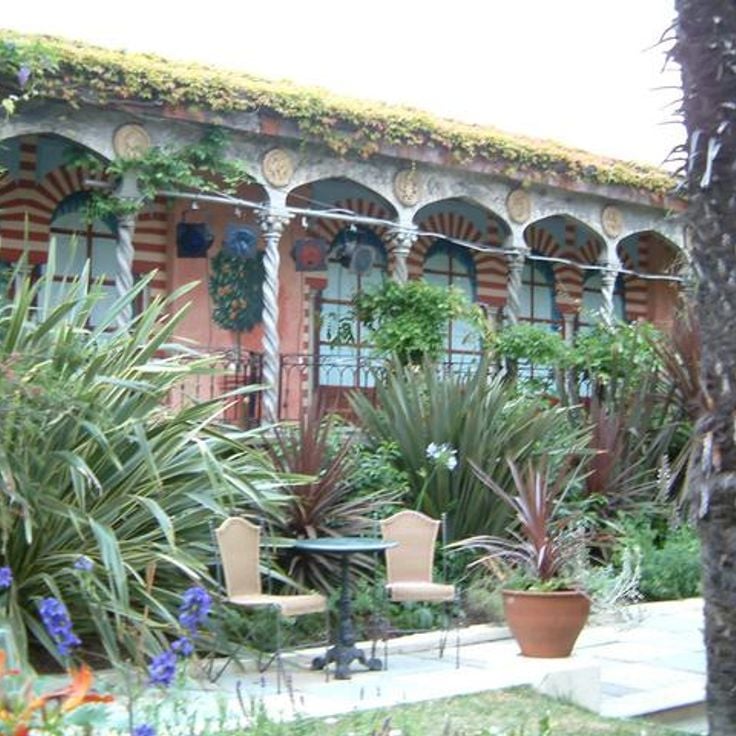
These gardens sit on the roof of a building in London and present three different styles: a Spanish section, a Tudor section, and an English garden. Trees, shrubs, and flowers grow across the space. A pond with flamingos is part of the layout. The gardens rest several stories above street level and offer a place to walk among plants and water while the city traffic flows below.
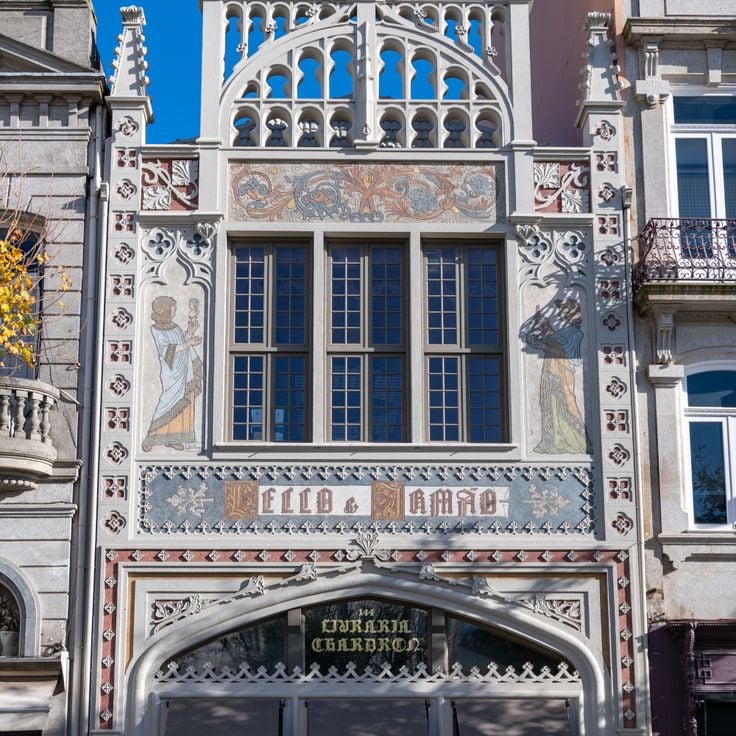
This bookstore is an example of early 20th-century neo-Gothic design in Porto. Livraria Lello opened in 1906 and features carved wooden staircases that wind through the interior, along with stained glass windows that filter daylight. The shelves are made of dark wood and reach up to the ceiling. Visitors enter a space where books and architecture merge, away from the usual tourist routes in the city.
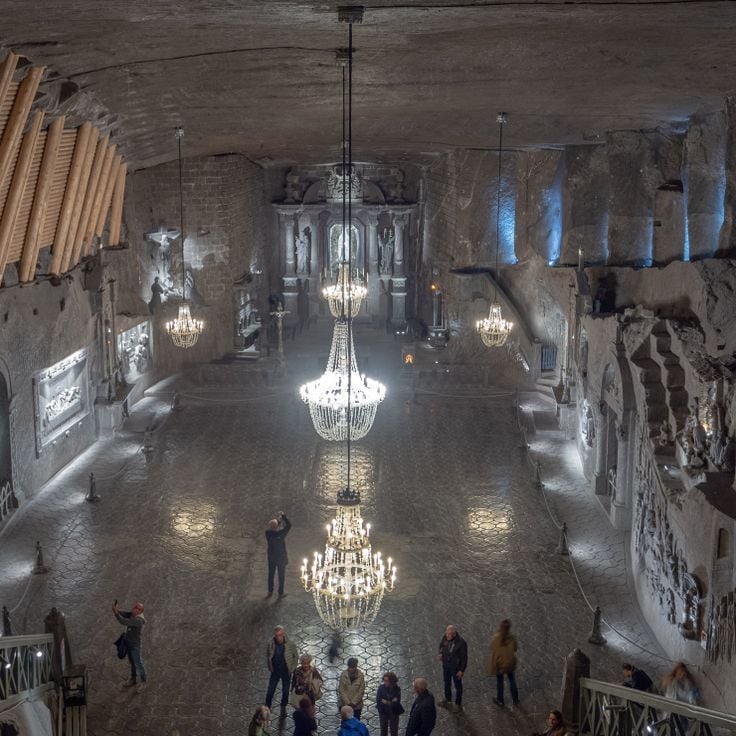
This salt mine extends across nine levels to a depth of 1,073 feet (327 meters) and contains chapels and statues carved from salt. The underground chambers lead through centuries-old tunnels where miners extracted salt over generations. The walls shimmer in shades of gray, and the air feels cool and dry. Visitors walk through rooms where intricate reliefs and altars have been carved from the rock. Some halls are large enough to hold several hundred people, and the lighting highlights the crystalline structures. Wieliczka Salt Mine sits away from regular tourist routes and shows an unusual connection between mining and religious art.
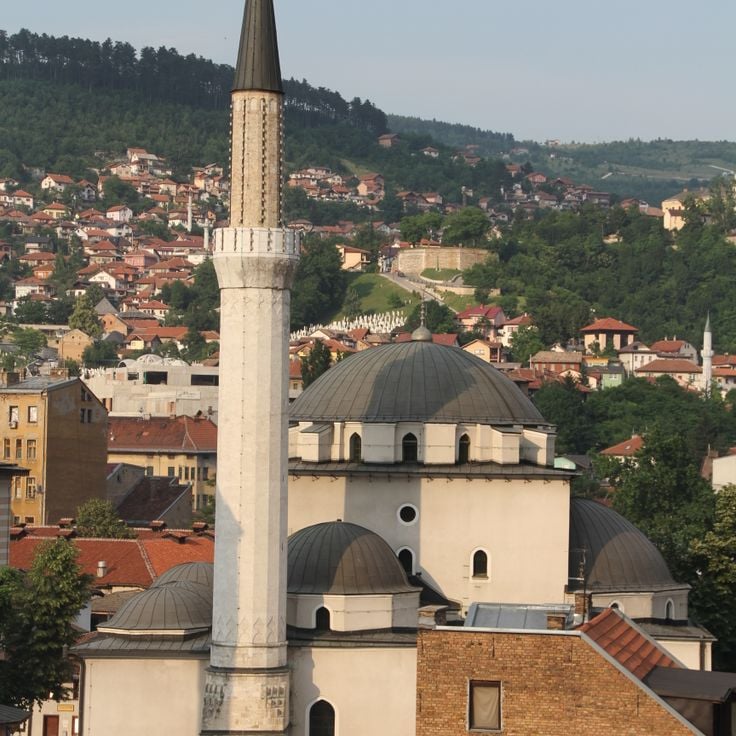
This mosque was built in the 16th century and represents Ottoman architecture in its classical form. Its minaret rises above the surrounding streets and the interior walls display calligraphic decorations. Walking through Sarajevo, you find here a place that reflects the religious life of the city and where people gather for prayer. The architecture follows the traditions of that era, with a large prayer hall and an open courtyard.
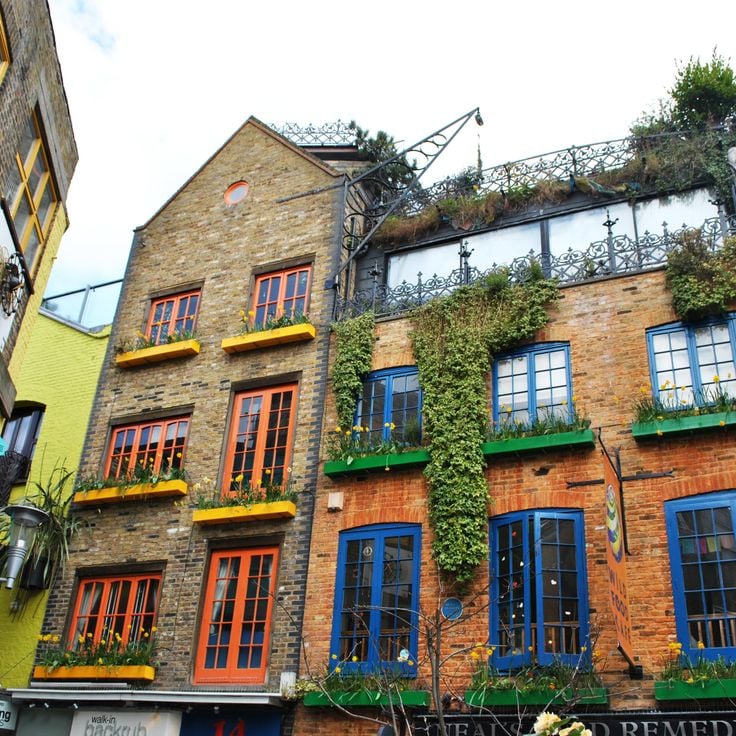
This hidden 17th century courtyard sits between the streets of Covent Garden and houses independent shops in buildings with blue, red and yellow facades. Neal's Yard began as a storage area for dairy products and developed into a center for health food stores and cafés. The colored walls form a contrast to the gray brick architecture of the surrounding area. Visitors find small shops for natural cosmetics, vegetarian restaurants and a cheese shop. Wooden crates with plants stand in front of the entrances. The courtyard lies somewhat away from the main paths and opens through narrow passages between the buildings.
This public garden occupies the former site of a Christopher Wren church, damaged in 1941. Plants grow through stone arches and window frames of the ruins, where history and nature combine into a quiet place away from regular visitor routes. The garden of St. Dunstan offers an unexpected pause between the busy streets of London, where walls and vaults from the 17th century serve as frames for flower beds and shrubs.
This lake in Tiergarten offers rowing boats for rent and a restaurant on its shore. Water birds nest on small islands within the water. The lake sits away from regular tourist routes and attracts mostly locals who walk here or go out on the water. In summer, families come to row boats, while in winter the lake often has a quiet feel. Trees line the surroundings, and walking paths run along the shore. The lake is among the less frequented spots in Berlin that still provide a pleasant visit.
This folk art space in Philadelphia contains mosaics made from tiles, bottles, bicycle wheels, and mirrors. The indoor galleries and outdoor labyrinth span half a city block. Isaiah Zagar began creating his works on building walls and public surfaces in the South Street neighborhood during the 1960s. The winding paths lead through narrow passages and across multiple levels. Ceramic shards hang on walls alongside old tools and household objects. Handwritten messages and poems appear among the mirror fragments. Visitors walk through arches made of recycled materials and under ceilings covered in colored glass pieces.
These gardens house native butterfly species in enclosed areas near mineral-rich waterfalls. Visitors can observe the complete stages of metamorphosis at the breeding station as they walk through the space. The facility is located away from regular tourist routes and offers insight into the natural development of the butterflies in a quiet setting.
This historic district sits along the canals of the Lauch and shows half-timbered houses from the 16th and 17th centuries. The buildings reflect in the water and create a calm mood. Narrow lanes run between the colorful houses, and small bridges cross the canals. You see flower boxes at the windows and hear the water flowing quietly. Fishermen and tanners lived here in earlier times, and their boats rested in front of the houses. Today people walk along the banks or sit by the water. Little Venice belongs to the older parts of Colmar and keeps the architecture of past centuries.
This former station from 1908 stands in Rotterdam and now serves as a gathering point for visitors looking for uncommon urban locations away from regular tourist routes. The building houses restaurants, offices and event spaces under a preserved railway bridge. The old structure connects historic architecture with modern city life. People come here to eat, work or attend events while the original shape of the station remains visible. The place shows how old railway buildings can take on new roles without losing their history. The bridge overhead reminds you of the trains that once stopped here.
This warehouse district from the late 19th century sits on artificial islands between narrow waterways. The brick buildings rest on oak poles driven into the mud. Low bridges and canals connect the storage houses to each other. The facades show gabled roofs and small towers in a Gothic Revival style. Flat barges tie up along the quays for loading and unloading goods. Some buildings now hold museums, offices and exhibition spaces. The streets are quiet, and the water reflects the walls. Early mornings feel almost empty, while afternoons bring visitors crossing the stone bridges. From the upper floors you can see over the rooftops toward the Elbe River.
Haw Par Villa is a theme park from 1937 that sits away from regular tourist paths. Over a thousand statues and a hundred and fifty dioramas show scenes from Asian cultural traditions and moral tales. The displays range from everyday situations to mythological stories. Visitors walk through sections with Buddhist, Taoist, and Confucian themes. Some installations feel lighthearted, others serious or unusual. The park combines sculpture, color, and architecture into an experience that is rare to find in this form.
These stone remains of a 17th century Catholic church show Portuguese architecture with Chinese motifs. The facade is all that stands after a fire in the 19th century destroyed the interior. The front wall rises freely on a plaza, and stairs lead up from the street. The carvings combine European religious symbols with Asian elements, reflecting the cultural meeting of East and West. Visitors can stand behind the facade and look through the empty window openings where the nave once was.
This open-air theater stands on Heiligenberg surrounded by forest. The Thingstätte was built in 1935 and sits away from the usual routes through Heidelberg. Wild plants grow between the stone steps. From the seating rows you can see over the trees. The climb leads through quiet forest paths. The structure feels abandoned and nature slowly takes it back. Some days hikers pass by, but most of the time the place remains empty.
This natural park lies about an hour south of Denver and shows red sandstone rocks rising up to 300 feet into the air. The grounds spread across different paths that add up to around 15 miles. Hikers find marked routes here between the formations. The rocks formed millions of years ago through tectonic shifts and erosion. Today the Garden of the Gods is a public park where visitors can walk, cycle or ride horses. Climbing is allowed in certain spots. The visitor center offers information about the geology and history of the area.
This hill in Berlin rises from rubble left after the Second World War. At the top of Teufelsberg sits an abandoned listening station built by the NSA during the Cold War, with its dome structures and radar equipment still standing. Visitors walk through empty rooms and corridors covered in graffiti art. From the summit, you can see forests and lakes stretching into the distance. The site combines history with street art and draws people looking for places beyond the usual routes through the city.
This Khmer temple stands on an extinct volcano in Buriram Province and was built in the 10th century as a Hindu sanctuary. The complex lies away from regular tourist routes and offers insight into Khmer-era construction. Stone reliefs show scenes from Hindu epics, and the structure follows the symbolic representation of Mount Meru. From its elevated position, views open over the surrounding countryside.
This early 20th-century palace sits on the edge of Sintra and combines architecture with grounds full of symbolic elements. The gardens lead through tunnels, grottoes, and wells carved into the rock. The best known is a spiral shaft that descends nine stories into the earth. Stairs wind downward, light falls through openings in the ceiling. Pathways connect different levels, some passing through narrow passages below the surface. Quinta da Regaleira stands away from the main routes through Sintra and shows a vision that weaves together nature and built structures.
This temple in Nakhon Pathom rises as a 17-story building with a distinctive exterior. A pink dragon sculpture winds in a spiral around the cylindrical structure from its base to its summit. The Wat Samphran Temple stands away from regular tourist routes and belongs to Thailand's religious sites that display an unconventional architectural design. The temple interior is accessible by stairs that pass through the dragon's body.
This gallery presents neon installations and illuminated signs from four decades of artistic work, including historic advertising pieces, contemporary art projects, and experimental light designs. The collection connects commercial history with modern artistic approaches, showing how neon light shapes urban environments. As part of a selection of less traveled urban locations in London, the Neon Art Gallery offers insight into a specialized art form that moved from the street into the museum setting.
The Vessel is a viewing platform in Hudson Yards. The metal structure rises 150 feet and consists of 154 flights of interconnected staircases with 2,500 steps. The copper-colored construction offers different angles of Manhattan as visitors climb between the connected walkways. The design resembles a honeycomb, built so people can move between the various levels. From the upper platforms, you can see the West Side skyscrapers, the Hudson River, and the streets of the neighborhood.
This public library in Mexico City spreads across several floors and holds more than one million books on open shelves that seem to float in space. The architecture uses glass and steel, allowing natural light to fill the reading rooms. Inside, a large gray whale skeleton hangs from the ceiling, and a botanical garden grows in the center of the building with trees and plants. Readers sit at long tables or in small corners between rows of books. The Biblioteca Vasconcelos opened in the 21st century in a neighborhood that was once industrial. Today, people from different parts of the city come here to read, study, or simply walk through the corridors and look at the building itself.
This open-air gallery runs for more than a kilometer along a preserved section of wall and displays paintings created by artists from different countries since the early nineties. The East Side Gallery sits beside the Spree River in a former border area and preserves murals that record political messages, personal reflections and artistic visions following the opening of the city. Visitors walk past colored concrete panels showing portraits, symbols and scenes while cyclists and pedestrians use the riverside promenade. Surrounding buildings include new apartment blocks and cafés that reflect the neighborhood's transformation.
This church from the 13th century serves as the burial site for Swedish monarchs and stands out in Stockholm with its 90-meter (295-foot) tall tower. The building sits on the island of Riddarholmen, slightly away from the main routes, and attracts visitors interested in the history of the Swedish royal families. Inside, sarcophagi and tombs from different eras tell the story of the country's political and dynastic past. The simple brick facade and dark wooden benches give the space a solemn feel. Walking through the narrow streets of the old town island, you reach the church by a short bridge and experience a piece of Swedish memorial culture.
These temples in Bagan date from between the 9th and 13th centuries and stand scattered across the wide plains. More than 2000 religious structures made of brick rise among fields and dusty paths. Some are small and simple, others reach considerable height. A few are still used by monks, while many others remain abandoned. Early in the morning, mist drifts through the landscape, and light falls through the arches and windows of the old walls.
These passageways cut through buildings in the old town and date back to the 4th century, originally serving silk merchants and later resistance fighters during World War II. The Traboules of Lyon connect streets and courtyards through winding corridors, staircases, and covered passages. They appear mainly in the Croix-Rousse and Vieux Lyon districts, where they remain part of daily life for residents. Some open onto small Renaissance courtyards with spiral staircases and galleries. Today several are accessible to the public while others stay private. They form part of the cityscape and tell the story of weavers at work and the movements of the Résistance.
This lighthouse was built in 1859 and stands 238 meters (780 feet) above sea level at the southernmost point of the African peninsula. Cape Point Lighthouse belongs to those places in Cape Town that lie away from regular tourist routes. From here, you can observe the meeting of two oceans. The tower was later replaced by a modern facility at the base of the cliff after fog often blocked the view from the high position. The climb leads through coastal vegetation and offers wide views over rocks and water.
This 18th-century square sits by the Tagus River and shows yellow facades, arcades and the triumphal arch Arco da Rua Augusta. Praça do Comércio emerged after the 1755 earthquake as the new center of the city. Under the arcades you find cafes and shops, while the statue of King José I on horseback stands in the middle. The open rectangle leads directly to the river, where ships used to dock. Today locals use the square for walks and visitors come for the view of the water and surrounding buildings.
This market in Samut Songkhram sits directly on the tracks of a working railway line. Vendors spread their goods between the rails and sell fresh fruit, vegetables, fish, and other products. When a train approaches, they pull back their stalls within seconds, the train passes through, and they return to the tracks immediately after. Trains come through several times a day, and the routine repeats each time. The stalls are covered with awnings that fold quickly. Visitors can watch the process up close and see how commerce and rail traffic fit together. The Maeklong Railway Market is an example of uncommon urban locations where everyday routines adapt to tight spatial conditions.
The High Line is a public park built on a former elevated freight railroad track running through Chelsea and West Manhattan neighborhoods. This linear garden sits above street level, connecting several blocks with walking paths, seating areas, and plantings. The park preserves the original railroad tracks and industrial structures while providing recreation space and views over the city. The transformation of a disused railway transport route into a pedestrian park created an unusual green space in a densely built area.
Canal Saint-Martin is a waterway running through the 10th and 11th arrondissements of Paris, connecting the River Seine to Canal de l'Ourcq. Nine locks regulate the water level along its course. The banks attract walkers who sit, read or meet friends. Small bridges cross the water, old trees line the paths. Restaurants and cafés sit in the streets behind, and locals come here to picnic on weekends. The water flows quietly, boats pass through the locks from time to time. This canal lies away from the main tourist circuits and shows everyday city life.
This historic neighborhood shows houses painted in bright colors – pink, blue, yellow and green sitting side by side along cobblestone streets. Bo-Kaap preserves a strong Malay-Cape Muslim identity reflected in local cooking, architecture and community life. The area developed in the 18th century when freed slaves from Malaysia and Indonesia settled here. You find small mosques, spice shops and family homes occupied for generations. On weekends the narrow lanes smell of curry and rotis. Visitors can tour the museum that tells the story of the Cape Malay community.
Freetown Christiania is a self-governed community in Copenhagen that formed in the 1970s on a former military base. The area features self-built homes, art and craft workshops, community initiatives, and a way of life distinct from the rest of the city. Streets wind through green courtyards, past colorful buildings and small cafés where residents and visitors gather. This place stands among the less conventional stops in the city, where alternative housing and social projects shape everyday life.
This 19th-century cemetery island sits beyond the usual tourist routes of Venice and holds the graves of Igor Stravinsky and Ezra Pound along with many other notable figures. Isola di San Michele is surrounded by cypress trees and offers a quiet place of remembrance, where tombstones and sculptures stand among tended pathways. The island is accessible by vaporetto and shows a different side of the city, away from the busy canals and squares.
This bookstore occupies a former theater building dating back to 1919. The stage is still visible, along with the old balconies and painted ceilings. Where rows of seats once stood, shelves of books now fill the space. The building was converted, but many original elements remain. Visitors can browse through the shelves or sit on the balconies to read. The café sits where the stage used to be.
These gardens sit on the roof of a building in London and present three different styles: a Spanish section, a Tudor section, and an English garden. Trees, shrubs, and flowers grow across the space. A pond with flamingos is part of the layout. The gardens rest several stories above street level and offer a place to walk among plants and water while the city traffic flows below.
This bookstore is an example of early 20th-century neo-Gothic design in Porto. Livraria Lello opened in 1906 and features carved wooden staircases that wind through the interior, along with stained glass windows that filter daylight. The shelves are made of dark wood and reach up to the ceiling. Visitors enter a space where books and architecture merge, away from the usual tourist routes in the city.
This salt mine extends across nine levels to a depth of 1,073 feet (327 meters) and contains chapels and statues carved from salt. The underground chambers lead through centuries-old tunnels where miners extracted salt over generations. The walls shimmer in shades of gray, and the air feels cool and dry. Visitors walk through rooms where intricate reliefs and altars have been carved from the rock. Some halls are large enough to hold several hundred people, and the lighting highlights the crystalline structures. Wieliczka Salt Mine sits away from regular tourist routes and shows an unusual connection between mining and religious art.
This mosque was built in the 16th century and represents Ottoman architecture in its classical form. Its minaret rises above the surrounding streets and the interior walls display calligraphic decorations. Walking through Sarajevo, you find here a place that reflects the religious life of the city and where people gather for prayer. The architecture follows the traditions of that era, with a large prayer hall and an open courtyard.
This hidden 17th century courtyard sits between the streets of Covent Garden and houses independent shops in buildings with blue, red and yellow facades. Neal's Yard began as a storage area for dairy products and developed into a center for health food stores and cafés. The colored walls form a contrast to the gray brick architecture of the surrounding area. Visitors find small shops for natural cosmetics, vegetarian restaurants and a cheese shop. Wooden crates with plants stand in front of the entrances. The courtyard lies somewhat away from the main paths and opens through narrow passages between the buildings.
This public garden occupies the former site of a Christopher Wren church, damaged in 1941. Plants grow through stone arches and window frames of the ruins, where history and nature combine into a quiet place away from regular visitor routes. The garden of St. Dunstan offers an unexpected pause between the busy streets of London, where walls and vaults from the 17th century serve as frames for flower beds and shrubs.
This lake in Tiergarten offers rowing boats for rent and a restaurant on its shore. Water birds nest on small islands within the water. The lake sits away from regular tourist routes and attracts mostly locals who walk here or go out on the water. In summer, families come to row boats, while in winter the lake often has a quiet feel. Trees line the surroundings, and walking paths run along the shore. The lake is among the less frequented spots in Berlin that still provide a pleasant visit.
This folk art space in Philadelphia contains mosaics made from tiles, bottles, bicycle wheels, and mirrors. The indoor galleries and outdoor labyrinth span half a city block. Isaiah Zagar began creating his works on building walls and public surfaces in the South Street neighborhood during the 1960s. The winding paths lead through narrow passages and across multiple levels. Ceramic shards hang on walls alongside old tools and household objects. Handwritten messages and poems appear among the mirror fragments. Visitors walk through arches made of recycled materials and under ceilings covered in colored glass pieces.
These gardens house native butterfly species in enclosed areas near mineral-rich waterfalls. Visitors can observe the complete stages of metamorphosis at the breeding station as they walk through the space. The facility is located away from regular tourist routes and offers insight into the natural development of the butterflies in a quiet setting.
This historic district sits along the canals of the Lauch and shows half-timbered houses from the 16th and 17th centuries. The buildings reflect in the water and create a calm mood. Narrow lanes run between the colorful houses, and small bridges cross the canals. You see flower boxes at the windows and hear the water flowing quietly. Fishermen and tanners lived here in earlier times, and their boats rested in front of the houses. Today people walk along the banks or sit by the water. Little Venice belongs to the older parts of Colmar and keeps the architecture of past centuries.
This former station from 1908 stands in Rotterdam and now serves as a gathering point for visitors looking for uncommon urban locations away from regular tourist routes. The building houses restaurants, offices and event spaces under a preserved railway bridge. The old structure connects historic architecture with modern city life. People come here to eat, work or attend events while the original shape of the station remains visible. The place shows how old railway buildings can take on new roles without losing their history. The bridge overhead reminds you of the trains that once stopped here.
This warehouse district from the late 19th century sits on artificial islands between narrow waterways. The brick buildings rest on oak poles driven into the mud. Low bridges and canals connect the storage houses to each other. The facades show gabled roofs and small towers in a Gothic Revival style. Flat barges tie up along the quays for loading and unloading goods. Some buildings now hold museums, offices and exhibition spaces. The streets are quiet, and the water reflects the walls. Early mornings feel almost empty, while afternoons bring visitors crossing the stone bridges. From the upper floors you can see over the rooftops toward the Elbe River.
Haw Par Villa is a theme park from 1937 that sits away from regular tourist paths. Over a thousand statues and a hundred and fifty dioramas show scenes from Asian cultural traditions and moral tales. The displays range from everyday situations to mythological stories. Visitors walk through sections with Buddhist, Taoist, and Confucian themes. Some installations feel lighthearted, others serious or unusual. The park combines sculpture, color, and architecture into an experience that is rare to find in this form.
These stone remains of a 17th century Catholic church show Portuguese architecture with Chinese motifs. The facade is all that stands after a fire in the 19th century destroyed the interior. The front wall rises freely on a plaza, and stairs lead up from the street. The carvings combine European religious symbols with Asian elements, reflecting the cultural meeting of East and West. Visitors can stand behind the facade and look through the empty window openings where the nave once was.
This open-air theater stands on Heiligenberg surrounded by forest. The Thingstätte was built in 1935 and sits away from the usual routes through Heidelberg. Wild plants grow between the stone steps. From the seating rows you can see over the trees. The climb leads through quiet forest paths. The structure feels abandoned and nature slowly takes it back. Some days hikers pass by, but most of the time the place remains empty.
This natural park lies about an hour south of Denver and shows red sandstone rocks rising up to 300 feet into the air. The grounds spread across different paths that add up to around 15 miles. Hikers find marked routes here between the formations. The rocks formed millions of years ago through tectonic shifts and erosion. Today the Garden of the Gods is a public park where visitors can walk, cycle or ride horses. Climbing is allowed in certain spots. The visitor center offers information about the geology and history of the area.
This hill in Berlin rises from rubble left after the Second World War. At the top of Teufelsberg sits an abandoned listening station built by the NSA during the Cold War, with its dome structures and radar equipment still standing. Visitors walk through empty rooms and corridors covered in graffiti art. From the summit, you can see forests and lakes stretching into the distance. The site combines history with street art and draws people looking for places beyond the usual routes through the city.
This Khmer temple stands on an extinct volcano in Buriram Province and was built in the 10th century as a Hindu sanctuary. The complex lies away from regular tourist routes and offers insight into Khmer-era construction. Stone reliefs show scenes from Hindu epics, and the structure follows the symbolic representation of Mount Meru. From its elevated position, views open over the surrounding countryside.
This early 20th-century palace sits on the edge of Sintra and combines architecture with grounds full of symbolic elements. The gardens lead through tunnels, grottoes, and wells carved into the rock. The best known is a spiral shaft that descends nine stories into the earth. Stairs wind downward, light falls through openings in the ceiling. Pathways connect different levels, some passing through narrow passages below the surface. Quinta da Regaleira stands away from the main routes through Sintra and shows a vision that weaves together nature and built structures.
This temple in Nakhon Pathom rises as a 17-story building with a distinctive exterior. A pink dragon sculpture winds in a spiral around the cylindrical structure from its base to its summit. The Wat Samphran Temple stands away from regular tourist routes and belongs to Thailand's religious sites that display an unconventional architectural design. The temple interior is accessible by stairs that pass through the dragon's body.
This gallery presents neon installations and illuminated signs from four decades of artistic work, including historic advertising pieces, contemporary art projects, and experimental light designs. The collection connects commercial history with modern artistic approaches, showing how neon light shapes urban environments. As part of a selection of less traveled urban locations in London, the Neon Art Gallery offers insight into a specialized art form that moved from the street into the museum setting.
The Vessel is a viewing platform in Hudson Yards. The metal structure rises 150 feet and consists of 154 flights of interconnected staircases with 2,500 steps. The copper-colored construction offers different angles of Manhattan as visitors climb between the connected walkways. The design resembles a honeycomb, built so people can move between the various levels. From the upper platforms, you can see the West Side skyscrapers, the Hudson River, and the streets of the neighborhood.
This public library in Mexico City spreads across several floors and holds more than one million books on open shelves that seem to float in space. The architecture uses glass and steel, allowing natural light to fill the reading rooms. Inside, a large gray whale skeleton hangs from the ceiling, and a botanical garden grows in the center of the building with trees and plants. Readers sit at long tables or in small corners between rows of books. The Biblioteca Vasconcelos opened in the 21st century in a neighborhood that was once industrial. Today, people from different parts of the city come here to read, study, or simply walk through the corridors and look at the building itself.
This open-air gallery runs for more than a kilometer along a preserved section of wall and displays paintings created by artists from different countries since the early nineties. The East Side Gallery sits beside the Spree River in a former border area and preserves murals that record political messages, personal reflections and artistic visions following the opening of the city. Visitors walk past colored concrete panels showing portraits, symbols and scenes while cyclists and pedestrians use the riverside promenade. Surrounding buildings include new apartment blocks and cafés that reflect the neighborhood's transformation.
This church from the 13th century serves as the burial site for Swedish monarchs and stands out in Stockholm with its 90-meter (295-foot) tall tower. The building sits on the island of Riddarholmen, slightly away from the main routes, and attracts visitors interested in the history of the Swedish royal families. Inside, sarcophagi and tombs from different eras tell the story of the country's political and dynastic past. The simple brick facade and dark wooden benches give the space a solemn feel. Walking through the narrow streets of the old town island, you reach the church by a short bridge and experience a piece of Swedish memorial culture.
These temples in Bagan date from between the 9th and 13th centuries and stand scattered across the wide plains. More than 2000 religious structures made of brick rise among fields and dusty paths. Some are small and simple, others reach considerable height. A few are still used by monks, while many others remain abandoned. Early in the morning, mist drifts through the landscape, and light falls through the arches and windows of the old walls.
These passageways cut through buildings in the old town and date back to the 4th century, originally serving silk merchants and later resistance fighters during World War II. The Traboules of Lyon connect streets and courtyards through winding corridors, staircases, and covered passages. They appear mainly in the Croix-Rousse and Vieux Lyon districts, where they remain part of daily life for residents. Some open onto small Renaissance courtyards with spiral staircases and galleries. Today several are accessible to the public while others stay private. They form part of the cityscape and tell the story of weavers at work and the movements of the Résistance.
This lighthouse was built in 1859 and stands 238 meters (780 feet) above sea level at the southernmost point of the African peninsula. Cape Point Lighthouse belongs to those places in Cape Town that lie away from regular tourist routes. From here, you can observe the meeting of two oceans. The tower was later replaced by a modern facility at the base of the cliff after fog often blocked the view from the high position. The climb leads through coastal vegetation and offers wide views over rocks and water.
This 18th-century square sits by the Tagus River and shows yellow facades, arcades and the triumphal arch Arco da Rua Augusta. Praça do Comércio emerged after the 1755 earthquake as the new center of the city. Under the arcades you find cafes and shops, while the statue of King José I on horseback stands in the middle. The open rectangle leads directly to the river, where ships used to dock. Today locals use the square for walks and visitors come for the view of the water and surrounding buildings.
This market in Samut Songkhram sits directly on the tracks of a working railway line. Vendors spread their goods between the rails and sell fresh fruit, vegetables, fish, and other products. When a train approaches, they pull back their stalls within seconds, the train passes through, and they return to the tracks immediately after. Trains come through several times a day, and the routine repeats each time. The stalls are covered with awnings that fold quickly. Visitors can watch the process up close and see how commerce and rail traffic fit together. The Maeklong Railway Market is an example of uncommon urban locations where everyday routines adapt to tight spatial conditions.
The High Line is a public park built on a former elevated freight railroad track running through Chelsea and West Manhattan neighborhoods. This linear garden sits above street level, connecting several blocks with walking paths, seating areas, and plantings. The park preserves the original railroad tracks and industrial structures while providing recreation space and views over the city. The transformation of a disused railway transport route into a pedestrian park created an unusual green space in a densely built area.
Canal Saint-Martin is a waterway running through the 10th and 11th arrondissements of Paris, connecting the River Seine to Canal de l'Ourcq. Nine locks regulate the water level along its course. The banks attract walkers who sit, read or meet friends. Small bridges cross the water, old trees line the paths. Restaurants and cafés sit in the streets behind, and locals come here to picnic on weekends. The water flows quietly, boats pass through the locks from time to time. This canal lies away from the main tourist circuits and shows everyday city life.
This historic neighborhood shows houses painted in bright colors – pink, blue, yellow and green sitting side by side along cobblestone streets. Bo-Kaap preserves a strong Malay-Cape Muslim identity reflected in local cooking, architecture and community life. The area developed in the 18th century when freed slaves from Malaysia and Indonesia settled here. You find small mosques, spice shops and family homes occupied for generations. On weekends the narrow lanes smell of curry and rotis. Visitors can tour the museum that tells the story of the Cape Malay community.
Freetown Christiania is a self-governed community in Copenhagen that formed in the 1970s on a former military base. The area features self-built homes, art and craft workshops, community initiatives, and a way of life distinct from the rest of the city. Streets wind through green courtyards, past colorful buildings and small cafés where residents and visitors gather. This place stands among the less conventional stops in the city, where alternative housing and social projects shape everyday life.
This 19th-century cemetery island sits beyond the usual tourist routes of Venice and holds the graves of Igor Stravinsky and Ezra Pound along with many other notable figures. Isola di San Michele is surrounded by cypress trees and offers a quiet place of remembrance, where tombstones and sculptures stand among tended pathways. The island is accessible by vaporetto and shows a different side of the city, away from the busy canals and squares.
This bookstore occupies a former theater building dating back to 1919. The stage is still visible, along with the old balconies and painted ceilings. Where rows of seats once stood, shelves of books now fill the space. The building was converted, but many original elements remain. Visitors can browse through the shelves or sit on the balconies to read. The café sits where the stage used to be.
These gardens sit on the roof of a building in London and present three different styles: a Spanish section, a Tudor section, and an English garden. Trees, shrubs, and flowers grow across the space. A pond with flamingos is part of the layout. The gardens rest several stories above street level and offer a place to walk among plants and water while the city traffic flows below.
This bookstore is an example of early 20th-century neo-Gothic design in Porto. Livraria Lello opened in 1906 and features carved wooden staircases that wind through the interior, along with stained glass windows that filter daylight. The shelves are made of dark wood and reach up to the ceiling. Visitors enter a space where books and architecture merge, away from the usual tourist routes in the city.
This salt mine extends across nine levels to a depth of 1,073 feet (327 meters) and contains chapels and statues carved from salt. The underground chambers lead through centuries-old tunnels where miners extracted salt over generations. The walls shimmer in shades of gray, and the air feels cool and dry. Visitors walk through rooms where intricate reliefs and altars have been carved from the rock. Some halls are large enough to hold several hundred people, and the lighting highlights the crystalline structures. Wieliczka Salt Mine sits away from regular tourist routes and shows an unusual connection between mining and religious art.
This mosque was built in the 16th century and represents Ottoman architecture in its classical form. Its minaret rises above the surrounding streets and the interior walls display calligraphic decorations. Walking through Sarajevo, you find here a place that reflects the religious life of the city and where people gather for prayer. The architecture follows the traditions of that era, with a large prayer hall and an open courtyard.
This hidden 17th century courtyard sits between the streets of Covent Garden and houses independent shops in buildings with blue, red and yellow facades. Neal's Yard began as a storage area for dairy products and developed into a center for health food stores and cafés. The colored walls form a contrast to the gray brick architecture of the surrounding area. Visitors find small shops for natural cosmetics, vegetarian restaurants and a cheese shop. Wooden crates with plants stand in front of the entrances. The courtyard lies somewhat away from the main paths and opens through narrow passages between the buildings.