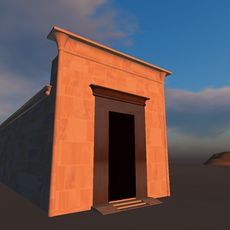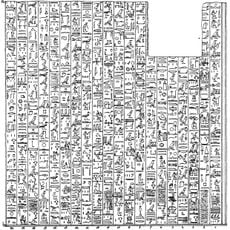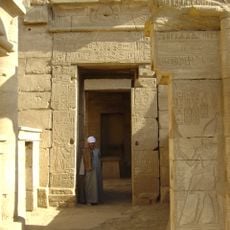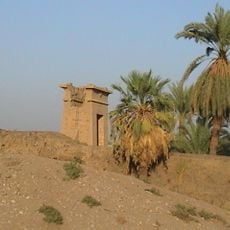
Karnak Temple Complex, Temple complex in Karnak, Luxor Governorate, Egypt
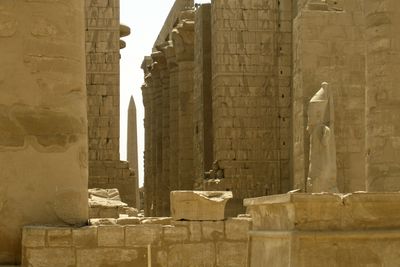
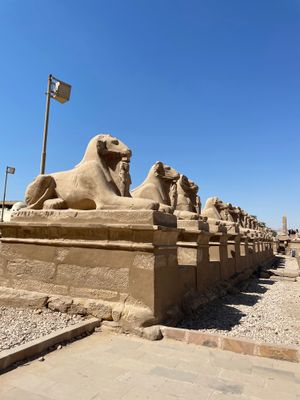
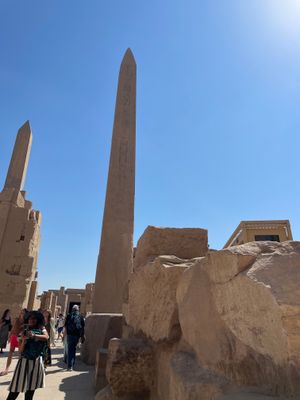
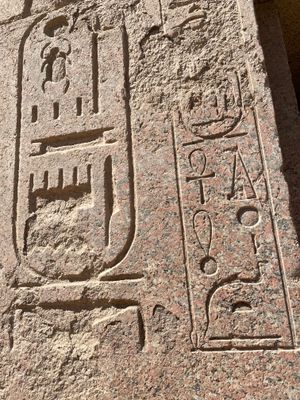
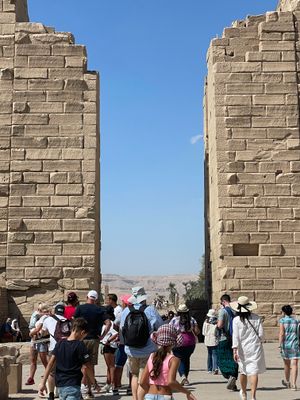
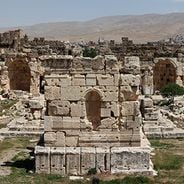
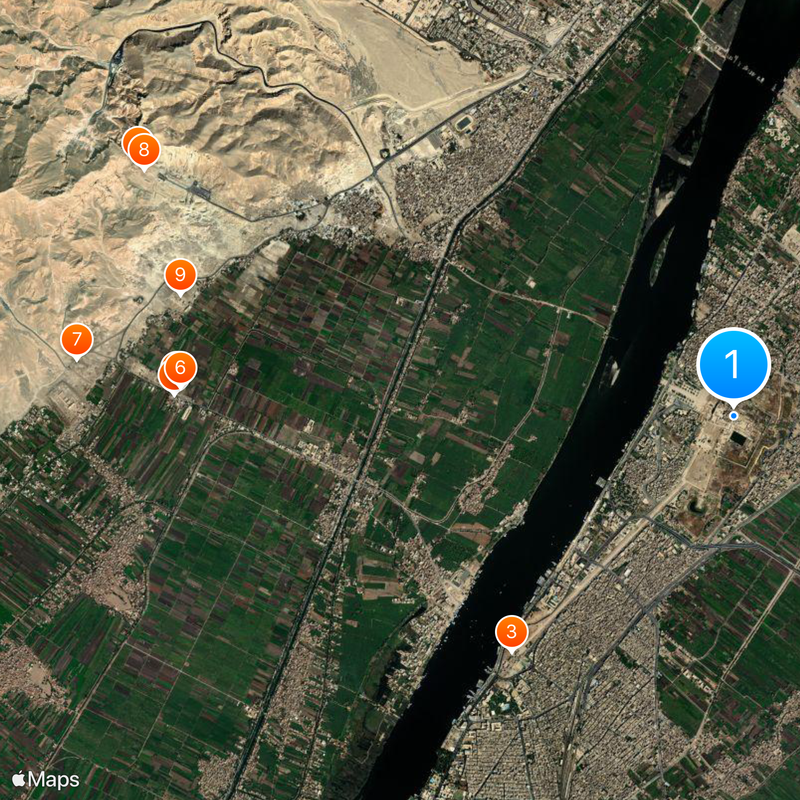
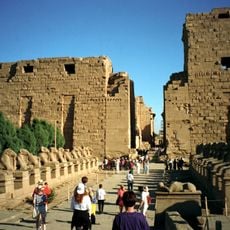
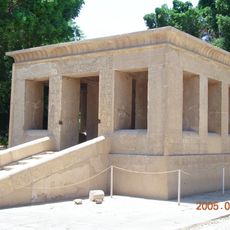
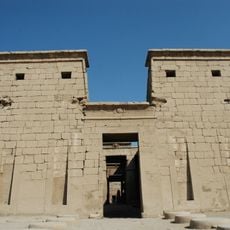
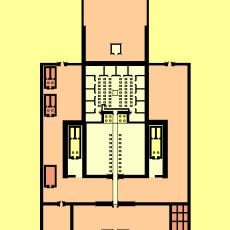
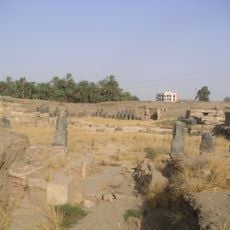
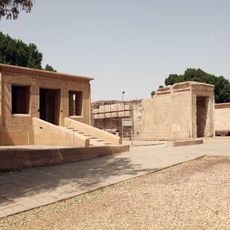
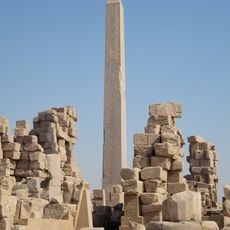
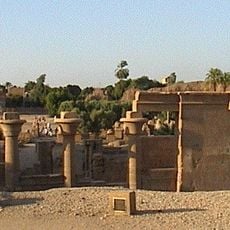
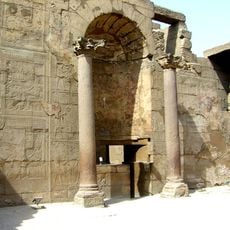
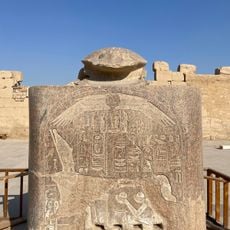
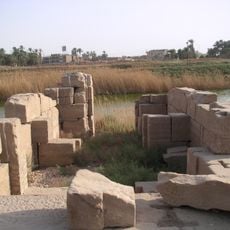
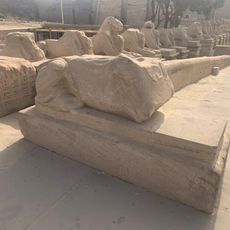
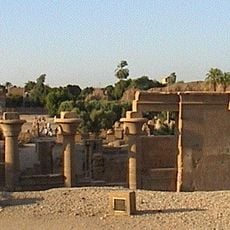
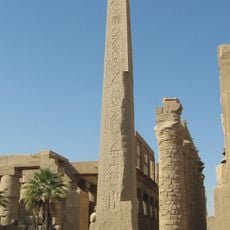
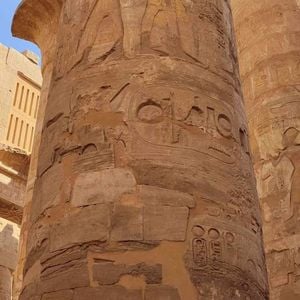
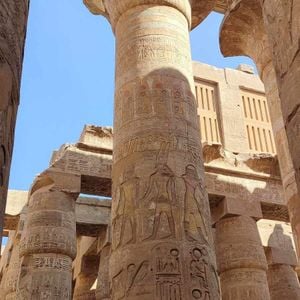
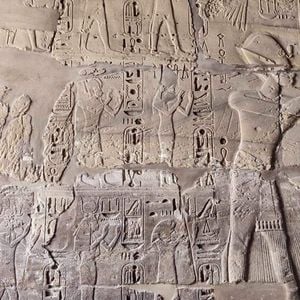
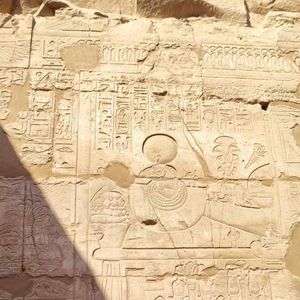
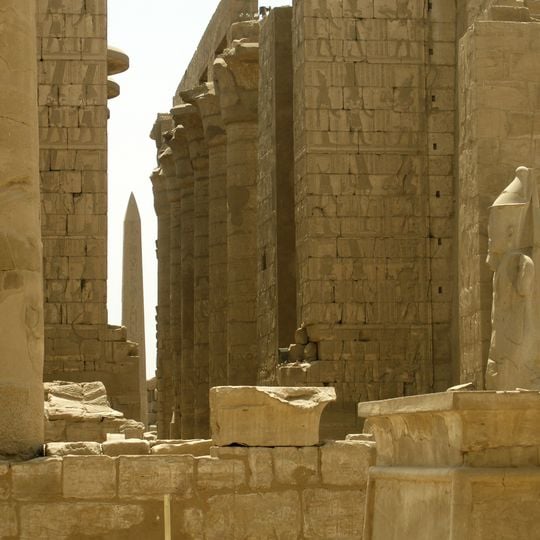
Karnak Temple Complex is an archaeological site in Luxor, Egypt, covering more than 200 acres and featuring several temple precincts, monumental gateways, freestanding stone pillars, and ceremonial buildings along the Nile. The central precinct of Amun-Re forms the main section of the site, with enormous column halls, pharaoh statues, and wall reliefs showing gods, rulers, and religious scenes.
Pharaoh Senusret I began building the complex around 2000 BCE during the Middle Kingdom. Thirty successive rulers added new structures, columns, and shrines over more than fifteen centuries.
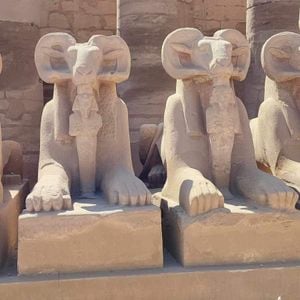
The name Karnak comes from el-Karnak, the nearby village whose Arabic name means "fortified village". The temple's ancient Egyptian name was Ipet-isut, "The Most Select of Places". Amun, the chief god worshipped here, was identified with the ram and the goose; his name means "the hidden one".
The Precinct of Amun-Re opens daily and offers shaded areas under the column halls and a marked walking route through the main structures. The grounds are mostly flat, but distances between structures can be tiring in heat, so an early morning visit is advisable.
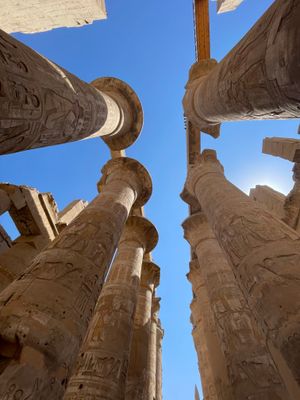
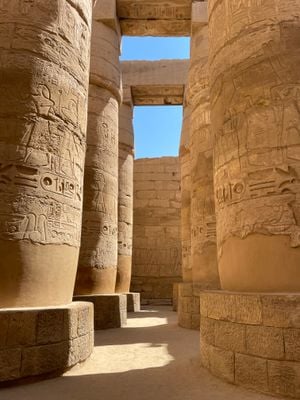
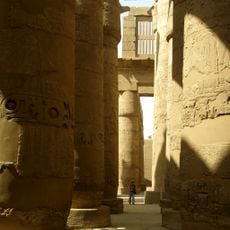
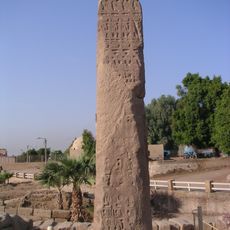
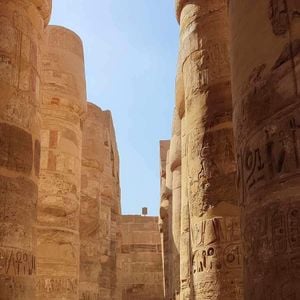
The Great Hypostyle Hall covers 5,000 m2 with 134 columns in 16 rows; the 12 central columns are 21 m tall and over 3 m in diameter, and the architraves above them are estimated to weigh 70 tons. An unfinished pillar elsewhere in the complex shows how drums were carved after being stacked in place.
The community of curious travelers
AroundUs brings together thousands of curated places, local tips, and hidden gems, enriched daily by 92,203 contributors worldwide.