Karnak, town in Egypt
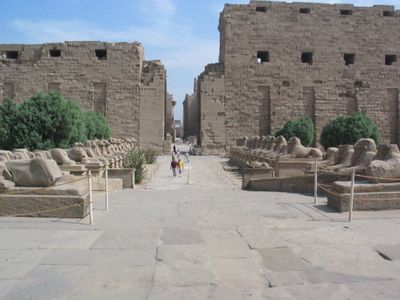
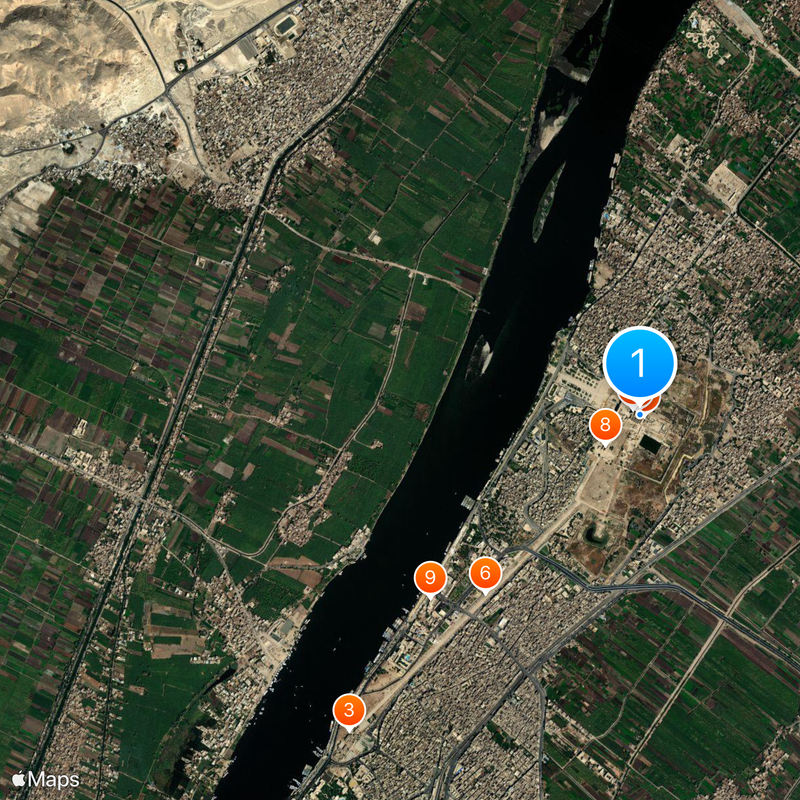
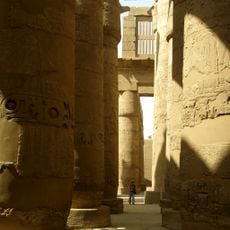
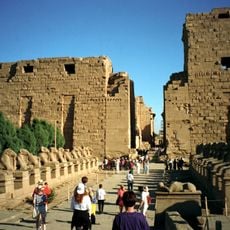
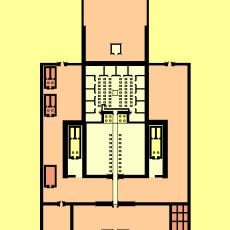
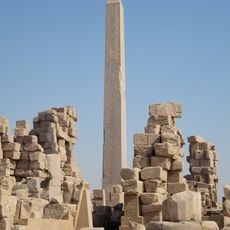
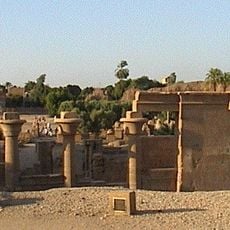
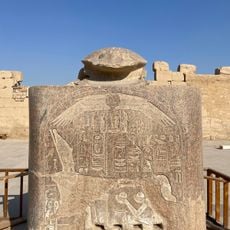
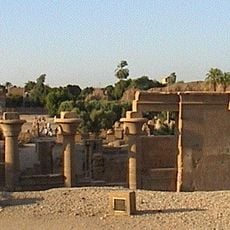
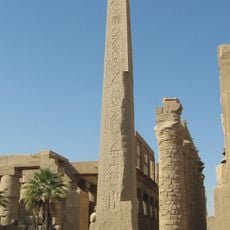
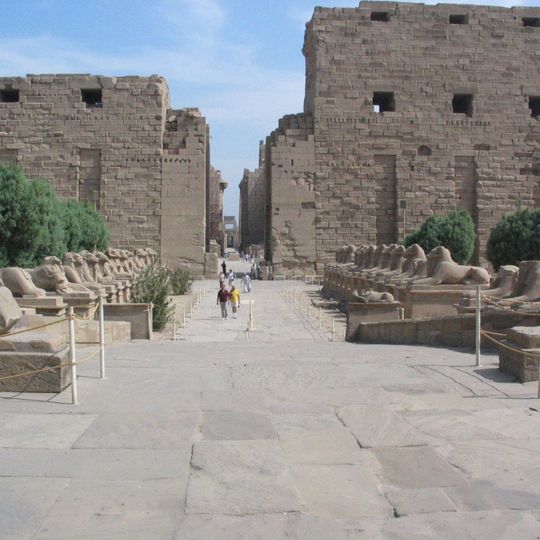
Karnak is a large temple complex on the east bank of the Nile near Luxor containing multiple structures built over many centuries. The site features massive gateways, courtyards, the famous Hypostyle Hall with 134 stone columns, two red granite obelisks, and a sacred lake arranged along an east-west axis that reflects the sun's path.
Construction at Karnak began around 2000 BC during the Middle Kingdom and continued through the New Kingdom, with many pharaohs including Hatshepsut and Ramses II adding their own structures. The site rose in importance as the city of Thebes became Egypt's capital and remained a major religious center until the Roman period, after which it gradually fell into disrepair.
Karnak was known as Ipet-Sut in ancient times, meaning 'The Most Select of Places,' reflecting how sacred the site was to Egyptian worshippers. Priests performed daily rituals here, and the complex served as a center where divine and earthly authority came together through ceremonies and celebrations.
Wear comfortable shoes and bring water as exploring the site takes time and involves walking on dusty ground. The best time to visit is during cooler months, and the area is easily accessible from Luxor with guided tours available to explain the significance of different structures.
The massive Hypostyle Hall was built with 134 columns made of stacked stone drums that ancient workers placed using ramps and levers without modern machinery. This achievement reveals the remarkable construction skills and technical knowledge of ancient builders in moving and organizing massive stones.
The community of curious travelers
AroundUs brings together thousands of curated places, local tips, and hidden gems, enriched daily by 91,480 contributors worldwide.