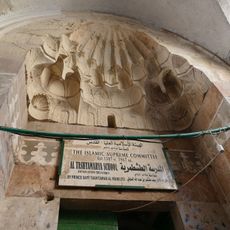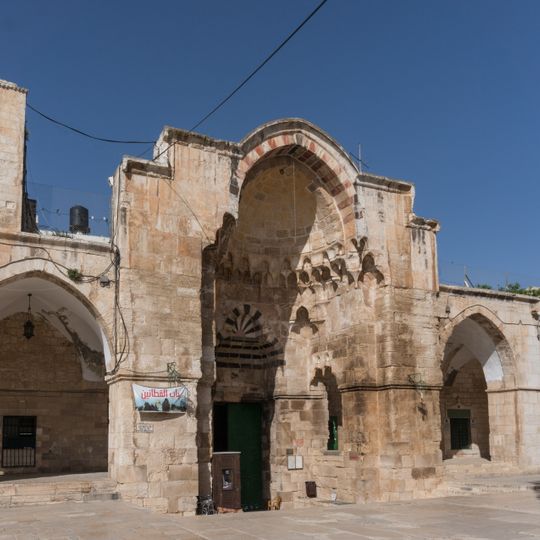
Al-Khatuniyya Madrasa, former school in Jerusalem
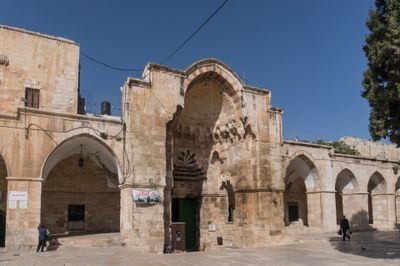
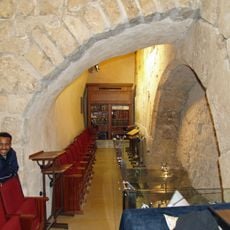
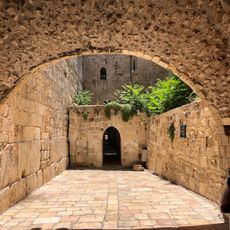
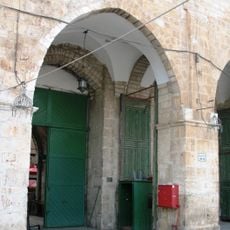
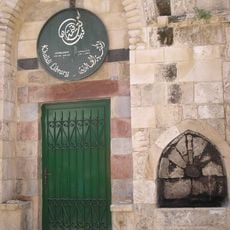
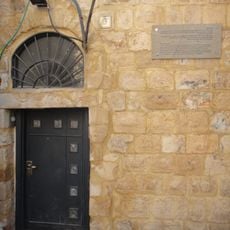
Al-Khatuniyya Madrasa is a two-storey stone structure from the Mamluk period in East Jerusalem, organized around a central courtyard with a water well. The building features small windows, a modest black door, and simple rooms that once served for teaching and residence, with upper floors added later.
Founded in the 13th or 14th century by Oghul Khatun and later supported by her daughter Isfahan Khatun, the madrasa served as a center for religious learning. Several important Palestinian leaders and figures were eventually buried within its walls, making it a site of historical and political significance.
The madrasa was founded by a wealthy woman named Oghul Khatun, reflecting her role as a patron of education in the community. Today it functions primarily as a burial site for several important figures who shaped the history and politics of Jerusalem.
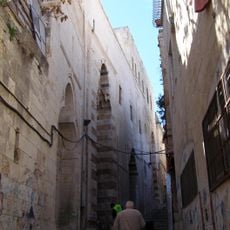
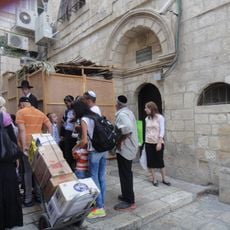
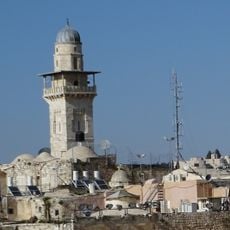
The site sits in a narrow passage near Bab al-Hadid, close to the al-Aqsa Mosque and somewhat tucked between other religious structures. Access may be restricted since it functions as a private residence, so visitors should check ahead or view it from outside.
Inside lie the tombs of several remarkable figures, including an Indian prince who supported Palestinian causes and the founder of the Arab Bank. This unexpected mix of burials reveals the site's broad historical and international significance.
The community of curious travelers
AroundUs brings together thousands of curated places, local tips, and hidden gems, enriched daily by 90,910 contributors worldwide.