Basilica of San Vitale

Log in to your account

AroundUs is a community-driven map of interesting places, built by curious explorers like you. It grows with every review, story, and photo you share.
Connect to save your favorite spots, contribute locations, and create personalized routes.
By continuing, you accept our Terms and Conditions and our Privacy Policy
Add to collection
Map
Suggest a change
Share

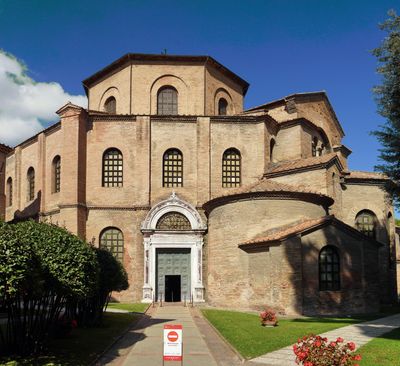
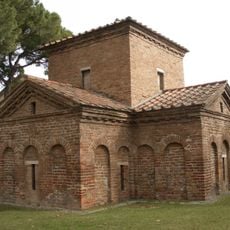
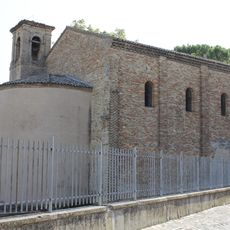
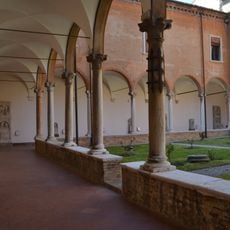
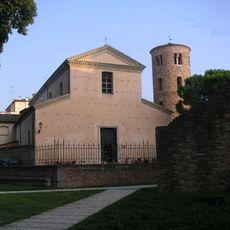
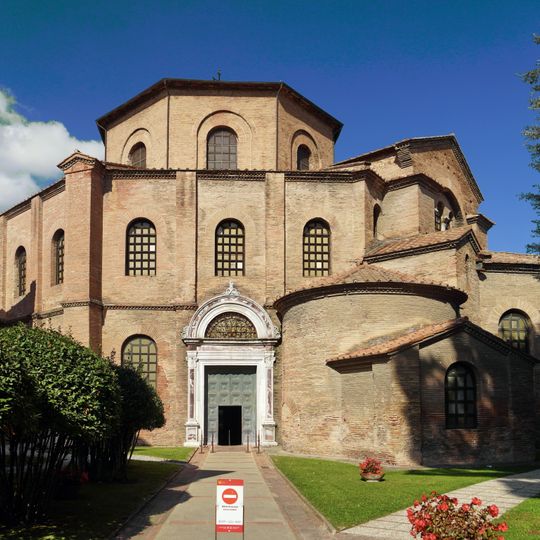
Basilica of San Vitale, Byzantine church in Ravenna, Italy.

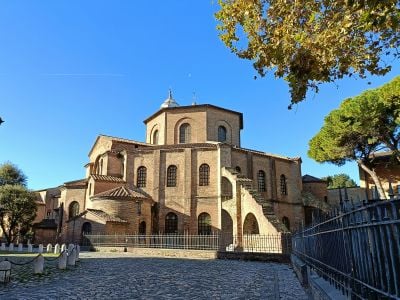
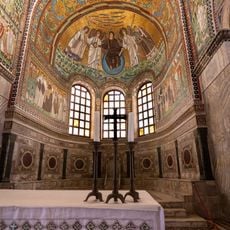
San Vitale is an octagonal basilica in Ravenna, Italy, known for its extensive mosaics and central dome. Eight massive pillars support the dome and connect through arches, while marble columns line the lower levels.

Construction began in 526 under Bishop Ecclesius and was completed in 547 during the reign of Emperor Justinian I. The church was built when Ravenna belonged to the Byzantine Empire and served as a bridge between East and West.

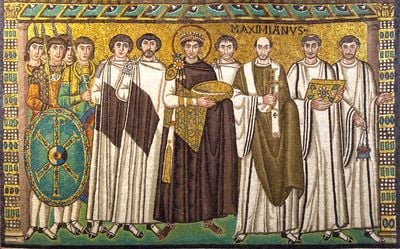
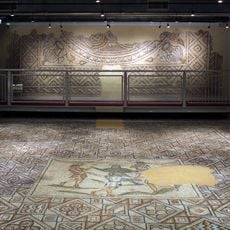
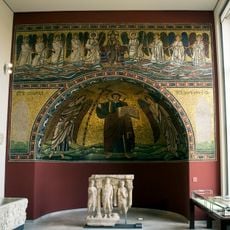
The names of patrons appear in wall mosaics where real faces from the sixth century look directly at visitors. These portraits of emperors, bishops and courtiers convey a sense of power and ceremony from the time when Ravenna served as a capital.

The basilica opens daily for visitors, with certain times reserved for religious services. Guided tours in several languages help interpret the mosaics and architecture.

The dome construction uses hollow tubes in its structure, an early building innovation that anticipated modern clay tile forms. This technique reduced the weight of the dome and allowed for a slimmer construction.

Location: Ravenna

Inception: 6 century

Architectural style: Byzantine architecture

Accessibility: Wheelchair accessible

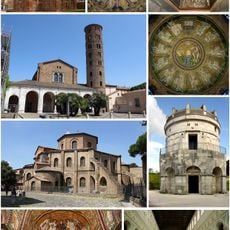
Part of: Early Christian Monuments of Ravenna, Basilica di San Vitale e Mausoleo di Galla Placidia

Address: via San Vitale, 17 ‒ 48121 Ravenna (RA)

Website: https://ravennamosaici.it/basilica-di-san-vitale

GPS coordinates: 44.42056,12.19639

Latest update: December 4, 2025 19:04

Stone mosaics in buildings around the world

Stone mosaics adorn buildings across continents, offering insights into the artistic traditions of different eras. Roman floor mosaics feature mythological scenes and geometric patterns in villas and public baths. Byzantine wall mosaics in churches depict religious figures using gold tesserae, while Islamic mosaics in mosques and palaces showcase intricate geometric and floral compositions. Examples of this art form can be found at Hagia Sophia in Istanbul, where Christian and Islamic elements coexist, in the early Christian basilicas of Ravenna with their detailed biblical narratives, and at the Dome of the Rock in Jerusalem with its elaborate arabesques. Modern interpretations appear in subway stations, public squares, and contemporary buildings, demonstrating the continued relevance of this technique.

Reviews

Visited this place? Tap the stars to rate it and share your experience / photos with the community! Try now! You can cancel it anytime.

« Basilica of San Vitale - Byzantine church in Ravenna, Italy » is provided by Around Us (aroundus.com). Images and texts are derived from Wikimedia project under a Creative Commons license. You are allowed to copy, distribute, and modify copies of this page, under the conditions set by the license, as long as this note is clearly visible.

Discover hidden gems everywhere you go!

From secret cafés to breathtaking viewpoints, skip the crowded tourist spots and find places that match your style. Our app makes it easy with voice search, smart filtering, route optimization, and insider tips from travelers worldwide. Download now for the complete mobile experience.

Around Us App Screenshot

A unique approach to discovering new places

Le Figaro

All the places worth exploring

France Info

A tailor-made excursion in just a few clicks

20 Minutes