Ravenna, Ancient capital in Emilia-Romagna, Italy
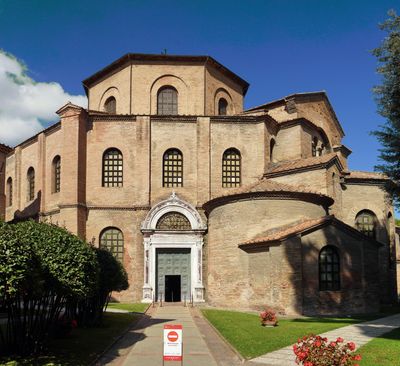
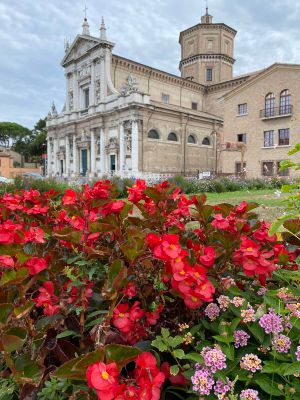
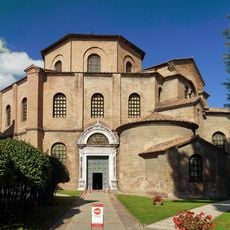
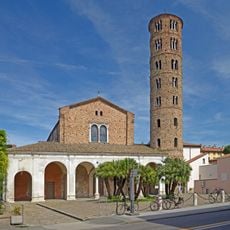
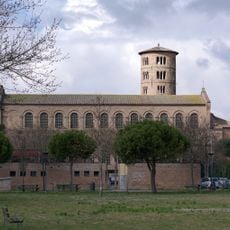
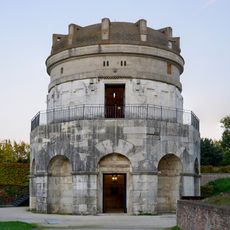
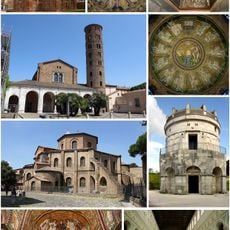
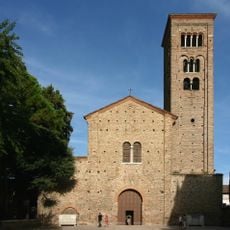
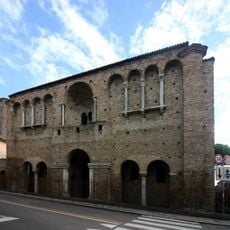
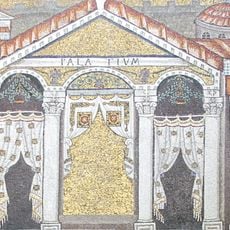
Ravenna is a city in the Emilia-Romagna region of northeastern Italy, known for its Early Christian churches and Byzantine architecture. The urban area includes eight monuments from the 5th and 6th centuries, their interiors decorated with colored glass tile work.
The city became the seat of the Western Roman Empire in 402, after Milan was deemed too vulnerable. Following the fall of the western empire, Byzantine rulers took control and established it as the center of their Italian territories until the 8th century.
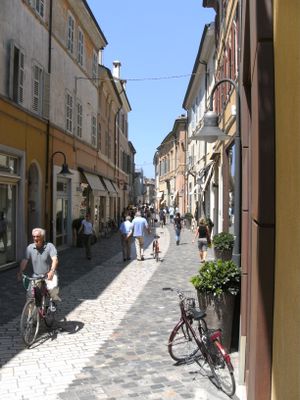
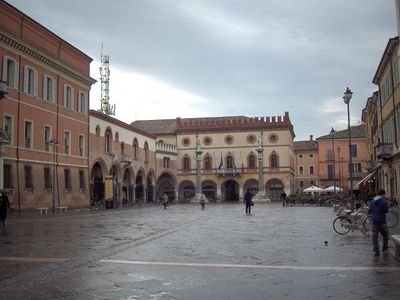
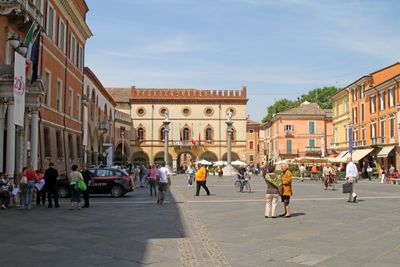
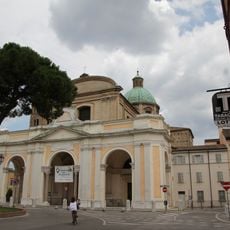
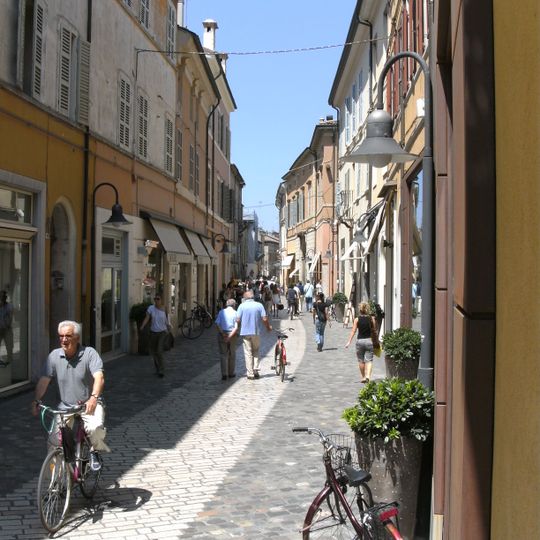
Visitors can see Early Christian religious buildings throughout the city center, still used today for worship and cultural events. Local residents maintain a strong connection to these sites, blending everyday life with a tradition of sacred art that spans over a thousand years.
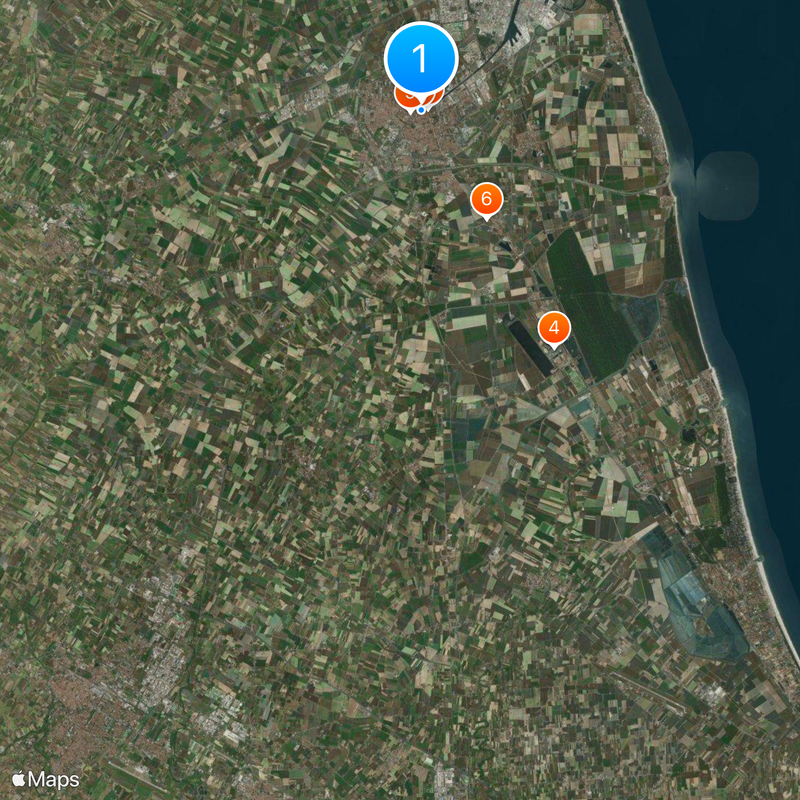
The train station sits about 1 km (0.6 miles) east of the historic center and offers regular connections to Bologna. Most monuments are within walking distance in a compact area, allowing visitors to explore them over one or two days.
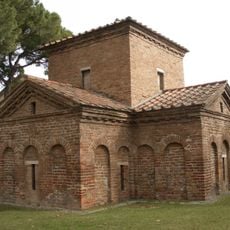
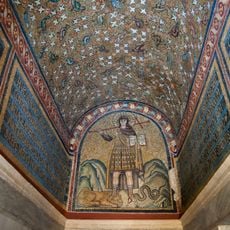
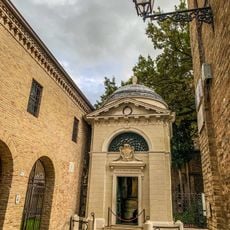
The burial complex of Galla Placidia displays a deep blue starlit ceiling vault inside, dating from the mid-5th century. This small brick structure appears plain from the outside but houses the oldest surviving glass tile work in the city.
The community of curious travelers
AroundUs brings together thousands of curated places, local tips, and hidden gems, enriched daily by 91,252 contributors worldwide.