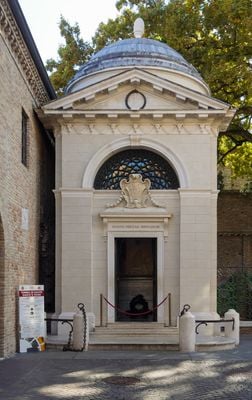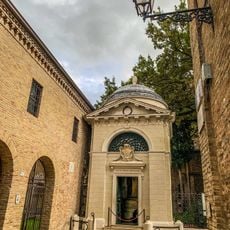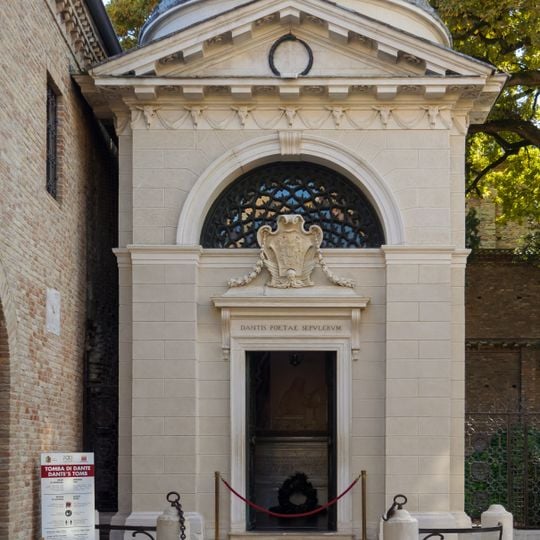
Dante Alighieri's tomb, Neoclassical mausoleum in Ravenna, Italy
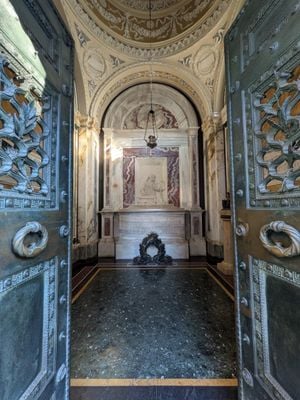
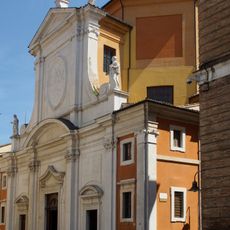
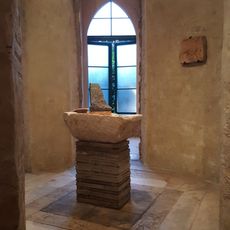
The tomb of Dante Alighieri is a square neoclassical temple built in 1780–81 by Camillo Morigia above a 15th-century structure. Its cream-stone facade has a triangular pediment, a round-headed arch with metal lattice, and the Latin inscription "DANTIS POETAE SEPULCRUM". Inside, a Roman sarcophagus with a Latin epitaph lies beneath Pietro Lombardo's 1483 bas-relief of Dante reading at a lectern.
Architect Camillo Morigia designed the mausoleum between 1780 and 1781, replacing earlier structures. Dante died in Ravenna in 1321 after exile from Florence, and the city has preserved his remains since that time.
Every year on the second Sunday of September, Florence's mayor hands an ampoule of Tuscan olive oil to Ravenna's mayor before the tomb, a rite held since 1908; the oil feeds the votive lamp. A silver ampoule donated in 1908 by Trieste, Trento, Gorizia and the Istrian and Dalmatian provinces rests on a Karst alabaster column with a silver garland from Fiume.
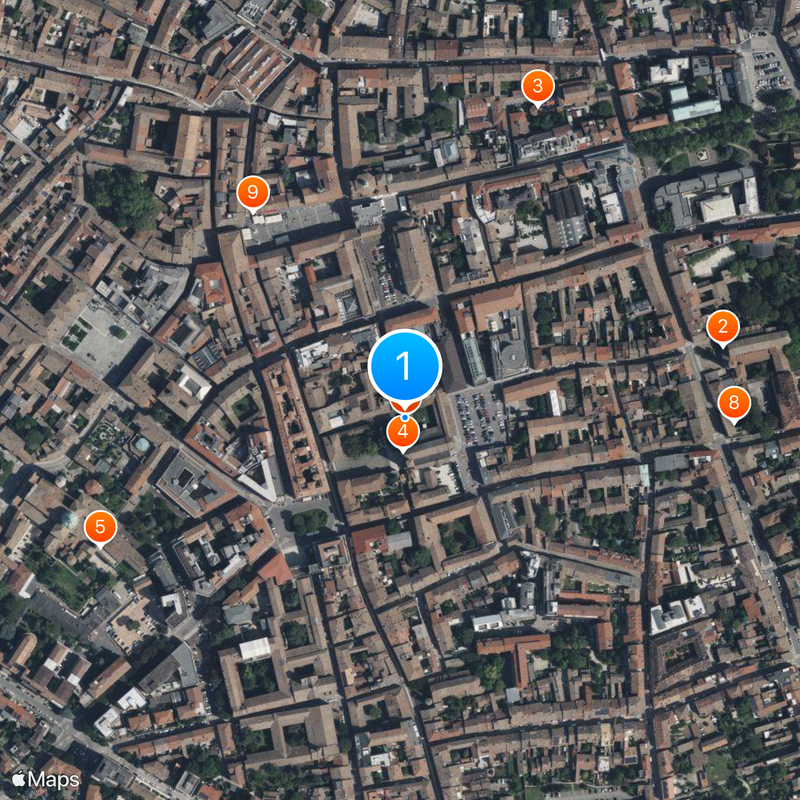
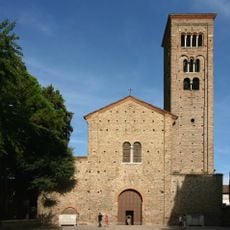
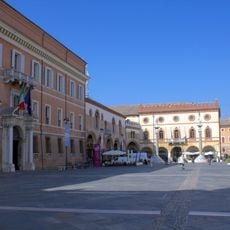
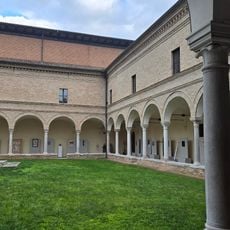
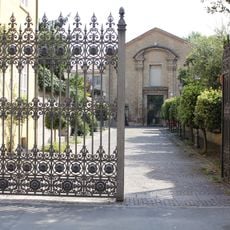
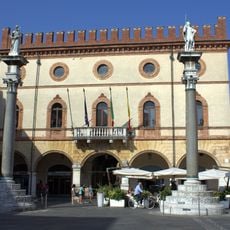
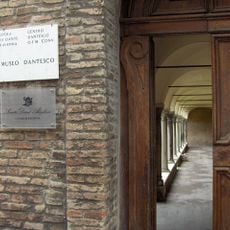
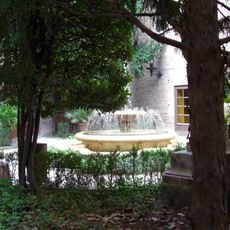
The tomb stands in Ravenna's pedestrian "zona dantesca", where traffic has been banned since 1936 and visitors are asked to keep silent. The garden on the monument's right, closed since 1921 by Umberto Bellotto's wrought-iron gate, is traditionally named after the Quadrarco di Braccioforte, an open space once part of the Franciscan cloister and now bordered by a colonnade on one side.
An oil lamp inside burns constantly with oil from the Tuscan hills, donated each September by Florence. This gesture recalls the poet's homeland and his death date.
The community of curious travelers
AroundUs brings together thousands of curated places, local tips, and hidden gems, enriched daily by 95,654 contributors worldwide.