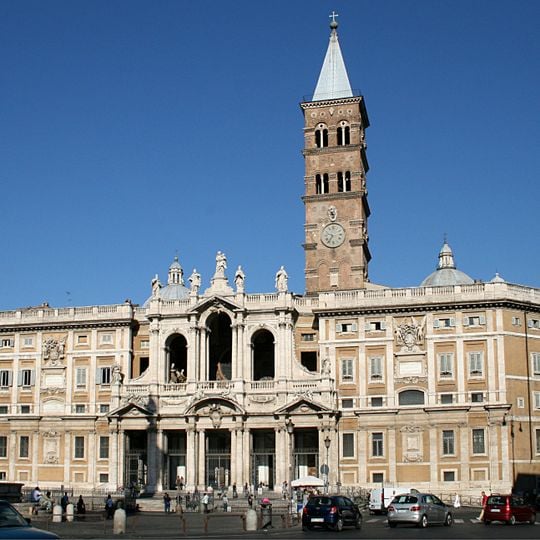
Basilica di Santa Maria Maggiore, Major basilica in Monti district, Rome, Italy
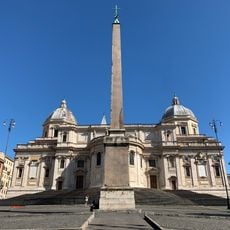
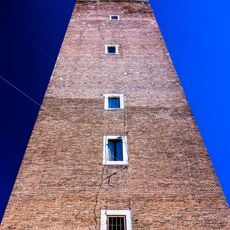
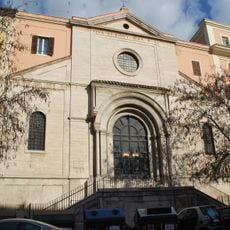
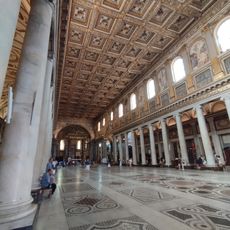
Santa Maria Maggiore is a papal basilica on the Esquiline Hill in Rome. Its facade has three tall doorways and a central loggia with columns and statues, beside a brick campanile with a clock and a steep pyramidal spire. Inside, two rows of smooth grey stone columns with plain capitals line the nave under a flat coffered ceiling with gilded square panels.
Pope Sixtus III completed the construction in 432 AD after the Council of Ephesus recognized the divine motherhood of Mary. Later popes added chapels, facades and the bell tower over the centuries, placing Romanesque, Renaissance and Baroque styles side by side.
The name comes from an August night in 352 AD when snow supposedly fell on the Esquiline Hill and outlined the floor plan. Visitors today see marble columns taken from ancient Roman temples, inserted into the nave and showing the link between pagan and Christian past.
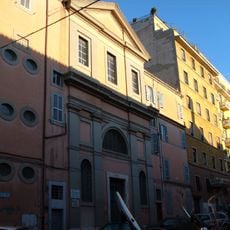
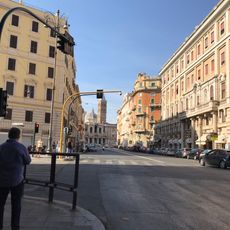
The entrance sits on Piazza di Santa Maria Maggiore, a short walk from Termini station and accessible by wheelchair through a ramp. Visitors who want to see the crypt and upper-level chapels should plan extra time, as they are reached through separate entrances.
The floor of the central nave follows a geometric pattern in porphyry and green marble, laid in the 12th century by Roman stonemasons of the Cosmati family. This technique, which embeds small colored stones into repeating circles and squares, appears in only a few medieval churches in Rome.
The community of curious travelers
AroundUs brings together thousands of curated places, local tips, and hidden gems, enriched daily by 92,383 contributors worldwide.