Spain

Log in to your account

AroundUs is a community-driven map of interesting places, built by curious explorers like you. It grows with every review, story, and photo you share.
Connect to save your favorite spots, contribute locations, and create personalized routes.
By continuing, you accept our Terms and Conditions and our Privacy Policy
Add to collection
Map
Suggest a change
Share

Spain, Parliamentary monarchy in southwestern Europe.

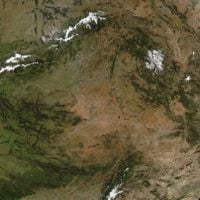
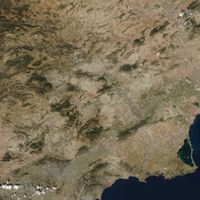
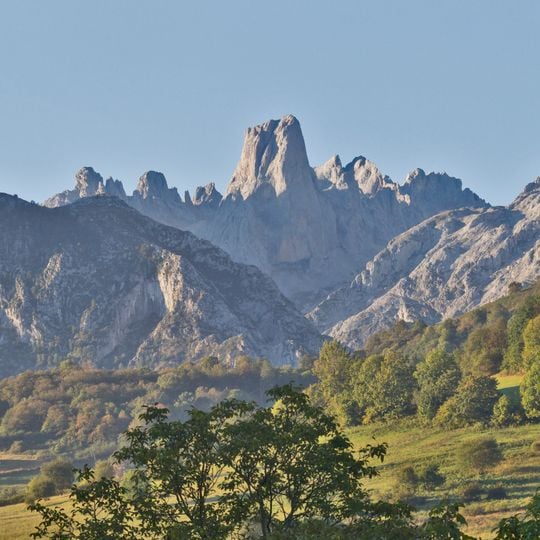
Spain is a parliamentary monarchy in southwestern Europe that occupies most of the Iberian Peninsula and also includes several island groups in the Mediterranean and Atlantic. The country shares its land borders with Portugal to the west, France and Andorra to the northeast, and Gibraltar to the south.

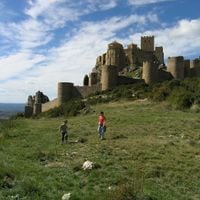
The Catholic kingdoms of Castile and Aragon merged in 1479 through the marriage of Isabella and Ferdinand, establishing the foundation for a modern state. The following centuries produced a global colonial power, which lost most of its overseas holdings during the 19th and 20th centuries.

Bullfighting still shapes discussion in some regions, while flamenco dancing remains a living art form in Andalusia, visible in many small bars and theaters. The siesta, a midday break, still closes shops in rural areas and smaller towns for several hours in the early afternoon.

A high-speed rail network connects the largest cities with trains reaching up to 310 kilometers per hour (193 miles per hour) on certain routes, reducing long journeys considerably. Bus lines and regional trains complement the system, offering connections to smaller places across all parts of the country.

The two autonomous cities of Ceuta and Melilla sit on Africa's northern coast and have formed Europe's only land borders with the African continent since the 15th century. Both cities preserve a mix of European and North African influences in their architecture and daily life.

Inception: March 14, 1516

Capital city: Madrid

Part of: Europe, European Union, Pyrenees–Mediterranean Euroregion, European Economic Area, Iberian Peninsula

Shares border with: Andorra, Portugal, Morocco, France, Gibraltar, Algeria, United Kingdom

Address: Spain

Website: https://administracion.gob.es

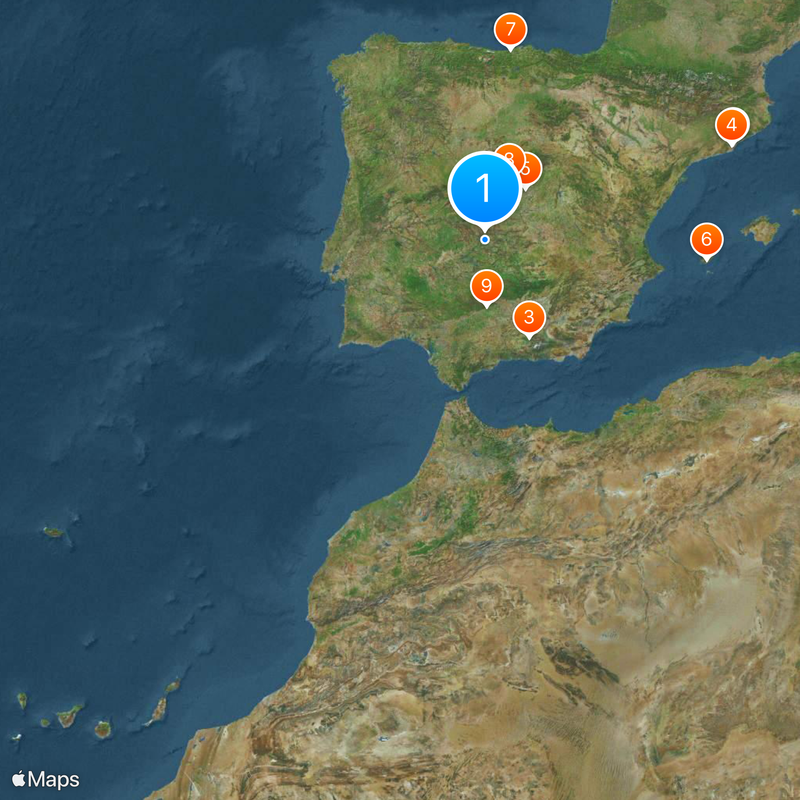
GPS coordinates: 39.32607,-4.83798

Latest update: December 4, 2025 17:20

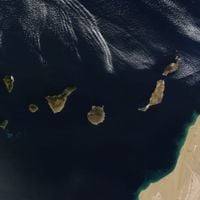
Beaches in Spain: Canary Islands, Balearic Islands, Cantabria

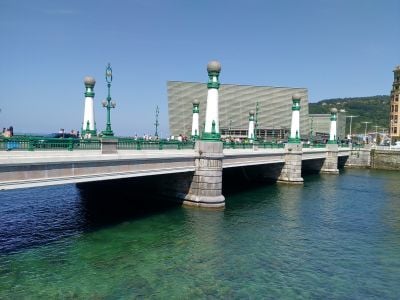
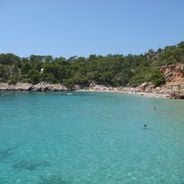
Spain's coastlines present a wide variety of beaches, from the white sand shores of the Balearic Islands to the rocky coves of Cantabria along the Atlantic. This collection includes beaches such as Playa de Rodas in the Cíes Islands, the urban beach of La Concha in San Sebastián, and the secluded coves of Formentera including Ses Illetes and Cala Saona. In Andalusia, beaches like Playa de Bolonia near Tarifa feature Roman ruins nearby, while the volcanic landscapes of Cabo de Gata showcase Los Genoveses and Playa de Monsul. The Asturian coast displays natural formations such as Gulpiyuri, a beach enclosed within cliffs, and Playa del Silencio. The Canary Islands offer diverse beach types, from the golden sands of Las Teresitas in Tenerife to the expansive shores of Sotavento in Fuerteventura. This selection documents the geographic and geological range of Spanish beaches and provides practical information about location, access, and local features of each site.

Gardens behind walls in Andalusia

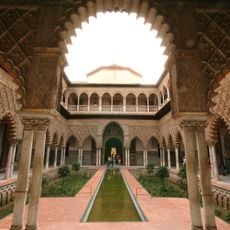
Andalusia holds a notable collection of historic gardens that reflect different periods of Spanish history. These sites combine Moorish, Christian, and modern design traditions and demonstrate the evolution of garden art on the Iberian Peninsula. From the terraced layouts of the Nasrid era to the parks of the 19th and 20th centuries, these places provide insight into the cultural influences of various ages. Granada contains several significant examples of this garden tradition. The Generalife served as the summer residence of the Nasrid sultans and features water features, patios, and planted terraces overlooking the Alhambra. The Carmen de los Mártires combines Moorish, French, and English garden elements, while the Fundación Rodríguez-Acosta represents an example of early 20th-century garden design. Additional sites such as the Carmen de la Victoria, the Jardin de los Adarves, and the Palacio de los Córdova complete the picture of Granada's garden tradition. Seville houses one of Spain's most important historic gardens at the Real Alcázar. The complex includes Moorish courtyards, Renaissance parterres, and modern plantings. The city also offers the Jardines de Murillo at the edge of the Alcázar grounds, the expansive María Luisa Park with its pavilions and plazas, the Jardín Americano with exotic vegetation, as well as Los Jardines de la Buhaira and La Cartuja de Sevilla. The Casa de Pilatos displays an ornate palace courtyard with plants and fountains. In Córdoba, the Alcázar de los Reyes Cristianos presents geometric gardens with water basins and cypresses, while the Palacio de Viana offers twelve different interior courtyards with varied plantings. Málaga contributes to the diversity with the Botanical Garden La Concepción and the Pedro Luis Alonso Gardens, and in Vélez de Benaudalla lies the Nasrid Garden of Vélez as another testimony to Moorish garden design.

Water parks in Spain

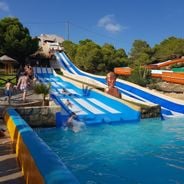
Spain's water parks offer water slides, wave pools, and thrill rides throughout the country. From Tenerife's Thai-themed Siam Park to Madrid's Warner Beach, these venues combine water attractions with distinct themes. Parks include specialized areas for children, high-speed slides for thrill-seekers, and relaxation zones with pools. Many locations incorporate regional characteristics, such as Marineland Catalunya's dolphinarium and Aqua Tropic's saltwater facilities. The parks operate primarily during summer months, with locations across mainland Spain and its islands.

Top golf courses in Spain

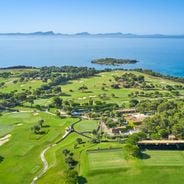
Spain ranks among the leading golf destinations in Europe with more than 400 courses spread across different climate zones and landscapes. The southern coast features the Costa del Sol facilities, including Real Club Valderrama in Cádiz and Finca Cortesín in Málaga. The area around Marbella and San Roque offers a concentration of courses with different designs. In the north, Real Golf de Pedreña in Cantabria and Real Club Golf San Sebastián in Guipúzcoa present courses set in green surroundings with temperate climate. Spanish golf courses differ in design and vegetation. Along the Mediterranean coast, facilities like Parador de El Saler near Valencia or Club de Golf Alcanada in Mallorca feature sea views. Inland, courses such as Club de Campo Villa de Madrid or Real Club de Golf La Herrería near San Lorenzo de El Escorial offer woodland landscapes with oaks and pines. In Catalonia, PGA Catalunya Stadium in Girona combines technical holes with Mediterranean vegetation, while Empordà Links in the same area presents a links design. In the Canary Islands, Costa Adeje Golf in Santa Cruz de Tenerife enables playing in mild temperatures throughout the year.

Beaches of Spain: Mediterranean, Atlantic coastlines and Balearic and Canary Islands

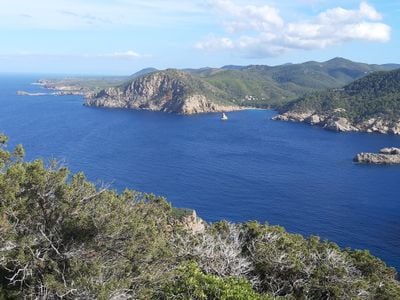
Spain has more than 8,000 kilometers of coastlines home to hundreds of beaches with diverse characteristics. The Mediterranean, Atlantic, Balearic Islands, and Canary Islands feature contrasting marine scenery: coves sheltered between cliffs, extensive sandy areas, urban beaches, and protected natural zones. Each coastal region has developed its own identity influenced by local geology and climate. The Balearic Islands include bays like Cala Macarella in Menorca or Ses Illetes in Formentera, where white sand contrasts with clear Mediterranean waters. The Canary Islands display volcanic landscapes, with the Maspalomas dunes on Gran Canaria stretching over 6 kilometers, or Lanzarote’s red cliffs framing Playa del Papagayo. Along the Andalusian coast, the Cabo de Gata Natural Park houses Mónsul Beach with its black volcanic formations, while Bolonia near Tarifa features a 4-kilometer-long beach with Roman remains. The northern coast presents a different scene: La Concha urban beach in San Sebastián forms a 1.5-kilometer arc, the limestone cliffs of Asturias protect Playa del Silencio, and the Cíes Islands in Galicia are part of a marine national park.

Best natural swimming pools in Spain for a refreshing dip

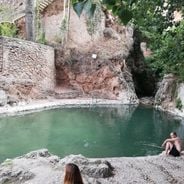
Spain is home to a great variety of natural swimming pools, river pools and coastal formations perfect for cooling off during the hot season. These spots are spread all over the country and provide crystal-clear water surrounded by mountains, forests or volcanic rocks. From freshwater pools in lush valleys to unique saltwater basins on the Atlantic and Mediterranean coasts, this collection brings together some of the most inviting places to experience authentic outdoor swimming in Spain.

Reviews

Visited this place? Tap the stars to rate it and share your experience / photos with the community! Try now! You can cancel it anytime.

« Spain - Parliamentary monarchy in southwestern Europe » is provided by Around Us (aroundus.com). Images and texts are derived from Wikimedia project under a Creative Commons license. You are allowed to copy, distribute, and modify copies of this page, under the conditions set by the license, as long as this note is clearly visible.

Discover hidden gems everywhere you go!

From secret cafés to breathtaking viewpoints, skip the crowded tourist spots and find places that match your style. Our app makes it easy with voice search, smart filtering, route optimization, and insider tips from travelers worldwide. Download now for the complete mobile experience.
Around Us App Screenshot

A unique approach to discovering new places

Le Figaro

All the places worth exploring

France Info

A tailor-made excursion in just a few clicks

20 Minutes