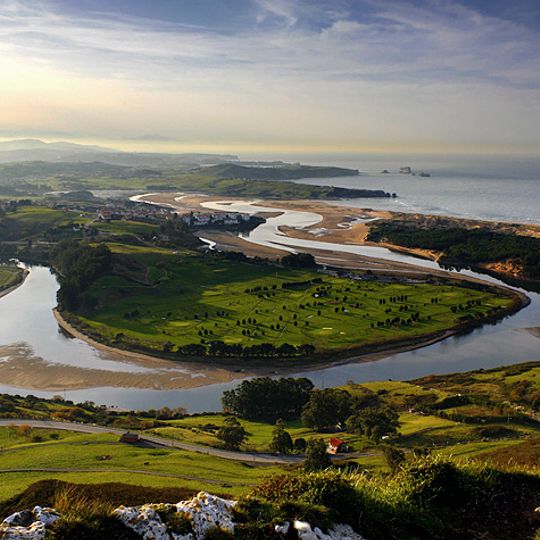
Cantabria, Autonomous region in northern Spain
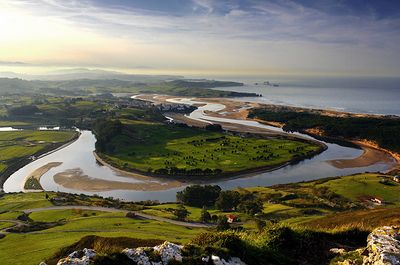
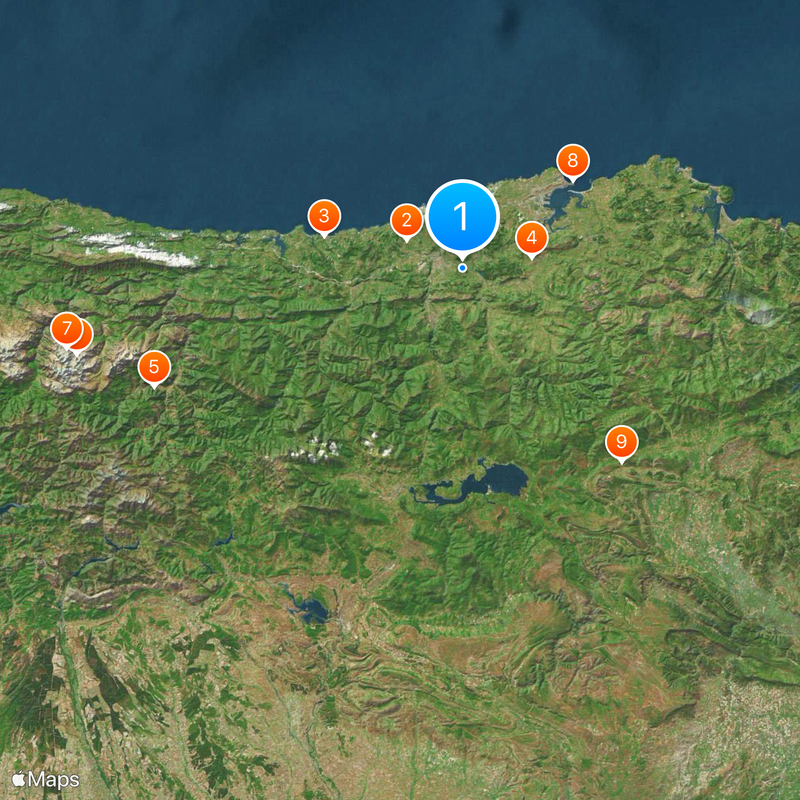
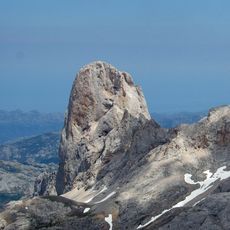
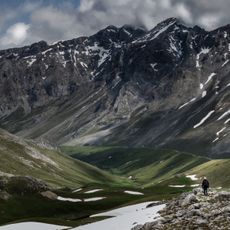
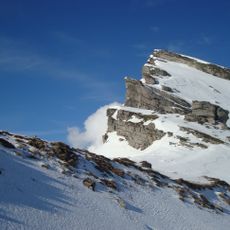
Cantabria is an autonomous community in northern Spain, stretching between the Cantabrian Sea and mountain ranges that combine green valleys with limestone ridges. The landscape features steep coastal cliffs, rolling hills, and forested areas that shape the terrain between the water and the highlands.
The region became an autonomous community in 1981 after centuries of being part of larger administrative units. This change allowed it to establish its own cultural and economic priorities while defining its identity more clearly within Spain.
Local festivals celebrate farming traditions, and many families still prepare meals using fresh fish caught along the coast and cheese produced from the milk of nearby herds. In coastal towns you can see fishermen mending their nets in the morning, while inland pastures shape the daily rhythm of rural communities.
The climate brings frequent rain, especially in autumn and winter, so waterproof clothing is useful for outdoor excursions. The coast is easier to reach than the mountain areas, where narrow roads wind through valleys and walking trails require more time to explore.
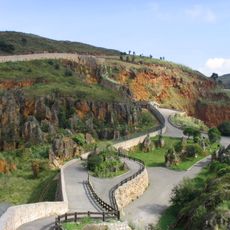
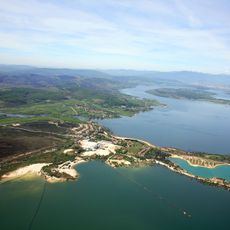
A former mining area was transformed into a sprawling park where animals from different continents live in semi-open enclosures. Visitors can drive or walk through the grounds and observe the landscape, which still shows traces of the former excavation work.
The community of curious travelers
AroundUs brings together thousands of curated places, local tips, and hidden gems, enriched daily by 90,802 contributors worldwide.