Asturias, Autonomous region in northern Spain
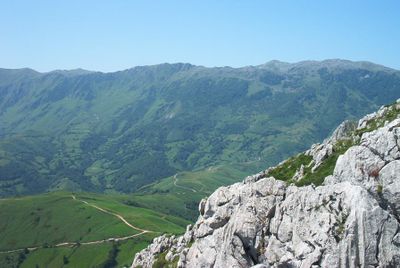
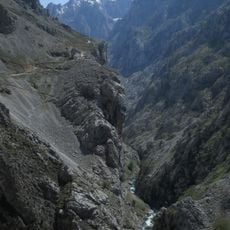
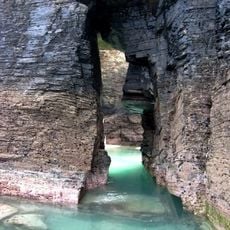
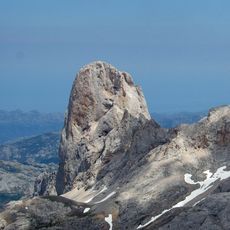
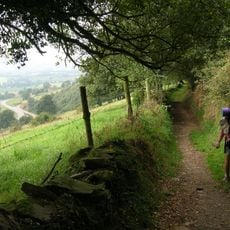
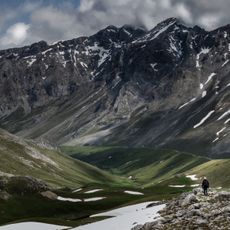
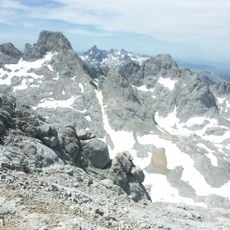
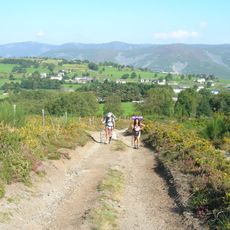
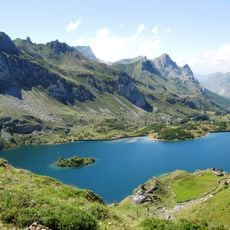
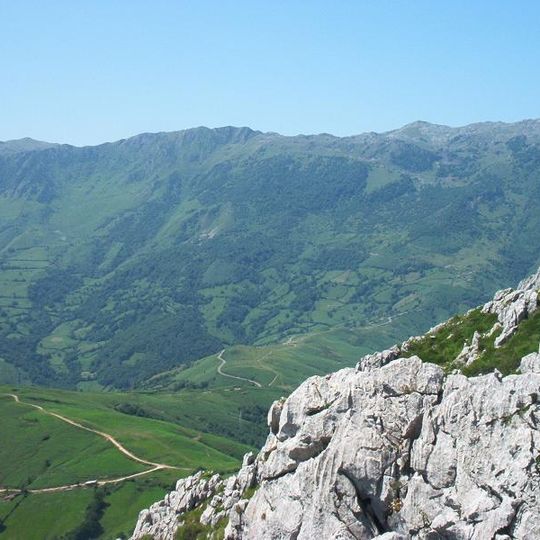
Asturias is an autonomous community in northern Spain, occupying a coastal strip along the Cantabrian Sea and rising inland to mountain peaks exceeding 2500 meters (8200 feet). The landscape combines river valleys, limestone cliffs, protected natural areas, and dense forests that descend toward beaches lined with coarse pebbles.
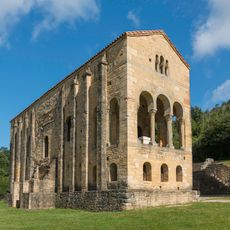
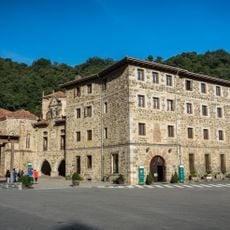
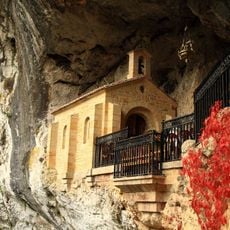
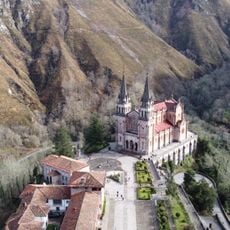
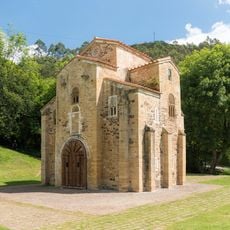
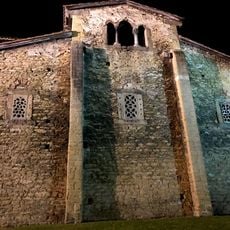
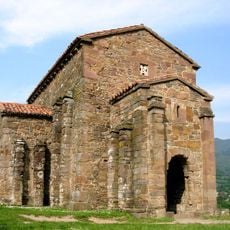
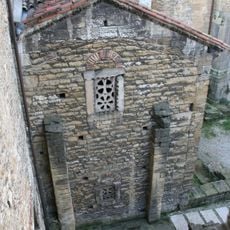
The region became the center of Christian resistance against Moorish rule in 722, launching the gradual reconquest of the Iberian Peninsula over several centuries. In the following decades, builders constructed churches and monasteries using architectural styles distinct from those elsewhere in Europe.
Weekly markets in towns across the region sell local cheeses, smoked meats, and fresh fish brought from coastal ports each morning. On Sundays, families gather in cider houses where long communal tables encourage shared meals and conversation between strangers and neighbors alike.
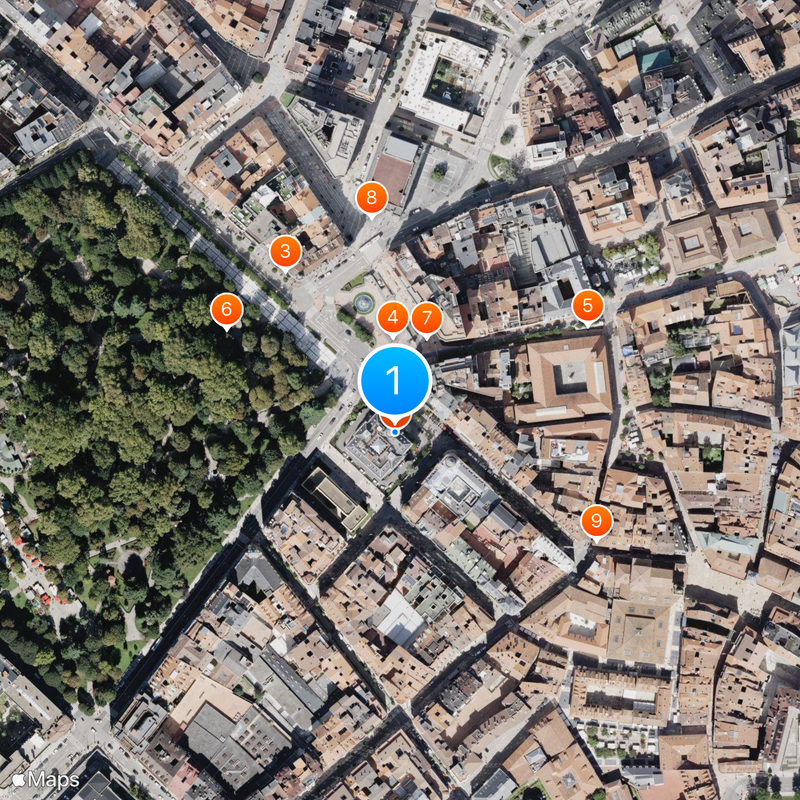
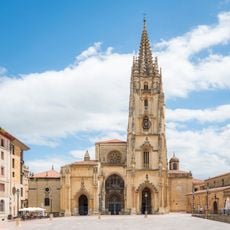
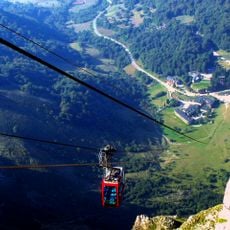
Highways and regional trains link the three main cities of Oviedo, Gijón, and Avilés, making travel between the coast and inland areas straightforward. Mountain zones are best reached by car, as bus service is less frequent and roads may close temporarily during heavy fog or snow.
Local cider makers pour the traditional drink from a height to aerate it, creating a natural carbonation that sharpens the flavor of this beverage. The pouring ritual is so common that many restaurants install special floor tiles designed to channel spilled cider away from diners.
The community of curious travelers
AroundUs brings together thousands of curated places, local tips, and hidden gems, enriched daily by 90,739 contributors worldwide.