See the monuments around you in AROpen chests in the app
Around Us is built for your phone — point your camera at the streets and discover the monuments and places around you in augmented reality.Around Us is built for your phone — chests unlock when you walk, explore and capture nearby places.
Heritage of Asturias in Spain: ancient churches, wild beaches and mountains
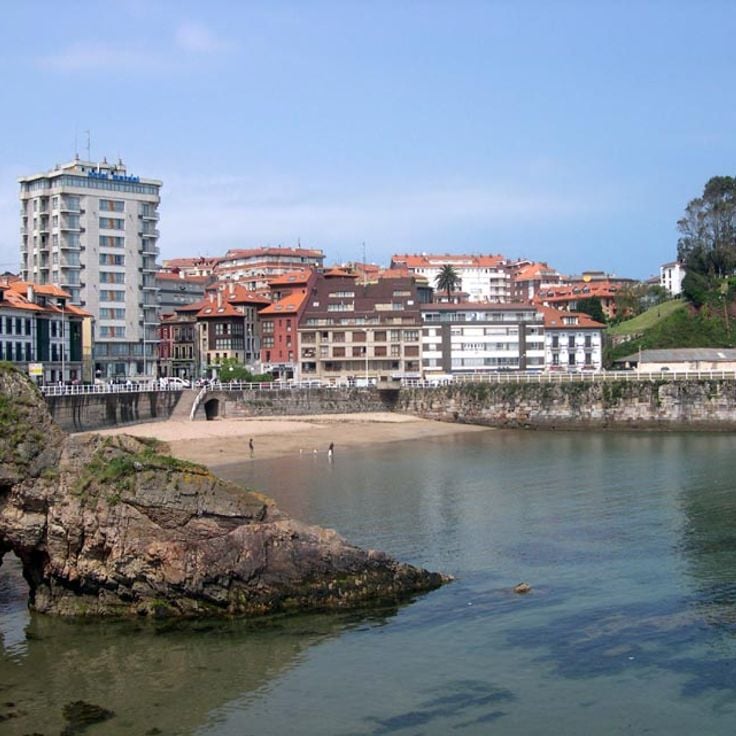
Asturias in Spain: old churches, wild beaches, and mountains. The coast has secret bays and cliffs where rocks meet the ocean. Around Llanes and Cudillero, beaches hide beneath green hills. Inland, parks and caves show signs of very old human activity. These places give Asturias its character, mixing history and changing views.
Heritage of Asturias in Spain: ancient churches, wild beaches and mountains
Asturias in Spain: old churches, wild beaches, and mountains. The coast has secret bays and cliffs where rocks meet the ocean. Around Llanes and Cudillero, beaches hide beneath green hills. Inland, parks and caves show signs of very old human activity. These places give Asturias its character, mixing history and changing views.
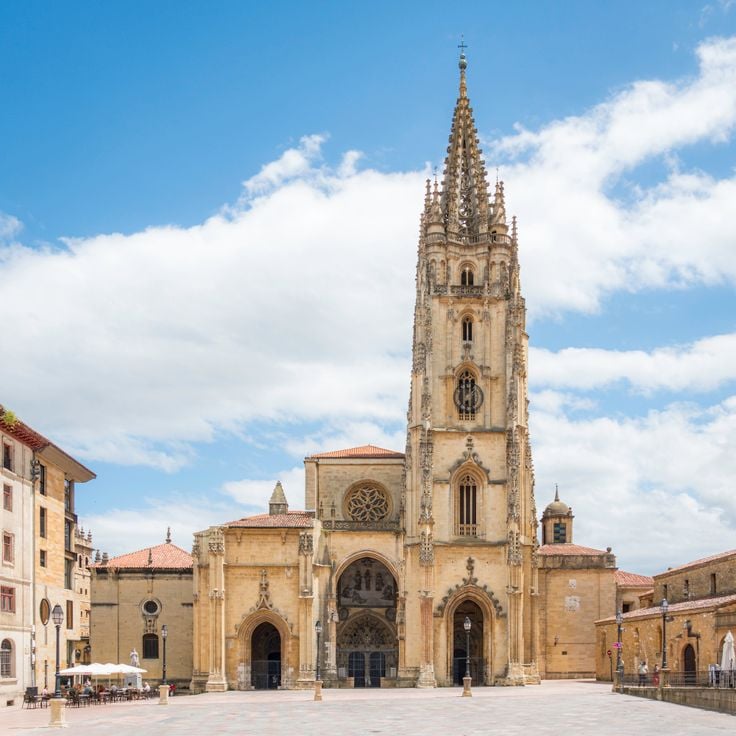
The Cathedral of San Salvador stands at the heart of Oviedo and brings together architecture from different periods. It sits alongside early churches from the 9th century such as Santa Maria del Naranco and San Miguel de Lillo, which are UNESCO World Heritage sites. This cathedral is a place where the history of Asturias reveals itself in stone and arches, making the region's religious past come alive.
Gulpiyuri Beach sits in Llanes as a small cove inland, reached through a cave. This beach shows what makes Asturias special, where nature creates surprising forms. The setting among cliffs and green hills reflects why this region between the Cantabrian Sea and steep peaks offers such varied landscapes.
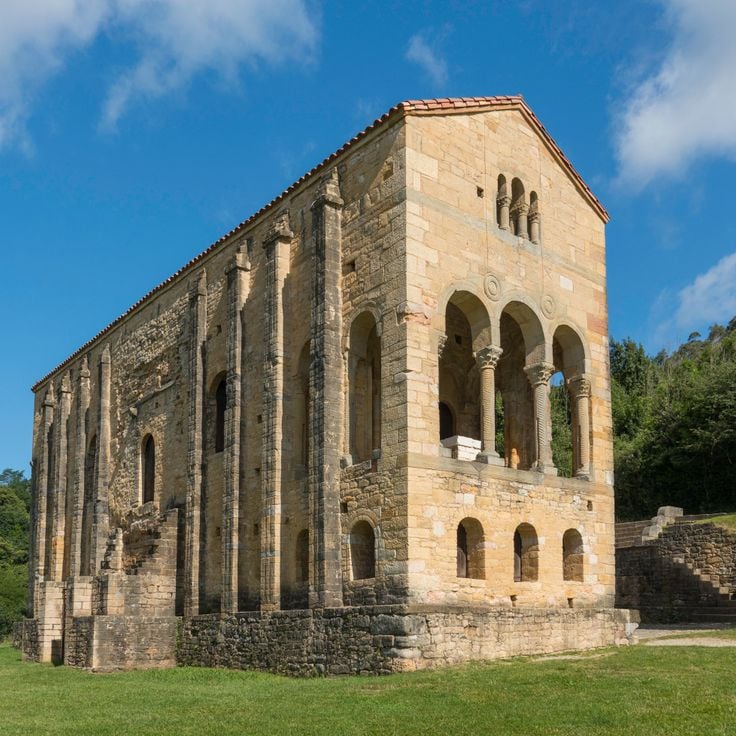
Santa Maria del Naranco is a church from the 9th century perched on a hillside near Oviedo. It was built in an era long before the great Gothic cathedrals of Europe. The church displays a different construction style than what visitors might expect - it has low arches, slender columns, and terraces with balustrades. The stone building feels solid and has endured through the centuries. Today Santa Maria del Naranco, along with the nearby church of San Miguel de Lillo, is recognized as a World Heritage site because both are important examples of early Christian architecture in Asturias.
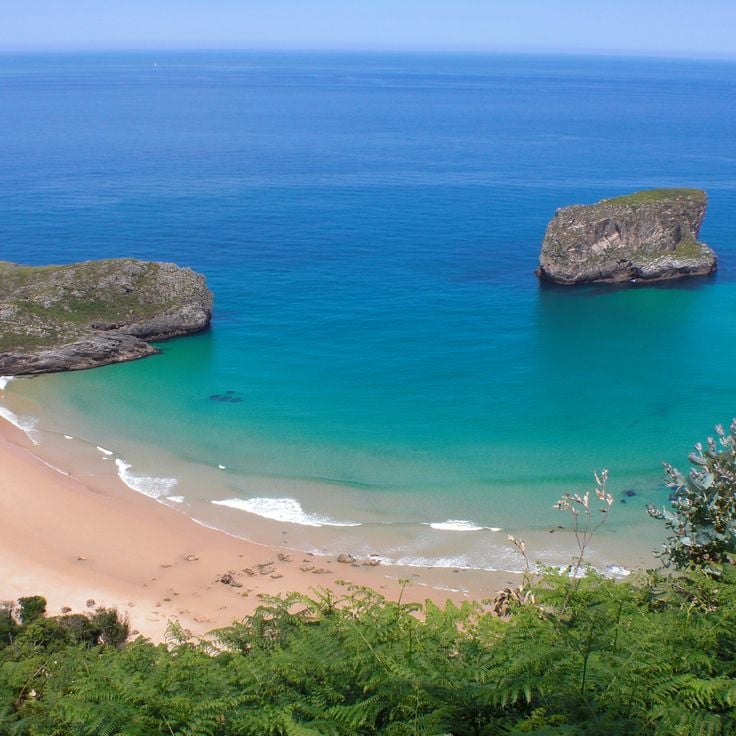
Playa de Ballota near Llanes is a beach surrounded by tall cliffs and rocky outcrops along the Asturian coast. The water flows between stone formations, creating a sheltered cove where the sand stretches wide. Steep cliffs frame the beach on either side. This spot represents the kind of coastal landscape found throughout Asturias, where mountains meet the sea in dramatic fashion.
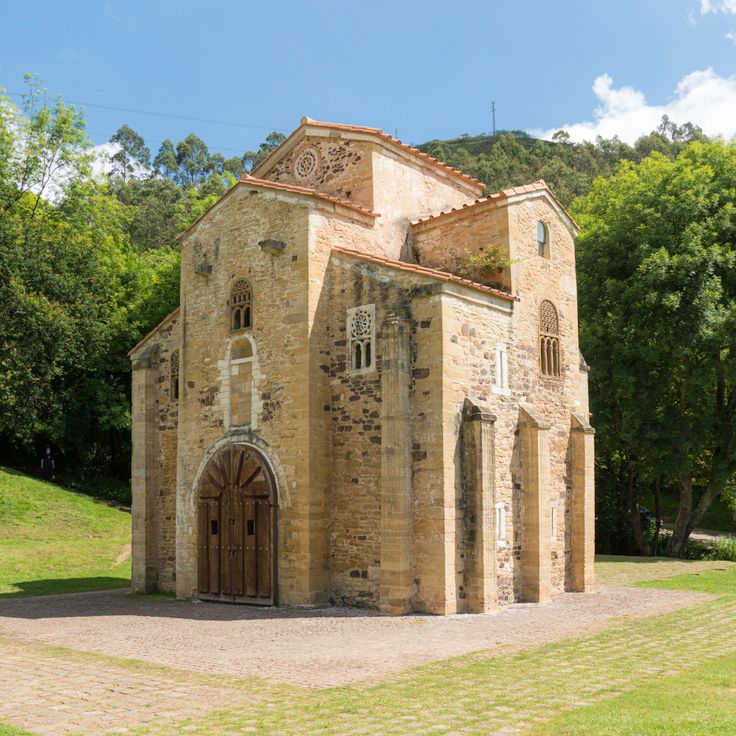
San Miguel de Lillo is a 9th-century church that sits in the hills near Oviedo. This building shows how people constructed structures in the early medieval period, long before Romanesque architecture spread through the region. The church appears on the UNESCO World Heritage list and draws visitors who want to understand the history of Asturias. You can see how people built over 1000 years ago, with stones and techniques that have survived to this day.
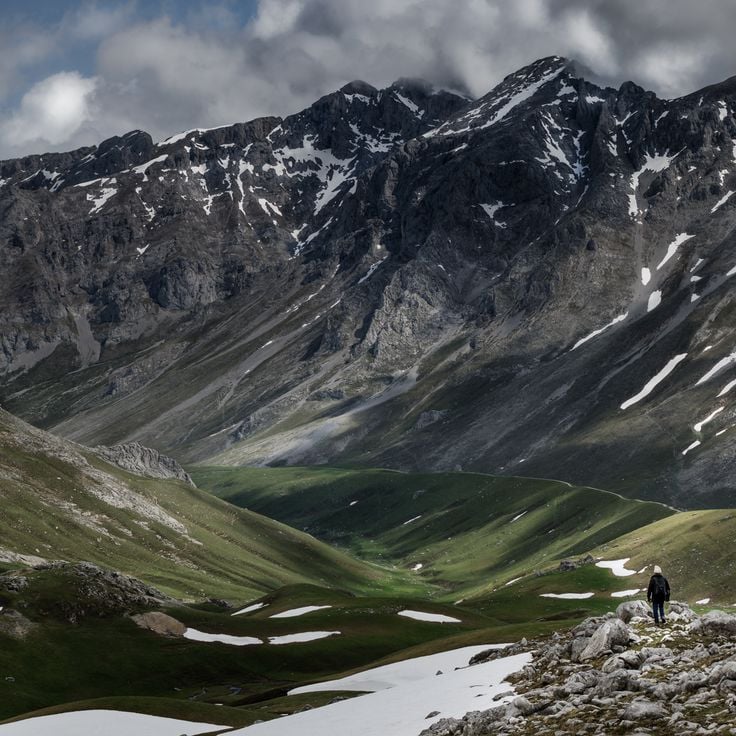
Picos de Europa National Park near Cabrales is a mountain massif marked by high peaks and deep valleys. The park offers hiking trails of different difficulty levels and mountain shelters for visitors. The geology reveals limestone formations with caves and caverns throughout the landscape. Below the peaks lie meadows and small streams. This is a place where people come to walk demanding paths and experience raw mountain terrain.
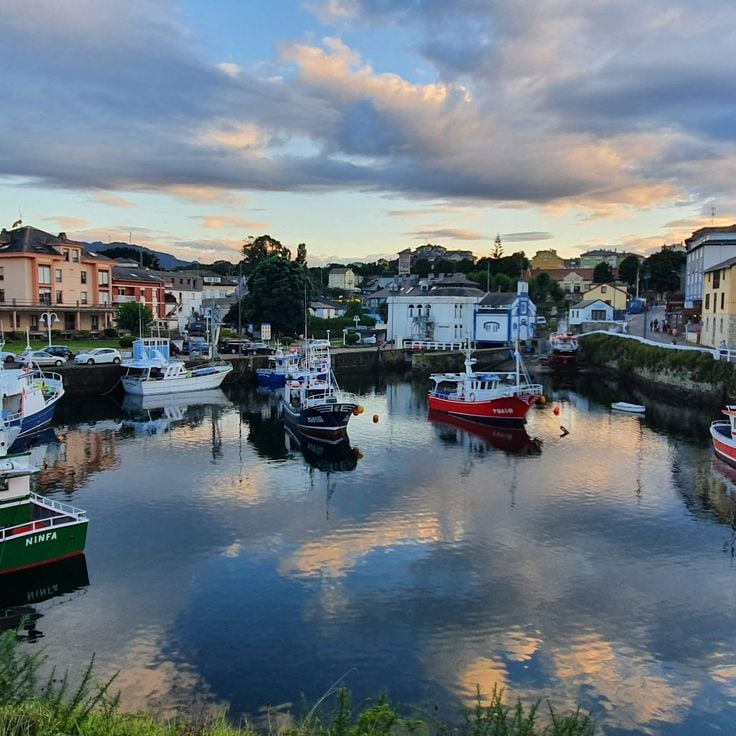
Puerto de Vega is a small fishing village on the Asturian coast, nestled between the Cantabrian Sea and green hillsides. The active harbor shapes daily life in the settlement, where fishermen use traditional boats and unload their catch. The village keeps the feel of a working harbor, where you can see how the sea's rhythms shape how residents live. Puerto de Vega shows how Asturian coastal settlements stay connected to both tradition and modern fishing trade.
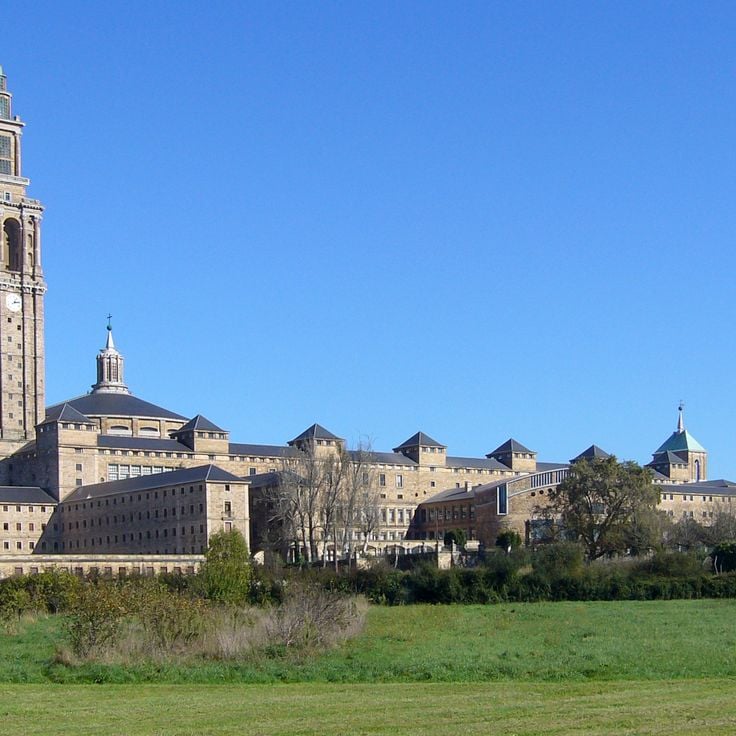
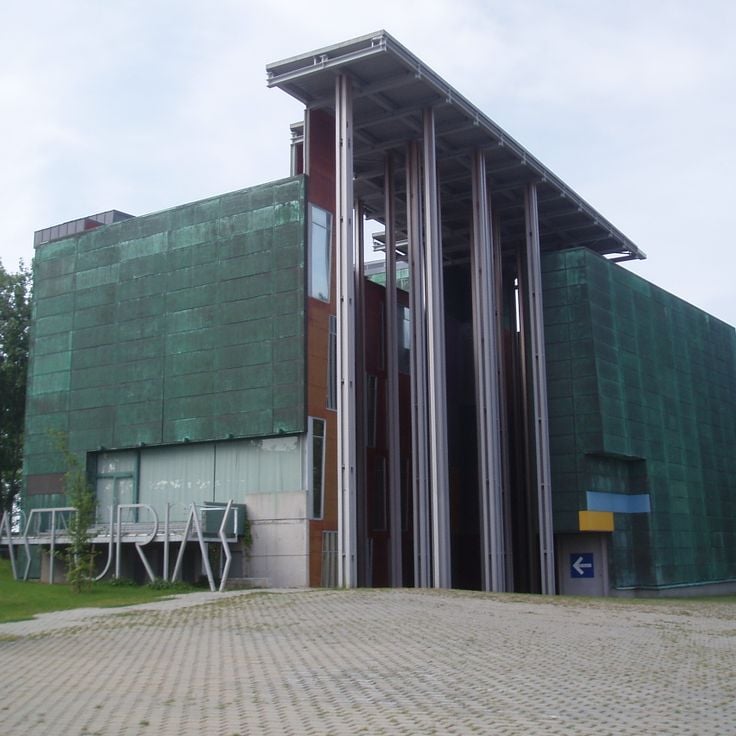
Laboral Ciudad de la Cultura stands in the Cimadevilla neighborhood as a contemporary cultural center that reflects Asturias' creative energy and forward-looking spirit. The building combines modern architecture with cultural programs and shows how the region preserves its heritage while moving ahead. This place hosts art exhibitions, events, and serves as a space where the city's cultural life unfolds.
Lastres is a village built in tiers up a hillside with views over the coast. The village fits into the Asturian landscape where old architecture and sea views come together. The typical houses show how maritime life has shaped this place over time, and how people have lived here between the ocean and the mountains. From Lastres you can see what defines Asturias: the bond between water and land, between history and the present day.
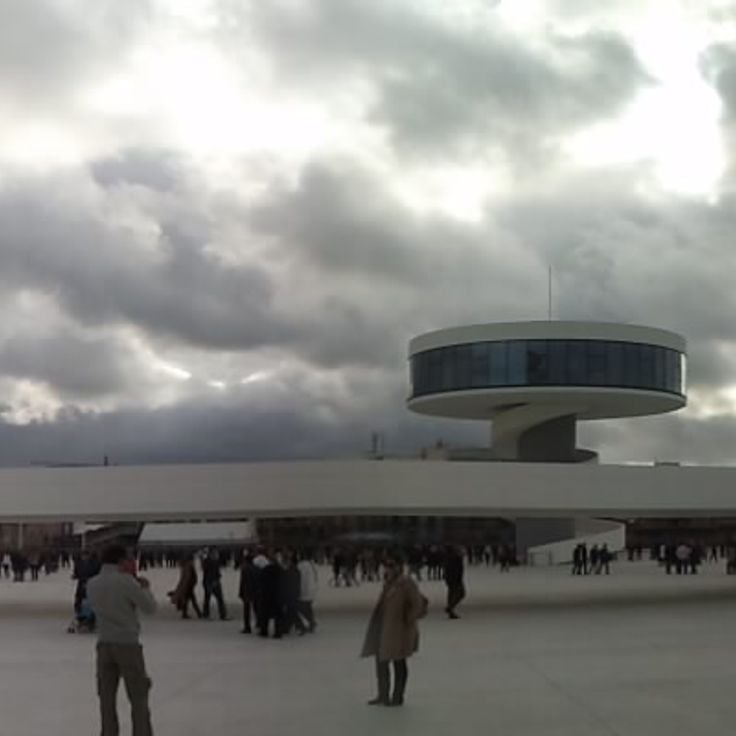
The Niemeyer Center in Avilés is a cultural center designed by Brazilian architect Oscar Niemeyer. It demonstrates the contemporary cultural vitality of Asturias and stands alongside medieval churches and natural landscapes that define this region.
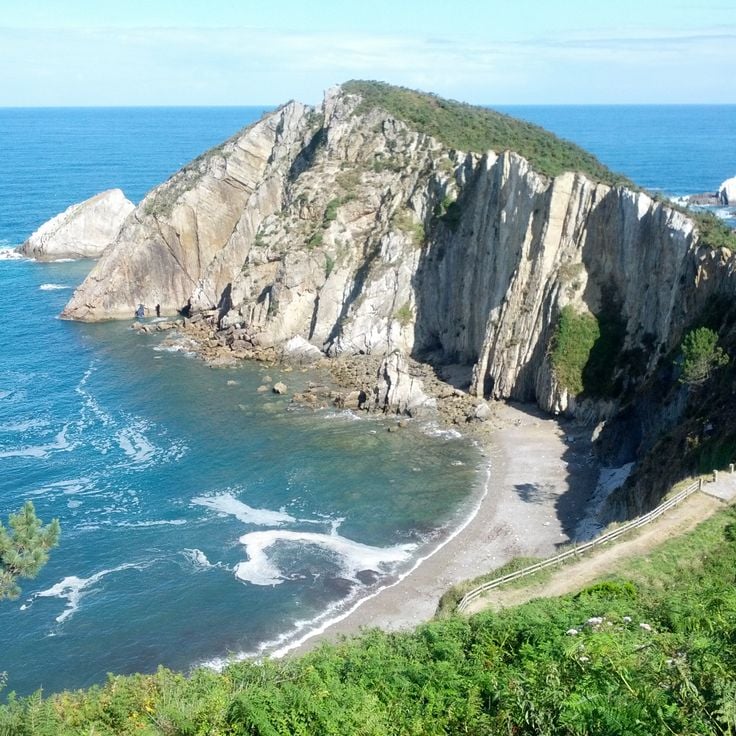
Playa del Silencio is a beach in Cudillero set deep within towering cliffs. This cove sits surrounded by steep rock faces that drop straight into the sea. The beach itself is small and remote, difficult to access, which sets it apart from other coastal spots. The landscape here is raw and wild, with green hills rising behind the cliffs. The water is cold and waves can be rough. This place draws people seeking solitude and quiet, away from crowded beaches.
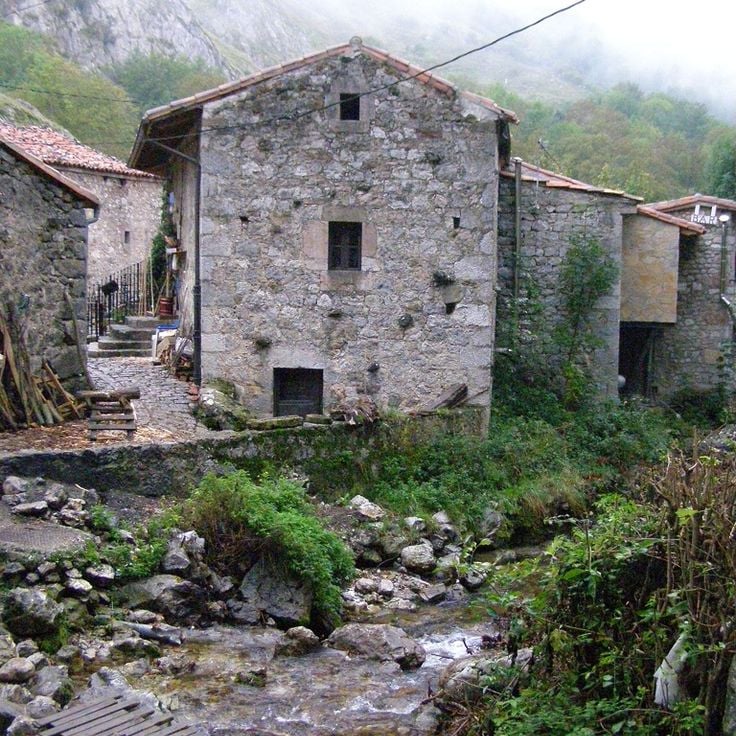
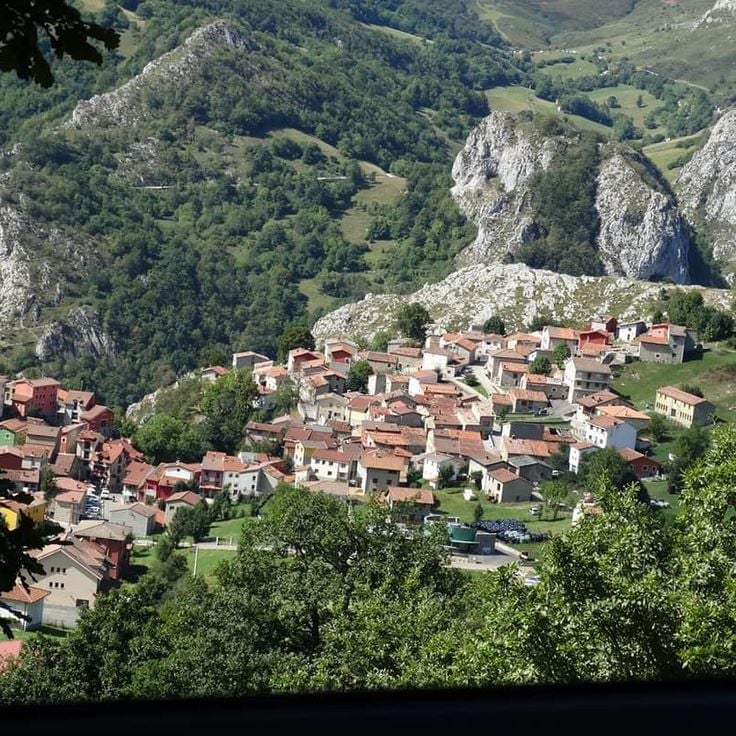
Bulnes is an isolated village set in the Picos de Europa within the Asturian mountains. For centuries, the only way to reach this place was on foot through steep mountain paths. Now a funicular railway carries visitors up the mountainside to the village. Bulnes shows how people have adapted to life in this harsh terrain. Houses are built into the rock face, and daily life here reflects traditions tied to livestock farming and the surrounding mountains. The village serves as a base for hikers and climbers exploring the Picos de Europa.
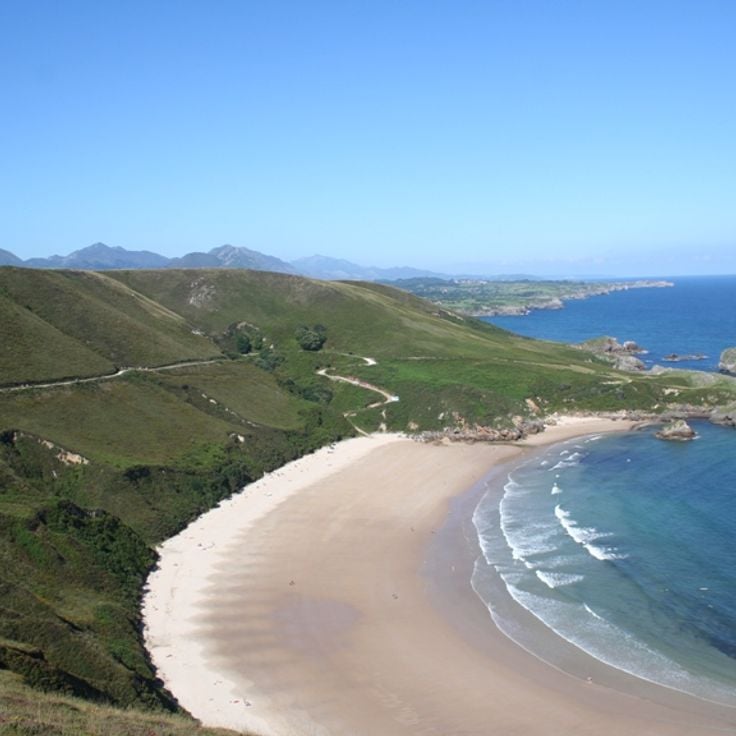
Playa de Torimbia is a naturist beach near the village of Llanes in Asturias. High cliffs rise above the shoreline and drop sharply into the sea. The beach sits in a small cove where golden sand stretches between rock walls. Green hills surround the area, making it a secluded spot compared to other beaches in the region. Rocks and smaller inlets create depth and interest along the waterline.
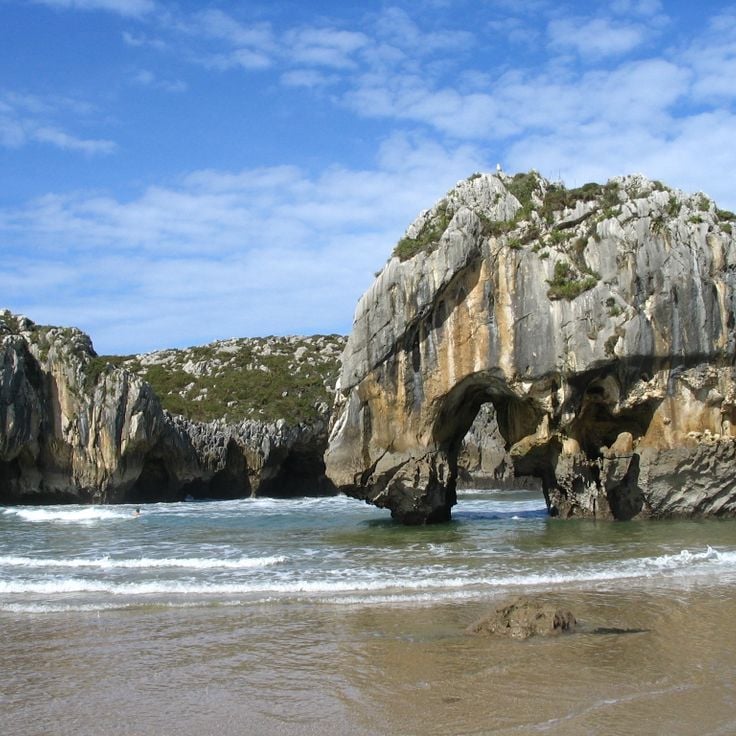
Playa de Cuevas del Mar near Llanes shows how Asturias connects beaches with rock formations along its coast. When the tide goes out, sea caves become accessible within the cliffs below the beach. The shore sits surrounded by green hills and represents the kind of hidden place that defines Asturian beaches. Visitors can move between swimming and exploring natural cave formations depending on when they arrive relative to the tides.
Cudillero is a small village on the Asturian coast shaped like an amphitheater around its harbor. Colorful houses stack up the steep hillside facing the water. This place shows the real life of the fishing communities that have existed here for centuries. Narrow streets wind uphill, and the smell of the sea is everywhere. Cudillero is one of the locations that gives Asturias its character, where history and nature meet.
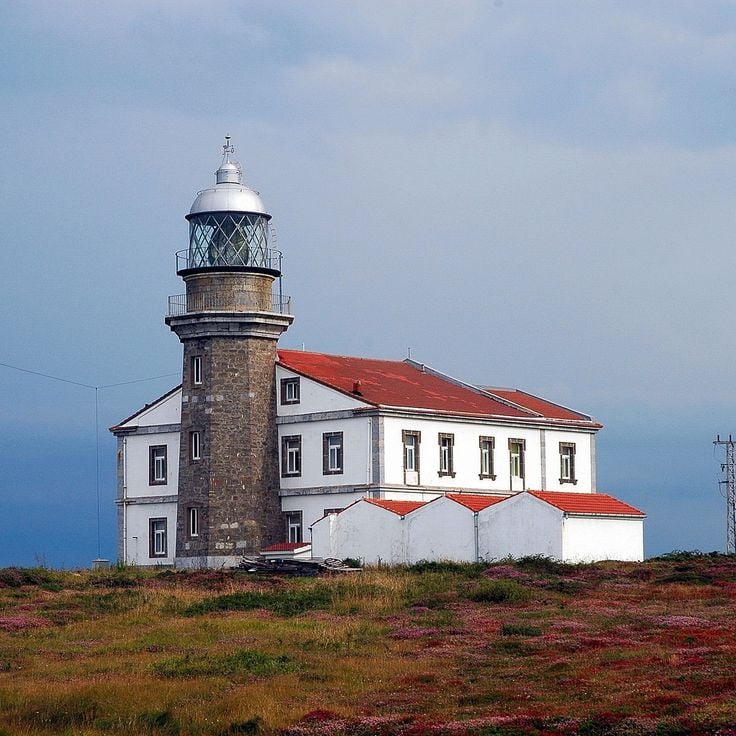
Cabo de Penas is the northernmost point of Asturias. From this headland, you look out at the Cantabrian Sea and rocky coastlines. The place feels open and windswept, shaped by the sea and weather. Visitors walk along cliff paths and see wild beaches far below. The lighthouse has stood here for centuries. This is a place to feel the force of the ocean and understand why this region's coast is known to many people. The views stretch across water and stone.
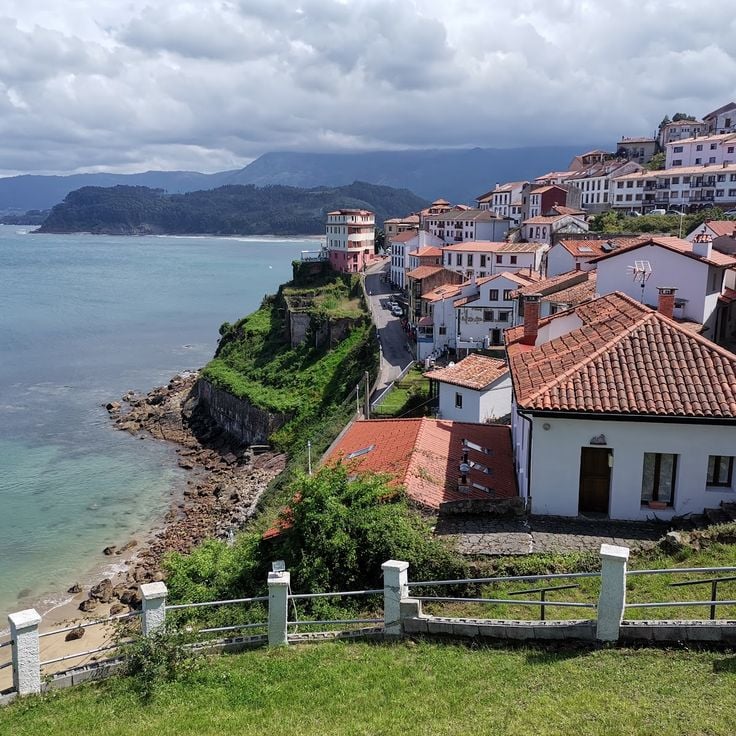
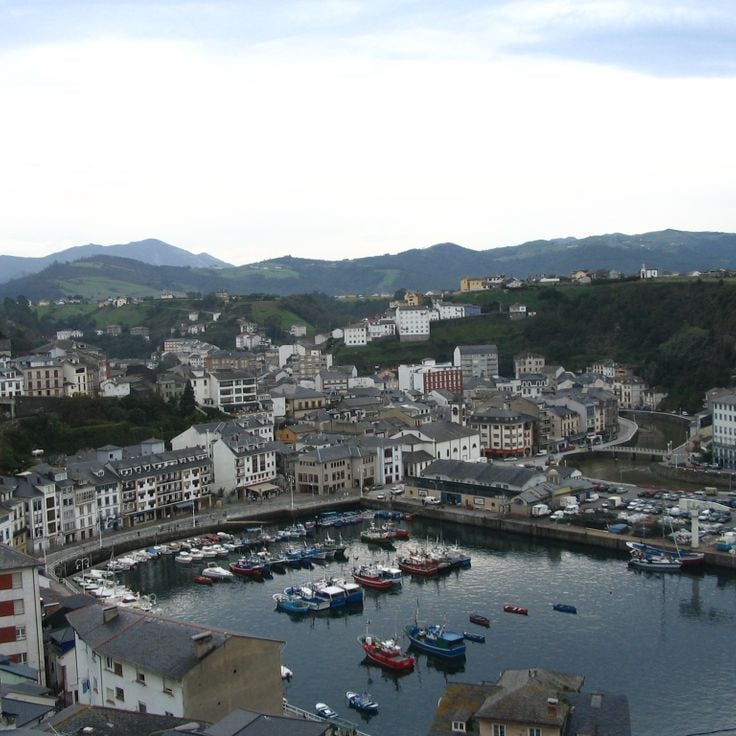
Luarca is a fishing village on the Asturian coast where white houses line the harbor and life revolves around the sea. The town embodies the maritime heritage of Asturias with its working port, where fishermen anchor their boats and daily rhythms follow the patterns of the water. The typical Asturian architecture and proximity to cliffs make Luarca an example of the connection between sea and mountain landscape that defines the region.
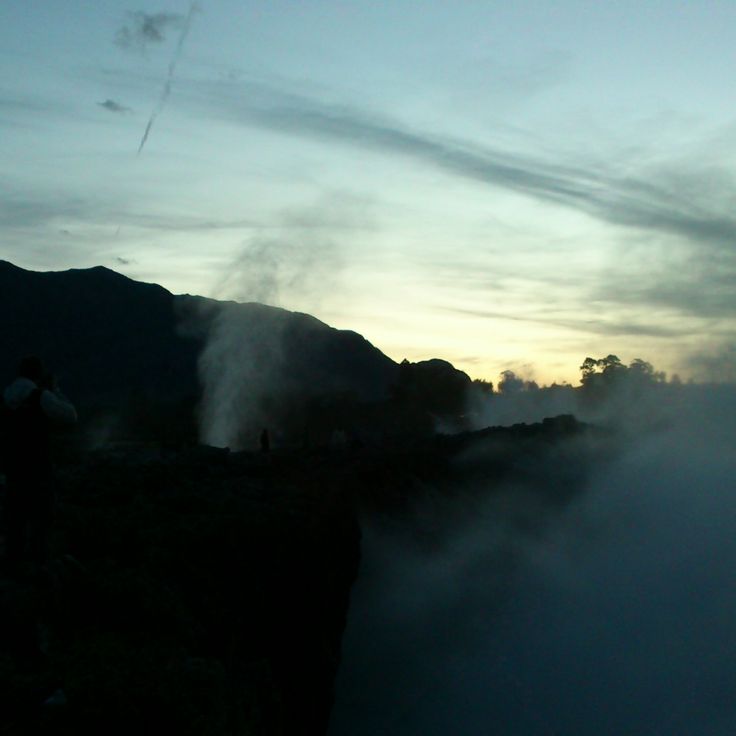
The Bufones de Pria are sea cliffs along the Asturian coast where waves surge through natural openings in the rock and shoot water fountains high into the air. This natural display happens when waves push into cavities and cracks, forcing water upward with force. On stormy days, these jets reach impressive heights and create a loud, roaring sound. Located near Llanes, the Bufones sit within the wild Asturian coastal landscape and demonstrate the raw power of the sea meeting stone. They are part of what gives this region its character, where nature and history shape the land.
Somiedo Natural Park sits in Asturias between the Cantabrian Sea and steep mountains, home to alpine lakes and the Pyrenean bear. This park displays the diverse nature of the region, where ancient human settlements meet unspoiled landscapes. The lakes and forests here are part of what gives Asturias its character.
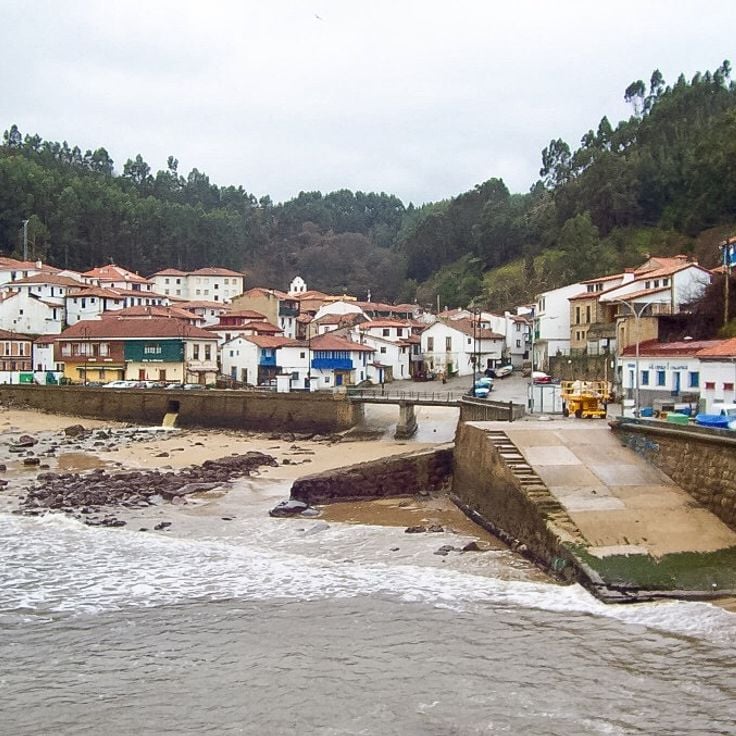
The fishing village of Tazones in Villaviciosa shows how people live along the Asturian coast. Its small harbor holds fishing boats that define this coastal community. Narrow streets and buildings speak to centuries of connection to the sea. This place embodies the authentic culture of Asturias, where history and daily work remain visible.
Sotres is a mountain village located in the Picos de Europa within the Cabrales area of Asturias. This village is part of the Asturian heritage that stretches between historical memory and changing landscapes. Sotres shows how people have lived in these mountains for centuries, surrounded by steep peaks and verdant slopes that define this region.
Candas is a fishing port in Asturias where daily life follows the rhythm of the sea. Traditional houses line the waterfront, built over many generations by fishing families. The port sits in the Cabrales area, surrounded by the steep cliffs and mountains that define this region. Walking around the harbor, you see fishermen at work, boats being unloaded, and the way local people move through the space naturally.
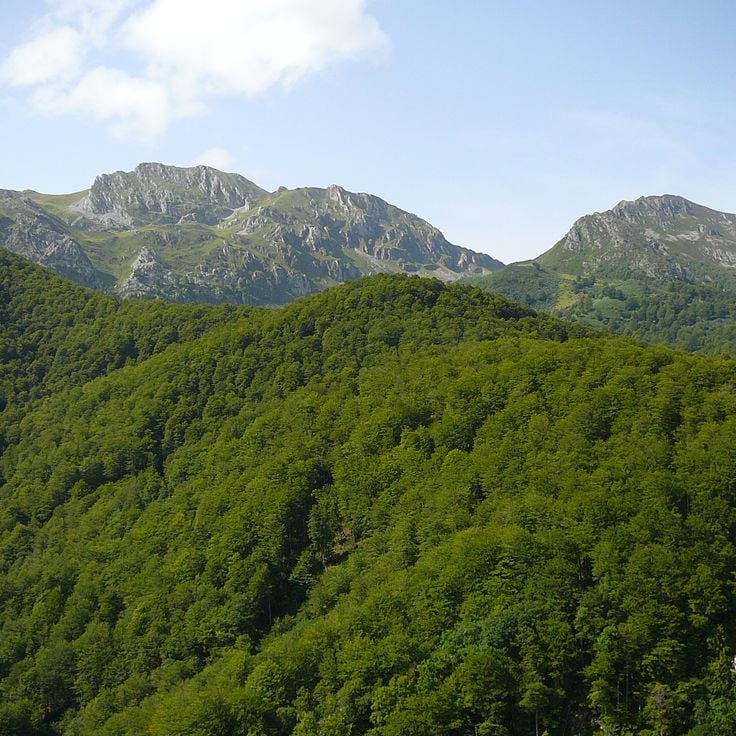
The Hayedo de Montegrande in Somiedo is a beech forest with a preserved ecosystem. This forest is part of the natural spaces of Asturias, situated between the Cantabrian Sea and steep mountain ranges. Along with other places in the region, this forest shows how nature in Asturias has remained intact over time.
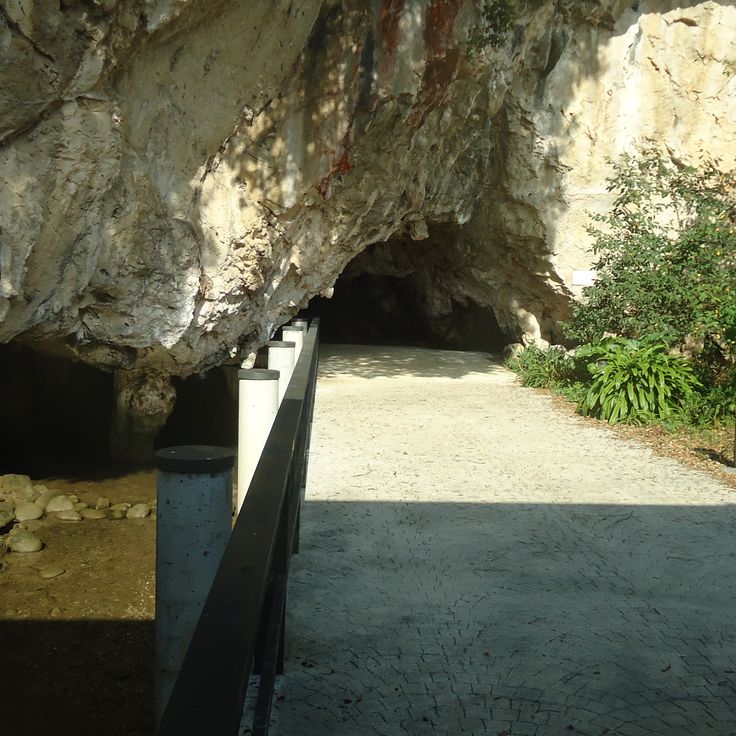
The Cueva de Tito Bustillo in Ribadesella holds one of Europe's most important collections of prehistoric cave paintings. This cave is inscribed on the UNESCO World Heritage List and displays artwork from the Paleolithic period preserved on its walls and ceiling. The paintings show the creativity and daily life of our ancestors. Visiting this cave connects you with the deep history of human settlement in Asturias.
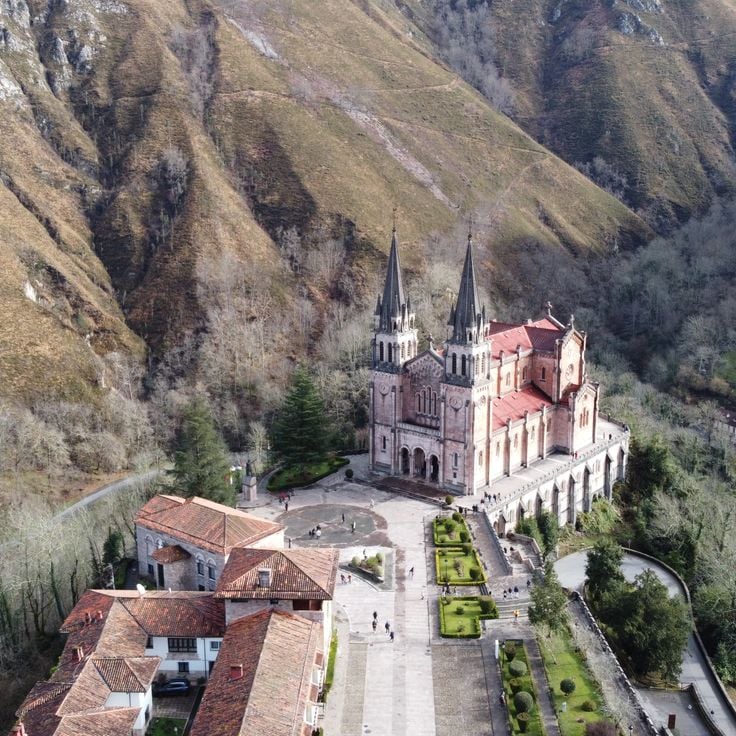
The Sanctuary of Covadonga sits within the Picos de Europa, blending religious devotion with striking natural surroundings. The basilica was built at a site that has drawn pilgrims for centuries. Behind it, a cave holds a small chapel carved into the rock face. This place shapes Asturian spiritual history and appeals to visitors seeking both history and mountain landscape.
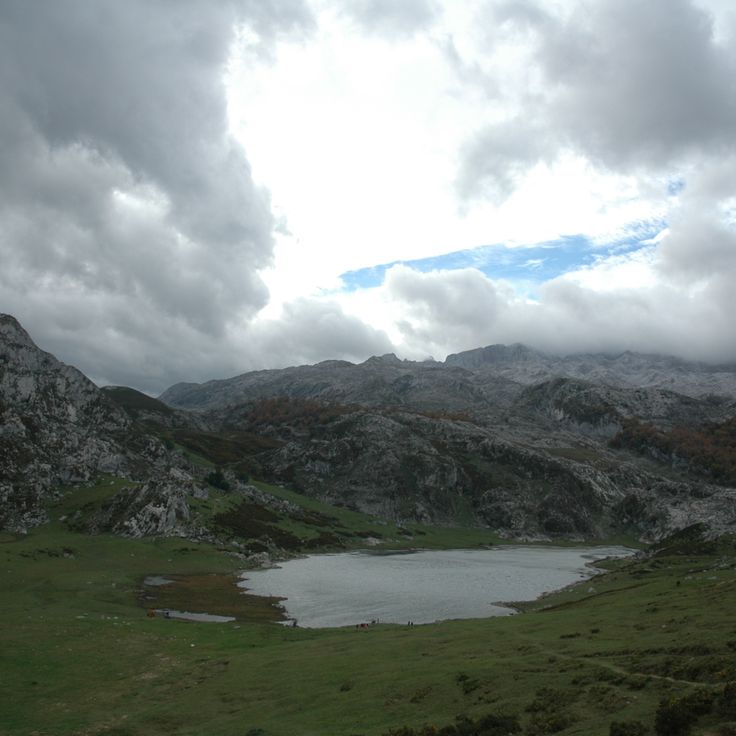
The lakes of Covadonga are two glacial lakes high in the Picos de Europa mountains. Lake Enol and Lake Ercina sit in this mountainous region of Asturias, where hikers and visitors find alpine terrain and views of steep peaks. The water reflects the surrounding slopes, and the lakes are bordered by meadows and rock formations. These lakes are part of the mountain heritage that defines Asturias, connecting visitors to the region's dramatic geography.
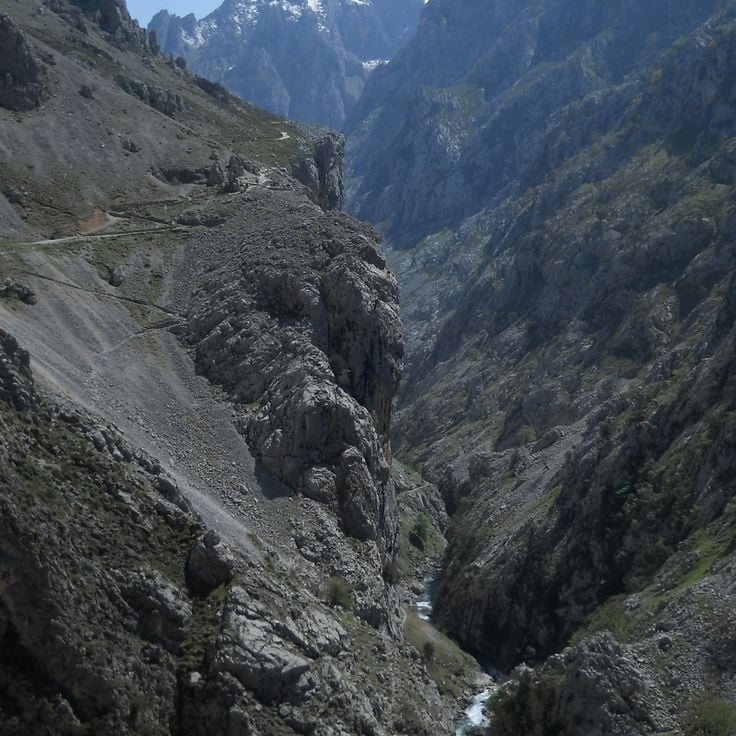
The Cares route is a hiking path that cuts through an impressive gorge. Sheer rock walls rise on both sides as the river flows far below. The trail winds along the mountainside, revealing the landscape from different angles with each turn. You walk through one of the Asturias' most striking natural formations, where the power of nature is on full display. This path connects the region's dramatic geography to its character.
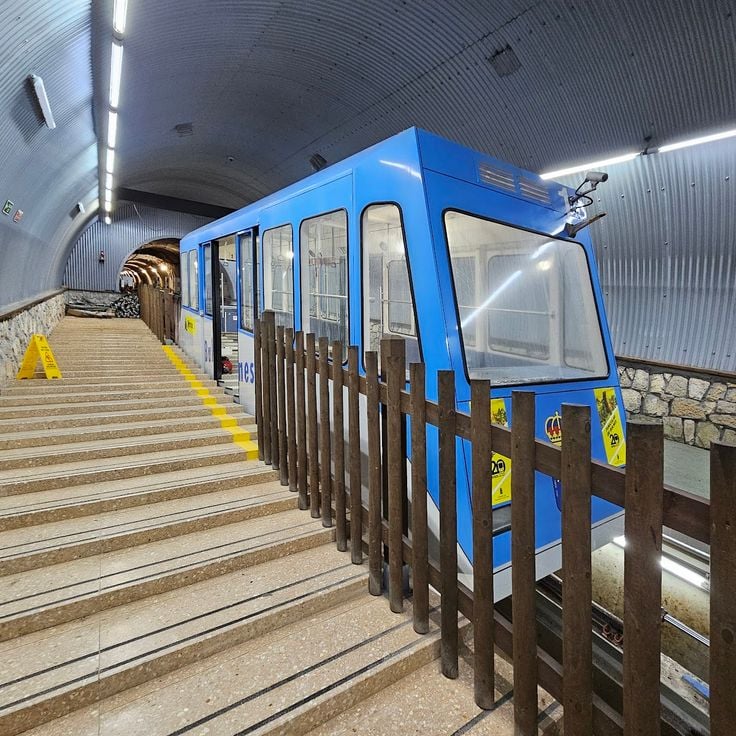
The Funiculaire de Bulnes connects Poncebos to the mountain village of Bulnes in the Picos de Europa. This cable railway cuts through one of the most dramatic landscapes in Asturias, where steep rock walls and narrow valleys shape the terrain. The ride provides direct access to a remote location that would otherwise require a long hike on foot. Built in the 20th century, this engineering feat is integrated into the mountain landscape of Asturias and carries visitors to a place where traditional ways of life and wild nature have persisted.
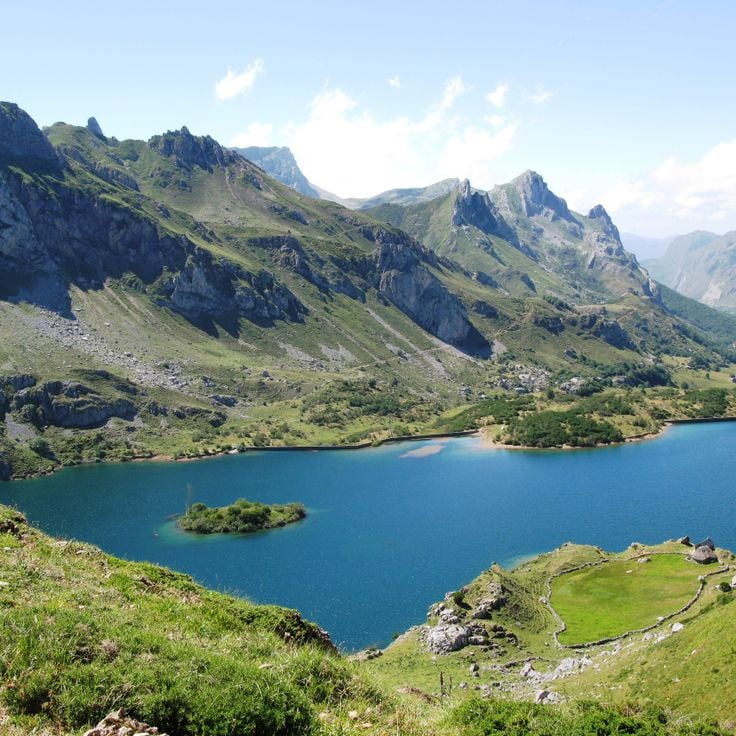
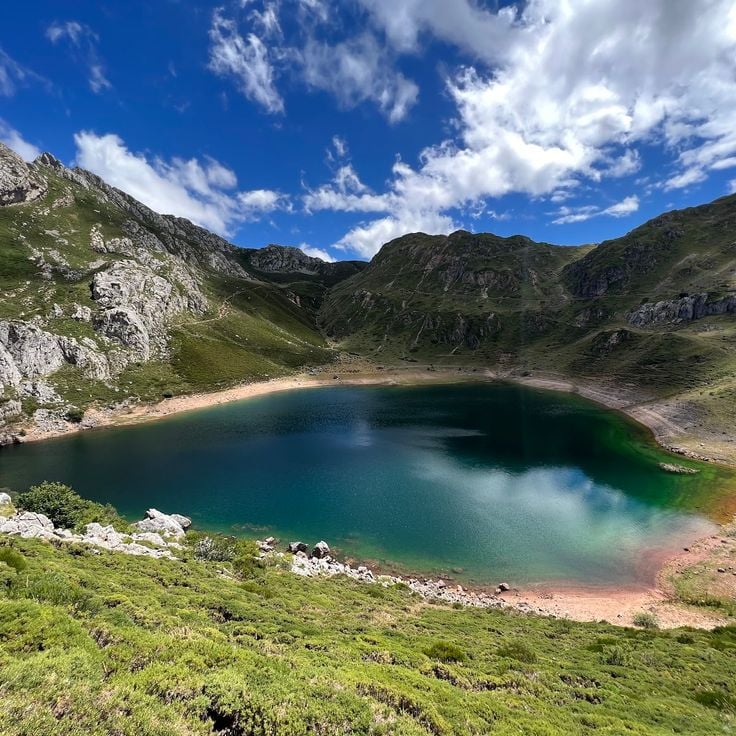
The Saliencia Lakes in this natural park are alpine waters nestled in a mountain valley. They sit in Somiedo in Asturias, a region squeezed between the sea and steep peaks. These lakes are part of a protected area that preserves evidence of ancient human presence and offers paths through green slopes. The landscape shifts between water, rock, and plant life.
The Natural Park of Redes sits in Asturias, in the heart of mountain highlands with forests and rocky ridges. This park is one of the places that gives Asturias its character. Its landscapes show the raw nature of the region between the Cantabrian coast and steep summits.
The Museo del Pueblo de Asturias in Gijon shows how people in Asturias lived over time. The museum displays traditional crafts, clothing, furniture and everyday objects from different periods. You can learn how life changed in this region, from mountain farming communities to coastal fishing villages. The museum preserves the story of Asturian culture and shows what made life here distinct.
The Cueva de El Pindal is a cave with prehistoric rock engravings located near Llanes in Asturias. Early people lived in this coastal area and left marks on the stone walls to record their lives and thoughts. The engravings date back thousands of years, to a time when the climate and landscape were quite different from today. This site sits within a region shaped by green mountains and the sea, where human traces reveal how people adapted to these dramatic surroundings long ago.
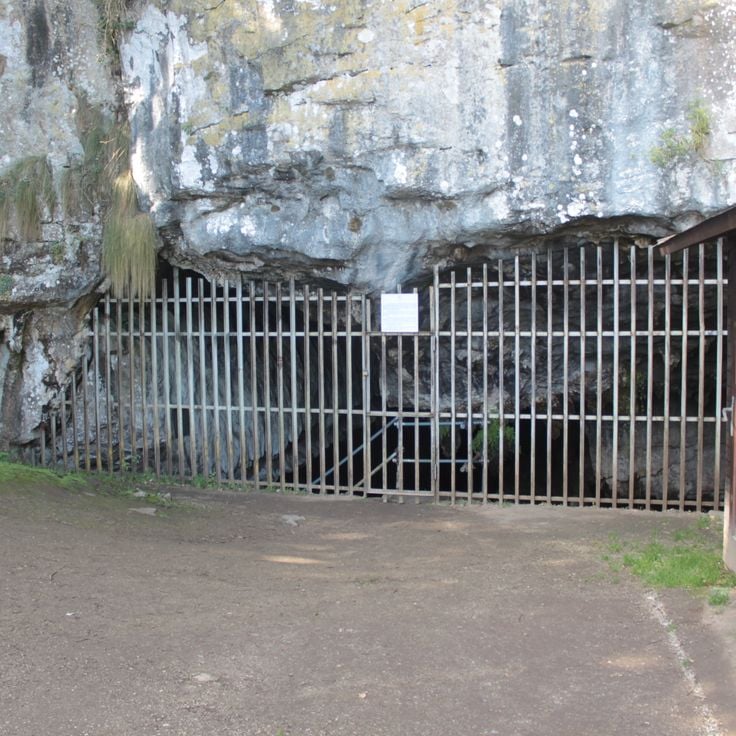
The Cueva de la Pena de Candamo is a cave with prehistoric wall paintings located in Asturias. It sits in this region, wedged between the Cantabrian Sea and steep mountain peaks, where heritage spans centuries. The cave is inscribed on the UNESCO World Heritage List and shows traces of very ancient human occupation. It is one of the places that gives Asturias its character, between historical memory and changing landscapes.
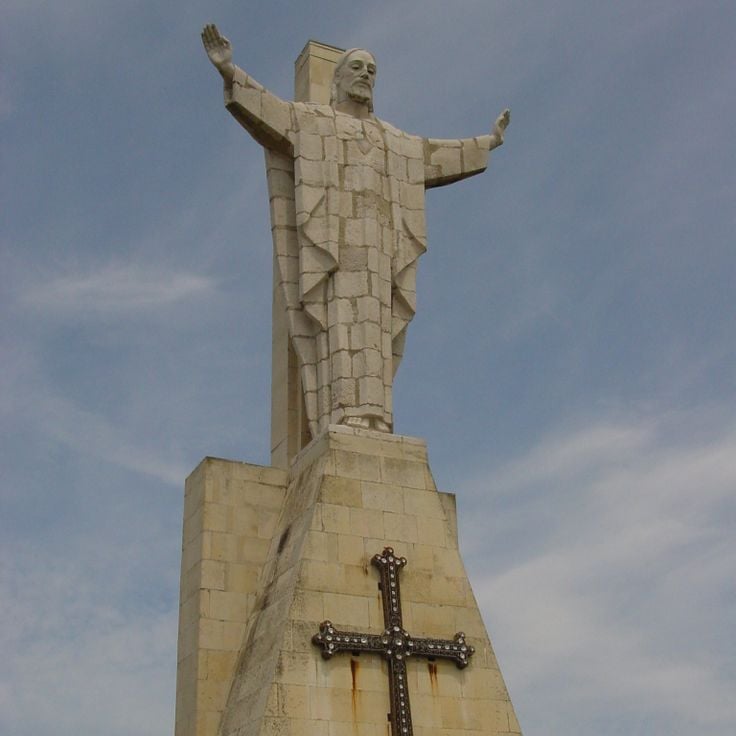
The Sagrado Corazón de Jesús sits on a hilltop where you can see across Oviedo and the surrounding landscape. From here, the view reveals how the city sits between the coast and the mountains of Asturias. Standing at this vantage point gives you a sense of Oviedo's place within its region and how the terrain shapes the area.
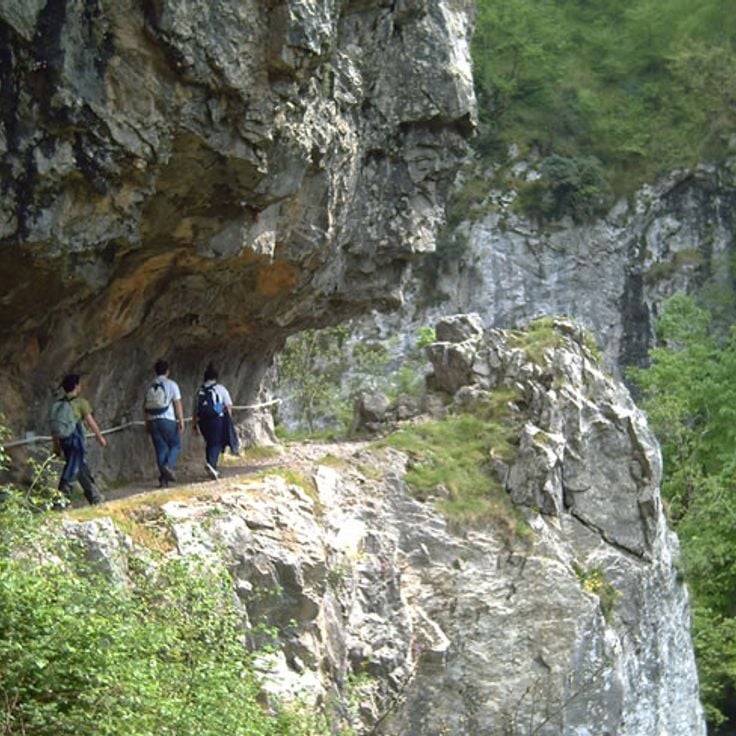
The Ruta de las Xanas is a walking trail that cuts through a narrow gorge in Asturias. The path runs along wooden platforms and walkways fastened to the rock walls. Water rushes beneath your feet as the cliffs rise around you. This route shows the raw power of nature in a region caught between the sea and the mountains.
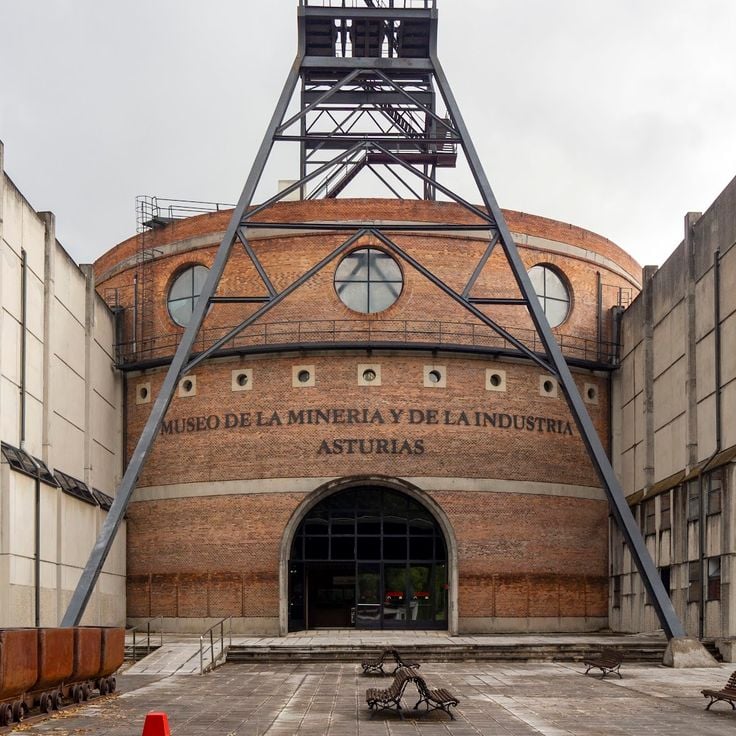
The Mining and Industry Museum in San Martín del Rey Aurelio tells the story of mining and industrial work that shaped Asturias. The museum displays how these activities changed the lives of people and the land itself. Visitors learn about the role mining played in the region's economic development and how communities depended on this work for their survival.
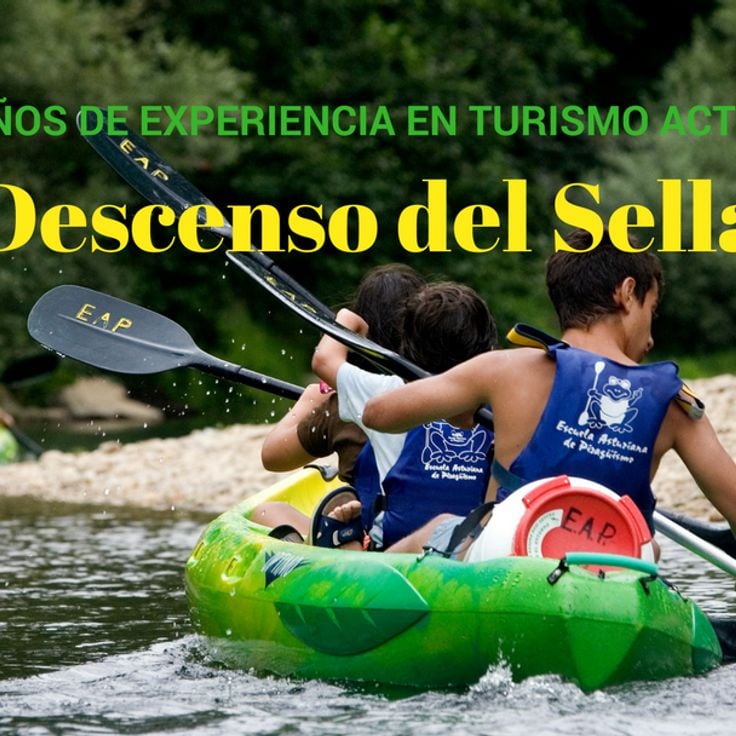
The Sella descent is a canoe journey along the Sella River between Arriondas and Ribadesella. This route connects two small towns in Asturias and flows through landscape shaped by green hills and rock walls. Paddlers pass banks thick with vegetation and experience the river up close. The journey shows the natural side of this region, where water and land meet.
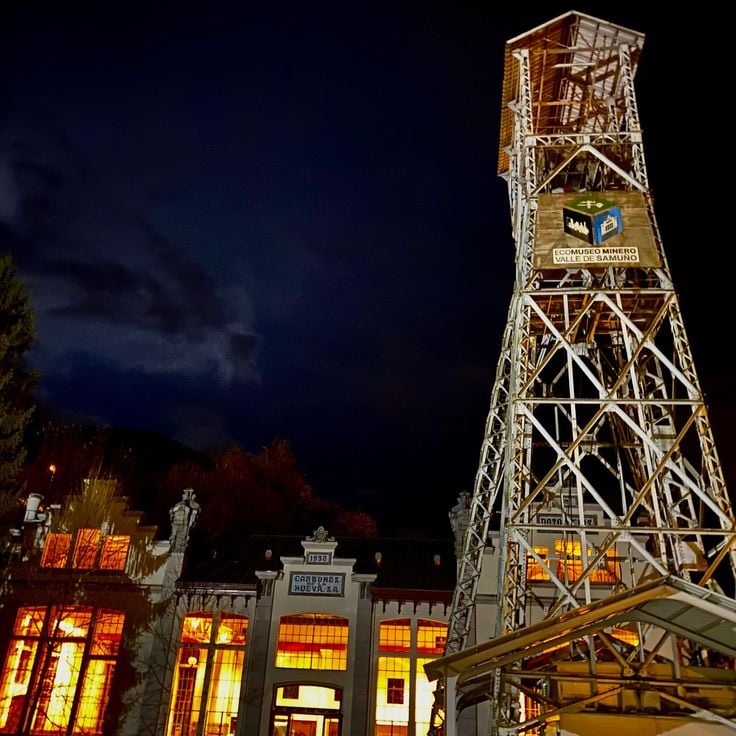
The Ecomuseo Minero Valle de Samuno in Cabrales tells the story of mining in Asturias. A museum with a heritage mining train shows how traditional mining work was done. This place fits into the character of Asturias, a region between the sea and mountains that preserves not only medieval churches and beaches, but also traces of its industrial past.
The Cathedral of San Salvador stands at the heart of Oviedo and brings together architecture from different periods. It sits alongside early churches from the 9th century such as Santa Maria del Naranco and San Miguel de Lillo, which are UNESCO World Heritage sites. This cathedral is a place where the history of Asturias reveals itself in stone and arches, making the region's religious past come alive.
Gulpiyuri Beach sits in Llanes as a small cove inland, reached through a cave. This beach shows what makes Asturias special, where nature creates surprising forms. The setting among cliffs and green hills reflects why this region between the Cantabrian Sea and steep peaks offers such varied landscapes.
Santa Maria del Naranco is a church from the 9th century perched on a hillside near Oviedo. It was built in an era long before the great Gothic cathedrals of Europe. The church displays a different construction style than what visitors might expect - it has low arches, slender columns, and terraces with balustrades. The stone building feels solid and has endured through the centuries. Today Santa Maria del Naranco, along with the nearby church of San Miguel de Lillo, is recognized as a World Heritage site because both are important examples of early Christian architecture in Asturias.
Playa de Ballota near Llanes is a beach surrounded by tall cliffs and rocky outcrops along the Asturian coast. The water flows between stone formations, creating a sheltered cove where the sand stretches wide. Steep cliffs frame the beach on either side. This spot represents the kind of coastal landscape found throughout Asturias, where mountains meet the sea in dramatic fashion.
San Miguel de Lillo is a 9th-century church that sits in the hills near Oviedo. This building shows how people constructed structures in the early medieval period, long before Romanesque architecture spread through the region. The church appears on the UNESCO World Heritage list and draws visitors who want to understand the history of Asturias. You can see how people built over 1000 years ago, with stones and techniques that have survived to this day.
Picos de Europa National Park near Cabrales is a mountain massif marked by high peaks and deep valleys. The park offers hiking trails of different difficulty levels and mountain shelters for visitors. The geology reveals limestone formations with caves and caverns throughout the landscape. Below the peaks lie meadows and small streams. This is a place where people come to walk demanding paths and experience raw mountain terrain.
Puerto de Vega is a small fishing village on the Asturian coast, nestled between the Cantabrian Sea and green hillsides. The active harbor shapes daily life in the settlement, where fishermen use traditional boats and unload their catch. The village keeps the feel of a working harbor, where you can see how the sea's rhythms shape how residents live. Puerto de Vega shows how Asturian coastal settlements stay connected to both tradition and modern fishing trade.
Laboral Ciudad de la Cultura stands in the Cimadevilla neighborhood as a contemporary cultural center that reflects Asturias' creative energy and forward-looking spirit. The building combines modern architecture with cultural programs and shows how the region preserves its heritage while moving ahead. This place hosts art exhibitions, events, and serves as a space where the city's cultural life unfolds.
Lastres is a village built in tiers up a hillside with views over the coast. The village fits into the Asturian landscape where old architecture and sea views come together. The typical houses show how maritime life has shaped this place over time, and how people have lived here between the ocean and the mountains. From Lastres you can see what defines Asturias: the bond between water and land, between history and the present day.
The Niemeyer Center in Avilés is a cultural center designed by Brazilian architect Oscar Niemeyer. It demonstrates the contemporary cultural vitality of Asturias and stands alongside medieval churches and natural landscapes that define this region.
Playa del Silencio is a beach in Cudillero set deep within towering cliffs. This cove sits surrounded by steep rock faces that drop straight into the sea. The beach itself is small and remote, difficult to access, which sets it apart from other coastal spots. The landscape here is raw and wild, with green hills rising behind the cliffs. The water is cold and waves can be rough. This place draws people seeking solitude and quiet, away from crowded beaches.
Bulnes is an isolated village set in the Picos de Europa within the Asturian mountains. For centuries, the only way to reach this place was on foot through steep mountain paths. Now a funicular railway carries visitors up the mountainside to the village. Bulnes shows how people have adapted to life in this harsh terrain. Houses are built into the rock face, and daily life here reflects traditions tied to livestock farming and the surrounding mountains. The village serves as a base for hikers and climbers exploring the Picos de Europa.
Playa de Torimbia is a naturist beach near the village of Llanes in Asturias. High cliffs rise above the shoreline and drop sharply into the sea. The beach sits in a small cove where golden sand stretches between rock walls. Green hills surround the area, making it a secluded spot compared to other beaches in the region. Rocks and smaller inlets create depth and interest along the waterline.
Playa de Cuevas del Mar near Llanes shows how Asturias connects beaches with rock formations along its coast. When the tide goes out, sea caves become accessible within the cliffs below the beach. The shore sits surrounded by green hills and represents the kind of hidden place that defines Asturian beaches. Visitors can move between swimming and exploring natural cave formations depending on when they arrive relative to the tides.
Cudillero is a small village on the Asturian coast shaped like an amphitheater around its harbor. Colorful houses stack up the steep hillside facing the water. This place shows the real life of the fishing communities that have existed here for centuries. Narrow streets wind uphill, and the smell of the sea is everywhere. Cudillero is one of the locations that gives Asturias its character, where history and nature meet.
Cabo de Penas is the northernmost point of Asturias. From this headland, you look out at the Cantabrian Sea and rocky coastlines. The place feels open and windswept, shaped by the sea and weather. Visitors walk along cliff paths and see wild beaches far below. The lighthouse has stood here for centuries. This is a place to feel the force of the ocean and understand why this region's coast is known to many people. The views stretch across water and stone.
Luarca is a fishing village on the Asturian coast where white houses line the harbor and life revolves around the sea. The town embodies the maritime heritage of Asturias with its working port, where fishermen anchor their boats and daily rhythms follow the patterns of the water. The typical Asturian architecture and proximity to cliffs make Luarca an example of the connection between sea and mountain landscape that defines the region.
The Bufones de Pria are sea cliffs along the Asturian coast where waves surge through natural openings in the rock and shoot water fountains high into the air. This natural display happens when waves push into cavities and cracks, forcing water upward with force. On stormy days, these jets reach impressive heights and create a loud, roaring sound. Located near Llanes, the Bufones sit within the wild Asturian coastal landscape and demonstrate the raw power of the sea meeting stone. They are part of what gives this region its character, where nature and history shape the land.
Somiedo Natural Park sits in Asturias between the Cantabrian Sea and steep mountains, home to alpine lakes and the Pyrenean bear. This park displays the diverse nature of the region, where ancient human settlements meet unspoiled landscapes. The lakes and forests here are part of what gives Asturias its character.
The fishing village of Tazones in Villaviciosa shows how people live along the Asturian coast. Its small harbor holds fishing boats that define this coastal community. Narrow streets and buildings speak to centuries of connection to the sea. This place embodies the authentic culture of Asturias, where history and daily work remain visible.
Sotres is a mountain village located in the Picos de Europa within the Cabrales area of Asturias. This village is part of the Asturian heritage that stretches between historical memory and changing landscapes. Sotres shows how people have lived in these mountains for centuries, surrounded by steep peaks and verdant slopes that define this region.
Candas is a fishing port in Asturias where daily life follows the rhythm of the sea. Traditional houses line the waterfront, built over many generations by fishing families. The port sits in the Cabrales area, surrounded by the steep cliffs and mountains that define this region. Walking around the harbor, you see fishermen at work, boats being unloaded, and the way local people move through the space naturally.
The Hayedo de Montegrande in Somiedo is a beech forest with a preserved ecosystem. This forest is part of the natural spaces of Asturias, situated between the Cantabrian Sea and steep mountain ranges. Along with other places in the region, this forest shows how nature in Asturias has remained intact over time.
The Cueva de Tito Bustillo in Ribadesella holds one of Europe's most important collections of prehistoric cave paintings. This cave is inscribed on the UNESCO World Heritage List and displays artwork from the Paleolithic period preserved on its walls and ceiling. The paintings show the creativity and daily life of our ancestors. Visiting this cave connects you with the deep history of human settlement in Asturias.
The Sanctuary of Covadonga sits within the Picos de Europa, blending religious devotion with striking natural surroundings. The basilica was built at a site that has drawn pilgrims for centuries. Behind it, a cave holds a small chapel carved into the rock face. This place shapes Asturian spiritual history and appeals to visitors seeking both history and mountain landscape.
The lakes of Covadonga are two glacial lakes high in the Picos de Europa mountains. Lake Enol and Lake Ercina sit in this mountainous region of Asturias, where hikers and visitors find alpine terrain and views of steep peaks. The water reflects the surrounding slopes, and the lakes are bordered by meadows and rock formations. These lakes are part of the mountain heritage that defines Asturias, connecting visitors to the region's dramatic geography.
The Cares route is a hiking path that cuts through an impressive gorge. Sheer rock walls rise on both sides as the river flows far below. The trail winds along the mountainside, revealing the landscape from different angles with each turn. You walk through one of the Asturias' most striking natural formations, where the power of nature is on full display. This path connects the region's dramatic geography to its character.
The Funiculaire de Bulnes connects Poncebos to the mountain village of Bulnes in the Picos de Europa. This cable railway cuts through one of the most dramatic landscapes in Asturias, where steep rock walls and narrow valleys shape the terrain. The ride provides direct access to a remote location that would otherwise require a long hike on foot. Built in the 20th century, this engineering feat is integrated into the mountain landscape of Asturias and carries visitors to a place where traditional ways of life and wild nature have persisted.
The Saliencia Lakes in this natural park are alpine waters nestled in a mountain valley. They sit in Somiedo in Asturias, a region squeezed between the sea and steep peaks. These lakes are part of a protected area that preserves evidence of ancient human presence and offers paths through green slopes. The landscape shifts between water, rock, and plant life.
The Natural Park of Redes sits in Asturias, in the heart of mountain highlands with forests and rocky ridges. This park is one of the places that gives Asturias its character. Its landscapes show the raw nature of the region between the Cantabrian coast and steep summits.
The Museo del Pueblo de Asturias in Gijon shows how people in Asturias lived over time. The museum displays traditional crafts, clothing, furniture and everyday objects from different periods. You can learn how life changed in this region, from mountain farming communities to coastal fishing villages. The museum preserves the story of Asturian culture and shows what made life here distinct.
The Cueva de El Pindal is a cave with prehistoric rock engravings located near Llanes in Asturias. Early people lived in this coastal area and left marks on the stone walls to record their lives and thoughts. The engravings date back thousands of years, to a time when the climate and landscape were quite different from today. This site sits within a region shaped by green mountains and the sea, where human traces reveal how people adapted to these dramatic surroundings long ago.
The Cueva de la Pena de Candamo is a cave with prehistoric wall paintings located in Asturias. It sits in this region, wedged between the Cantabrian Sea and steep mountain peaks, where heritage spans centuries. The cave is inscribed on the UNESCO World Heritage List and shows traces of very ancient human occupation. It is one of the places that gives Asturias its character, between historical memory and changing landscapes.
The Sagrado Corazón de Jesús sits on a hilltop where you can see across Oviedo and the surrounding landscape. From here, the view reveals how the city sits between the coast and the mountains of Asturias. Standing at this vantage point gives you a sense of Oviedo's place within its region and how the terrain shapes the area.
The Ruta de las Xanas is a walking trail that cuts through a narrow gorge in Asturias. The path runs along wooden platforms and walkways fastened to the rock walls. Water rushes beneath your feet as the cliffs rise around you. This route shows the raw power of nature in a region caught between the sea and the mountains.
The Mining and Industry Museum in San Martín del Rey Aurelio tells the story of mining and industrial work that shaped Asturias. The museum displays how these activities changed the lives of people and the land itself. Visitors learn about the role mining played in the region's economic development and how communities depended on this work for their survival.
The Sella descent is a canoe journey along the Sella River between Arriondas and Ribadesella. This route connects two small towns in Asturias and flows through landscape shaped by green hills and rock walls. Paddlers pass banks thick with vegetation and experience the river up close. The journey shows the natural side of this region, where water and land meet.
The Ecomuseo Minero Valle de Samuno in Cabrales tells the story of mining in Asturias. A museum with a heritage mining train shows how traditional mining work was done. This place fits into the character of Asturias, a region between the sea and mountains that preserves not only medieval churches and beaches, but also traces of its industrial past.
The Cathedral of San Salvador stands at the heart of Oviedo and brings together architecture from different periods. It sits alongside early churches from the 9th century such as Santa Maria del Naranco and San Miguel de Lillo, which are UNESCO World Heritage sites. This cathedral is a place where the history of Asturias reveals itself in stone and arches, making the region's religious past come alive.
Gulpiyuri Beach sits in Llanes as a small cove inland, reached through a cave. This beach shows what makes Asturias special, where nature creates surprising forms. The setting among cliffs and green hills reflects why this region between the Cantabrian Sea and steep peaks offers such varied landscapes.
Santa Maria del Naranco is a church from the 9th century perched on a hillside near Oviedo. It was built in an era long before the great Gothic cathedrals of Europe. The church displays a different construction style than what visitors might expect - it has low arches, slender columns, and terraces with balustrades. The stone building feels solid and has endured through the centuries. Today Santa Maria del Naranco, along with the nearby church of San Miguel de Lillo, is recognized as a World Heritage site because both are important examples of early Christian architecture in Asturias.
Playa de Ballota near Llanes is a beach surrounded by tall cliffs and rocky outcrops along the Asturian coast. The water flows between stone formations, creating a sheltered cove where the sand stretches wide. Steep cliffs frame the beach on either side. This spot represents the kind of coastal landscape found throughout Asturias, where mountains meet the sea in dramatic fashion.
San Miguel de Lillo is a 9th-century church that sits in the hills near Oviedo. This building shows how people constructed structures in the early medieval period, long before Romanesque architecture spread through the region. The church appears on the UNESCO World Heritage list and draws visitors who want to understand the history of Asturias. You can see how people built over 1000 years ago, with stones and techniques that have survived to this day.
Picos de Europa National Park near Cabrales is a mountain massif marked by high peaks and deep valleys. The park offers hiking trails of different difficulty levels and mountain shelters for visitors. The geology reveals limestone formations with caves and caverns throughout the landscape. Below the peaks lie meadows and small streams. This is a place where people come to walk demanding paths and experience raw mountain terrain.
Puerto de Vega is a small fishing village on the Asturian coast, nestled between the Cantabrian Sea and green hillsides. The active harbor shapes daily life in the settlement, where fishermen use traditional boats and unload their catch. The village keeps the feel of a working harbor, where you can see how the sea's rhythms shape how residents live. Puerto de Vega shows how Asturian coastal settlements stay connected to both tradition and modern fishing trade.
Laboral Ciudad de la Cultura stands in the Cimadevilla neighborhood as a contemporary cultural center that reflects Asturias' creative energy and forward-looking spirit. The building combines modern architecture with cultural programs and shows how the region preserves its heritage while moving ahead. This place hosts art exhibitions, events, and serves as a space where the city's cultural life unfolds.
Lastres is a village built in tiers up a hillside with views over the coast. The village fits into the Asturian landscape where old architecture and sea views come together. The typical houses show how maritime life has shaped this place over time, and how people have lived here between the ocean and the mountains. From Lastres you can see what defines Asturias: the bond between water and land, between history and the present day.
The Niemeyer Center in Avilés is a cultural center designed by Brazilian architect Oscar Niemeyer. It demonstrates the contemporary cultural vitality of Asturias and stands alongside medieval churches and natural landscapes that define this region.
Playa del Silencio is a beach in Cudillero set deep within towering cliffs. This cove sits surrounded by steep rock faces that drop straight into the sea. The beach itself is small and remote, difficult to access, which sets it apart from other coastal spots. The landscape here is raw and wild, with green hills rising behind the cliffs. The water is cold and waves can be rough. This place draws people seeking solitude and quiet, away from crowded beaches.
Bulnes is an isolated village set in the Picos de Europa within the Asturian mountains. For centuries, the only way to reach this place was on foot through steep mountain paths. Now a funicular railway carries visitors up the mountainside to the village. Bulnes shows how people have adapted to life in this harsh terrain. Houses are built into the rock face, and daily life here reflects traditions tied to livestock farming and the surrounding mountains. The village serves as a base for hikers and climbers exploring the Picos de Europa.
Playa de Torimbia is a naturist beach near the village of Llanes in Asturias. High cliffs rise above the shoreline and drop sharply into the sea. The beach sits in a small cove where golden sand stretches between rock walls. Green hills surround the area, making it a secluded spot compared to other beaches in the region. Rocks and smaller inlets create depth and interest along the waterline.
Playa de Cuevas del Mar near Llanes shows how Asturias connects beaches with rock formations along its coast. When the tide goes out, sea caves become accessible within the cliffs below the beach. The shore sits surrounded by green hills and represents the kind of hidden place that defines Asturian beaches. Visitors can move between swimming and exploring natural cave formations depending on when they arrive relative to the tides.
Cudillero is a small village on the Asturian coast shaped like an amphitheater around its harbor. Colorful houses stack up the steep hillside facing the water. This place shows the real life of the fishing communities that have existed here for centuries. Narrow streets wind uphill, and the smell of the sea is everywhere. Cudillero is one of the locations that gives Asturias its character, where history and nature meet.
Cabo de Penas is the northernmost point of Asturias. From this headland, you look out at the Cantabrian Sea and rocky coastlines. The place feels open and windswept, shaped by the sea and weather. Visitors walk along cliff paths and see wild beaches far below. The lighthouse has stood here for centuries. This is a place to feel the force of the ocean and understand why this region's coast is known to many people. The views stretch across water and stone.
Luarca is a fishing village on the Asturian coast where white houses line the harbor and life revolves around the sea. The town embodies the maritime heritage of Asturias with its working port, where fishermen anchor their boats and daily rhythms follow the patterns of the water. The typical Asturian architecture and proximity to cliffs make Luarca an example of the connection between sea and mountain landscape that defines the region.
The Bufones de Pria are sea cliffs along the Asturian coast where waves surge through natural openings in the rock and shoot water fountains high into the air. This natural display happens when waves push into cavities and cracks, forcing water upward with force. On stormy days, these jets reach impressive heights and create a loud, roaring sound. Located near Llanes, the Bufones sit within the wild Asturian coastal landscape and demonstrate the raw power of the sea meeting stone. They are part of what gives this region its character, where nature and history shape the land.
Somiedo Natural Park sits in Asturias between the Cantabrian Sea and steep mountains, home to alpine lakes and the Pyrenean bear. This park displays the diverse nature of the region, where ancient human settlements meet unspoiled landscapes. The lakes and forests here are part of what gives Asturias its character.
The fishing village of Tazones in Villaviciosa shows how people live along the Asturian coast. Its small harbor holds fishing boats that define this coastal community. Narrow streets and buildings speak to centuries of connection to the sea. This place embodies the authentic culture of Asturias, where history and daily work remain visible.
Sotres is a mountain village located in the Picos de Europa within the Cabrales area of Asturias. This village is part of the Asturian heritage that stretches between historical memory and changing landscapes. Sotres shows how people have lived in these mountains for centuries, surrounded by steep peaks and verdant slopes that define this region.
Candas is a fishing port in Asturias where daily life follows the rhythm of the sea. Traditional houses line the waterfront, built over many generations by fishing families. The port sits in the Cabrales area, surrounded by the steep cliffs and mountains that define this region. Walking around the harbor, you see fishermen at work, boats being unloaded, and the way local people move through the space naturally.
The Hayedo de Montegrande in Somiedo is a beech forest with a preserved ecosystem. This forest is part of the natural spaces of Asturias, situated between the Cantabrian Sea and steep mountain ranges. Along with other places in the region, this forest shows how nature in Asturias has remained intact over time.
The Cueva de Tito Bustillo in Ribadesella holds one of Europe's most important collections of prehistoric cave paintings. This cave is inscribed on the UNESCO World Heritage List and displays artwork from the Paleolithic period preserved on its walls and ceiling. The paintings show the creativity and daily life of our ancestors. Visiting this cave connects you with the deep history of human settlement in Asturias.
The Sanctuary of Covadonga sits within the Picos de Europa, blending religious devotion with striking natural surroundings. The basilica was built at a site that has drawn pilgrims for centuries. Behind it, a cave holds a small chapel carved into the rock face. This place shapes Asturian spiritual history and appeals to visitors seeking both history and mountain landscape.
The lakes of Covadonga are two glacial lakes high in the Picos de Europa mountains. Lake Enol and Lake Ercina sit in this mountainous region of Asturias, where hikers and visitors find alpine terrain and views of steep peaks. The water reflects the surrounding slopes, and the lakes are bordered by meadows and rock formations. These lakes are part of the mountain heritage that defines Asturias, connecting visitors to the region's dramatic geography.
The Cares route is a hiking path that cuts through an impressive gorge. Sheer rock walls rise on both sides as the river flows far below. The trail winds along the mountainside, revealing the landscape from different angles with each turn. You walk through one of the Asturias' most striking natural formations, where the power of nature is on full display. This path connects the region's dramatic geography to its character.
The Funiculaire de Bulnes connects Poncebos to the mountain village of Bulnes in the Picos de Europa. This cable railway cuts through one of the most dramatic landscapes in Asturias, where steep rock walls and narrow valleys shape the terrain. The ride provides direct access to a remote location that would otherwise require a long hike on foot. Built in the 20th century, this engineering feat is integrated into the mountain landscape of Asturias and carries visitors to a place where traditional ways of life and wild nature have persisted.
The Saliencia Lakes in this natural park are alpine waters nestled in a mountain valley. They sit in Somiedo in Asturias, a region squeezed between the sea and steep peaks. These lakes are part of a protected area that preserves evidence of ancient human presence and offers paths through green slopes. The landscape shifts between water, rock, and plant life.
The Natural Park of Redes sits in Asturias, in the heart of mountain highlands with forests and rocky ridges. This park is one of the places that gives Asturias its character. Its landscapes show the raw nature of the region between the Cantabrian coast and steep summits.
The Museo del Pueblo de Asturias in Gijon shows how people in Asturias lived over time. The museum displays traditional crafts, clothing, furniture and everyday objects from different periods. You can learn how life changed in this region, from mountain farming communities to coastal fishing villages. The museum preserves the story of Asturian culture and shows what made life here distinct.
The Cueva de El Pindal is a cave with prehistoric rock engravings located near Llanes in Asturias. Early people lived in this coastal area and left marks on the stone walls to record their lives and thoughts. The engravings date back thousands of years, to a time when the climate and landscape were quite different from today. This site sits within a region shaped by green mountains and the sea, where human traces reveal how people adapted to these dramatic surroundings long ago.
The Cueva de la Pena de Candamo is a cave with prehistoric wall paintings located in Asturias. It sits in this region, wedged between the Cantabrian Sea and steep mountain peaks, where heritage spans centuries. The cave is inscribed on the UNESCO World Heritage List and shows traces of very ancient human occupation. It is one of the places that gives Asturias its character, between historical memory and changing landscapes.
The Sagrado Corazón de Jesús sits on a hilltop where you can see across Oviedo and the surrounding landscape. From here, the view reveals how the city sits between the coast and the mountains of Asturias. Standing at this vantage point gives you a sense of Oviedo's place within its region and how the terrain shapes the area.
The Ruta de las Xanas is a walking trail that cuts through a narrow gorge in Asturias. The path runs along wooden platforms and walkways fastened to the rock walls. Water rushes beneath your feet as the cliffs rise around you. This route shows the raw power of nature in a region caught between the sea and the mountains.
The Mining and Industry Museum in San Martín del Rey Aurelio tells the story of mining and industrial work that shaped Asturias. The museum displays how these activities changed the lives of people and the land itself. Visitors learn about the role mining played in the region's economic development and how communities depended on this work for their survival.
The Sella descent is a canoe journey along the Sella River between Arriondas and Ribadesella. This route connects two small towns in Asturias and flows through landscape shaped by green hills and rock walls. Paddlers pass banks thick with vegetation and experience the river up close. The journey shows the natural side of this region, where water and land meet.
The Ecomuseo Minero Valle de Samuno in Cabrales tells the story of mining in Asturias. A museum with a heritage mining train shows how traditional mining work was done. This place fits into the character of Asturias, a region between the sea and mountains that preserves not only medieval churches and beaches, but also traces of its industrial past.