Cueva de San Román
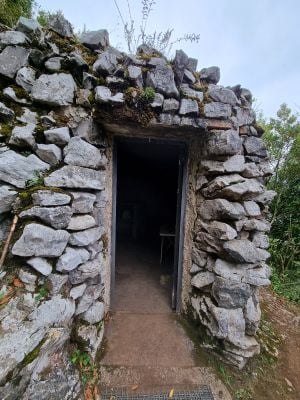
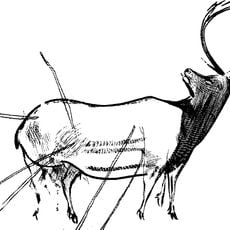
Cueva de San Román is a natural cave in San Román, Candamo, in Asturias decorated with paintings and carvings dating to prehistoric times. The cave extends about 200 feet (60 meters) with several chambers including a main hall showing layered depictions of horses, deer, bison, and other animals alongside red symbols and geometric markings.
The cave was first thoroughly studied in 1914 when researchers, led by E. Hernández Pacheco, documented the artwork between 1914 and 1917. The paintings were created across multiple periods of the Paleolithic era more than 20,000 years ago and the site was designated a UNESCO World Heritage site in 2008.
The cave's name connects to local religious heritage tied to the region. Visitors can observe today how animal and symbol depictions were arranged throughout the space, revealing how early peoples organized their visual expressions.
The cave is accessible to visitors at designated times after being closed in 1979 for restoration and protection work. Walking paths guide you through different chambers and spaces where you will encounter natural rock formations and preserved artworks on the walls.
A notable feature is the Camarín, an elevated small recess high on the rock wall where six animals were painted to create a kind of natural stage. This inventive use of space demonstrates how early artists cleverly utilized the cave's natural features to display their work.
The community of curious travelers
AroundUs brings together thousands of curated places, local tips, and hidden gems, enriched daily by 60,000 contributors worldwide.