Routes of Santiago de Compostela: Camino Francés and Routes of Northern Spain, Medieval pilgrimage network in northern Spain
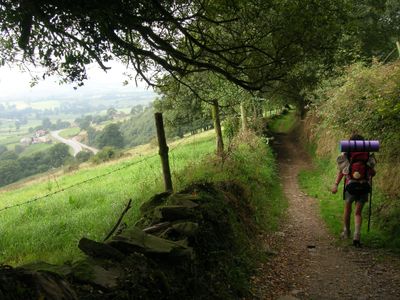
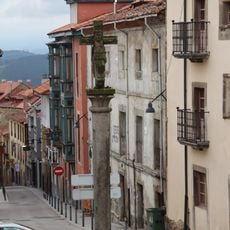
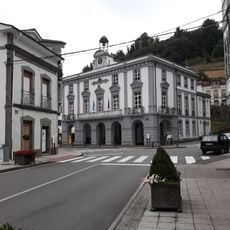
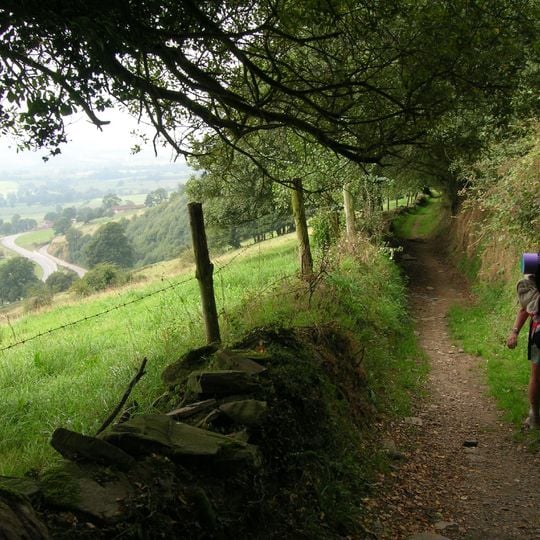
The Routes of Santiago de Compostela form an extensive network of paths that span eight Spanish regions and connect multiple medieval cities. The system links the French border with the sanctuary in Galicia through several main ways, including the well-known Camino Francés and various northern routes.
The network emerged after the legendary discovery of Saint James's remains in the 9th century and quickly became one of the most important pilgrimage destinations of the medieval world. The importance of the routes grew over centuries as believers from across Europe walked these sacred paths.
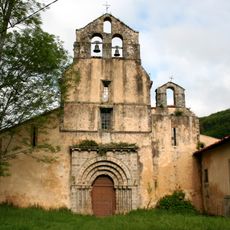
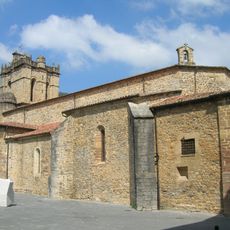
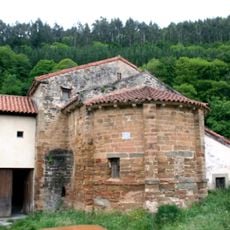
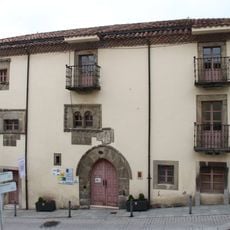
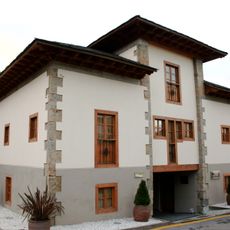
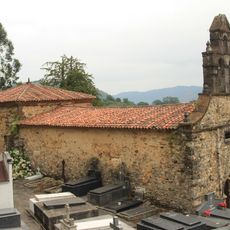
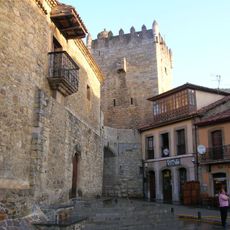
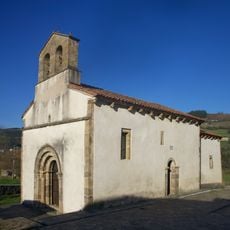
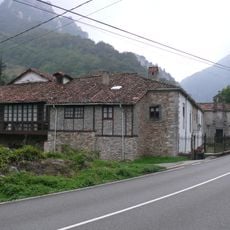
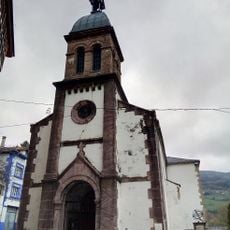
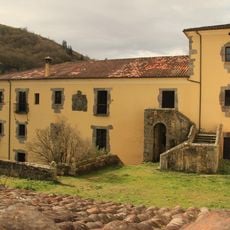
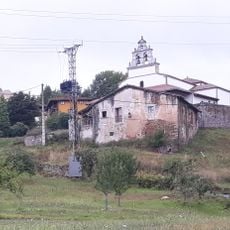
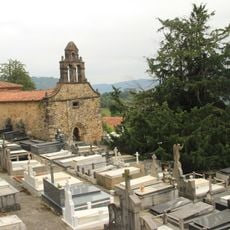
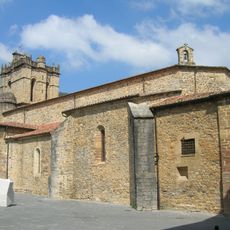
The routes are marked by religious buildings that still shape the landscape and show how pilgrims were once cared for along their journey. Churches and hostels stand as reminders of how central this pilgrimage was to people's spiritual lives.
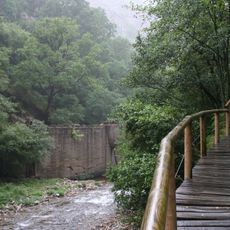
The various routes offer different difficulty levels and lengths depending on the chosen path and starting point. Pilgrims find regularly marked stations, lodging, and food options distributed along the network to help with planning daily stages.
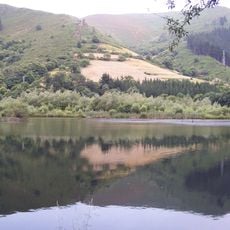
The Northern Routes follow the Cantabrian coast and were historically important alternatives to the Camino Francés, especially when that main path was considered unsafe. These coastal routes offered pilgrims not only different landscapes but also additional protective options during their journey.
The community of curious travelers
AroundUs brings together thousands of curated places, local tips, and hidden gems, enriched daily by 91,683 contributors worldwide.