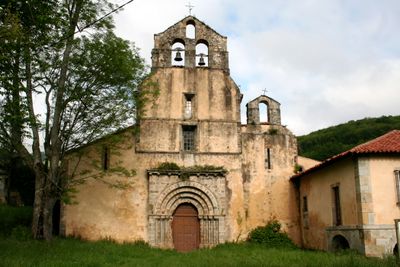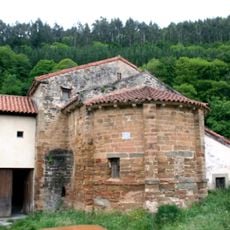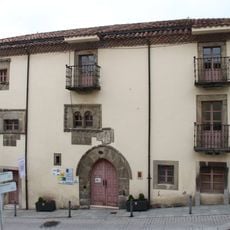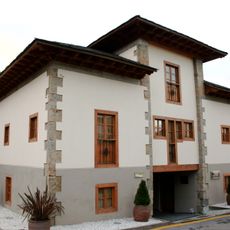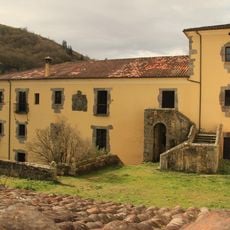
Monastery of Santa María la Real in Obona, Romanesque monastery on Camino Primitivo in Tinéu, Spain
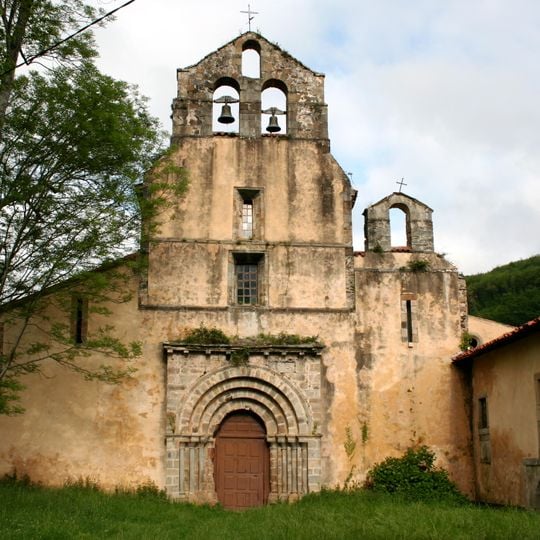
Monastery of Santa María la Real in Obona is a Cistercian complex set near the Camino Primitivo pilgrimage route in Asturias. The buildings display Romanesque features including stone walls, rounded arches, and interconnected spaces such as the church, cloister, and service buildings.
The monastery was established in 1168 as a response to the religious movements of the 12th century that allowed women to organize within structured monastic communities. It became one of the most important female Cistercian houses in the Iberian Peninsula, developing over centuries with various expansions and adaptations.
The monastery carries a name honoring the Virgin Mary, reflecting the deep connection this place holds for female spirituality within the Cistercian tradition. Women shaped this space through their daily life and prayer, leaving marks visible in how the rooms are arranged and decorated.
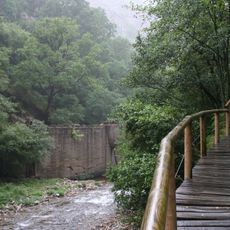
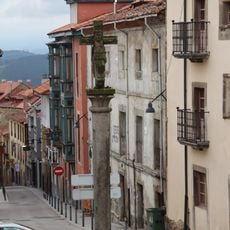
The monastery sits along the pilgrim trail and is easily reached by walkers, with access available on most days throughout the year. Visitors should wear comfortable shoes and prepare for uneven ground and old stone steps inside the buildings.
The monastery contains an architectural feature that sets it apart from other Spanish Cistercian sites: an ambulatory around the choir, a rare element in Spain's religious architecture. This unusual arrangement allowed the monks to perform processions during services in a way not typical of other monastic traditions.
The community of curious travelers
AroundUs brings together thousands of curated places, local tips, and hidden gems, enriched daily by 92,345 contributors worldwide.