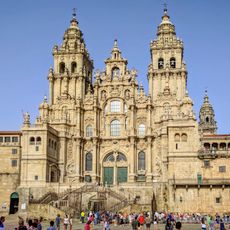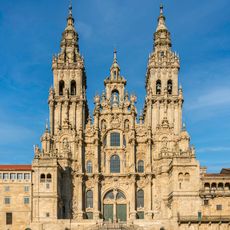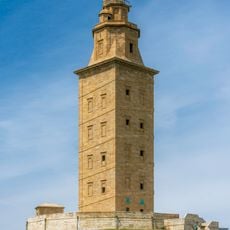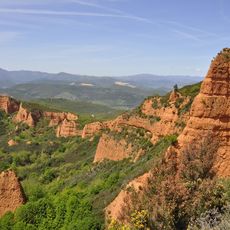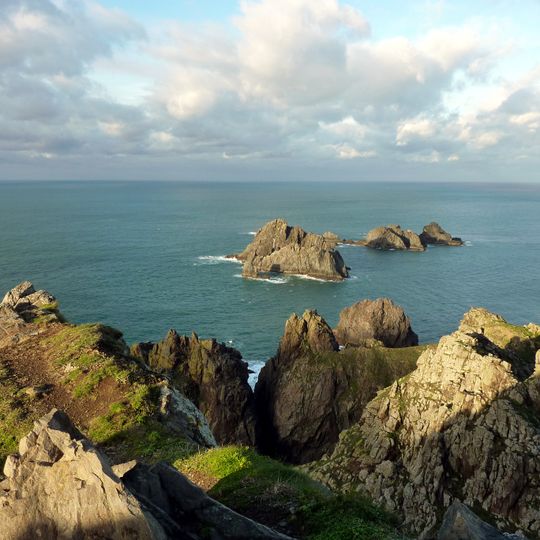
Galicia, Autonomous region in northwestern Spain.
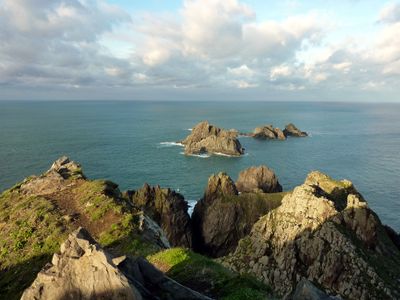
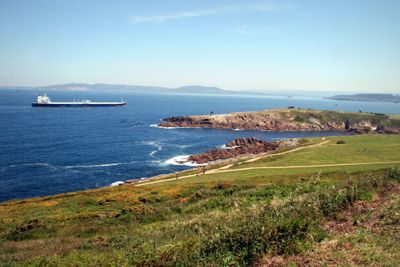
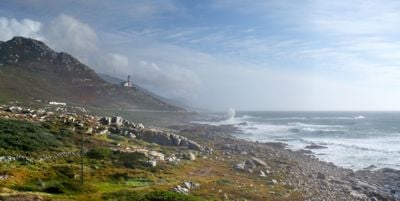
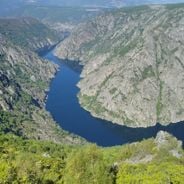
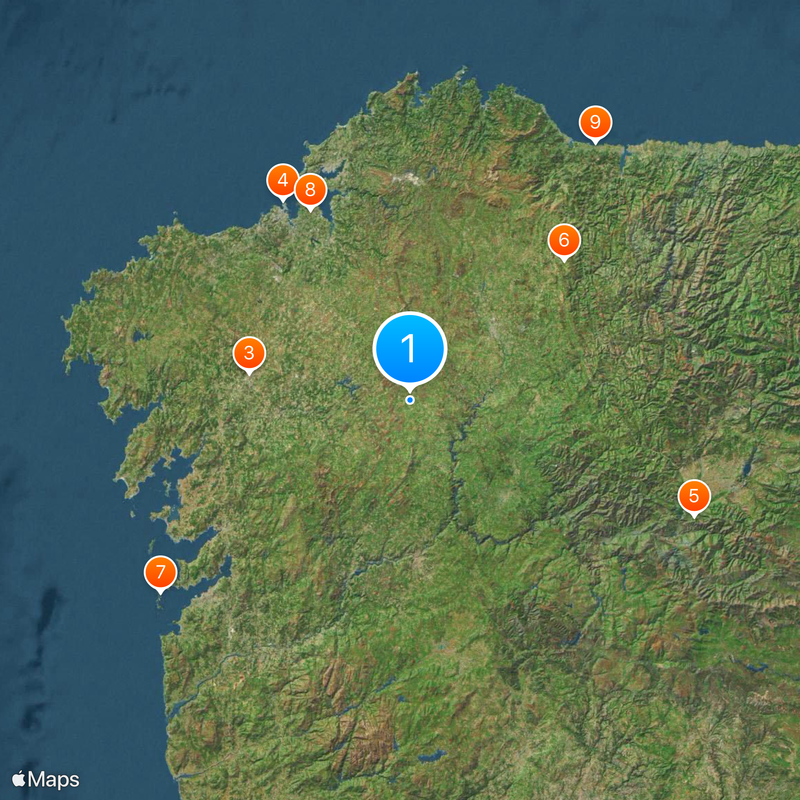
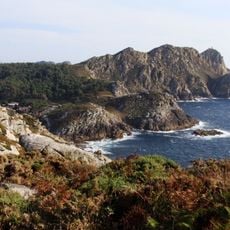
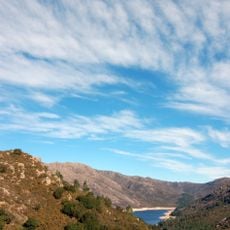
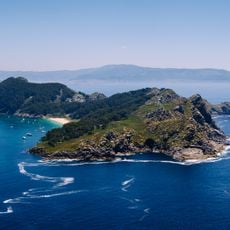
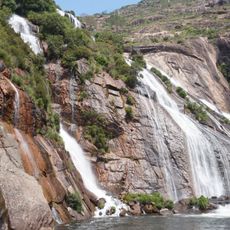
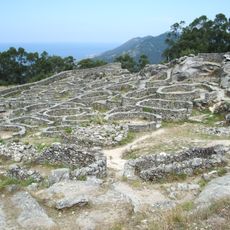
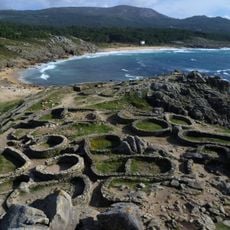
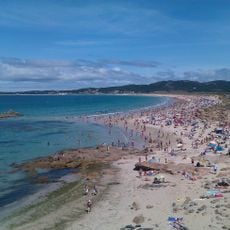
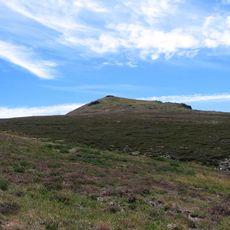
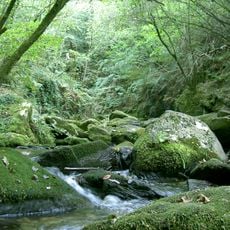
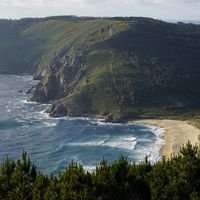
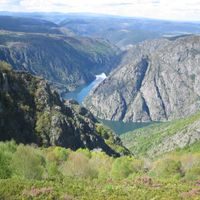
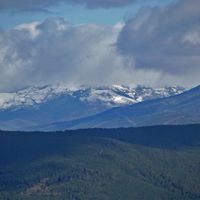
Galicia is an autonomous community in northwestern Spain made up of four provinces between the Atlantic Ocean and mountain ranges. The landscape shifts from rocky cliffs to deep estuaries, forested hills, and high plateaus that stretch toward the Portuguese border.
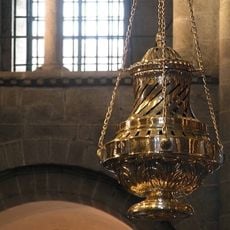
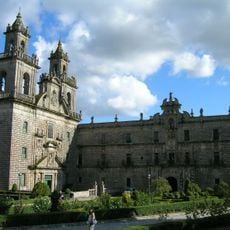
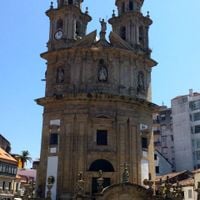
The region evolved from Celtic settlements through a medieval kingdom to a Spanish province and gained autonomy status in 1981. The pilgrimage route to Santiago de Compostela shaped the growth of towns, monasteries, and trade routes across the territory from medieval times onward.
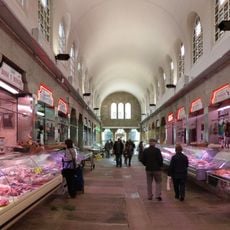
Musicians play bagpipes at village festivals and religious processions throughout the year, filling streets with traditional melodies. Weekly markets sell fresh seafood, cheese, and vegetables while neighbors chat in Galician and exchange recipes passed down through families.
The regional government Xunta de Galicia operates from Santiago de Compostela and manages education, healthcare, and public transport across the territory. Visitors can travel between major cities by regional train or use bus lines connecting smaller towns along the coast and inland areas.
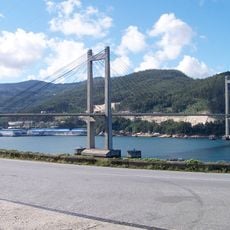
The coast features deep inlets called rías that reach inland like fingers and create sheltered bays. These waters support mussel and oyster farming on floating platforms visible at low tide.
The community of curious travelers
AroundUs brings together thousands of curated places, local tips, and hidden gems, enriched daily by 90,738 contributors worldwide.