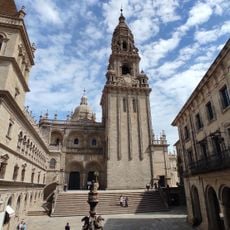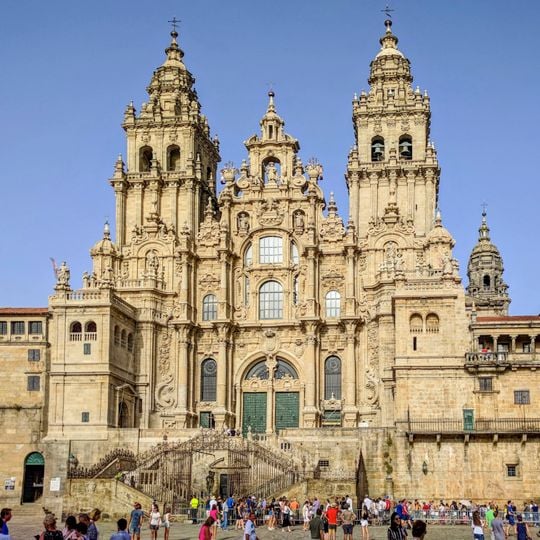
Way of Saint James, Pilgrimage route in Spain
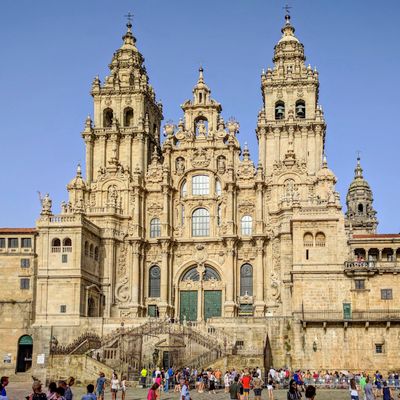
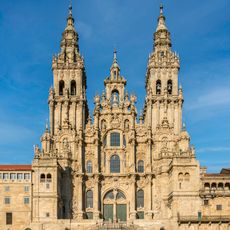
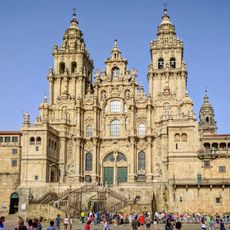
The Way of Saint James is a network of pilgrims' paths leading to the Cathedral of Santiago de Compostela in northwestern Spain, where the shrine of the apostle Saint James the Great is located. The route consists of multiple main paths that cross through different regions of Spain and beyond, accommodating walkers of various experience levels.
The route emerged in the Middle Ages as one of Christianity's most important pilgrimage destinations and became a central journey across Europe. The tradition continued for centuries and was revived in the 20th century when people began to rediscover the ancient paths.
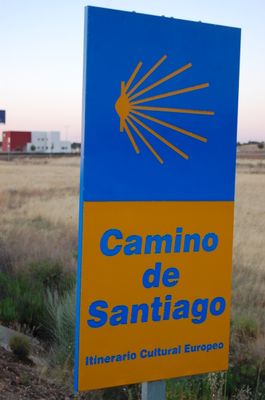
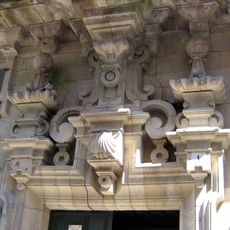
The scallop shell marks the route as a waymarker and is worn by walkers, who are thereby identified as pilgrims; in the Middle Ages it served more as proof of completion than as a symbol worn during the journey. The pilgrim's staff, often with a hook for hanging items, is the other traditional attribute. The route is also called the "Starry Way", because at night the Milky Way overhead seems to point the way.
Most sections are well marked with scallop shell symbols displayed on stones, posts, and buildings to guide walkers along the way. Accommodation and food options are regularly available along the entire route and are designed with pilgrims in mind.
The scallop shell marking the route comes from a legend in which the horse and rider of a wedding groom plunged into the sea as James's body arrived by ship, then emerged covered in shells. In the Middle Ages the shell served mainly as proof of completion, not as a badge worn during the walk.
The community of curious travelers
AroundUs brings together thousands of curated places, local tips, and hidden gems, enriched daily by 93,044 contributors worldwide.