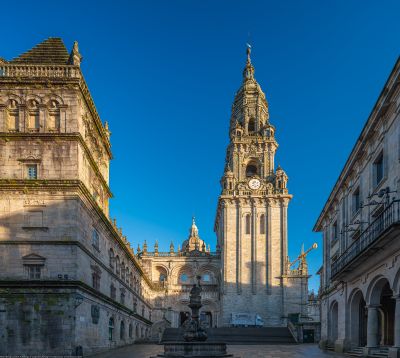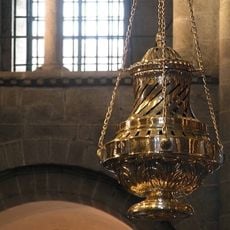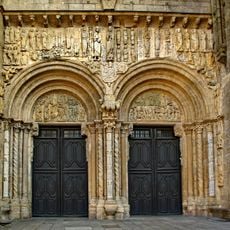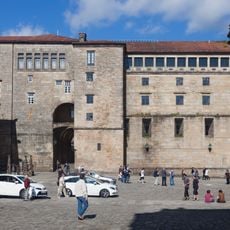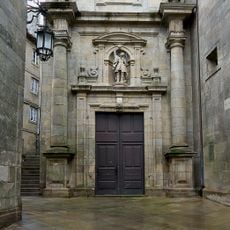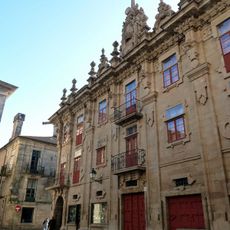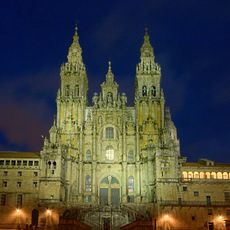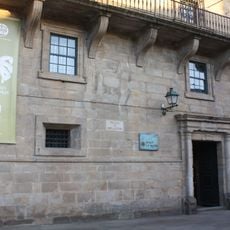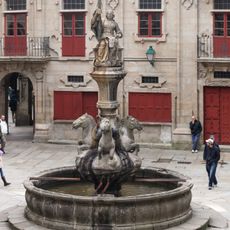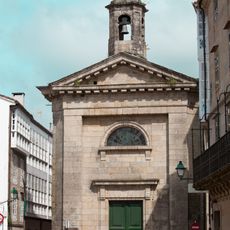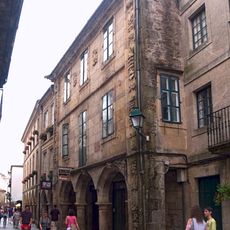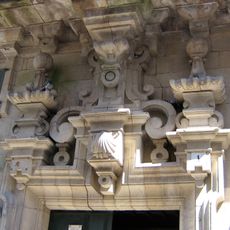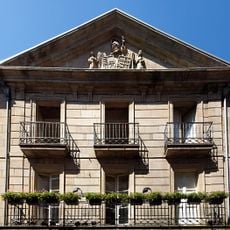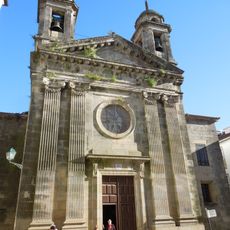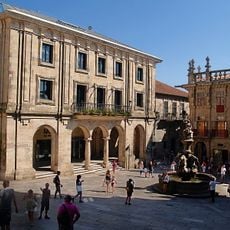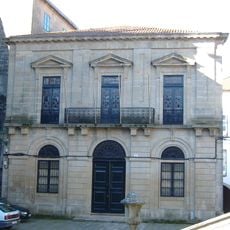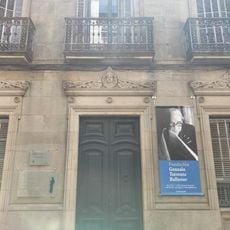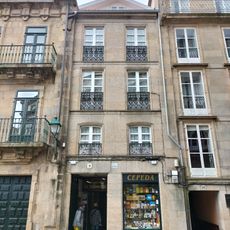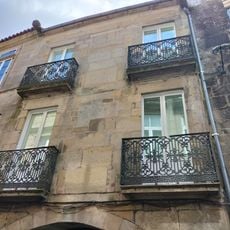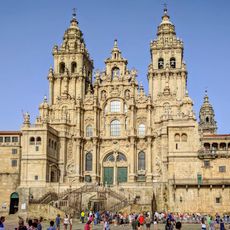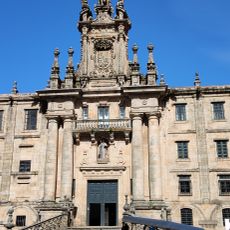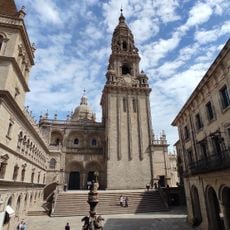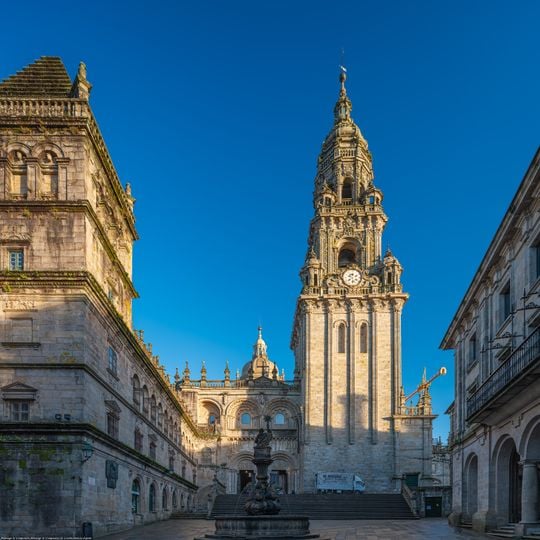
Quintana square, Medieval square in Santiago de Compostela, Spain.
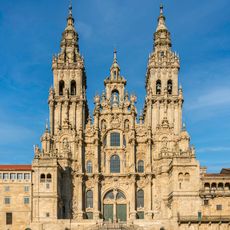
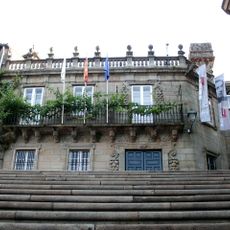
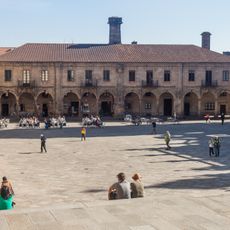
Quintana square consists of two separate levels defined by stone walls, creating distinct upper and lower sections in front of the cathedral. The layout connects multiple entrances to the holy building and provides different perspectives of its architecture from various heights.
The square expanded around the monastery of San Paio de Antealtares, originally built to protect the newly discovered tomb of Saint James. The two-level design evolved over centuries as the space served different purposes and pilgrimage routes became established.
The square's name reflects two distinct zones: Quintana de Mortos for the dead and Quintana de Vivos for the living, marking a medieval separation between cemetery and gathering place. Visitors today still move through these two areas, with the architecture itself preserving this historical division of purpose.
The square is fully pedestrian and links directly to the cathedral through multiple accesses without obstacles. The two levels are connected by stairs and gentle ramps, making it easy to move between different parts of the space.
The Berenguela tower door on the eastern side opens directly toward the Holy Door, allowing pilgrims to enter the cathedral interior without detours. This direct connection between the two entrances was a deliberate design choice for medieval pilgrimage.
The community of curious travelers
AroundUs brings together thousands of curated places, local tips, and hidden gems, enriched daily by 90,819 contributors worldwide.