Santiago de Compostela, Religious pilgrimage destination in Galicia, Spain
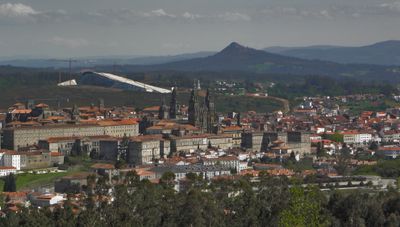
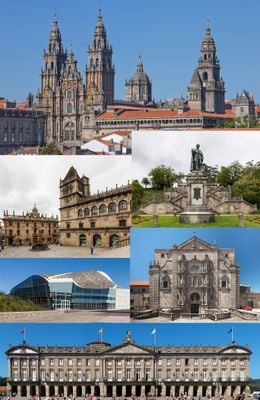
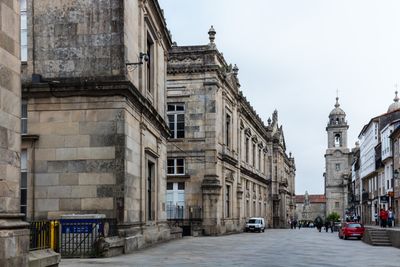
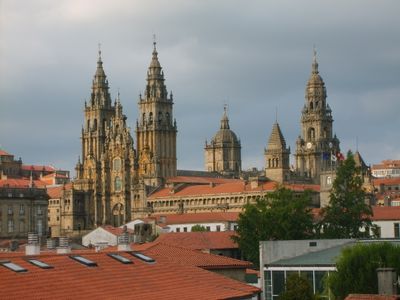
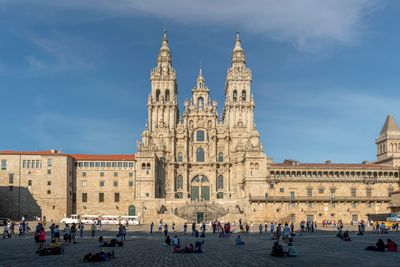
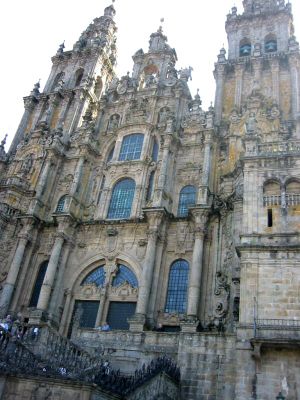
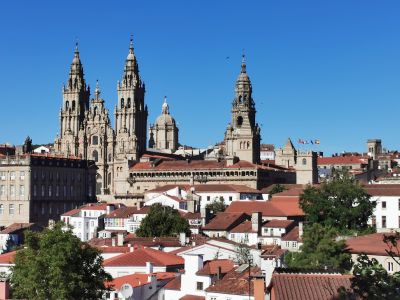
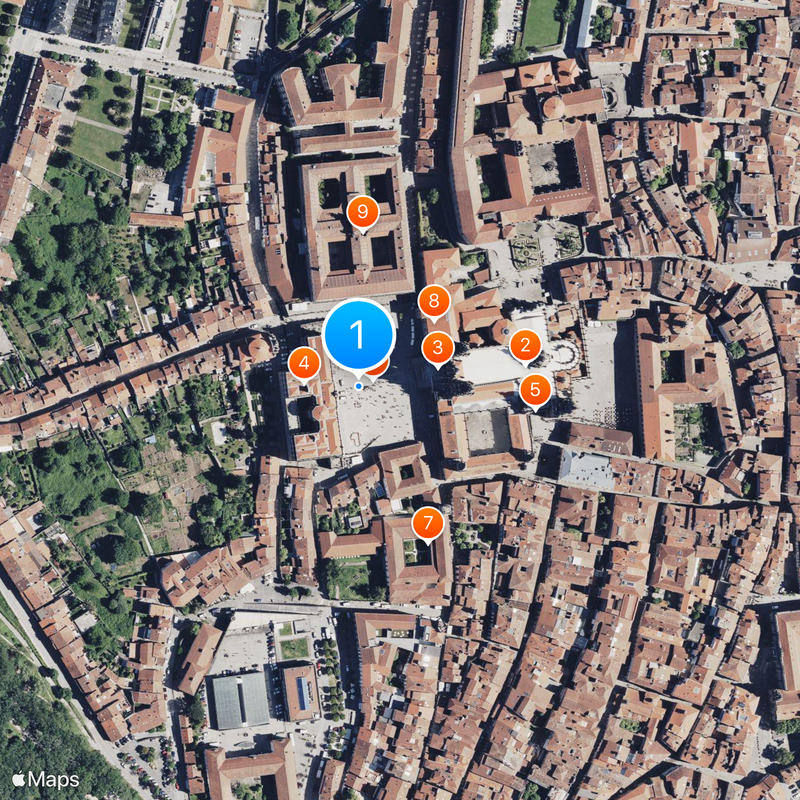
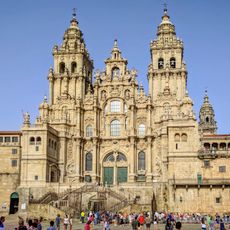
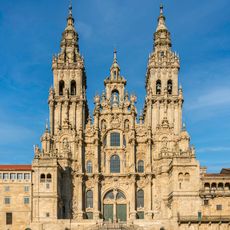
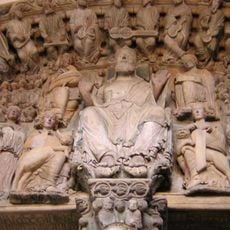
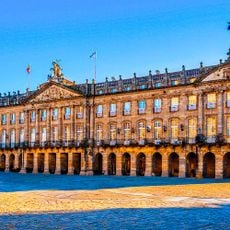
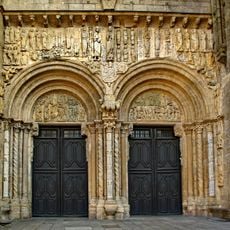
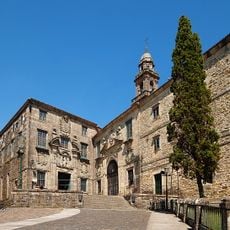
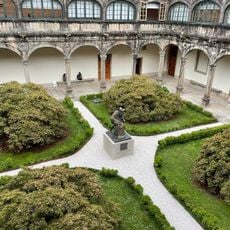
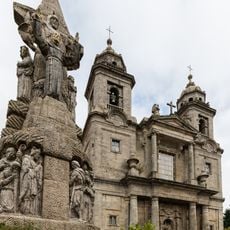
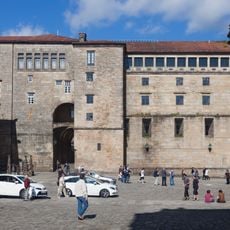
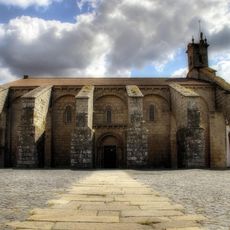
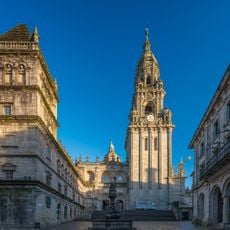
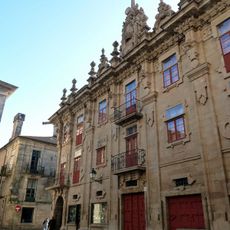
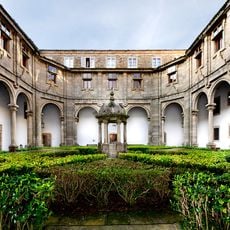
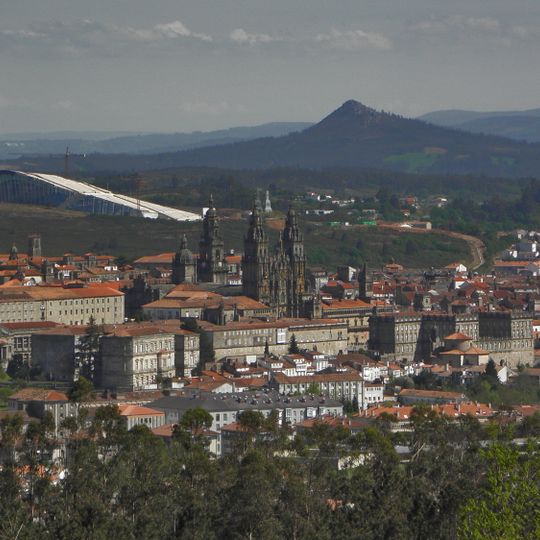
Santiago de Compostela is a city in A Coruña Province in Galicia that marks the western end of the pilgrimage route known as the Camino and is recognized as a World Heritage Site. The old town consists of cobbled streets winding around the central cathedral, surrounded by arcaded walkways and granite facades with balconies and windows.
The discovery of remains in the 9th century, attributed to the apostle James, led to the founding of this settlement. During medieval times, it developed into one of the three most important Christian pilgrimage destinations alongside Rome and Jerusalem.
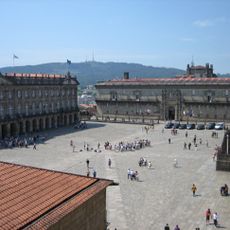
Pilgrims from around the world finish their journey in the square before the cathedral, where they embrace, sing, and celebrate their arrival. In the narrow lanes of the old town, you hear bagpipe music while locals live and work in the stone buildings.
The center is best explored on foot, as most points of interest lie within walking distance in the compact old town. The train station sits about 15 minutes south of the cathedral and connects to the historic quarter via a gently rising street.
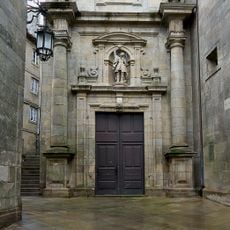
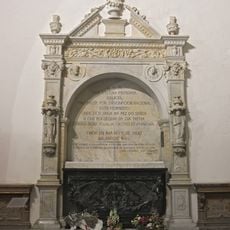
Beneath the paving stones of Rúa do Franco and neighboring streets lie medieval graves, as this area once stood outside the city walls. On rainy days, the granite pavement turns almost black and reflects the light of street lamps.
The community of curious travelers
AroundUs brings together thousands of curated places, local tips, and hidden gems, enriched daily by 92,166 contributors worldwide.