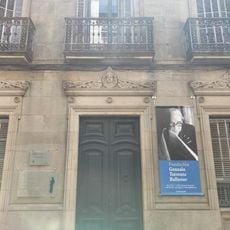
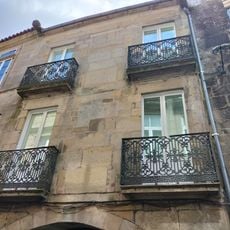
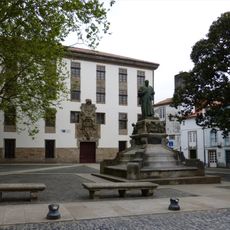
Muralla de Santiago de Compostela, Medieval fortification in Santiago de Compostela, Spain.
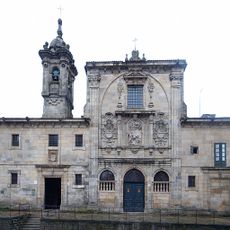
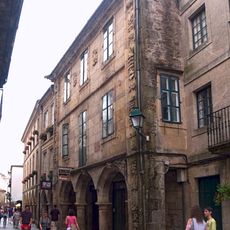
The Muralla de Santiago de Compostela is a medieval defensive wall that originally stretched about two kilometers around the historic center with seven gates and roughly 48 quadrangular towers distributed along its length. Today little remains visible of this once substantial structure, except for the Arco de Mazarelos and a single tower that have survived intact.
Bishop Sisnando II ordered the first wall built around 968 to defend the church that stood at the city's heart, but Almanzor's military campaign destroyed it in 997. A larger reconstruction followed to better protect the growing settlement.
The gate called Porta do Camiño served as the main entry point for pilgrims traveling the French Way for centuries. This passage shaped how visitors experienced arrival at the city and remains a symbol of the route's historical importance.
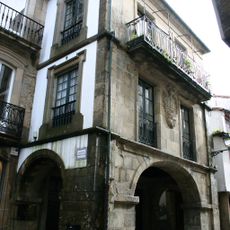
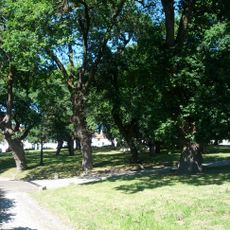
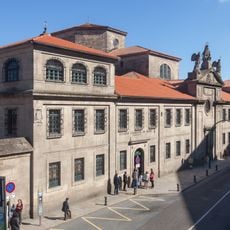
The remains of the wall are scattered throughout the historic center, so walking through the city is the best way to discover surviving sections like the Arco de Mazarelos. Informational markers at key points help visitors understand the original path of the fortification.
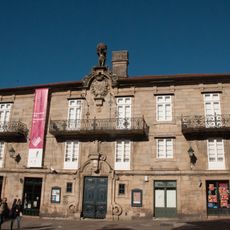
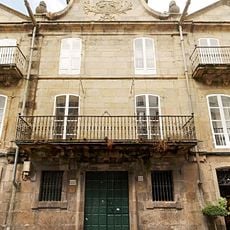
The wall is not visible as a continuous monument, but its outline lives on in the city's street layout and building patterns that follow its former defensive line. This hidden presence makes the entire district itself a kind of archaeological puzzle that visitors can gradually piece together.
The community of curious travelers
AroundUs brings together thousands of curated places, local tips, and hidden gems, enriched daily by 90,899 contributors worldwide.