Castro de Santa Susana, Archaeological site near Santiago de Compostela, Spain.
Castro de Santa Susana is an archaeological site set on elevated ground near Santiago de Compostela, featuring remnants of Iron Age structures. The terrain reveals the layout of round and rectangular buildings along with sections of defensive walls that reflect how settlers organized their living space.
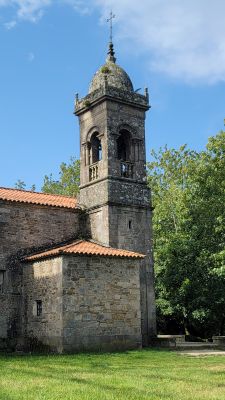
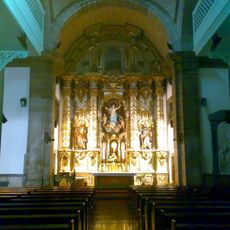
The site was established between the 4th and 1st centuries BC by Celtic tribes as a settlement within their regional network across northwestern Iberia. Later, a church was built at this location and grew in religious importance during the medieval period.
The settlement was a gathering place where people carried out their daily work, trade, and community life. Objects found here, such as pottery and tools, reveal how inhabitants spent their time and managed their households.
The site is accessible to visitors but requires advance planning due to limited opening hours and is often managed with guided tours. It is wise to check ahead for access details and the best time to visit the grounds.
Buried within the settlement are traces of shrines and ritual spaces that show the site held spiritual meaning beyond everyday living. These sacred areas reveal that community members gathered here for purposes beyond their homes and work.
The community of curious travelers
AroundUs brings together thousands of curated places, local tips, and hidden gems, enriched daily by 91,368 contributors worldwide.