Castriño of Conxo, Ancient hillfort and petroglyph site in Conxo, Santiago de Compostela, Spain
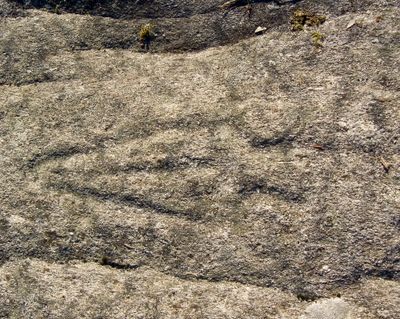
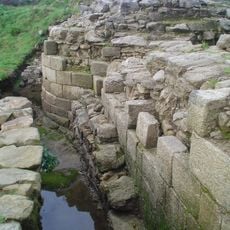
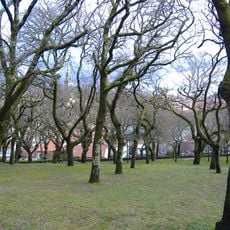
Castriño of Conxo is an ancient fortified hilltop with engraved rock surfaces, situated at 226 meters elevation between A Rocha and Santiago next to the N-550 road in Santa María de Conxo. The site preserves evidence of an early settlement with remains that reflect daily life and craft practices from prehistoric times.
The site was occupied continuously from the 7th century BCE through the 1st century BCE, with archaeological finds showing repeated human activity across multiple generations. Handmills and pottery recovered from excavations document the settlement's duration and the changing practices of its inhabitants.
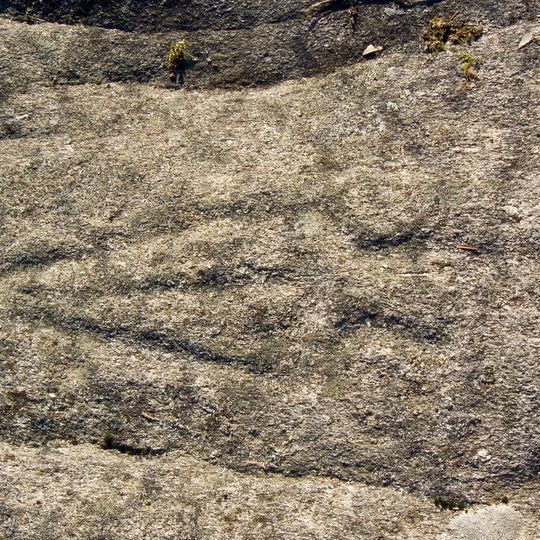
The rock carvings depict weapons such as daggers and halberds from the early Bronze Age, offering insight into the warrior societies of the early metal period.
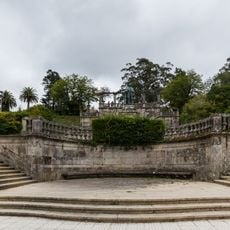
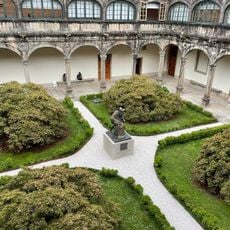
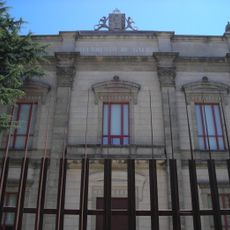
The original engraved stone is now housed at Estudios Galegos Padre Sarmiento, where visitors and researchers can examine the ancient carvings in a protected setting. This arrangement allows for proper study and preservation of these fragile archaeological remains for future generations.
Ramón Sobrino Buhigas discovered these petroglyphs in 1935 and applied an innovative reverse moulding technique that had not been used before in Galician archaeology. This method became influential in how similar sites were documented and preserved in the region.
The community of curious travelers
AroundUs brings together thousands of curated places, local tips, and hidden gems, enriched daily by 92,201 contributors worldwide.