See the monuments around you in AROpen chests in the app
Around Us is built for your phone — point your camera at the streets and discover the monuments and places around you in augmented reality.Around Us is built for your phone — chests unlock when you walk, explore and capture nearby places.
Pilgrimages in Europe: spiritual routes, sanctuaries and places of devotion
Pilgrimage routes in Europe have been crossing the continent for centuries. They lead travelers to quiet places for reflection and prayer. Medieval paths like the Camino de San Salvador cross mountains and connect cathedrals in Spain. The Via Francigena goes from Canterbury to Rome, passing through four countries. These old routes go through villages, perched abbeys, and sanctuaries where people still go today.
Each site tells a part of Europe’s religious story. In Montserrat, a 11th-century Benedictine abbey clings to the mountainside. It holds a venerated statue of the Black Madonna. In Padua, a Romanesque-Gothic basilica from the 13th century attracts pilgrims who come to pray at Saint Anthony’s tomb. In Walsingham, an English village welcomes two Marian shrines, one Anglican and one Catholic. They show a tradition of devotion that started in the Middle Ages. From Spain to Italy, from France to England, these places keep alive the practices and memories that have shaped European faith.
Pilgrimages in Europe: spiritual routes, sanctuaries and places of devotion
Pilgrimage routes in Europe have been crossing the continent for centuries. They lead travelers to quiet places for reflection and prayer. Medieval paths like the Camino de San Salvador cross mountains and connect cathedrals in Spain. The Via Francigena goes from Canterbury to Rome, passing through four countries. These old routes go through villages, perched abbeys, and sanctuaries where people still go today.
Each site tells a part of Europe’s religious story. In Montserrat, a 11th-century Benedictine abbey clings to the mountainside. It holds a venerated statue of the Black Madonna. In Padua, a Romanesque-Gothic basilica from the 13th century attracts pilgrims who come to pray at Saint Anthony’s tomb. In Walsingham, an English village welcomes two Marian shrines, one Anglican and one Catholic. They show a tradition of devotion that started in the Middle Ages. From Spain to Italy, from France to England, these places keep alive the practices and memories that have shaped European faith.
This historic pilgrimage route connects Canterbury to Rome and crosses four countries: England, France, Switzerland and Italy. The path follows medieval tracks that pilgrims have walked for centuries to reach the tomb of the apostles. Along the way, the route passes through villages, monasteries and churches where travelers find shelter and spiritual stops. The Via Francigena crosses the Alps at the Great Saint Bernard Pass and then leads through the valleys of Lombardy and Tuscany down to Rome.
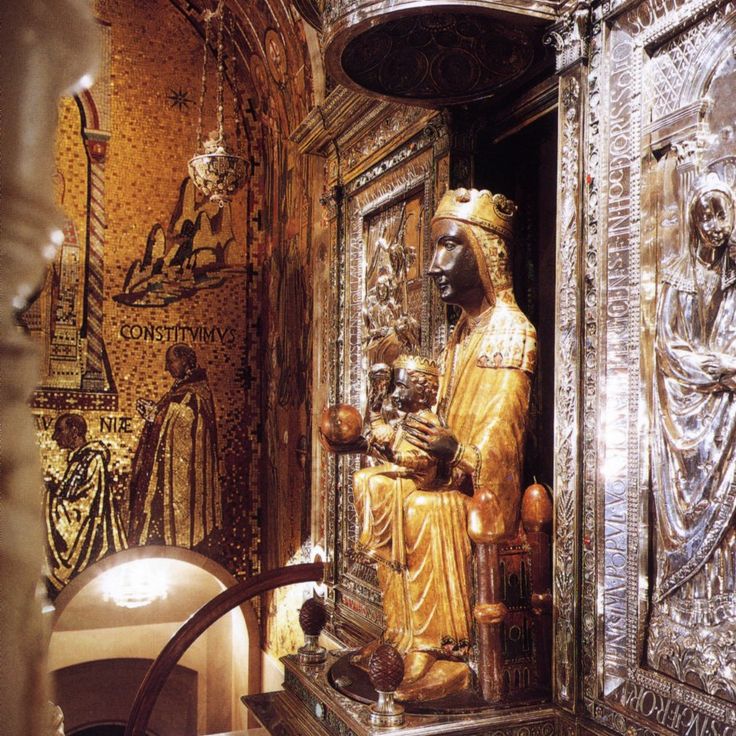
This 11th-century Benedictine monastery stands at 2,400 feet (720 meters) in the mountains and houses a statue of the Black Madonna. Pilgrims have come here for centuries to see this revered wooden figure, which is kept in the basilica above the main altar. The path upward passes through jagged rock formations and bare mountain peaks before reaching the monastery complex with its churches, chapels and monastic buildings. Inside the basilica the atmosphere is quiet, and visitors can watch as worshipers pause before the statue to pray. The complex sits among the serrated peaks of Montserrat, and from the terraces you can see across the Catalan countryside down to the coast. Walking trails connect the monastery with small hermitages scattered in rock niches and along ridges.
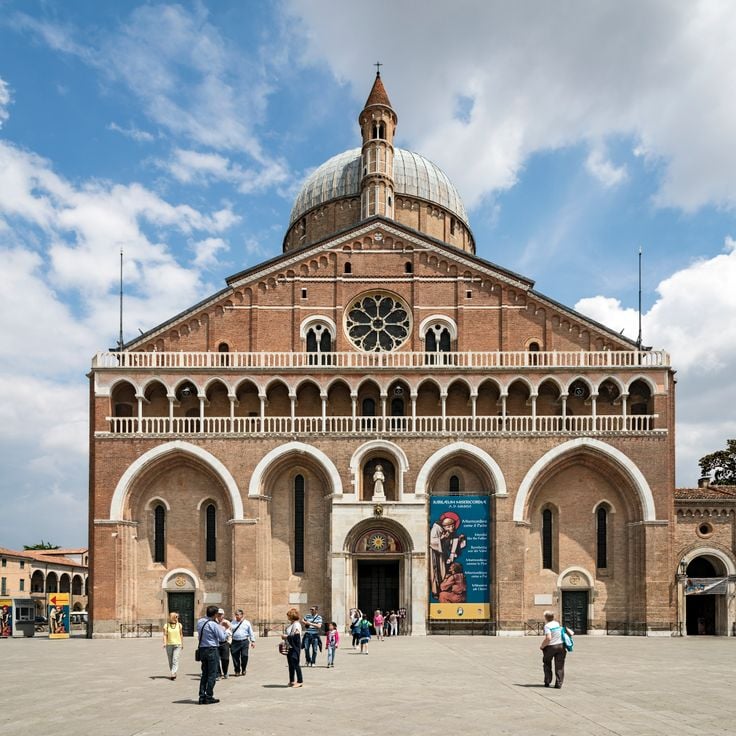
This Romanesque-Gothic church from the 13th century houses the tomb of Saint Anthony and has drawn pilgrims for centuries. The building combines rounded arches with pointed ones and is topped by eight domes that give the complex its recognizable profile. Inside, you find chapels, altars, and artworks dedicated to the veneration of the saint. The basilica stands in the heart of Padua and serves as a focal point for believers who come here to pray or visit the burial site. A large square surrounds the building, where pilgrims gather and rest.
Since the 17th century, this church in Zaragoza stands at the site where, according to tradition, the Virgin Mary appeared to the Apostle James on a pillar. The baroque basilica still preserves this pillar from Roman times, topped by a small statue of Mary. Every day, worshipers leave flowers inside the church and kiss the column through an opening at the back of the chapel. The building spreads over a large area and can hold thousands of people. Four towers and a row of domes shape the skyline of Zaragoza. Frescoes by Goya hang in the main nave, and several side chapels surround the central space. During the days around October 12, many pilgrims from all over Spain gather here.
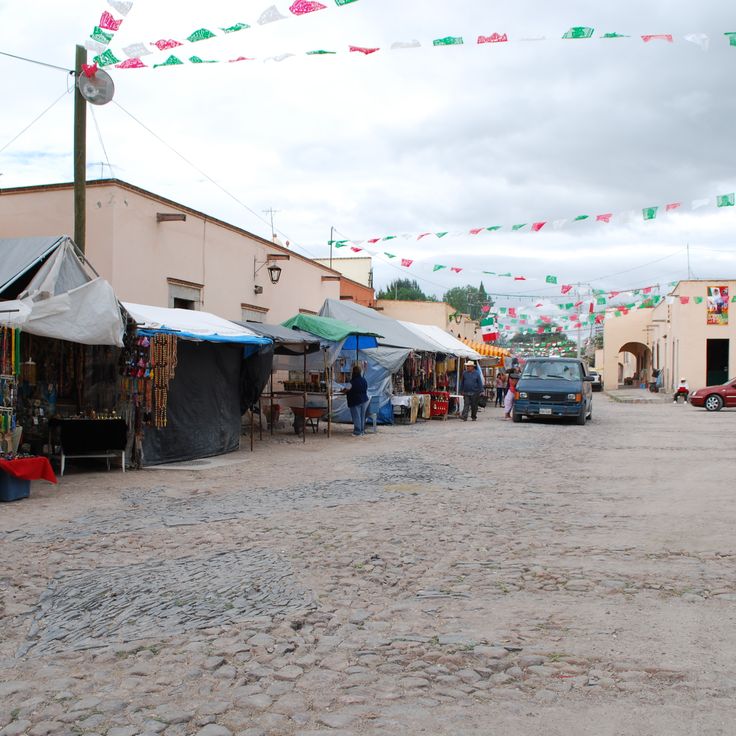
The sanctuary of Atotonilco sits outside the town of San Miguel de Allende and has drawn pilgrims since the 18th century. The chapels and corridors of this church complex are covered with frescoes depicting biblical scenes, saints, and religious symbols in bright colors and folk style. These murals were painted over decades by local artists and cover walls and vaulted ceilings almost entirely. The church was built as a spiritual retreat and still serves as a destination for pilgrims who come to pray and join processions.
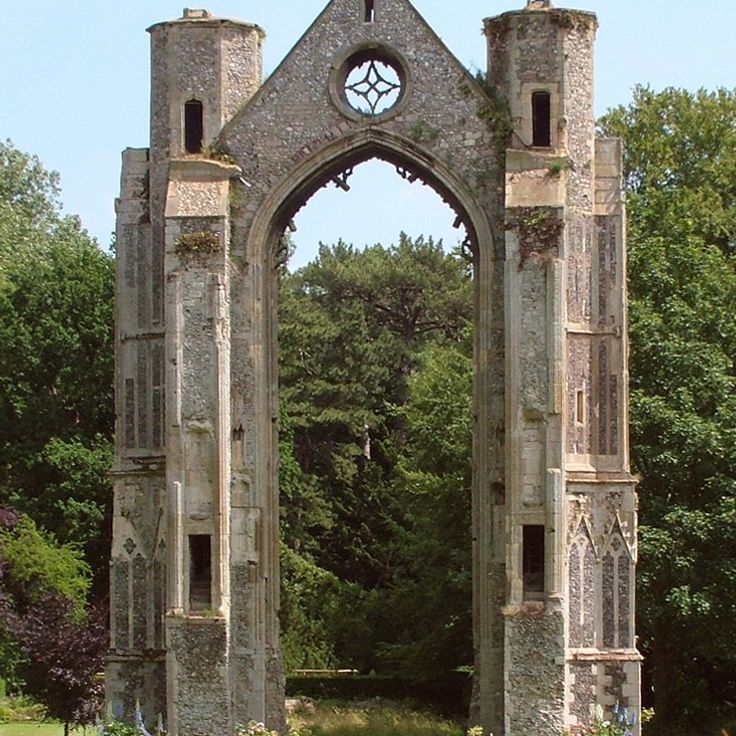
The village holds two national Marian shrines. One is Anglican, the other Roman Catholic, both with medieval roots. The pilgrimage tradition goes back to the 11th century, when a widow here had a vision of the Virgin Mary. Today, old pilgrimage paths cross the flat Norfolk countryside to reach the two shrines, where believers of both confessions come throughout the year. The streets are lined with pilgrim hostels, small chapels, and devotional shops. Each spring, thousands gather for a group walking pilgrimage from London.
The narrow streets of this medieval quarter in Girona recall the Jewish community that lived here from the 12th to the 15th century. Stone alleyways run between tall houses whose walls date back centuries. Small squares open up among the buildings, and arches span the lanes, connecting one structure to another. The synagogue once stood here, now home to a museum. The quarter sits within the old town, near the cathedral. Walking these lanes, you see traces of a community that prayed, worked, and lived here for generations before being expelled.
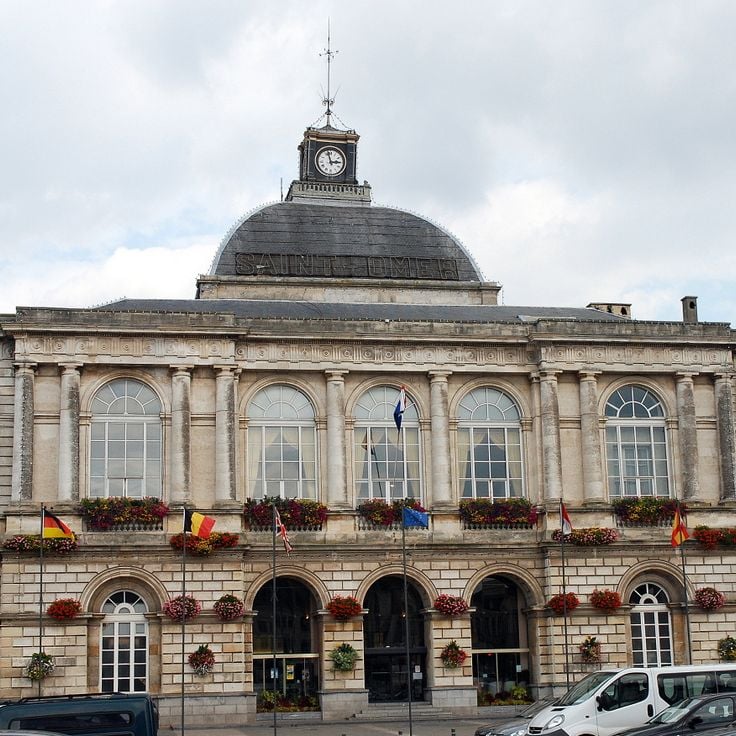
Saint-Omer has been a place of worship in northern France since the Middle Ages. The cathedral, built in the thirteenth century, rises above the town and displays Romanesque and Gothic elements. Its interior is spacious and filled with daylight. Stained glass windows from different periods add color to the space. The organ dates from the seventeenth century. Nearby stands the church of La Capelle, a smaller building from the fourteenth century. Pilgrims and travelers have stopped here for centuries on their way to Santiago de Compostela.
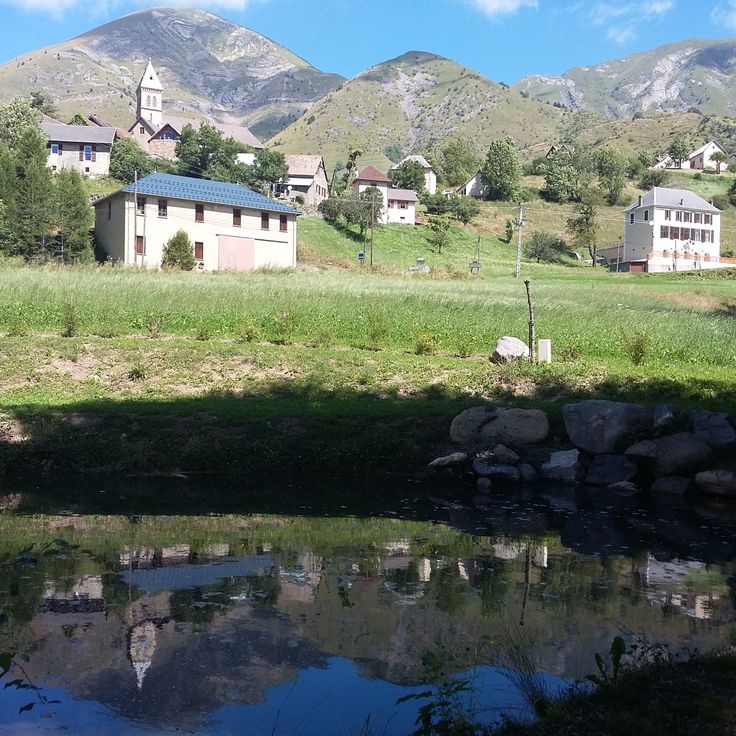
La Salette-Fallavaux sits on a mountain slope in the Alps, where Catholics believe the Virgin Mary appeared to two shepherd children. The events of 1846 led to the building of a basilica and several chapels that now draw believers from different countries. Around the church stand statues and stations of the cross along paths that lead through the slopes. The place is quiet and surrounded by nature, with forests and meadows nearby. The basilica from the 19th century has two towers and a light-colored facade. Inside are mosaics, stained glass windows and altars that tell the story of the apparition. Pilgrims come here to pray, light candles or take part in processions, especially in summer and in September.
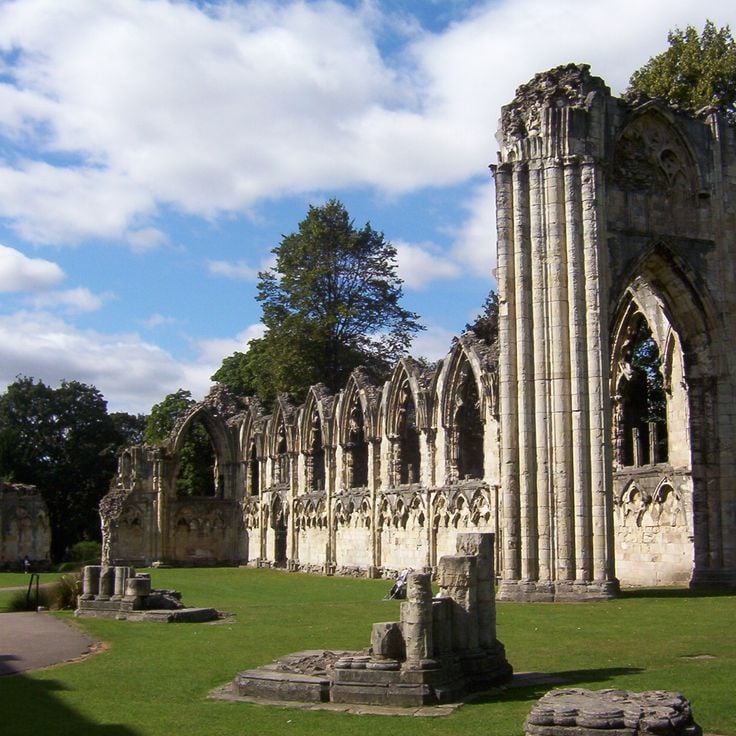
This medieval cathedral from the 13th century stands on the coast of Fife and was once the seat of the archbishop and the main religious center of Scotland. The ruins recall the time when St. Andrews was the spiritual heart of the country and drew pilgrims from across Scotland. Tall stone walls and Gothic arches give a sense of the original scale of the building, which welcomed worshippers and travelers for centuries. Today the site can be explored on foot, while the wind blows in from the sea and the silence among the old walls becomes tangible.
This Benedictine monastery was founded in the 6th century and is still home to monks today. The Romanesque architecture features stone walls, rounded arches, and a bell tower that rises above the surrounding countryside. In the crypt, a medieval altar holds relics, and a burial site has drawn pilgrims for centuries. The church preserves its original atmosphere and invites quiet prayer.
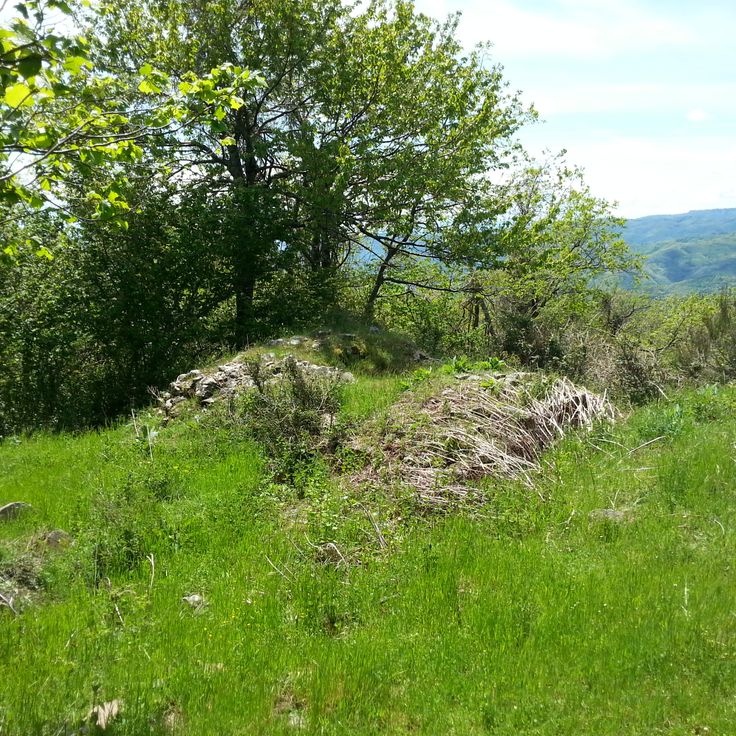
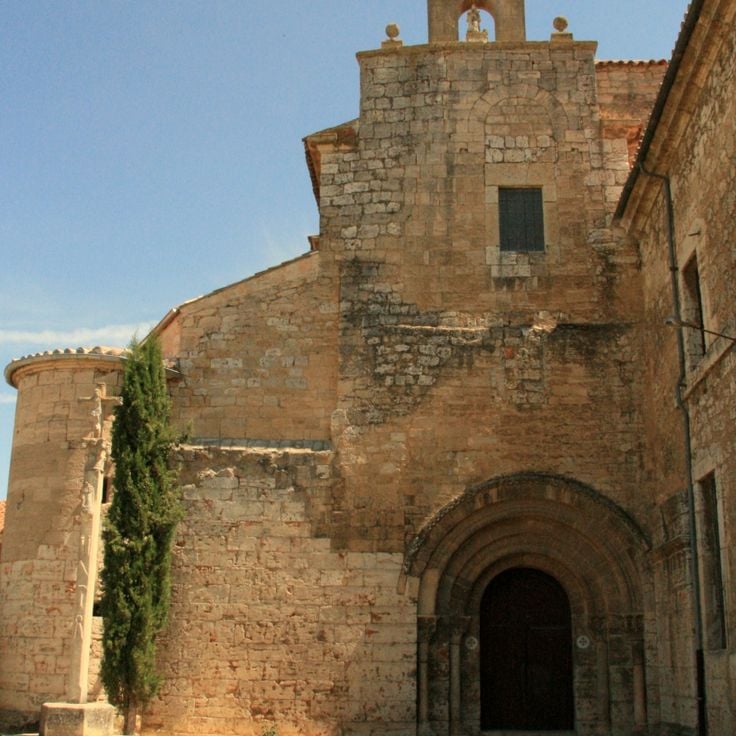
This Romanesque monastery from the 11th century sits in the Aragonese Pyrenees and once belonged to a network of religious communities that settled in this mountain region. The plain stone building still shows medieval frescoes on the interior walls and original stone carvings that speak to the former importance of this place. The structure is uninhabited today, yet the details that remain offer a glimpse into monastic life in this remote area. The road leading up passes through narrow valleys and villages that were also part of the old pilgrimage routes crossing the Pyrenees.
The Church of Saint Hripsime was built in 618 and stands as one of the oldest Christian structures in Armenia. The building follows a cruciform plan with a central domed space surrounded by four apses oriented toward the cardinal directions. The facades are made of cut tufa stone in shades of red, which has darkened over time. Stone sculptures and reliefs decorate the outer walls, displaying traditional Armenian motifs. Inside, a clear space opens beneath the dome, lit by small windows set high in the walls. The church is located in Vagharchapat, a city that has served as a religious center for centuries and holds several early Christian buildings.
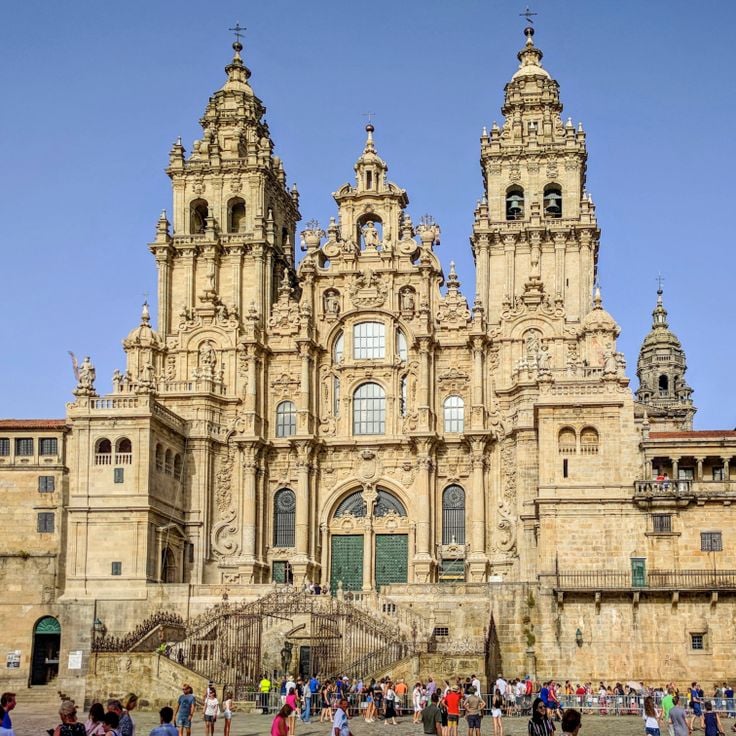
The Way of Saint James has guided travelers since the Middle Ages from various starting points across Europe to the cathedral of Santiago de Compostela, where the relics of the apostle James rest. The routes cross France and Spain, linking Romanesque churches, old monasteries, and small towns. Along the way, pilgrims stay in hostels that have welcomed travelers for centuries. Stone crosses, chapels, and bridges mark the paths, reminding walkers of the long history of this journey.
This historic pilgrimage route connects Canterbury to Rome and crosses four countries: England, France, Switzerland and Italy. The path follows medieval tracks that pilgrims have walked for centuries to reach the tomb of the apostles. Along the way, the route passes through villages, monasteries and churches where travelers find shelter and spiritual stops. The Via Francigena crosses the Alps at the Great Saint Bernard Pass and then leads through the valleys of Lombardy and Tuscany down to Rome.
This 11th-century Benedictine monastery stands at 2,400 feet (720 meters) in the mountains and houses a statue of the Black Madonna. Pilgrims have come here for centuries to see this revered wooden figure, which is kept in the basilica above the main altar. The path upward passes through jagged rock formations and bare mountain peaks before reaching the monastery complex with its churches, chapels and monastic buildings. Inside the basilica the atmosphere is quiet, and visitors can watch as worshipers pause before the statue to pray. The complex sits among the serrated peaks of Montserrat, and from the terraces you can see across the Catalan countryside down to the coast. Walking trails connect the monastery with small hermitages scattered in rock niches and along ridges.
This Romanesque-Gothic church from the 13th century houses the tomb of Saint Anthony and has drawn pilgrims for centuries. The building combines rounded arches with pointed ones and is topped by eight domes that give the complex its recognizable profile. Inside, you find chapels, altars, and artworks dedicated to the veneration of the saint. The basilica stands in the heart of Padua and serves as a focal point for believers who come here to pray or visit the burial site. A large square surrounds the building, where pilgrims gather and rest.
Since the 17th century, this church in Zaragoza stands at the site where, according to tradition, the Virgin Mary appeared to the Apostle James on a pillar. The baroque basilica still preserves this pillar from Roman times, topped by a small statue of Mary. Every day, worshipers leave flowers inside the church and kiss the column through an opening at the back of the chapel. The building spreads over a large area and can hold thousands of people. Four towers and a row of domes shape the skyline of Zaragoza. Frescoes by Goya hang in the main nave, and several side chapels surround the central space. During the days around October 12, many pilgrims from all over Spain gather here.
The sanctuary of Atotonilco sits outside the town of San Miguel de Allende and has drawn pilgrims since the 18th century. The chapels and corridors of this church complex are covered with frescoes depicting biblical scenes, saints, and religious symbols in bright colors and folk style. These murals were painted over decades by local artists and cover walls and vaulted ceilings almost entirely. The church was built as a spiritual retreat and still serves as a destination for pilgrims who come to pray and join processions.
The village holds two national Marian shrines. One is Anglican, the other Roman Catholic, both with medieval roots. The pilgrimage tradition goes back to the 11th century, when a widow here had a vision of the Virgin Mary. Today, old pilgrimage paths cross the flat Norfolk countryside to reach the two shrines, where believers of both confessions come throughout the year. The streets are lined with pilgrim hostels, small chapels, and devotional shops. Each spring, thousands gather for a group walking pilgrimage from London.
The narrow streets of this medieval quarter in Girona recall the Jewish community that lived here from the 12th to the 15th century. Stone alleyways run between tall houses whose walls date back centuries. Small squares open up among the buildings, and arches span the lanes, connecting one structure to another. The synagogue once stood here, now home to a museum. The quarter sits within the old town, near the cathedral. Walking these lanes, you see traces of a community that prayed, worked, and lived here for generations before being expelled.
Saint-Omer has been a place of worship in northern France since the Middle Ages. The cathedral, built in the thirteenth century, rises above the town and displays Romanesque and Gothic elements. Its interior is spacious and filled with daylight. Stained glass windows from different periods add color to the space. The organ dates from the seventeenth century. Nearby stands the church of La Capelle, a smaller building from the fourteenth century. Pilgrims and travelers have stopped here for centuries on their way to Santiago de Compostela.
La Salette-Fallavaux sits on a mountain slope in the Alps, where Catholics believe the Virgin Mary appeared to two shepherd children. The events of 1846 led to the building of a basilica and several chapels that now draw believers from different countries. Around the church stand statues and stations of the cross along paths that lead through the slopes. The place is quiet and surrounded by nature, with forests and meadows nearby. The basilica from the 19th century has two towers and a light-colored facade. Inside are mosaics, stained glass windows and altars that tell the story of the apparition. Pilgrims come here to pray, light candles or take part in processions, especially in summer and in September.
This medieval cathedral from the 13th century stands on the coast of Fife and was once the seat of the archbishop and the main religious center of Scotland. The ruins recall the time when St. Andrews was the spiritual heart of the country and drew pilgrims from across Scotland. Tall stone walls and Gothic arches give a sense of the original scale of the building, which welcomed worshippers and travelers for centuries. Today the site can be explored on foot, while the wind blows in from the sea and the silence among the old walls becomes tangible.
This Benedictine monastery was founded in the 6th century and is still home to monks today. The Romanesque architecture features stone walls, rounded arches, and a bell tower that rises above the surrounding countryside. In the crypt, a medieval altar holds relics, and a burial site has drawn pilgrims for centuries. The church preserves its original atmosphere and invites quiet prayer.
This Romanesque monastery from the 11th century sits in the Aragonese Pyrenees and once belonged to a network of religious communities that settled in this mountain region. The plain stone building still shows medieval frescoes on the interior walls and original stone carvings that speak to the former importance of this place. The structure is uninhabited today, yet the details that remain offer a glimpse into monastic life in this remote area. The road leading up passes through narrow valleys and villages that were also part of the old pilgrimage routes crossing the Pyrenees.
The Church of Saint Hripsime was built in 618 and stands as one of the oldest Christian structures in Armenia. The building follows a cruciform plan with a central domed space surrounded by four apses oriented toward the cardinal directions. The facades are made of cut tufa stone in shades of red, which has darkened over time. Stone sculptures and reliefs decorate the outer walls, displaying traditional Armenian motifs. Inside, a clear space opens beneath the dome, lit by small windows set high in the walls. The church is located in Vagharchapat, a city that has served as a religious center for centuries and holds several early Christian buildings.
The Way of Saint James has guided travelers since the Middle Ages from various starting points across Europe to the cathedral of Santiago de Compostela, where the relics of the apostle James rest. The routes cross France and Spain, linking Romanesque churches, old monasteries, and small towns. Along the way, pilgrims stay in hostels that have welcomed travelers for centuries. Stone crosses, chapels, and bridges mark the paths, reminding walkers of the long history of this journey.
This historic pilgrimage route connects Canterbury to Rome and crosses four countries: England, France, Switzerland and Italy. The path follows medieval tracks that pilgrims have walked for centuries to reach the tomb of the apostles. Along the way, the route passes through villages, monasteries and churches where travelers find shelter and spiritual stops. The Via Francigena crosses the Alps at the Great Saint Bernard Pass and then leads through the valleys of Lombardy and Tuscany down to Rome.
This 11th-century Benedictine monastery stands at 2,400 feet (720 meters) in the mountains and houses a statue of the Black Madonna. Pilgrims have come here for centuries to see this revered wooden figure, which is kept in the basilica above the main altar. The path upward passes through jagged rock formations and bare mountain peaks before reaching the monastery complex with its churches, chapels and monastic buildings. Inside the basilica the atmosphere is quiet, and visitors can watch as worshipers pause before the statue to pray. The complex sits among the serrated peaks of Montserrat, and from the terraces you can see across the Catalan countryside down to the coast. Walking trails connect the monastery with small hermitages scattered in rock niches and along ridges.
This Romanesque-Gothic church from the 13th century houses the tomb of Saint Anthony and has drawn pilgrims for centuries. The building combines rounded arches with pointed ones and is topped by eight domes that give the complex its recognizable profile. Inside, you find chapels, altars, and artworks dedicated to the veneration of the saint. The basilica stands in the heart of Padua and serves as a focal point for believers who come here to pray or visit the burial site. A large square surrounds the building, where pilgrims gather and rest.
Since the 17th century, this church in Zaragoza stands at the site where, according to tradition, the Virgin Mary appeared to the Apostle James on a pillar. The baroque basilica still preserves this pillar from Roman times, topped by a small statue of Mary. Every day, worshipers leave flowers inside the church and kiss the column through an opening at the back of the chapel. The building spreads over a large area and can hold thousands of people. Four towers and a row of domes shape the skyline of Zaragoza. Frescoes by Goya hang in the main nave, and several side chapels surround the central space. During the days around October 12, many pilgrims from all over Spain gather here.
The sanctuary of Atotonilco sits outside the town of San Miguel de Allende and has drawn pilgrims since the 18th century. The chapels and corridors of this church complex are covered with frescoes depicting biblical scenes, saints, and religious symbols in bright colors and folk style. These murals were painted over decades by local artists and cover walls and vaulted ceilings almost entirely. The church was built as a spiritual retreat and still serves as a destination for pilgrims who come to pray and join processions.
The village holds two national Marian shrines. One is Anglican, the other Roman Catholic, both with medieval roots. The pilgrimage tradition goes back to the 11th century, when a widow here had a vision of the Virgin Mary. Today, old pilgrimage paths cross the flat Norfolk countryside to reach the two shrines, where believers of both confessions come throughout the year. The streets are lined with pilgrim hostels, small chapels, and devotional shops. Each spring, thousands gather for a group walking pilgrimage from London.
The narrow streets of this medieval quarter in Girona recall the Jewish community that lived here from the 12th to the 15th century. Stone alleyways run between tall houses whose walls date back centuries. Small squares open up among the buildings, and arches span the lanes, connecting one structure to another. The synagogue once stood here, now home to a museum. The quarter sits within the old town, near the cathedral. Walking these lanes, you see traces of a community that prayed, worked, and lived here for generations before being expelled.
Saint-Omer has been a place of worship in northern France since the Middle Ages. The cathedral, built in the thirteenth century, rises above the town and displays Romanesque and Gothic elements. Its interior is spacious and filled with daylight. Stained glass windows from different periods add color to the space. The organ dates from the seventeenth century. Nearby stands the church of La Capelle, a smaller building from the fourteenth century. Pilgrims and travelers have stopped here for centuries on their way to Santiago de Compostela.
La Salette-Fallavaux sits on a mountain slope in the Alps, where Catholics believe the Virgin Mary appeared to two shepherd children. The events of 1846 led to the building of a basilica and several chapels that now draw believers from different countries. Around the church stand statues and stations of the cross along paths that lead through the slopes. The place is quiet and surrounded by nature, with forests and meadows nearby. The basilica from the 19th century has two towers and a light-colored facade. Inside are mosaics, stained glass windows and altars that tell the story of the apparition. Pilgrims come here to pray, light candles or take part in processions, especially in summer and in September.
This medieval cathedral from the 13th century stands on the coast of Fife and was once the seat of the archbishop and the main religious center of Scotland. The ruins recall the time when St. Andrews was the spiritual heart of the country and drew pilgrims from across Scotland. Tall stone walls and Gothic arches give a sense of the original scale of the building, which welcomed worshippers and travelers for centuries. Today the site can be explored on foot, while the wind blows in from the sea and the silence among the old walls becomes tangible.
This Benedictine monastery was founded in the 6th century and is still home to monks today. The Romanesque architecture features stone walls, rounded arches, and a bell tower that rises above the surrounding countryside. In the crypt, a medieval altar holds relics, and a burial site has drawn pilgrims for centuries. The church preserves its original atmosphere and invites quiet prayer.
This Romanesque monastery from the 11th century sits in the Aragonese Pyrenees and once belonged to a network of religious communities that settled in this mountain region. The plain stone building still shows medieval frescoes on the interior walls and original stone carvings that speak to the former importance of this place. The structure is uninhabited today, yet the details that remain offer a glimpse into monastic life in this remote area. The road leading up passes through narrow valleys and villages that were also part of the old pilgrimage routes crossing the Pyrenees.
The Church of Saint Hripsime was built in 618 and stands as one of the oldest Christian structures in Armenia. The building follows a cruciform plan with a central domed space surrounded by four apses oriented toward the cardinal directions. The facades are made of cut tufa stone in shades of red, which has darkened over time. Stone sculptures and reliefs decorate the outer walls, displaying traditional Armenian motifs. Inside, a clear space opens beneath the dome, lit by small windows set high in the walls. The church is located in Vagharchapat, a city that has served as a religious center for centuries and holds several early Christian buildings.
The Way of Saint James has guided travelers since the Middle Ages from various starting points across Europe to the cathedral of Santiago de Compostela, where the relics of the apostle James rest. The routes cross France and Spain, linking Romanesque churches, old monasteries, and small towns. Along the way, pilgrims stay in hostels that have welcomed travelers for centuries. Stone crosses, chapels, and bridges mark the paths, reminding walkers of the long history of this journey.