Basilica of Saint Anthony of Padua
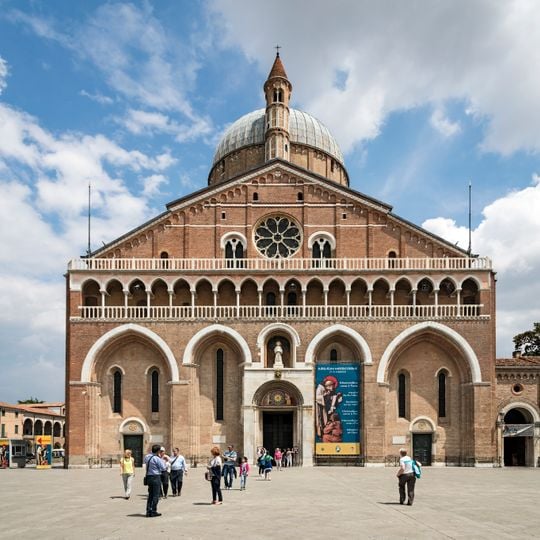
Basilica of Saint Anthony of Padua, Minor basilica in Padua, Italy.
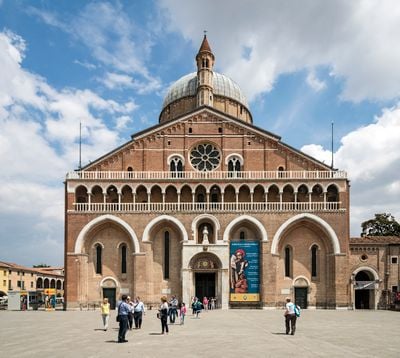
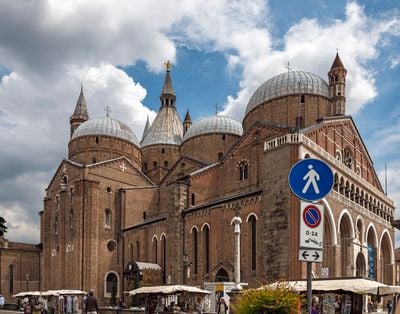
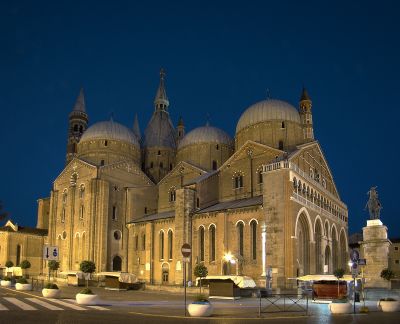
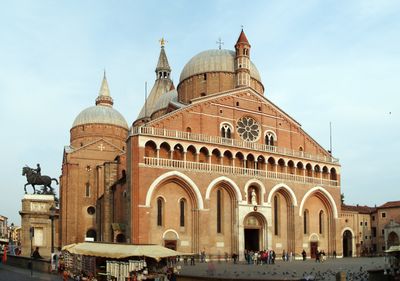
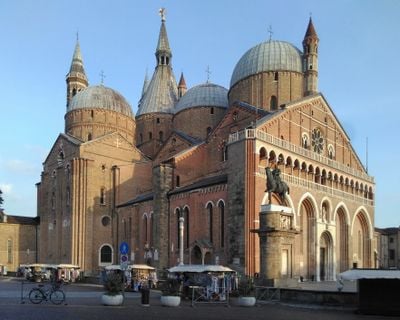
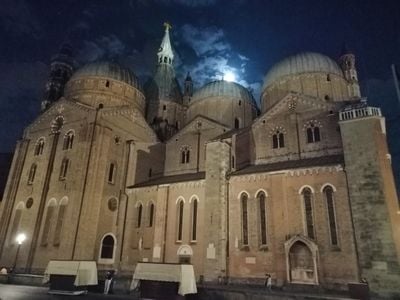
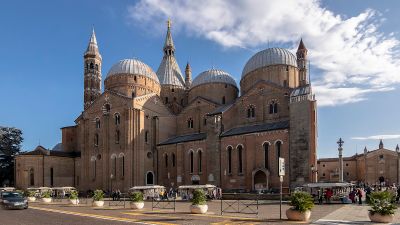
The Basilica of Saint Anthony of Padua is a pilgrimage church and World Heritage site in Padua, Italy, combining Romanesque, Byzantine, and Gothic building styles. Its layout follows a Latin cross with nine radiating chapels arranged around the main space.
Construction began in 1232, one year after the death of Saint Anthony, and the basic structure was completed 78 years later. Further changes and additions took place during the 15th century, shaping the appearance seen today.
Locals refer to the complex as Il Santo and pilgrims from around the world come to pray at the saint's tomb, touching the chapel walls as they pass. Visitors leave votive tablets and handwritten notes of thanks, sharing personal hopes and answered prayers.
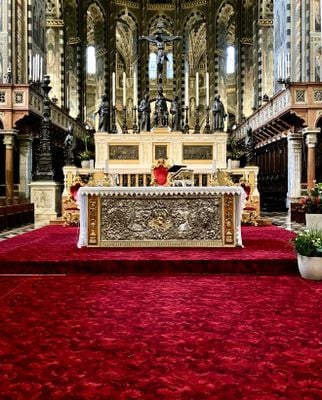
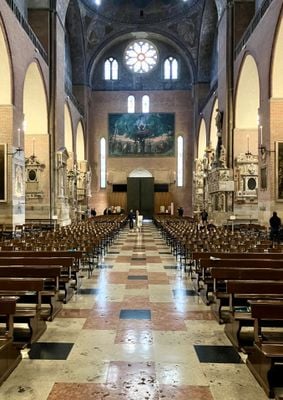
The entrance is located on Piazza del Santo, and the interior is wheelchair accessible, though some upper areas involve stairs. Visitors should dress appropriately and be respectful during services, as the church remains an active place of worship.
The Chapel of Relics preserves the intact tongue of Saint Anthony, which remained whole after his death in 1231. Other bodily remains of the saint are also housed in the chapel.
Location: Padua
Inception: 1238
Founders: Conventual Franciscans
Architectural style: Romanesque art, Renaissance
Accessibility: Wheelchair limited access
Part of: Properties of the Holy See
Address: Piazza del Santo
Opening Hours: October Sunday[-1]-March Sunday[-1] -1 day: Monday-Friday 06:15-19:25; March Sunday[-1]-October Sunday[-1] -1 day: Monday-Friday 06:15-18:45; Saturday-Sunday 06:15-19:25
Phone: +390498225652
Website: http://basilicadelsanto.org/ita/home.asp
GPS coordinates: 45.40137,11.88053
Latest update: December 12, 2025 17:47
Pilgrimage routes in Europe have been crossing the continent for centuries. They lead travelers to quiet places for reflection and prayer. Medieval paths like the Camino de San Salvador cross mountains and connect cathedrals in Spain. The Via Francigena goes from Canterbury to Rome, passing through...
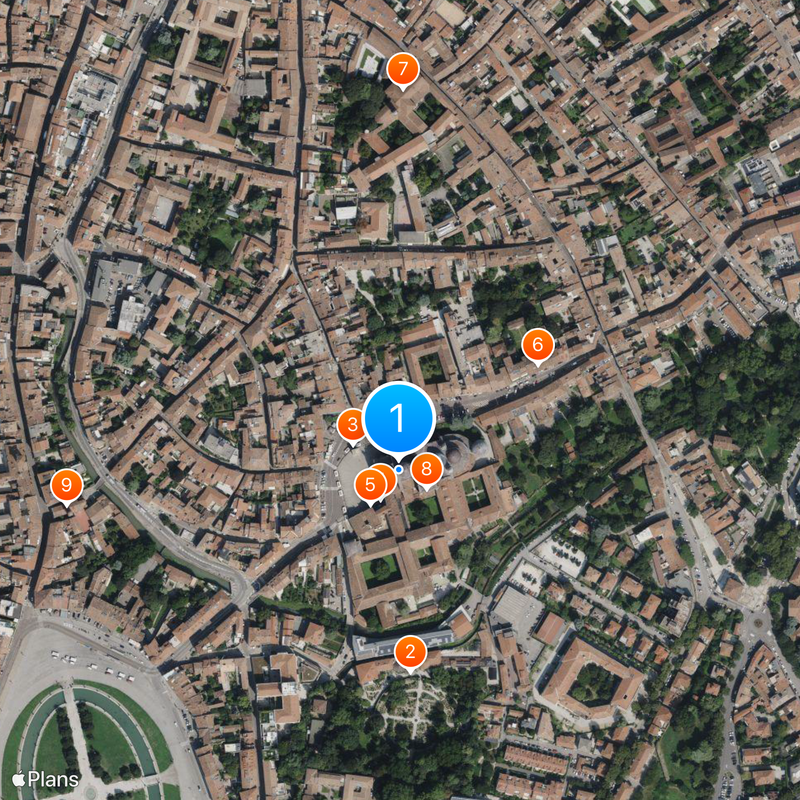
Padova botanical garden
205 m
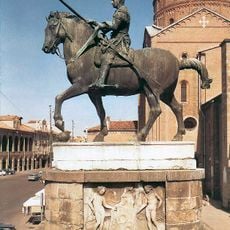
Equestrian statue of Gattamelata
53 m
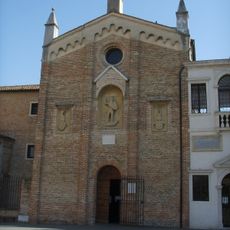
St. George's Oratory
35 m
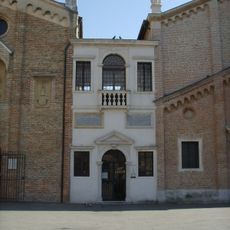
School of the Holy
45 m
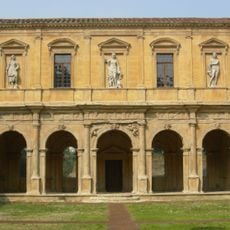
Loggia e Odeo Cornaro
177 m
Church of Saint Francis the Greater
387 m
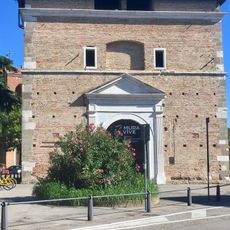
Saint James chapel
35 m
San Daniele
340 m
Church of St. Catherine
427 mPonte Corvo
253 m
Biblioteca antoniana
69 m
Porta Liviana
360 m
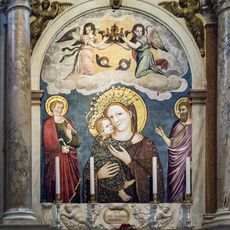
Madonna del Pilastro (Stefano da Ferrara sec XIV)
18 m
Museo antoniano
36 m
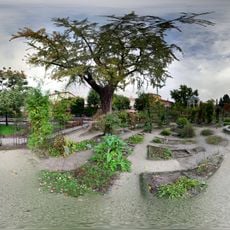
Botanical garden of Padua - Goethe's palm
220 m
Santa Caterina complex
429 m
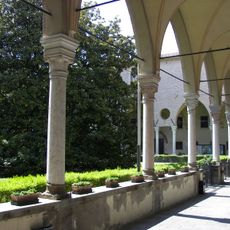
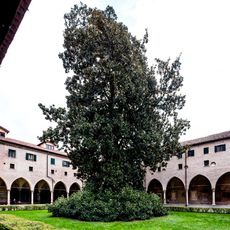
Magnolia Cloister, Sant'Antonio
47 m
Palazzo Dottori
377 mPalazzo De Claricini
168 mPorta Liviana
361 mVilla Tron
184 mScuola della Carità
410 mLoggia e Odeo Cornaro
190 mPalazzo Tolomei
118 mAlteniero degli Azzoni
372 mSicco Polenton
371 mAntonio Zacco
372 mGiuseppe Tartini
412 mVisited this place? Tap the stars to rate it and share your experience / photos with the community! Try now! You can cancel it anytime.
Discover hidden gems everywhere you go!
From secret cafés to breathtaking viewpoints, skip the crowded tourist spots and find places that match your style. Our app makes it easy with voice search, smart filtering, route optimization, and insider tips from travelers worldwide. Download now for the complete mobile experience.
A unique approach to discovering new places❞
— Le Figaro
All the places worth exploring❞
— France Info
A tailor-made excursion in just a few clicks❞
— 20 Minutes