Aragon, Autonomous community in northeastern Spain
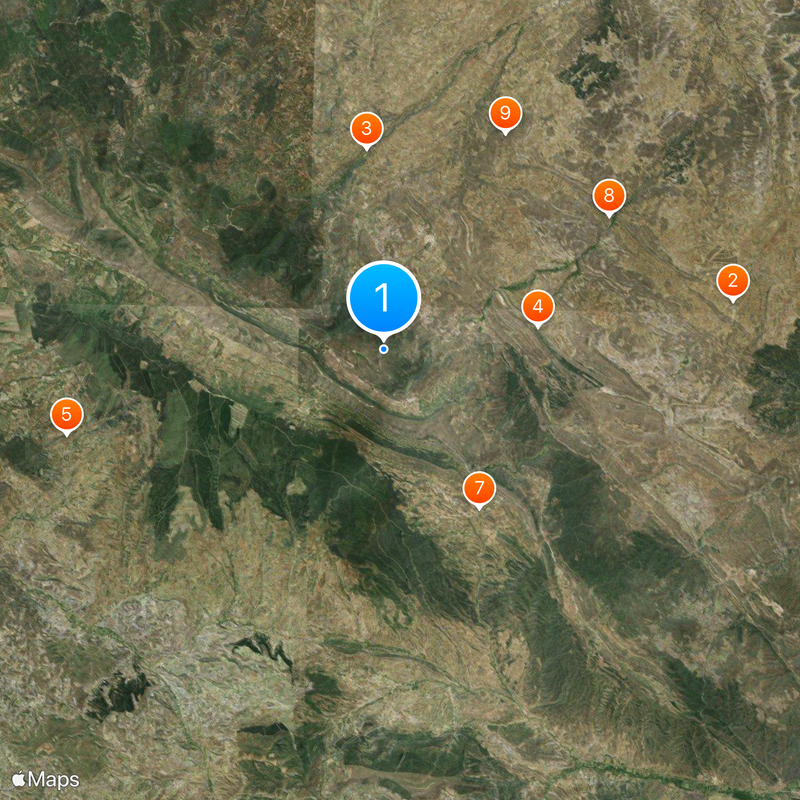
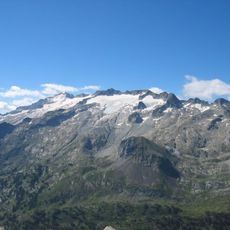
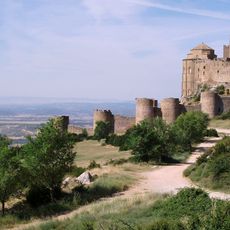
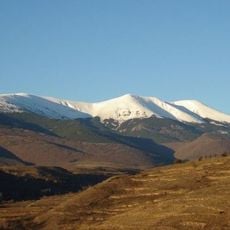
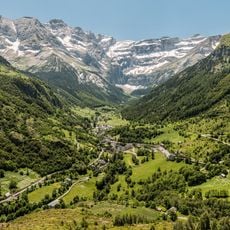
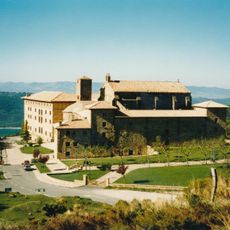
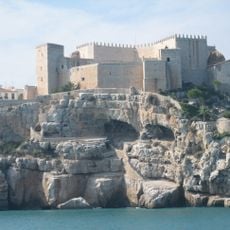
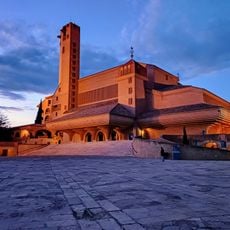
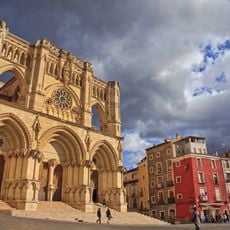
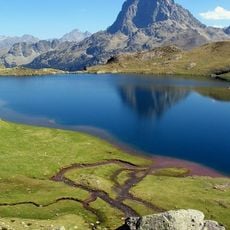
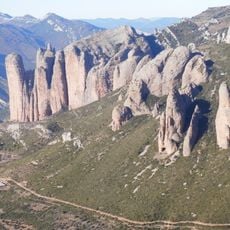
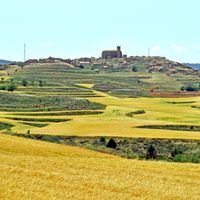
Aragon is a landlocked region in northeastern Spain that stretches from the Pyrenees southward to the Iberian System, covering terrain that shifts from alpine peaks to river plains and semi-arid plateaus. The territory divides into three provinces named after their capitals, with settlements scattered across mountain valleys, flat basins, and elevated plains that shape the rhythm of local life.
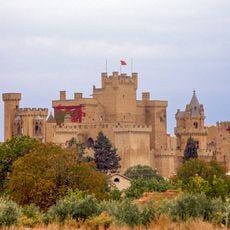
The kingdom began as an independent realm in 1035 and expanded over centuries through conquests and dynastic union with Catalonia. This union formed a far-reaching crown that later merged with Castile, shaping the foundation of modern Spain.
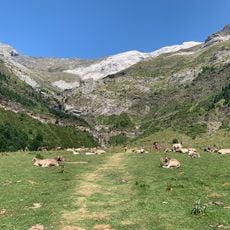
Rural festivals and patron saint celebrations bring villages to life throughout the year, where locals gather for processions, regional dances, and shared meals in town squares. Travelers notice the pastoral heritage in everyday life, from shepherd traditions still observed in mountain valleys to craft workshops that preserve skills handed down across generations.
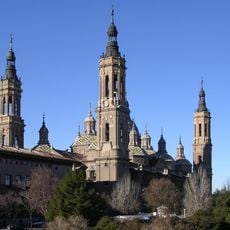
Travelers reach the capital Zaragoza by high-speed train from Madrid or Barcelona, while exploring rural areas and mountain valleys often requires a car or regional bus. Visitors planning to explore mountain zones should consider winter for snow conditions and summer for higher-elevation walks.
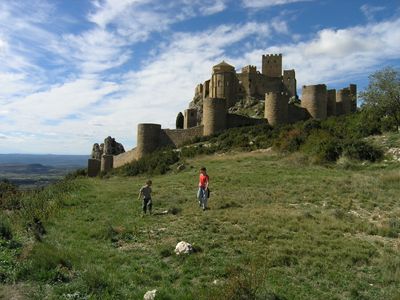
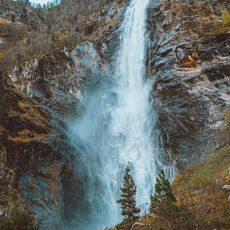
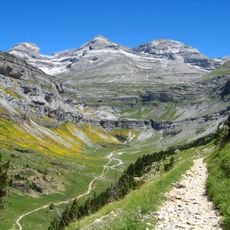
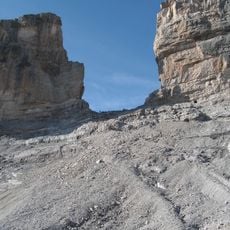
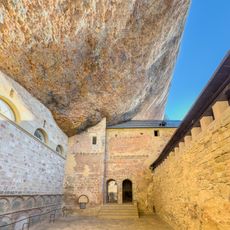
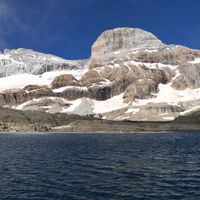
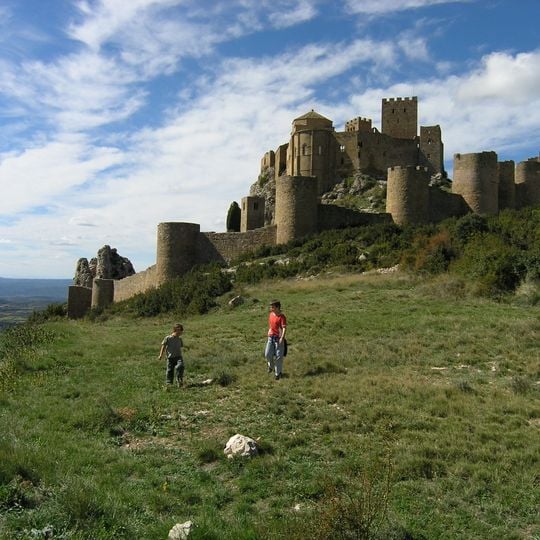
Ordesa y Monte Perdido contains a national park where deep gorges and cascading waterfalls draw hikers into wilderness terrain rarely touched by development. Beyond this protected area, abandoned villages and Romanesque chapels tucked into remote valleys attract travelers looking for routes off the usual trail.
The community of curious travelers
AroundUs brings together thousands of curated places, local tips, and hidden gems, enriched daily by 90,740 contributors worldwide.