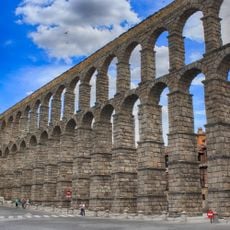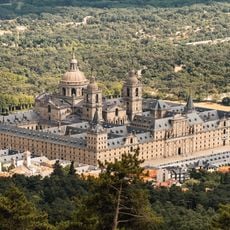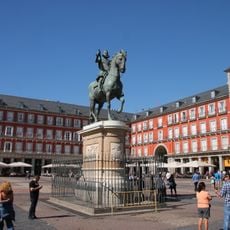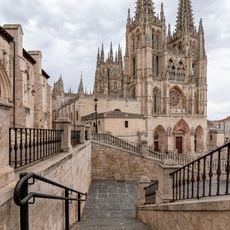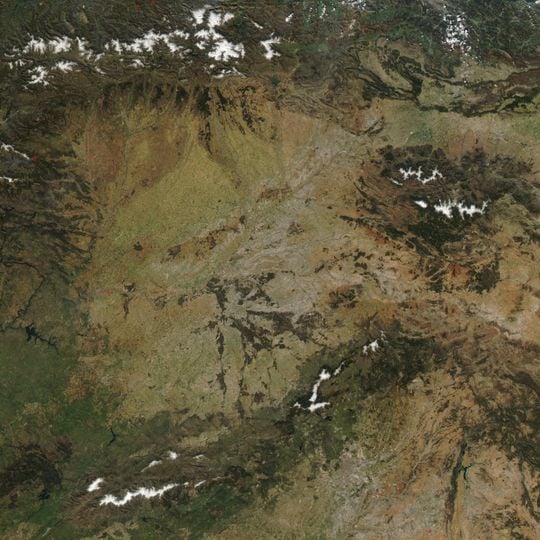
Castile and León, Autonomous community in central-northern Spain
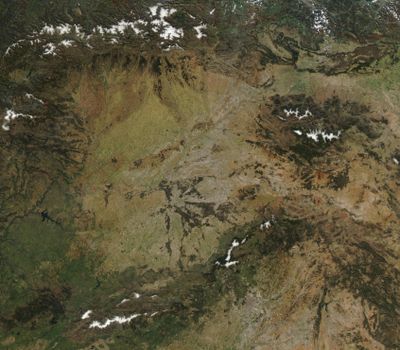
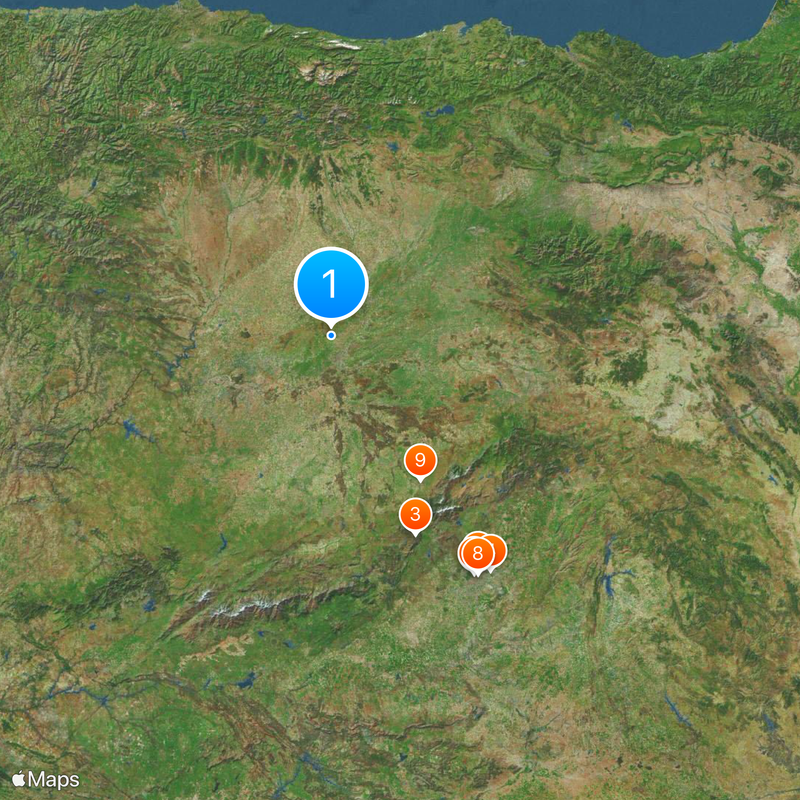
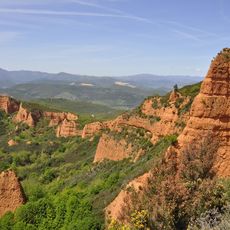
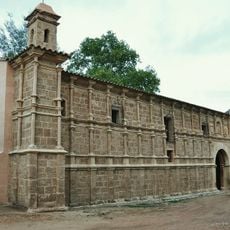
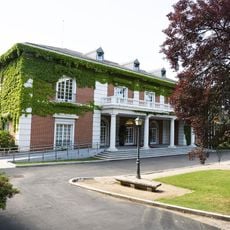
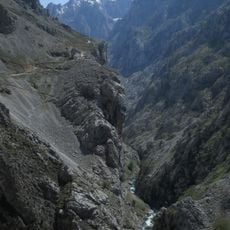
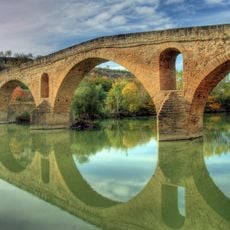
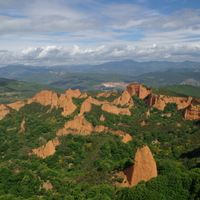
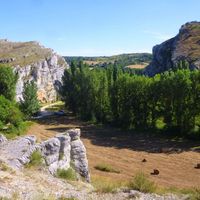
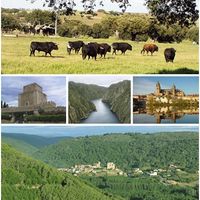
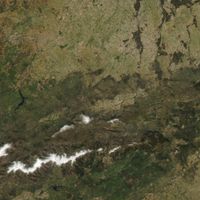
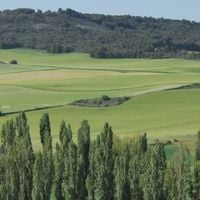
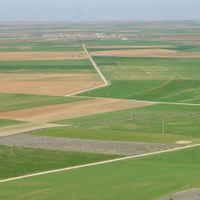
Castile and León spreads across nine provinces in the north-central part of Spain and forms the largest region in the country. The area is marked by wide plateaus, river valleys, and mountain ranges that create a varied landscape.
The two medieval kingdoms of León and Castile merged over the centuries and shaped the history of Spain in a decisive way. After the end of the dictatorship, the area gained its status as an autonomous region in 1983.
Local festivals revolve around wine harvests, Holy Week processions, and folk dances that remain alive in many villages today. In the cities, you will find tapas bars where locals gather for conversation over a glass of red wine from Ribera del Duero.
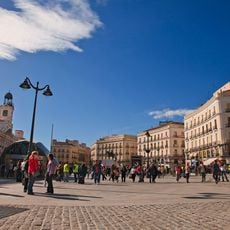
The region sits centrally and connects ten other regions as well as Portugal, making it a natural transport hub for northern Spain. Visitors can choose between larger cities and small villages, depending on whether they prefer urban life or rural calm.
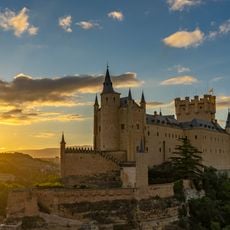
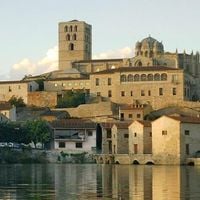
The region holds more fortified structures and castle ruins than any other area in Europe, which gave it its name. Many of these buildings stand in remote villages and on hilltops, far from main roads and reachable only on foot.
The community of curious travelers
AroundUs brings together thousands of curated places, local tips, and hidden gems, enriched daily by 90,805 contributors worldwide.