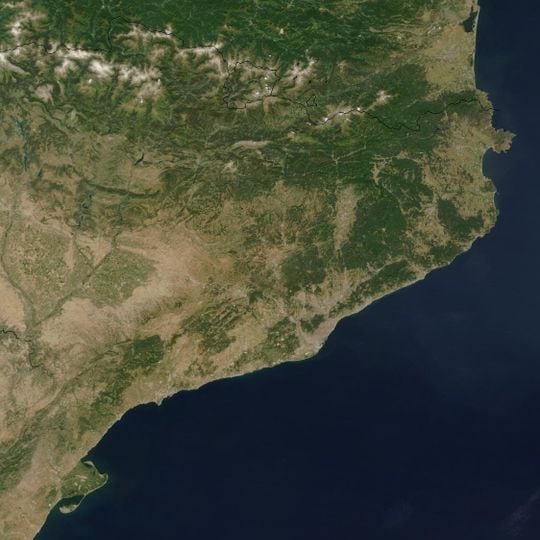
Catalonia, Autonomous community in northeastern Spain.
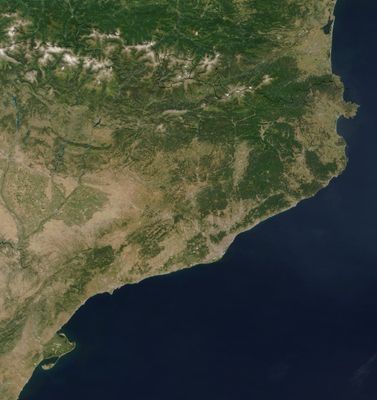
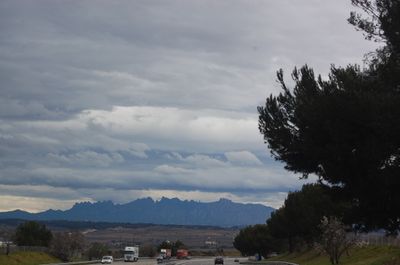
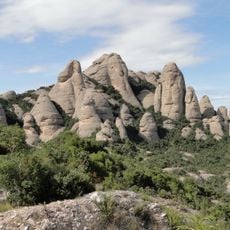
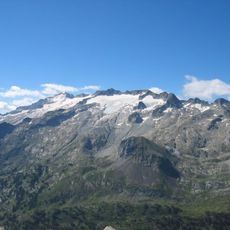
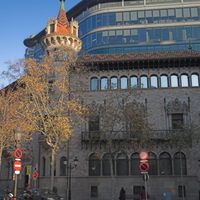
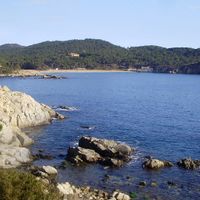
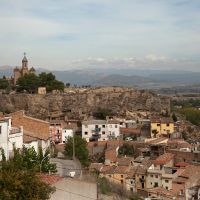
Catalonia is an autonomous community in northeastern Spain stretching along the Mediterranean coast from the Pyrenees to the Valencia region. The landscape shifts from coastal beaches to mountain villages, river plains and Mediterranean forests, with Barcelona serving as the largest city and economic hub.
Counties in the medieval Pyrenees borderlands grew into a principality under the House of Barcelona between the 9th and 12th centuries. This territory later joined the Crown of Aragon and developed its own trade traditions and political structures during the Mediterranean seafaring era.
Catalan appears on street signs, menus and shop fronts alongside Spanish, heard daily in markets and cafés. Residents gather on weekends to build human towers called castells and dance sardana in town squares, celebrating traditions passed down through generations.
Highways and regional trains connect the provinces of Barcelona, Girona, Lleida and Tarragona with each other and other parts of Spain. Travelers find bilingual signage and information in Catalan and Spanish in most towns, making it easier to navigate around the region.
The Mossos d'Esquadra operate as the regional police force, recognized by dark blue uniforms instead of the green worn by the Guardia Civil. In the Vall d'Aran in the northwest, residents speak Aranese, a form of Occitan that holds official status alongside Catalan and Spanish.
The community of curious travelers
AroundUs brings together thousands of curated places, local tips, and hidden gems, enriched daily by 90,742 contributors worldwide.