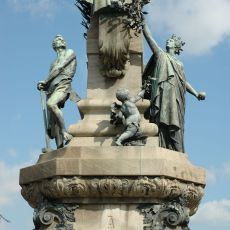
Parc de la Ciutadella, Urban park in Sant Pere district, Barcelona, Spain.
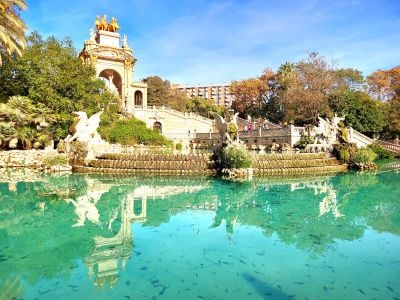
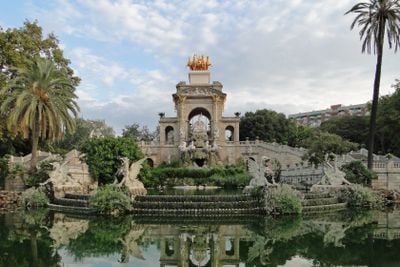
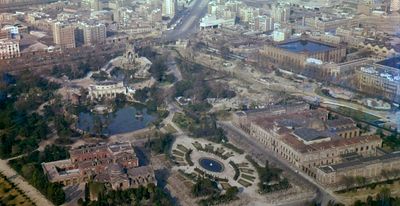
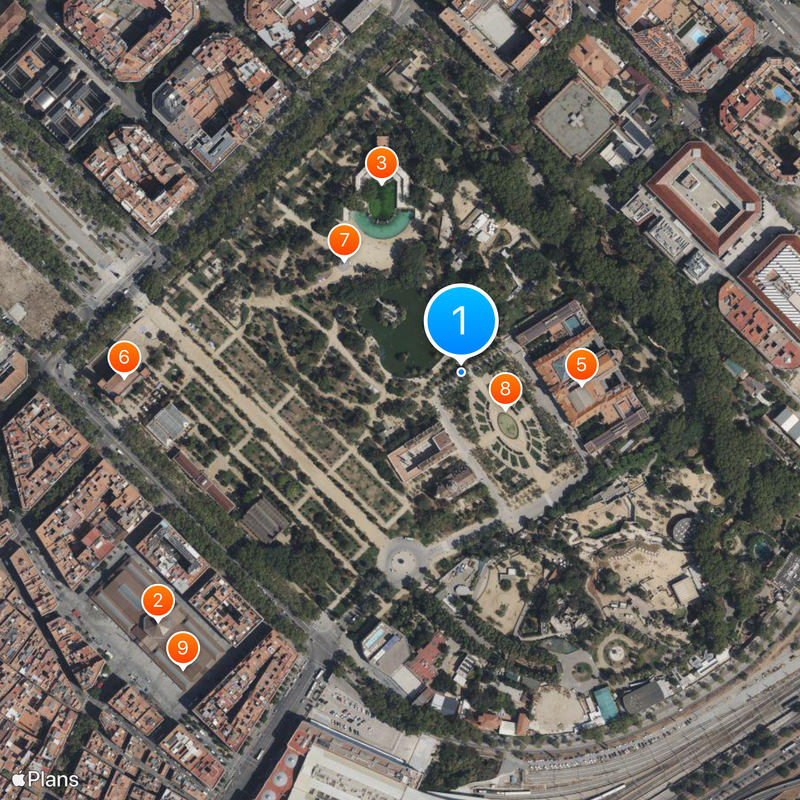
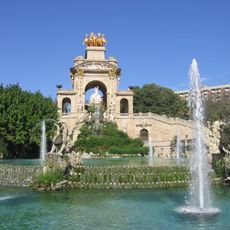
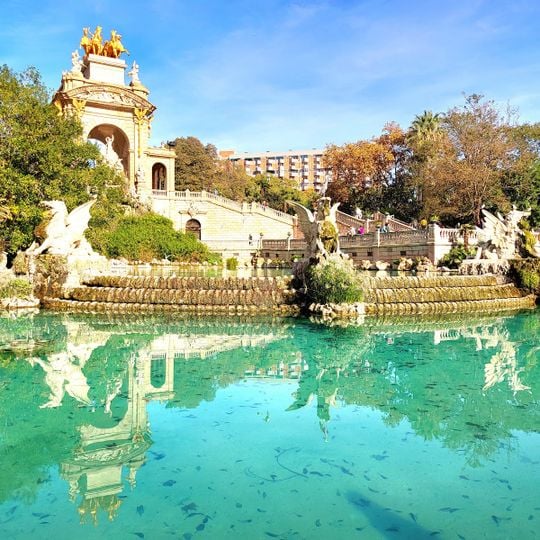
Parc de la Ciutadella is a 31-hectare green space in the Sant Pere, Santa Caterina i la Ribera district of Barcelona, featuring a lake, wide avenues, and a monumental cascade fountain. The fountain, designed by Josep Fontserè, displays rock formations, waterfalls, and statues, with the young Antoni Gaudí assisting in its construction.
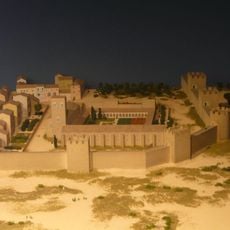
After the War of Spanish Succession, Philip V built Europe's largest fortress here starting in 1714 to control Barcelona. The city demolished the citadel in 1869 and transformed the grounds into a public park, which opened for the 1888 World's Fair.
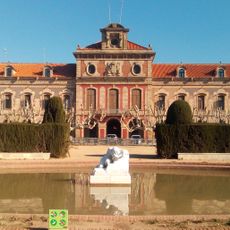
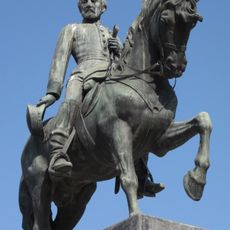
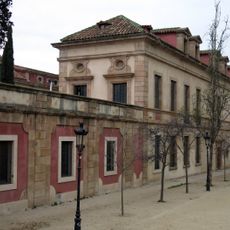
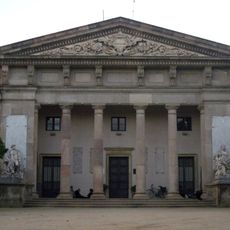
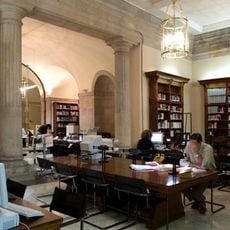
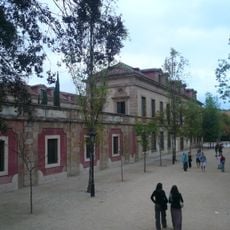
The name recalls the military citadel that once occupied this site, while today families row on the lake or picnic on the lawns. Sculptures by Catalan artists line the pathways, and the Catalan Parliament meets in a neoclassical building at the park's edge.
The main entrance sits near the Arc de Triomf metro station on Line 1, just a short walk away. The grounds are flat and easy for walkers to navigate, with paths running through tree-lined avenues and around the central lake.
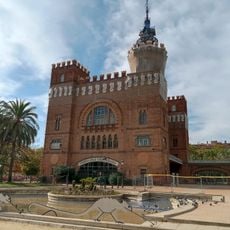
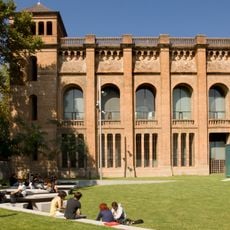
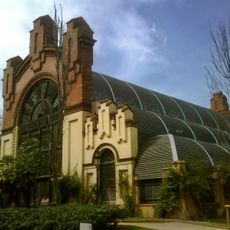
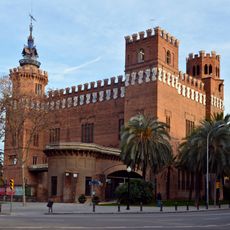
The Castell dels Tres Dragons was designed in 1887 by Lluís Domènech i Montaner as a café for the World's Fair, blending Moorish arches with modernist brickwork. The building later served as the Zoological Museum and now stands as one of the earliest examples of Catalan modernism.
Location: Sant Pere, Santa Caterina i la Ribera
Inception: 1872
Architectural style: Catalan modernism
Elevation above the sea: 6 m
Address: Parc de la Ciutadella
GPS coordinates: 41.38811,2.18752
Latest update: December 4, 2025 19:02
Barcelona offers a wide range of architectural and cultural sites that reflect centuries of Catalan history. The city combines Gothic churches and medieval streets with the organic forms of Antoni Gaudí's modernist buildings. From the Sagrada Família to Parc Güell, his designs shape the cityscape, while the Gothic Quarter and palaces such as Palau Güell represent earlier periods. Museums including the Picasso Museum and Joan Miró Foundation illustrate the city's artistic legacy. Markets like La Boqueria and Sant Antoni provide insight into Catalan daily life. The waterfront district of La Barceloneta, the Olympic Port, and Montjuïc with its cable car and fountain broaden the range. Other destinations include Casa Batlló, Casa Milà, the Hospital de Sant Pau, the National Art Museum of Catalonia, and the Aquarium.
El Born Centre de Cultura i Memòria
401 m
Cascada Monumental
220 m
Palace of the Parliament of Catalonia
123 m
Castle of the Three Dragons
323 m
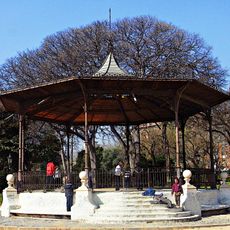
Bandstand dedicated to the Transexual Sonia
166 m
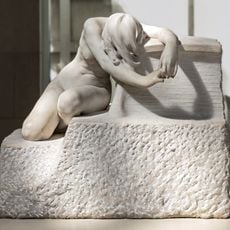
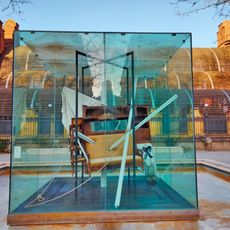
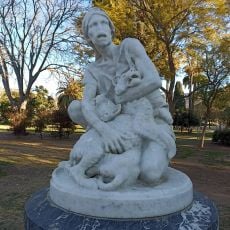
Desolation
58 m
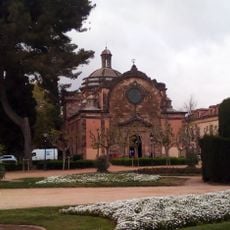
Military Parish Church of Barcelona
106 m
El Born Centre de Cultura i Memòria
408 m
Convent de Santa Clara de Barcelona
98 m
Barcelona a Prim
201 m
Dipòsit de les Aigües del Parc de la Ciutadella
282 m
Hivernacle
304 m
Institut-Escola (Barcelona, Spain)
88 m
Museo Martorell
285 m
Umbracle
250 m
Monument in memory of gays, lesbians and retaliated transsexuals
242 m
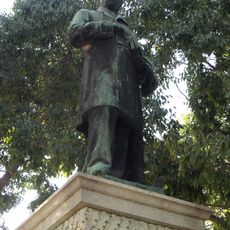
Monument a Rius i Taulet
365 m
A Aribau
242 m
Monument Homenatge a Picasso
280 m
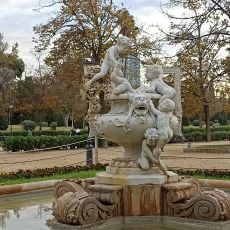
Font dels Nens
293 m
Library of the Parliament of Catalonia
2 m
Casa Antoni Salvadó i Prim
430 m
Teatre Malic
426 m
Antic Palau del Governador
64 m
El Castell
233 m
Magatzem de la Companyia d'Indústries Agrícoles
386 m
Laboratori de Natura
321 m
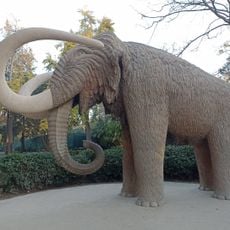
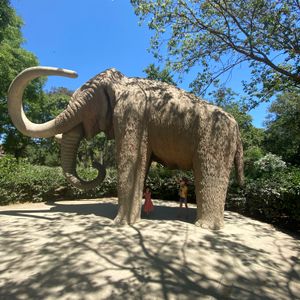
Mamut
109 mDiscover hidden gems everywhere you go!
From secret cafés to breathtaking viewpoints, skip the crowded tourist spots and find places that match your style. Our app makes it easy with voice search, smart filtering, route optimization, and insider tips from travelers worldwide. Download now for the complete mobile experience.

A unique approach to discovering new places❞
— Le Figaro
All the places worth exploring❞
— France Info
A tailor-made excursion in just a few clicks❞
— 20 Minutes