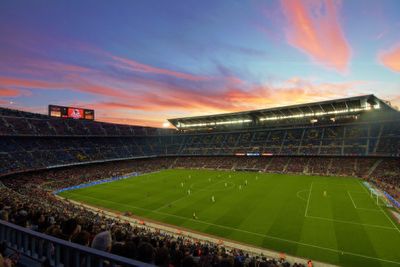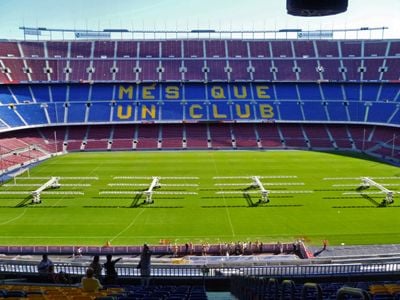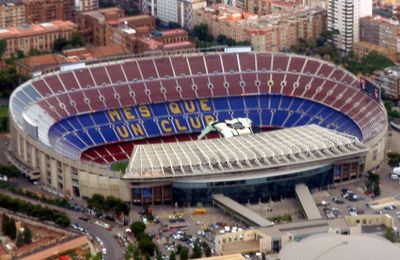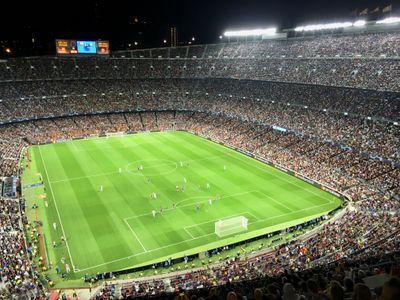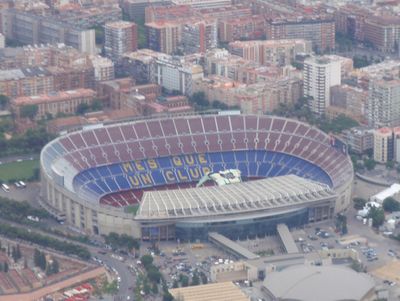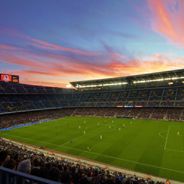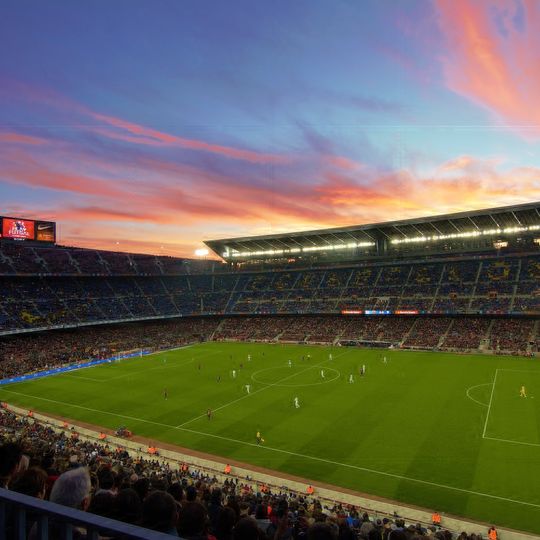
Camp Nou, Football stadium in La Maternitat i Sant Ramon, Spain.
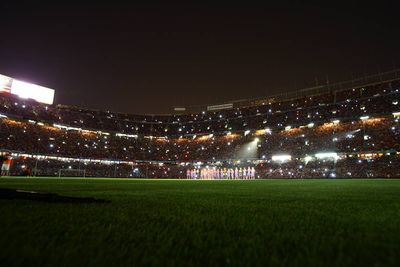
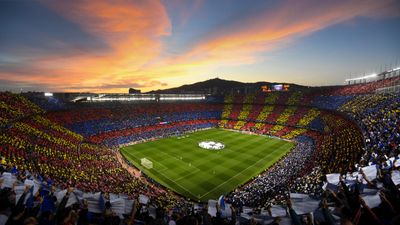
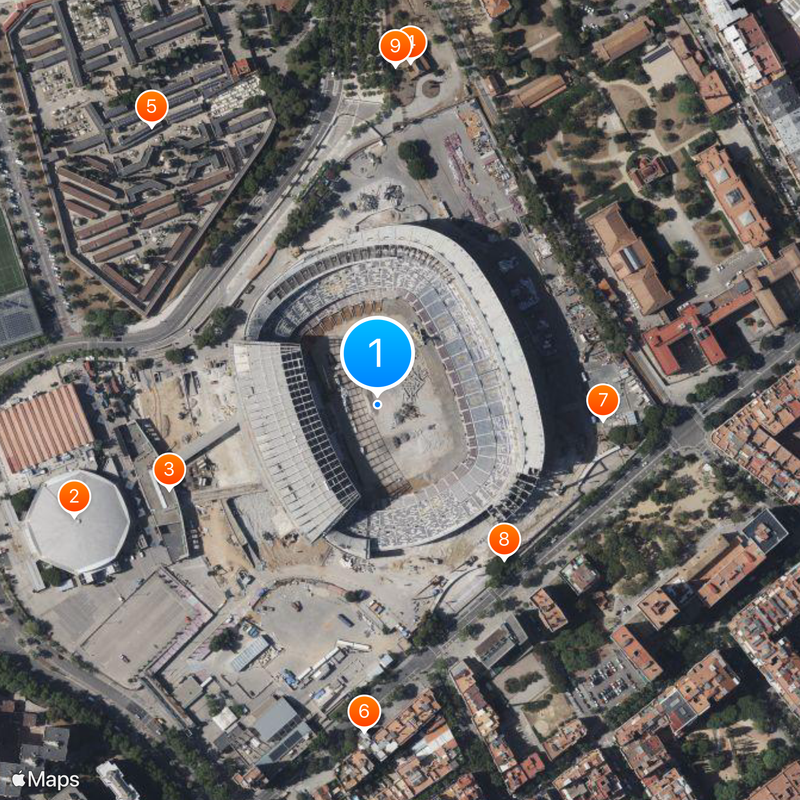
Camp Nou is a football stadium in La Maternitat i Sant Ramon, Spain, stretching across several levels with seating areas, dressing rooms, and press zones. The complex also includes a museum, a fan shop, and corridors that lead through the interior spaces where concrete and steel structures are visible.
Construction began in March 1954 because the old Barcelona venue had become too small, and the opening took place on September 24, 1957. Over the following decades, the complex was expanded and modernized several times to meet the growing demands of European football.
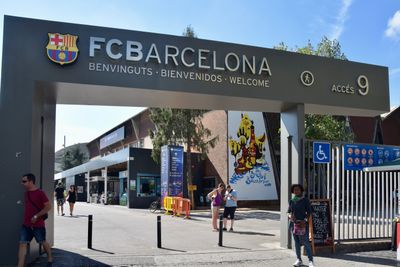
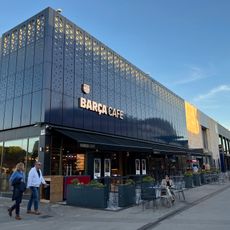
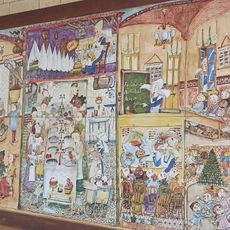
Families and football fans gather outside the venue to take photos with the club colors and the famous lettering before heading inside. Inside the museum, visitors move slowly through display cases filled with trophies and jerseys, quietly exchanging stories about players and matches.
The venue is usually open Monday through Saturday from 10 AM to 6 PM and on Sundays until 3 PM, with different guided tours available. Visiting on weekdays is advisable because there are fewer people and you can explore at a more relaxed pace.
In July 2022, a naming rights agreement with Spotify was signed for over 310 million dollars, leading to the official renaming as Spotify Camp Nou. Despite the new name, many locals and visitors still refer to the venue by its old designation.
Location: La Maternitat i Sant Ramon
Inception: September 24, 1957
Architects: Llorenç García-Barbón Fernández de Henestrosa, Francesc Mitjans i Miró, Josep Soteras i Mauri
Official opening: September 24, 1957
Capacity: 105000
Accessibility: Wheelchair limited access
Address: Travessera de les Corts
Opening Hours: Monday-Saturday 10:00-18:00; Sunday 10:00-15:00
Phone: +34902189900
Website: https://fcbarcelona.com/en/club/facilities/camp-nou
GPS coordinates: 41.38083,2.12278
Latest update: December 2, 2025 22:36
Barcelona has several sports facilities inherited from the 1992 Olympic Games, including Montjuïc Olympic Stadium and the municipal swimming pool in the same district, which offers sweeping views of the city from its elevated location. The Olympic and Sports Museum showcases this period with collections of medals, torches, and vintage equipment. The Horta Velodrome, built in 1984, features a 250-meter track and still hosts cycling competitions. Beyond this Olympic legacy, the city hosts active sports venues like the Municipal Sailing Center in Barceloneta, which offers classes and equipment rentals, and the Club Natació Atlètic-Barceloneta, with its Olympic-sized pool and water polo team that has competed in the top division since 1992. The Real Club de Polo de Barcelona, founded in 1897, maintains polo fields, tennis courts, and hockey facilities certified internationally. Football enthusiasts can visit the RCD Espanyol stadium, the city's other professional club.
Barcelona offers a wide range of architectural and cultural sites that reflect centuries of Catalan history. The city combines Gothic churches and medieval streets with the organic forms of Antoni Gaudí's modernist buildings. From the Sagrada Família to Parc Güell, his designs shape the cityscape, while the Gothic Quarter and palaces such as Palau Güell represent earlier periods. Museums including the Picasso Museum and Joan Miró Foundation illustrate the city's artistic legacy. Markets like La Boqueria and Sant Antoni provide insight into Catalan daily life. The waterfront district of La Barceloneta, the Olympic Port, and Montjuïc with its cable car and fountain broaden the range. Other destinations include Casa Batlló, Casa Milà, the Hospital de Sant Pau, the National Art Museum of Catalonia, and the Aquarium.
This collection gathers the largest stadiums on the planet, ranked by seating capacity. From the Narendra Modi Stadium in Motera, India, which hosts major cricket matches, to the vast American university arenas dedicated to football, and the May Day Stadium in Pyongyang, North Korea, these sports facilities demonstrate the scale that infrastructures for competitions and mass gatherings can reach. Each stadium has its own identity: some are exclusively dedicated to a specific sport, while others serve as flexible venues capable of hosting various events. Their sizes enable them to accommodate between 100,000 and over 150,000 spectators, providing organizers the opportunity to gather large crowds for international competitions, national finals, or major ceremonies.
FC Barcelona Museum
168 m
Casa Provincial de Maternitat i Expòsits de Barcelona
290 m
Can Planes
259 m
Arxiu General de la Diputació de Barcelona
351 m
Habitatges de la Cooperativa El Bienestar Obrero
312 m
Fundació Suñol
371 m
Maternitat
290 m
A Franz Platko
245 m
Als socis i a les penyes del Barça
255 m
Biblioteca Les Corts-Miquel Llongueras
338 m
Sentiment en alça
150 m
Òrbites centenàries
170 m
La Victòria
314 m
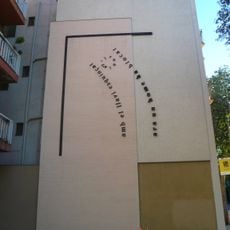
Signes del temps
146 m
Fecunditat
294 m
Sagrat Cor
248 m
Sense títol 9830
204 m
Olímpica
166 m
L'Avi
232 m
Ritme II
183 m
Mare de Déu embarassada
309 m
El primer gest
162 m
Chiaro di Luna
156 m
Projecció de l'atleta mediterrani
337 m
Límit interior
304 m
Als repatriats d'Ultramar
360 m
Francesc Cambó
272 m
Riella
153 mReviews
Real people, real opinions — but not verified.
Visited this place? Tap the stars to rate it and share your experience / photos with the community! Try now! You can cancel it anytime.
A legendary stadium, of course, but currently under renovation. The Barça team now plays at Montjuic.
Discover hidden gems everywhere you go!
From secret cafés to breathtaking viewpoints, skip the crowded tourist spots and find places that match your style. Our app makes it easy with voice search, smart filtering, route optimization, and insider tips from travelers worldwide. Download now for the complete mobile experience.

A unique approach to discovering new places❞
— Le Figaro
All the places worth exploring❞
— France Info
A tailor-made excursion in just a few clicks❞
— 20 Minutes