See the monuments around you in AROpen chests in the app
Around Us is built for your phone — point your camera at the streets and discover the monuments and places around you in augmented reality.Around Us is built for your phone — chests unlock when you walk, explore and capture nearby places.
Barcelona has several sports facilities inherited from the 1992 Olympic Games, including Montjuïc Olympic Stadium and the municipal swimming pool in the same district, which offers sweeping views of the city from its elevated location. The Olympic and Sports Museum showcases this period with collections of medals, torches, and vintage equipment. The Horta Velodrome, built in 1984, features a 250-meter track and still hosts cycling competitions.
Beyond this Olympic legacy, the city hosts active sports venues like the Municipal Sailing Center in Barceloneta, which offers classes and equipment rentals, and the Club Natació Atlètic-Barceloneta, with its Olympic-sized pool and water polo team that has competed in the top division since 1992. The Real Club de Polo de Barcelona, founded in 1897, maintains polo fields, tennis courts, and hockey facilities certified internationally. Football enthusiasts can visit the RCD Espanyol stadium, the city's other professional club.
Barcelona has several sports facilities inherited from the 1992 Olympic Games, including Montjuïc Olympic Stadium and the municipal swimming pool in the same district, which offers sweeping views of the city from its elevated location. The Olympic and Sports Museum showcases this period with collections of medals, torches, and vintage equipment. The Horta Velodrome, built in 1984, features a 250-meter track and still hosts cycling competitions.
Beyond this Olympic legacy, the city hosts active sports venues like the Municipal Sailing Center in Barceloneta, which offers classes and equipment rentals, and the Club Natació Atlètic-Barceloneta, with its Olympic-sized pool and water polo team that has competed in the top division since 1992. The Real Club de Polo de Barcelona, founded in 1897, maintains polo fields, tennis courts, and hockey facilities certified internationally. Football enthusiasts can visit the RCD Espanyol stadium, the city's other professional club.
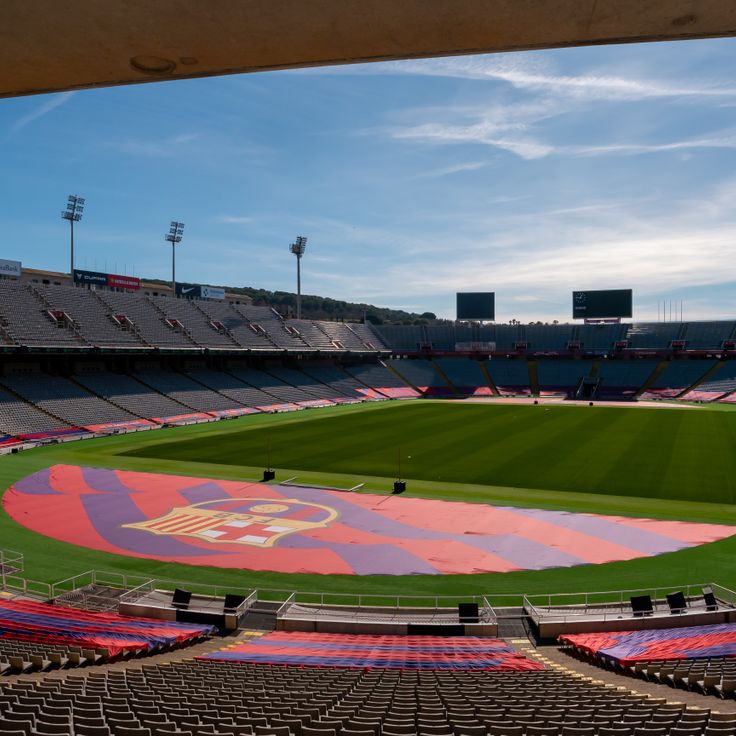
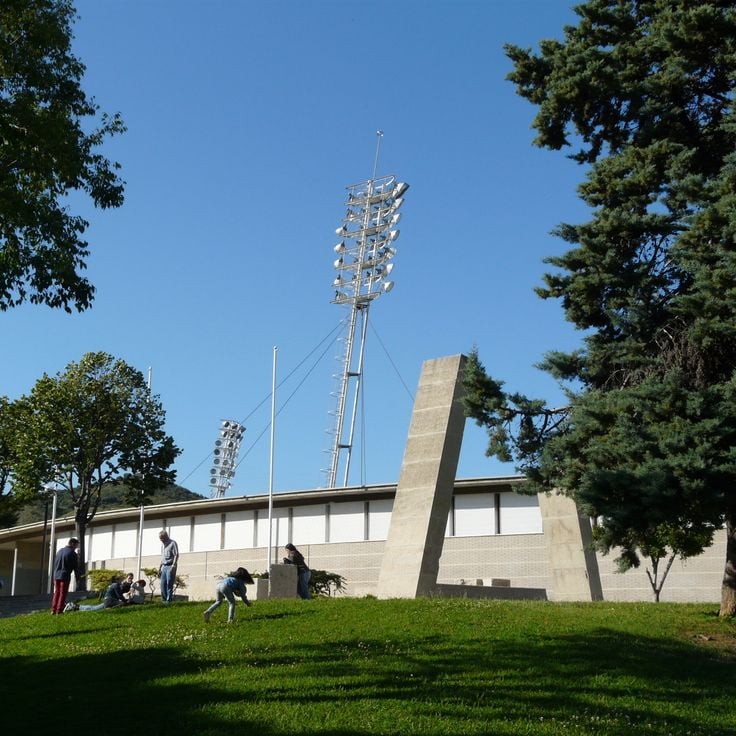
This stadium was built in 1929 for the International Exposition and underwent major renovation for the 1992 Olympic Games. The Stade Olympique de Montjuic seats 60,000 spectators and features a professional athletics track as well as a sports museum displaying memorabilia from the city's Olympic history.
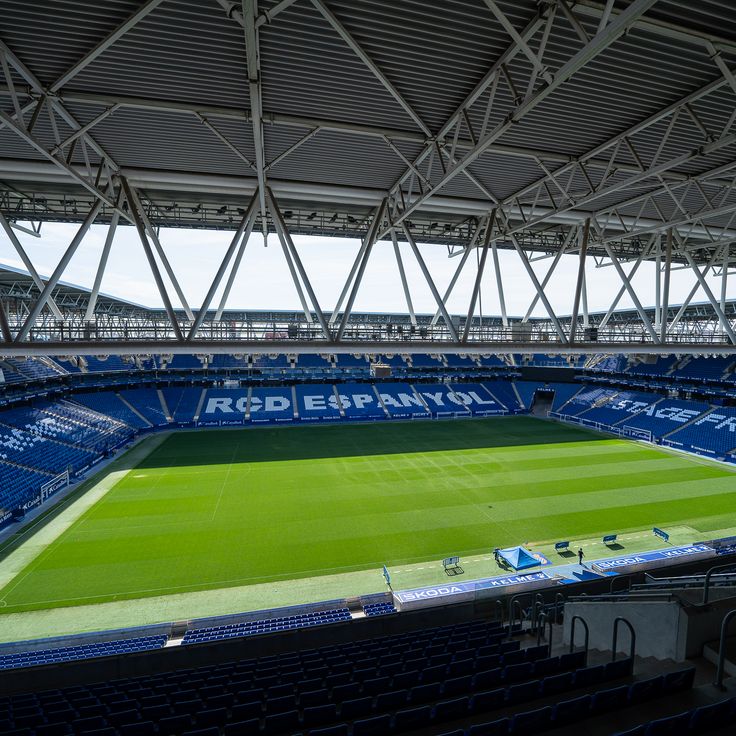
The RCD Espanyol stadium officially bears the name RCDE Stadium and offers 40,500 seats. The arena in the Cornellà-El Prat district opened in 2009 to replace the historic Estadi de Sarrià and features a modular roof covering two thirds of the stands. The club was founded in 1900 and won the Copa del Rey four times. The stadium is located about 6 miles (10 kilometers) southwest of the city center and can be reached by public transportation. Guided tours provide access to locker rooms, the players' tunnel and press facilities.
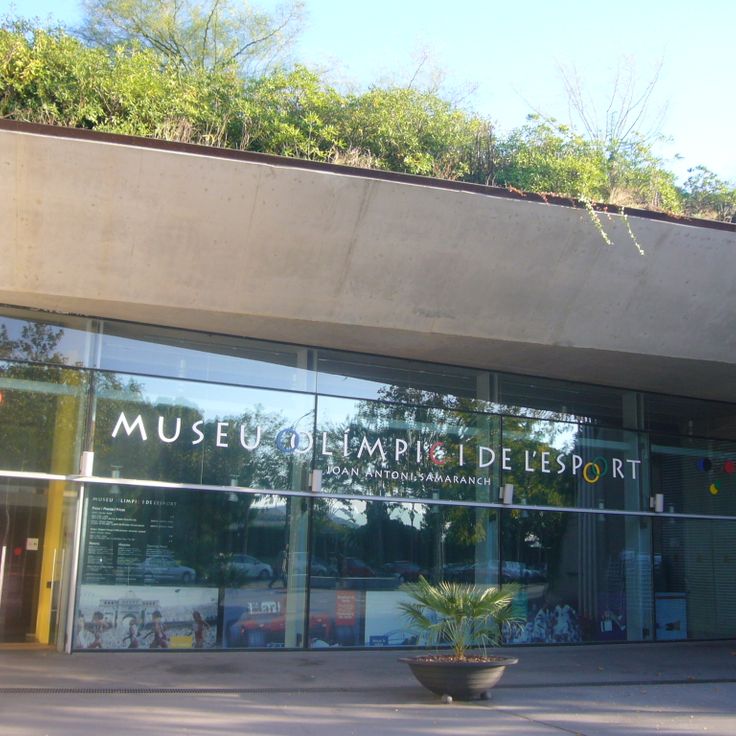
This museum presents the history of the 1992 Barcelona Olympic Games through a collection of medals, torches and sports equipment used during the event. The exhibition documents the organization of the Olympics and their impact on the urban development of Barcelona and Catalan sports.
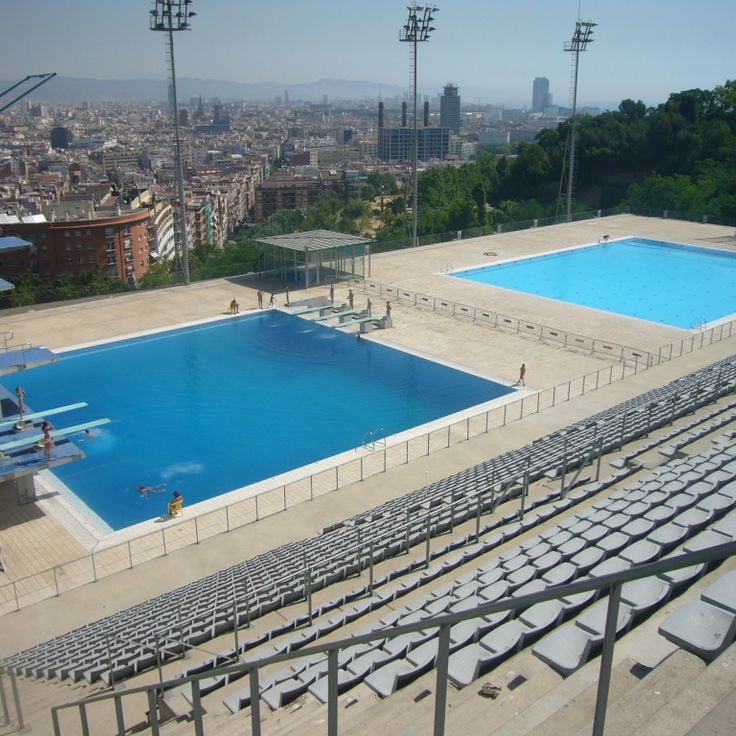
This municipal swimming complex dates from 1970 and was modernized for the 1992 Olympic Games, when it hosted diving and synchronized swimming events. The facility sits on Montjuïc hill about 164 feet (50 meters) above sea level and offers views across the city toward the harbor from poolside. The main pool measures 50 meters in length and remains open to the public, while the adjacent diving tower installations with platforms up to 33 feet (10 meters) high have been preserved.
The Vélodrome d'Horta was built in 1984 for the track cycling competitions of the 1992 Olympic Games and features a 250 meter (820 foot) track with a covered grandstand seating 3,800 spectators. This velodrome continues to serve as a venue for national and international track cycling events and stands as part of the sporting infrastructure Barcelona inherited from the Olympic era. The track meets Union Cycliste Internationale standards and remains in regular use for training and competition.
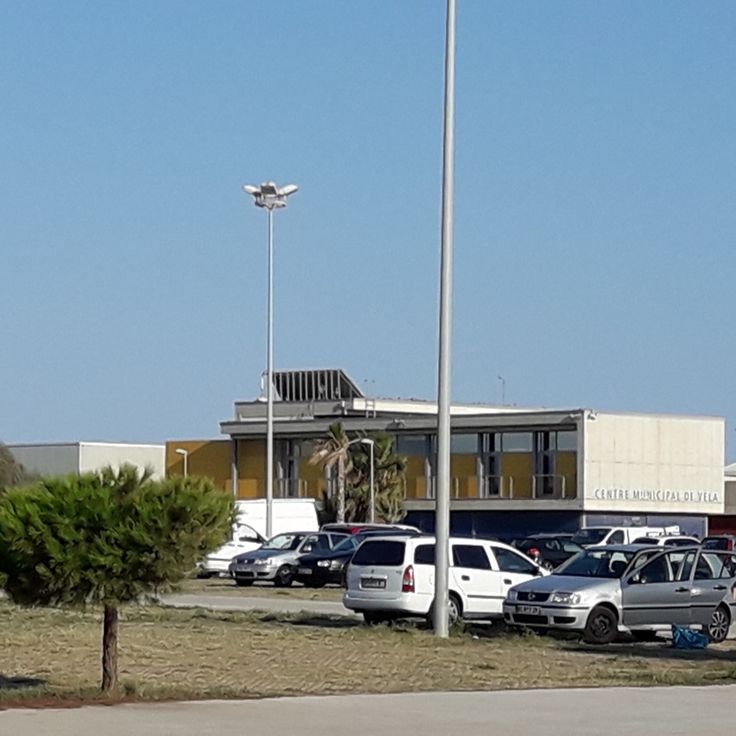
The Centre Municipal de Voile at Barceloneta offers sailing courses for beginners and advanced sailors as part of the city's active sports infrastructure. The center rents equipment and uses its Mediterranean location for practical instruction on the water. The facility is among the municipal installations that have continued developing water sports in Barcelona following the 1992 Olympic Games.
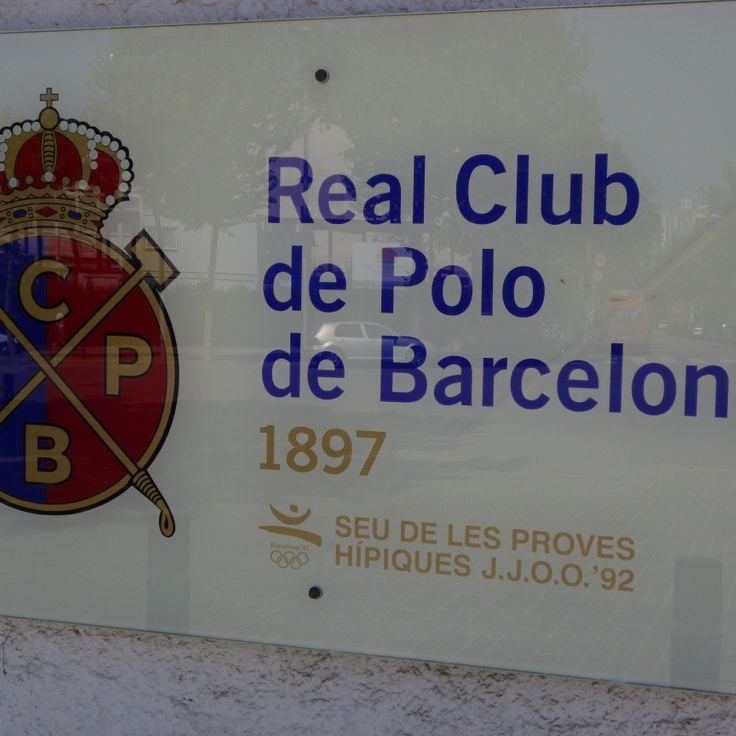
This sports club founded in 1897 features polo fields, tennis courts and an internationally certified hockey facility. The Real Club de Polo de Barcelona ranks among the city's traditional sporting establishments and maintains its facilities for various sports on grounds that have served club athletics for over a century. The installations include polo fields alongside tennis courts and a hockey facility meeting international standards. The club forms part of Barcelona's sporting infrastructure and complements the Olympic legacy venues as well as the active water sports facilities along the coast.
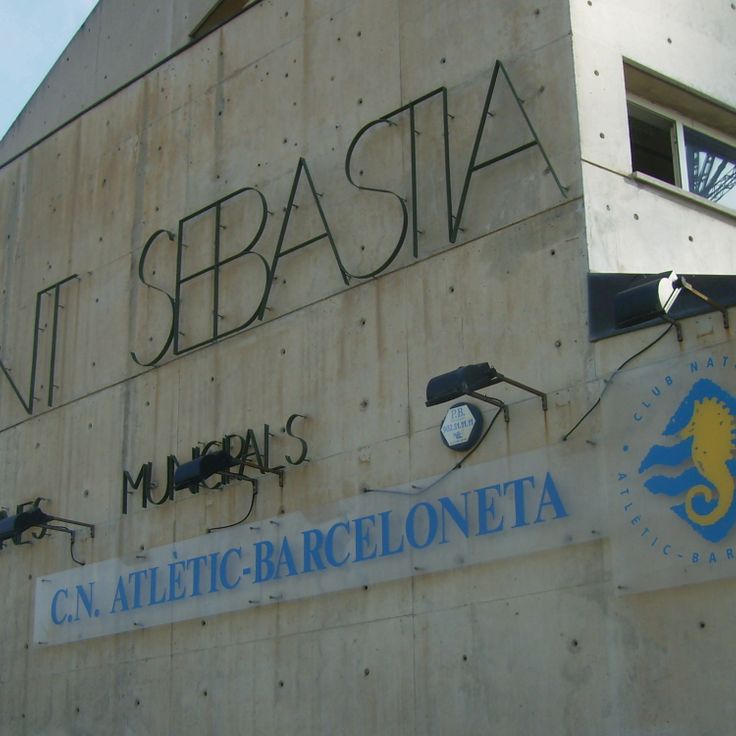
Club Natació Atlètic-Barceloneta features an Olympic pool and professional training facilities. The water polo team has competed in Spain's first division since 1992 and represents one of Barcelona's active sporting venues that continues the city's Olympic legacy. The swimming complex in the Barceloneta district serves both competitive sports and training purposes, remaining an integral part of the local sports infrastructure.
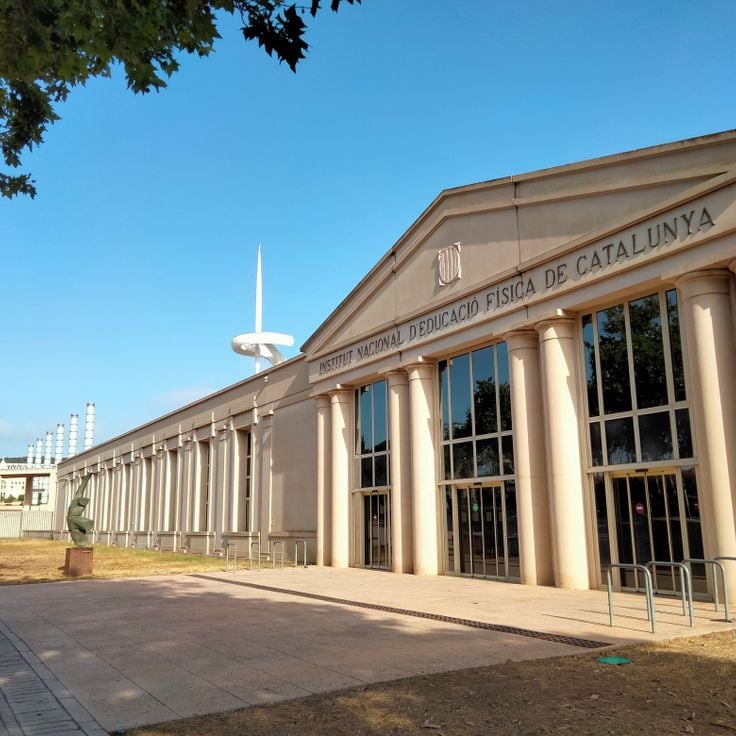
The institute conducts applied research in sports science and offers academic programs for physical education teachers and coaches. The facility houses biomechanics laboratories, performance diagnostic rooms and various sports installations for practical training. Founded in 1975, the center collaborates with sports federations and universities, contributing to the scientific support of Catalan athletes. Research focuses on training methodology, movement analysis and sports pedagogy.
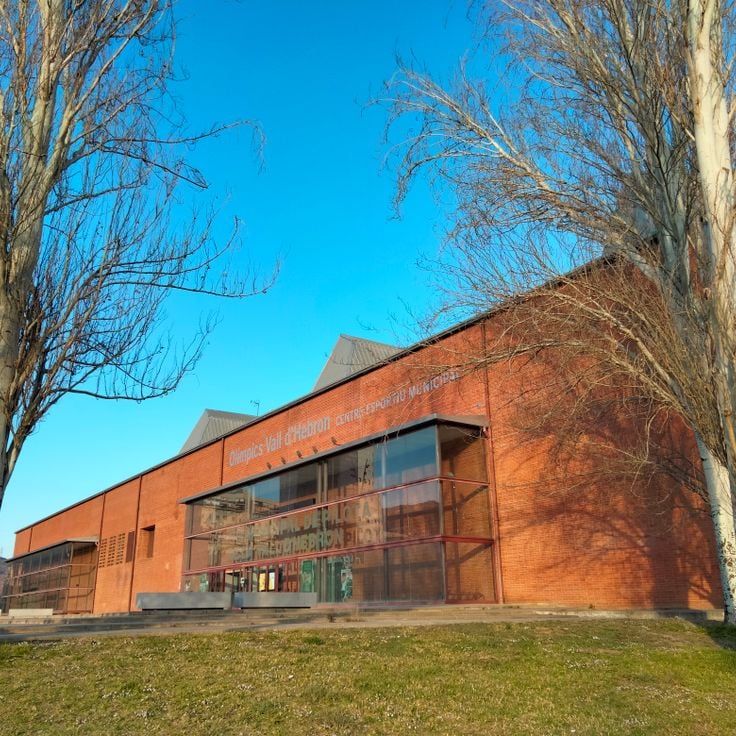
The Pavillon de la Vall d'Hebron served as one of the competition venues during the 1992 Olympics, hosting volleyball tournaments. The facility includes covered courts and training areas that continue to host various sporting events and public activities. The complex is part of Barcelona's Olympic legacy and sits in the northern Vall d'Hebron district.
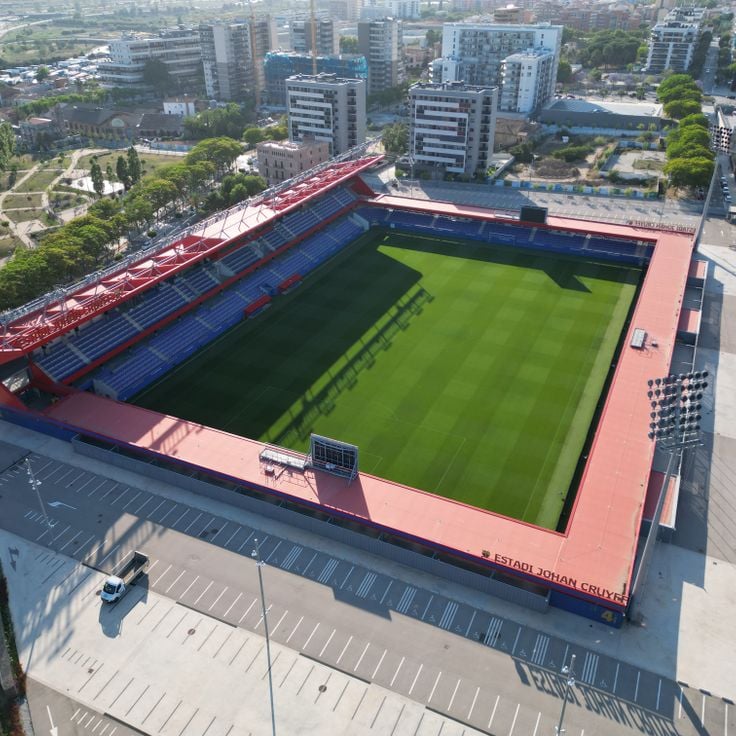
The Johan Cruyff Stadium takes its name from the Dutch footballer who shaped FC Barcelona's history as both a player in the 1970s and later as coach. This 6,000-seat facility has served as home stadium for the club's women's team and reserve squad since opening in 2019. Located in Sant Joan Despí, roughly 5 miles (8 km) southwest of central Barcelona, the stadium forms part of the Ciudad Deportiva Joan Gamper training complex. The stands provide covered seating, and the venue includes modern locker rooms and training facilities. Throughout the season, Liga F and Segunda División matches take place here regularly.
The RCD Espanyol Museum traces the history of the football club founded in 1900 through a collection of jerseys, trophies and archival documents spanning more than a century. The exhibition follows the development of Barcelona's second professional team across different eras and documents its major achievements in Spanish and European competition. Visitors can view match programs, historical photographs and personal items belonging to former players. The museum area is located within the Stage Front Stadium in Cornellà-El Prat and is accessible on match days and by appointment.
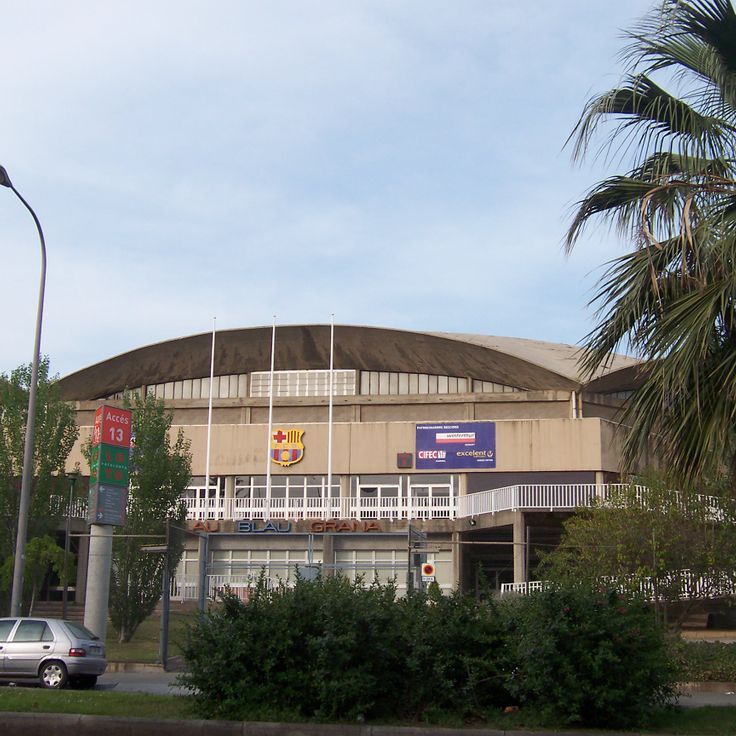
The Palau Blaugrana seats 7,585 spectators and serves as home venue for FC Barcelona's basketball, handball, roller hockey and futsal teams. The multipurpose arena opened in 1971 and stands next to Camp Nou in the Les Corts district. Beyond hosting home matches for the various teams, it accommodates international competitions and occasional concerts. The facility is part of the club's larger sports complex and can be reached via Collblanc metro station.
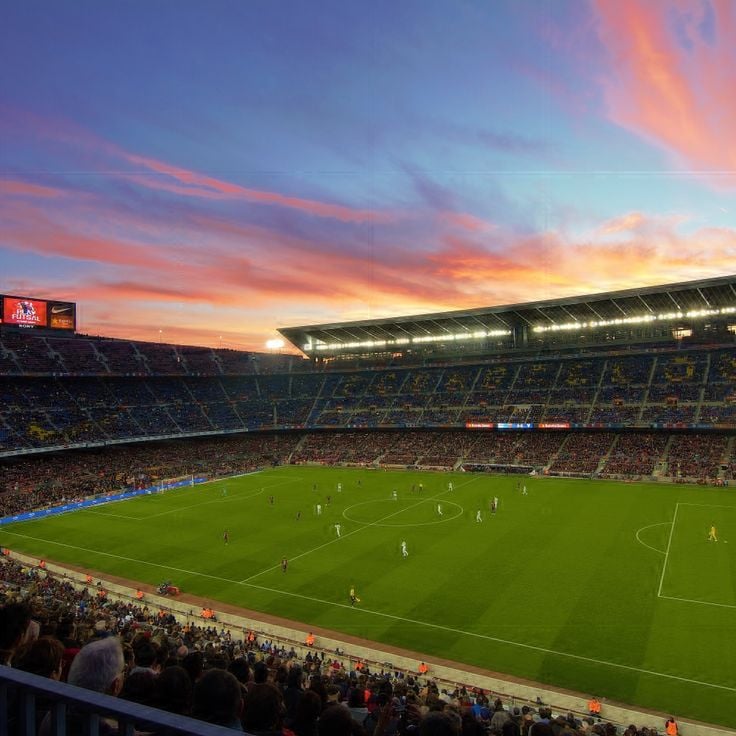
This stadium, opened in 1957, seats 99,354 spectators and ranks as the largest soccer stadium in Europe. Camp Nou has served as the home ground of FC Barcelona since its inauguration and has hosted countless Spanish league matches, Champions League games and international tournaments. The venue stands in the western Les Corts district of Barcelona and remains one of the primary sporting venues in Catalonia. Designed by architects Francesc Mitjans, Josep Soteras and Lorenzo García-Barbón, the stadium has undergone several expansions and renovations over the decades while retaining its original structural concept. Multiple metro lines provide access to the site, making it straightforward for visitors to reach.
This stadium was built in 1929 for the International Exposition and underwent major renovation for the 1992 Olympic Games. The Stade Olympique de Montjuic seats 60,000 spectators and features a professional athletics track as well as a sports museum displaying memorabilia from the city's Olympic history.
The RCD Espanyol stadium officially bears the name RCDE Stadium and offers 40,500 seats. The arena in the Cornellà-El Prat district opened in 2009 to replace the historic Estadi de Sarrià and features a modular roof covering two thirds of the stands. The club was founded in 1900 and won the Copa del Rey four times. The stadium is located about 6 miles (10 kilometers) southwest of the city center and can be reached by public transportation. Guided tours provide access to locker rooms, the players' tunnel and press facilities.
This museum presents the history of the 1992 Barcelona Olympic Games through a collection of medals, torches and sports equipment used during the event. The exhibition documents the organization of the Olympics and their impact on the urban development of Barcelona and Catalan sports.
This municipal swimming complex dates from 1970 and was modernized for the 1992 Olympic Games, when it hosted diving and synchronized swimming events. The facility sits on Montjuïc hill about 164 feet (50 meters) above sea level and offers views across the city toward the harbor from poolside. The main pool measures 50 meters in length and remains open to the public, while the adjacent diving tower installations with platforms up to 33 feet (10 meters) high have been preserved.
The Vélodrome d'Horta was built in 1984 for the track cycling competitions of the 1992 Olympic Games and features a 250 meter (820 foot) track with a covered grandstand seating 3,800 spectators. This velodrome continues to serve as a venue for national and international track cycling events and stands as part of the sporting infrastructure Barcelona inherited from the Olympic era. The track meets Union Cycliste Internationale standards and remains in regular use for training and competition.
The Centre Municipal de Voile at Barceloneta offers sailing courses for beginners and advanced sailors as part of the city's active sports infrastructure. The center rents equipment and uses its Mediterranean location for practical instruction on the water. The facility is among the municipal installations that have continued developing water sports in Barcelona following the 1992 Olympic Games.
This sports club founded in 1897 features polo fields, tennis courts and an internationally certified hockey facility. The Real Club de Polo de Barcelona ranks among the city's traditional sporting establishments and maintains its facilities for various sports on grounds that have served club athletics for over a century. The installations include polo fields alongside tennis courts and a hockey facility meeting international standards. The club forms part of Barcelona's sporting infrastructure and complements the Olympic legacy venues as well as the active water sports facilities along the coast.
Club Natació Atlètic-Barceloneta features an Olympic pool and professional training facilities. The water polo team has competed in Spain's first division since 1992 and represents one of Barcelona's active sporting venues that continues the city's Olympic legacy. The swimming complex in the Barceloneta district serves both competitive sports and training purposes, remaining an integral part of the local sports infrastructure.
The institute conducts applied research in sports science and offers academic programs for physical education teachers and coaches. The facility houses biomechanics laboratories, performance diagnostic rooms and various sports installations for practical training. Founded in 1975, the center collaborates with sports federations and universities, contributing to the scientific support of Catalan athletes. Research focuses on training methodology, movement analysis and sports pedagogy.
The Pavillon de la Vall d'Hebron served as one of the competition venues during the 1992 Olympics, hosting volleyball tournaments. The facility includes covered courts and training areas that continue to host various sporting events and public activities. The complex is part of Barcelona's Olympic legacy and sits in the northern Vall d'Hebron district.
The Johan Cruyff Stadium takes its name from the Dutch footballer who shaped FC Barcelona's history as both a player in the 1970s and later as coach. This 6,000-seat facility has served as home stadium for the club's women's team and reserve squad since opening in 2019. Located in Sant Joan Despí, roughly 5 miles (8 km) southwest of central Barcelona, the stadium forms part of the Ciudad Deportiva Joan Gamper training complex. The stands provide covered seating, and the venue includes modern locker rooms and training facilities. Throughout the season, Liga F and Segunda División matches take place here regularly.
The RCD Espanyol Museum traces the history of the football club founded in 1900 through a collection of jerseys, trophies and archival documents spanning more than a century. The exhibition follows the development of Barcelona's second professional team across different eras and documents its major achievements in Spanish and European competition. Visitors can view match programs, historical photographs and personal items belonging to former players. The museum area is located within the Stage Front Stadium in Cornellà-El Prat and is accessible on match days and by appointment.
The Palau Blaugrana seats 7,585 spectators and serves as home venue for FC Barcelona's basketball, handball, roller hockey and futsal teams. The multipurpose arena opened in 1971 and stands next to Camp Nou in the Les Corts district. Beyond hosting home matches for the various teams, it accommodates international competitions and occasional concerts. The facility is part of the club's larger sports complex and can be reached via Collblanc metro station.
This stadium, opened in 1957, seats 99,354 spectators and ranks as the largest soccer stadium in Europe. Camp Nou has served as the home ground of FC Barcelona since its inauguration and has hosted countless Spanish league matches, Champions League games and international tournaments. The venue stands in the western Les Corts district of Barcelona and remains one of the primary sporting venues in Catalonia. Designed by architects Francesc Mitjans, Josep Soteras and Lorenzo García-Barbón, the stadium has undergone several expansions and renovations over the decades while retaining its original structural concept. Multiple metro lines provide access to the site, making it straightforward for visitors to reach.
This stadium was built in 1929 for the International Exposition and underwent major renovation for the 1992 Olympic Games. The Stade Olympique de Montjuic seats 60,000 spectators and features a professional athletics track as well as a sports museum displaying memorabilia from the city's Olympic history.
The RCD Espanyol stadium officially bears the name RCDE Stadium and offers 40,500 seats. The arena in the Cornellà-El Prat district opened in 2009 to replace the historic Estadi de Sarrià and features a modular roof covering two thirds of the stands. The club was founded in 1900 and won the Copa del Rey four times. The stadium is located about 6 miles (10 kilometers) southwest of the city center and can be reached by public transportation. Guided tours provide access to locker rooms, the players' tunnel and press facilities.
This museum presents the history of the 1992 Barcelona Olympic Games through a collection of medals, torches and sports equipment used during the event. The exhibition documents the organization of the Olympics and their impact on the urban development of Barcelona and Catalan sports.
This municipal swimming complex dates from 1970 and was modernized for the 1992 Olympic Games, when it hosted diving and synchronized swimming events. The facility sits on Montjuïc hill about 164 feet (50 meters) above sea level and offers views across the city toward the harbor from poolside. The main pool measures 50 meters in length and remains open to the public, while the adjacent diving tower installations with platforms up to 33 feet (10 meters) high have been preserved.
The Vélodrome d'Horta was built in 1984 for the track cycling competitions of the 1992 Olympic Games and features a 250 meter (820 foot) track with a covered grandstand seating 3,800 spectators. This velodrome continues to serve as a venue for national and international track cycling events and stands as part of the sporting infrastructure Barcelona inherited from the Olympic era. The track meets Union Cycliste Internationale standards and remains in regular use for training and competition.
The Centre Municipal de Voile at Barceloneta offers sailing courses for beginners and advanced sailors as part of the city's active sports infrastructure. The center rents equipment and uses its Mediterranean location for practical instruction on the water. The facility is among the municipal installations that have continued developing water sports in Barcelona following the 1992 Olympic Games.
This sports club founded in 1897 features polo fields, tennis courts and an internationally certified hockey facility. The Real Club de Polo de Barcelona ranks among the city's traditional sporting establishments and maintains its facilities for various sports on grounds that have served club athletics for over a century. The installations include polo fields alongside tennis courts and a hockey facility meeting international standards. The club forms part of Barcelona's sporting infrastructure and complements the Olympic legacy venues as well as the active water sports facilities along the coast.
Club Natació Atlètic-Barceloneta features an Olympic pool and professional training facilities. The water polo team has competed in Spain's first division since 1992 and represents one of Barcelona's active sporting venues that continues the city's Olympic legacy. The swimming complex in the Barceloneta district serves both competitive sports and training purposes, remaining an integral part of the local sports infrastructure.
The institute conducts applied research in sports science and offers academic programs for physical education teachers and coaches. The facility houses biomechanics laboratories, performance diagnostic rooms and various sports installations for practical training. Founded in 1975, the center collaborates with sports federations and universities, contributing to the scientific support of Catalan athletes. Research focuses on training methodology, movement analysis and sports pedagogy.
The Pavillon de la Vall d'Hebron served as one of the competition venues during the 1992 Olympics, hosting volleyball tournaments. The facility includes covered courts and training areas that continue to host various sporting events and public activities. The complex is part of Barcelona's Olympic legacy and sits in the northern Vall d'Hebron district.
The Johan Cruyff Stadium takes its name from the Dutch footballer who shaped FC Barcelona's history as both a player in the 1970s and later as coach. This 6,000-seat facility has served as home stadium for the club's women's team and reserve squad since opening in 2019. Located in Sant Joan Despí, roughly 5 miles (8 km) southwest of central Barcelona, the stadium forms part of the Ciudad Deportiva Joan Gamper training complex. The stands provide covered seating, and the venue includes modern locker rooms and training facilities. Throughout the season, Liga F and Segunda División matches take place here regularly.
The RCD Espanyol Museum traces the history of the football club founded in 1900 through a collection of jerseys, trophies and archival documents spanning more than a century. The exhibition follows the development of Barcelona's second professional team across different eras and documents its major achievements in Spanish and European competition. Visitors can view match programs, historical photographs and personal items belonging to former players. The museum area is located within the Stage Front Stadium in Cornellà-El Prat and is accessible on match days and by appointment.
The Palau Blaugrana seats 7,585 spectators and serves as home venue for FC Barcelona's basketball, handball, roller hockey and futsal teams. The multipurpose arena opened in 1971 and stands next to Camp Nou in the Les Corts district. Beyond hosting home matches for the various teams, it accommodates international competitions and occasional concerts. The facility is part of the club's larger sports complex and can be reached via Collblanc metro station.
This stadium, opened in 1957, seats 99,354 spectators and ranks as the largest soccer stadium in Europe. Camp Nou has served as the home ground of FC Barcelona since its inauguration and has hosted countless Spanish league matches, Champions League games and international tournaments. The venue stands in the western Les Corts district of Barcelona and remains one of the primary sporting venues in Catalonia. Designed by architects Francesc Mitjans, Josep Soteras and Lorenzo García-Barbón, the stadium has undergone several expansions and renovations over the decades while retaining its original structural concept. Multiple metro lines provide access to the site, making it straightforward for visitors to reach.