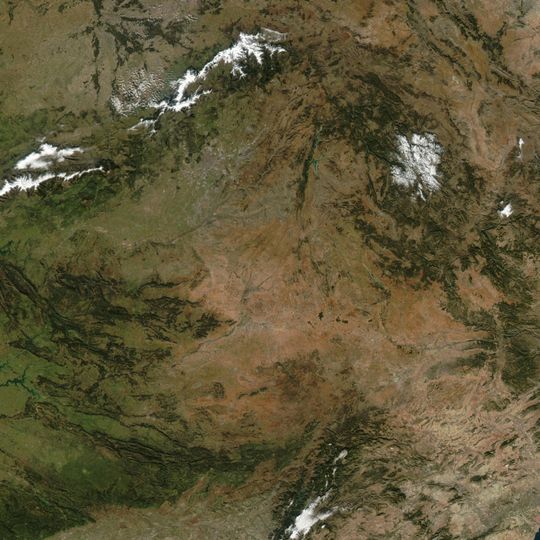
Castilla–La Mancha, Autonomous community in central Spain.
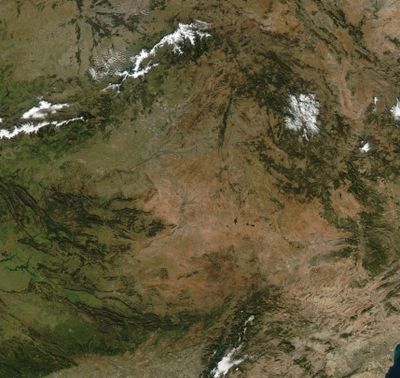
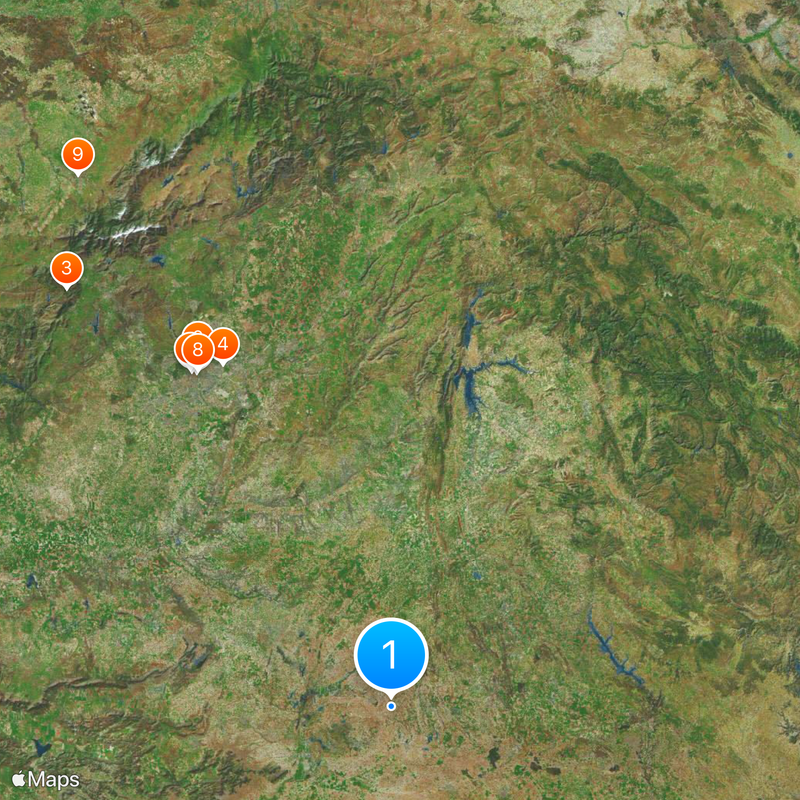
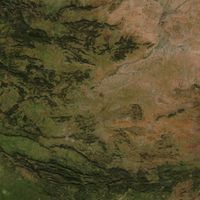
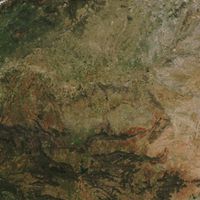
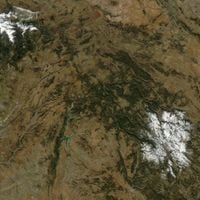
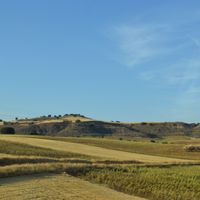
Castilla–La Mancha is a region in central Spain that includes five provinces: Albacete, Ciudad Real, Cuenca, Guadalajara, and Toledo. The landscape shifts between wide plateaus, rolling hills, and mountain ranges where olive groves and vineyards mark the countryside.
The region gained its status as an autonomous community after the Constitution of 1978 and was formally established in 1982, with Toledo named as the capital. Before that, the provinces belonged to different historical territories and were only united through this administrative act.
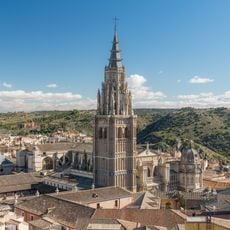
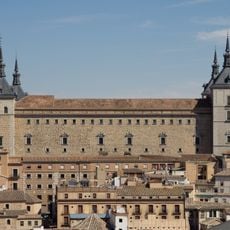
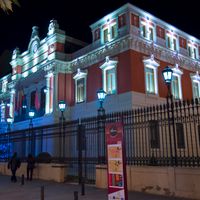
In Toledo, visitors walk through narrow lanes where Moorish arches stand beside Gothic towers and Jewish quarters shape the cityscape. Local festivals follow old traditions, and craftsmen still forge swords using methods passed down through centuries.
High-speed trains connect the larger cities to Madrid, while regional buses serve smaller towns and rural areas. Distances between provincial capitals are considerable, so planning ahead helps if you want to visit multiple places.
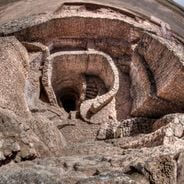
The mercury mines of Almadén operated since Roman times and hold the largest cinnabar deposits on Earth, producing about one-third of the world's mercury. Today, the closed tunnels are part of a visitor center that shows the history of mining.
The community of curious travelers
AroundUs brings together thousands of curated places, local tips, and hidden gems, enriched daily by 60,000 contributors worldwide.