Albacete Province, Province in Castile-La Mancha, Spain
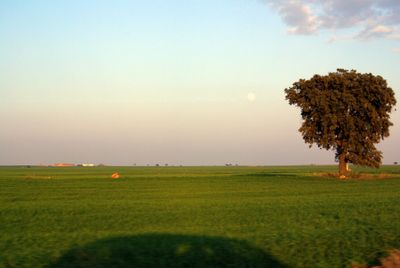
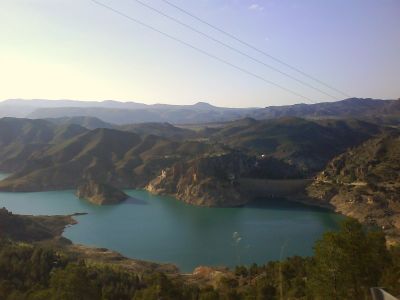
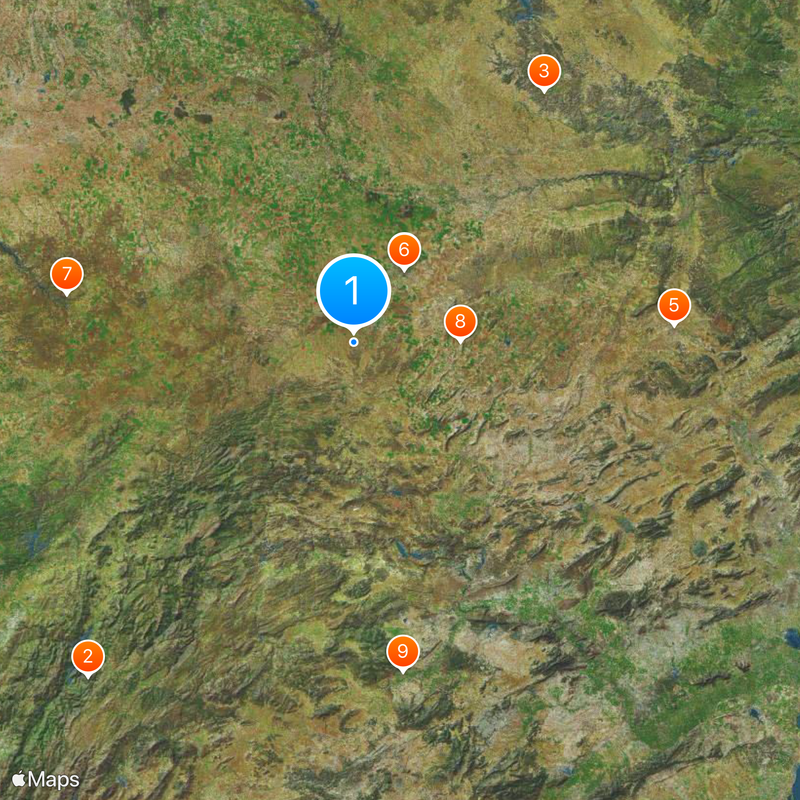
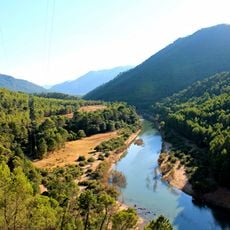
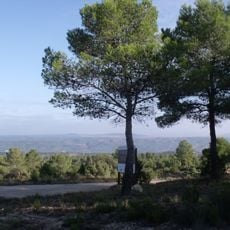
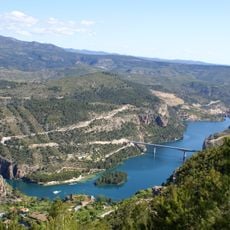
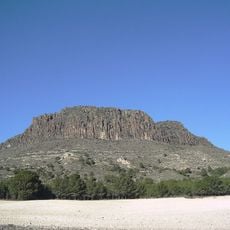
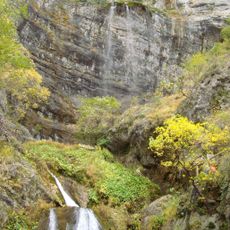
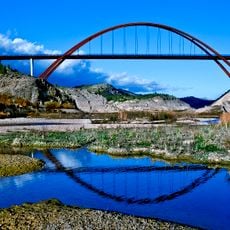
Albacete Province is an administrative territory in southeastern central Spain stretching from the Sierra de Alcaraz in the south to flat wheat and vineyard plains in the north. The landscape shifts between bare hills, forested mountain ranges, and wide plains cut by dry riverbeds.
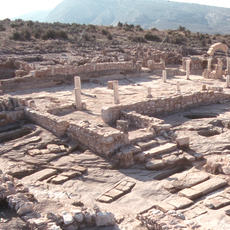
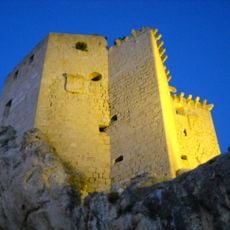
The administrative borders took shape in 1833 through a reform that divided former kingdoms into smaller units. Settlements in this territory have existed since Roman times, when roads crossed the Iberian Peninsula from south to east.
The region shapes a tradition of knife craftsmanship, with artisans in the capital still forging folding knives decorated with horn and wood inlays. Visitors can watch workshops where blades are hand-ground and fitted with carved handles passed down through family lines.
Travelers reach towns through country roads that cross open terrain and include steep sections in the mountains. Summer temperatures can exceed 35 °C (95 °F), so visiting in spring or autumn offers more comfortable conditions.
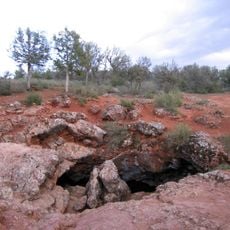
The territory receives around 350 millimeters of rain per year and ranks as the driest inland region in the country. This scarcity of rainfall shapes the vegetation and results in wide areas of low scrub and sparse grass.
The community of curious travelers
AroundUs brings together thousands of curated places, local tips, and hidden gems, enriched daily by 60,000 contributors worldwide.