Cueva de Montesinos, Cave in Ossa de Montiel, Spain
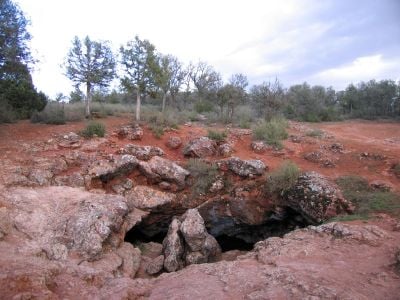
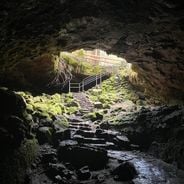
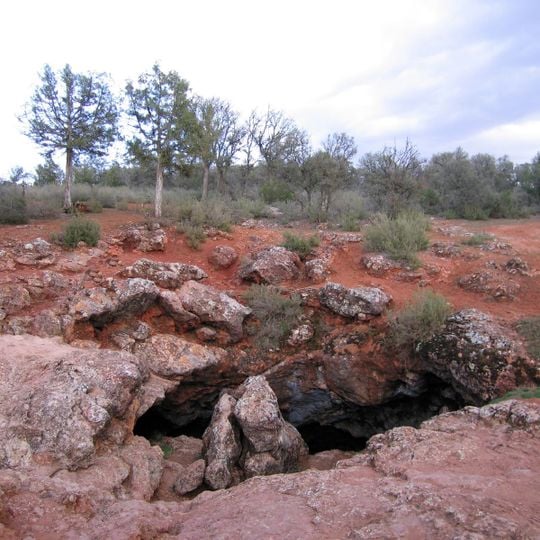
A natural cavity extending 80 meters deep into the earth, featuring a small lake at its bottom formed by filtered rainwater.
Archaeological findings within the cave include tools and arrowheads dating back to the late Neolithic period and early Metal Age.
The cave earned literary recognition through its appearance in Part II of Don Quixote, where Miguel de Cervantes described the protagonist's descent.
Visitors need flashlights to explore the interior, and should wear comfortable shoes while following the 330-meter path from the parking area.
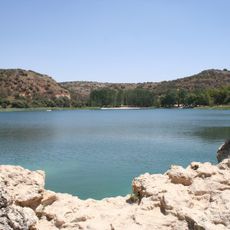
Underground streams connect the cave's internal lake to the larger water system of Ruidera Natural Park through geological formations.
Location: Ossa de Montiel
GPS coordinates: 38.94018,-2.80834
Latest update: May 15, 2025 04:43
Caves form through gradual geological processes that can span millions of years. Water dissolves limestone and creates underground chambers filled with stalactites and stalagmites, while ice caves in alpine regions maintain their frozen formations even during summer months. Each cave system tells a distinct story about the forces that shaped it, from chemical erosion to tectonic shifts that exposed new rock layers to underground rivers. This collection includes some of the most geologically significant caves on Earth. Carlsbad Caverns in New Mexico encompasses more than 30 miles (48 kilometers) of passages filled with mineral formations, while Mammoth Cave in Kentucky extends over 400 miles (650 kilometers) through limestone bedrock. Eisriesenwelt in Austria stretches 26 miles (42 kilometers) and contains ice structures that reform each winter. Reed Flute Cave in Guilin showcases limestone formations that began developing 180 million years ago. Waitomo Caves in New Zealand are home to thousands of glowworms that light the darkness with bioluminescence. Puerto Princesa in the Philippines features an underground river that flows 5 miles (8 kilometers) before reaching the sea. Several caves also preserve human history, including Lascaux in France with its 17,000-year-old paintings. These formations demonstrate how water, ice, and time create underground worlds that reveal both geological and cultural history.
Lagunas de Ruidera Natural Park
8.3 km
Castle of Peñarroya XII century A.D.
21.8 km
Estrella Castle
27.2 km
Castle of Alhambra
21.3 km
Jamila
32.7 km
Plaza Mayor de San Carlos del Valle
39 km
Church of Cristo del Valle
39 km
Cueva-prisión de Medrano
32.2 km
Iglesia de Nuestra Señora de la Asunción
21.8 km
Iglesia de Santa Catalina
37.3 km
Posada de los Portales
30.5 km
Sanctuary of Our Lady of Carrasca
17 km
Museo del Carro y Aperos de Labranza
31.3 km
Museo Torre del Vino
38.2 km
Castillón-Peñaflor
29.8 km
Church of Santa María Magdalena
6.1 km
Terrinches tower
36.8 km
Town hall of Tomelloso
30.5 km
Microrreserva La Encantá
22.9 km
Paterno Castle
35.7 km
Piscina La Cañada
4.8 km
Casa Solar de los Bustos, Villanueva de los Infantes
28.9 km
Category:Iglesia de San Vicente Mártir, Cózar
38.7 km
Casa del Arco, Villanueva de los Infantes
28.9 km
Church of San Andrés, Villanueva de los Infantes
28.8 km
Biblioteca Pública Municipal de San Carlos del Valle - Carlos III
39 km
City of Villanueva de los Infantes
28.9 km
Biblioteca Pública Municipal de Tomelloso - Francisco García Pavón
30.3 kmReviews
Visited this place? Tap the stars to rate it and share your experience / photos with the community! Try now! You can cancel it anytime.
Discover hidden gems everywhere you go!
From secret cafés to breathtaking viewpoints, skip the crowded tourist spots and find places that match your style. Our app makes it easy with voice search, smart filtering, route optimization, and insider tips from travelers worldwide. Download now for the complete mobile experience.
A unique approach to discovering new places❞
— Le Figaro
All the places worth exploring❞
— France Info
A tailor-made excursion in just a few clicks❞
— 20 Minutes