Region of Murcia, Autonomous community in southeastern Spain
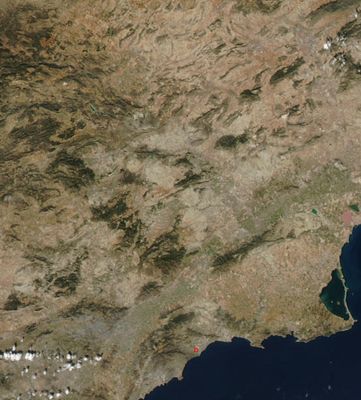
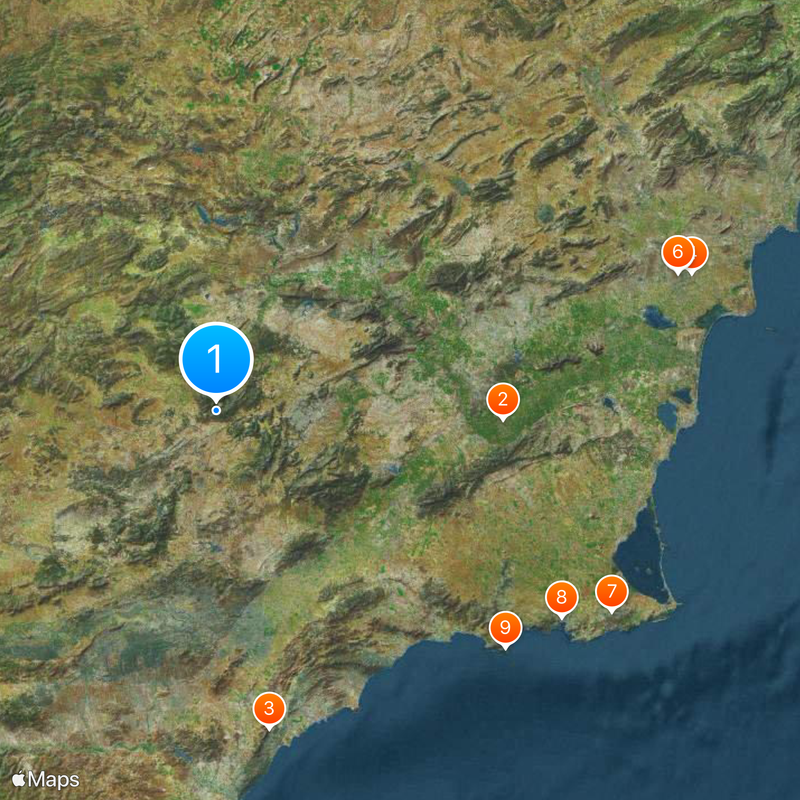
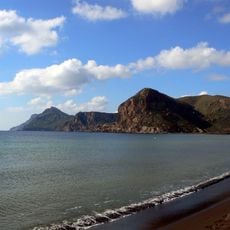
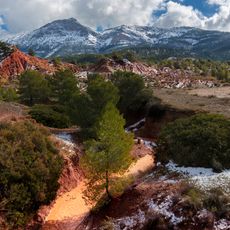
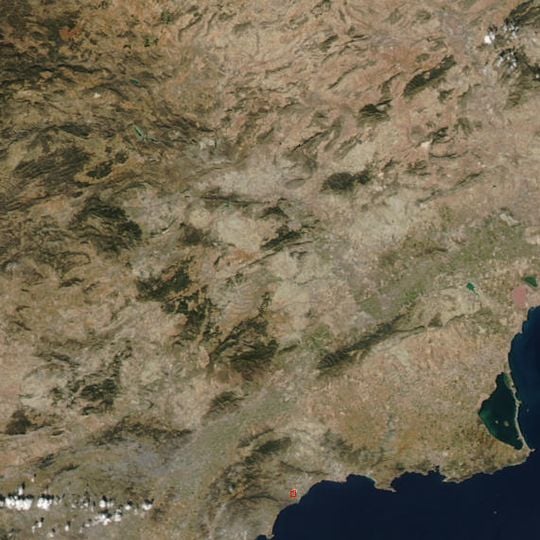
The Region of Murcia is an autonomous community in southeastern Spain, covering Mediterranean coastlines, plains with intensive farming, and mountain ranges. The highest point sits in the Sierra de Revolcadores, where peaks rise above the surrounding land in the northern part of the territory.
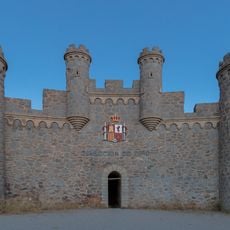
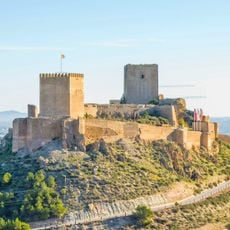
Christian rule began in 1243, when the Kingdom of Castile took over the formerly Islamic territory and introduced a new administration. In later centuries, the area was incorporated into the Kingdom of Valencia before being redefined as a separate province in 1833 and as an autonomous community in 1982.
The arid landscapes with cactus groves in Tabernas and baroque processions show how the mix of dry climate and Catholic tradition shapes life here. Many villages still practice crafts like pottery and esparto grass weaving, giving visitors insight into the way people live and work.
Main roads run along the coast and inland, with buses and regional trains connecting towns. Travelers heading to the mountains or remote valleys should check schedules in advance, as services are less frequent in those areas.
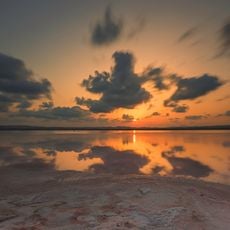
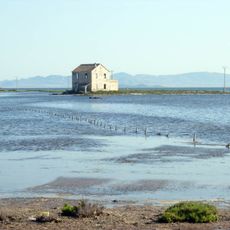
The Mar Menor lagoon is separated from the open sea by a narrow strip of sand, creating a distinct ecosystem where the water is warmer and saltier than in the Mediterranean. This natural barrier creates conditions that attract both swimmers and bird species.
The community of curious travelers
AroundUs brings together thousands of curated places, local tips, and hidden gems, enriched daily by 60,000 contributors worldwide.