Canary Islands, Autonomous region in Atlantic Ocean, Spain
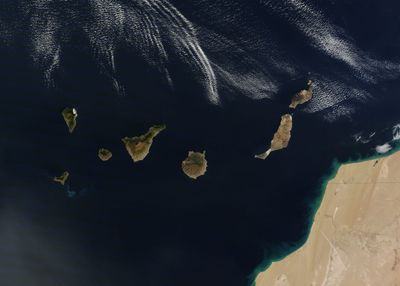
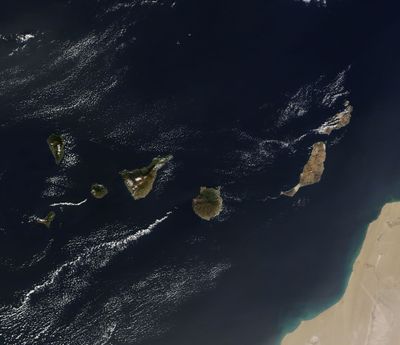
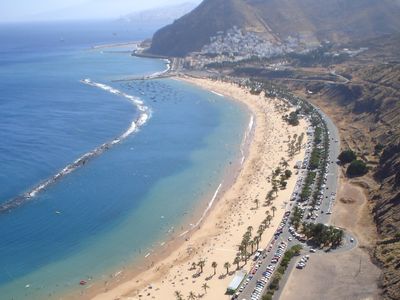
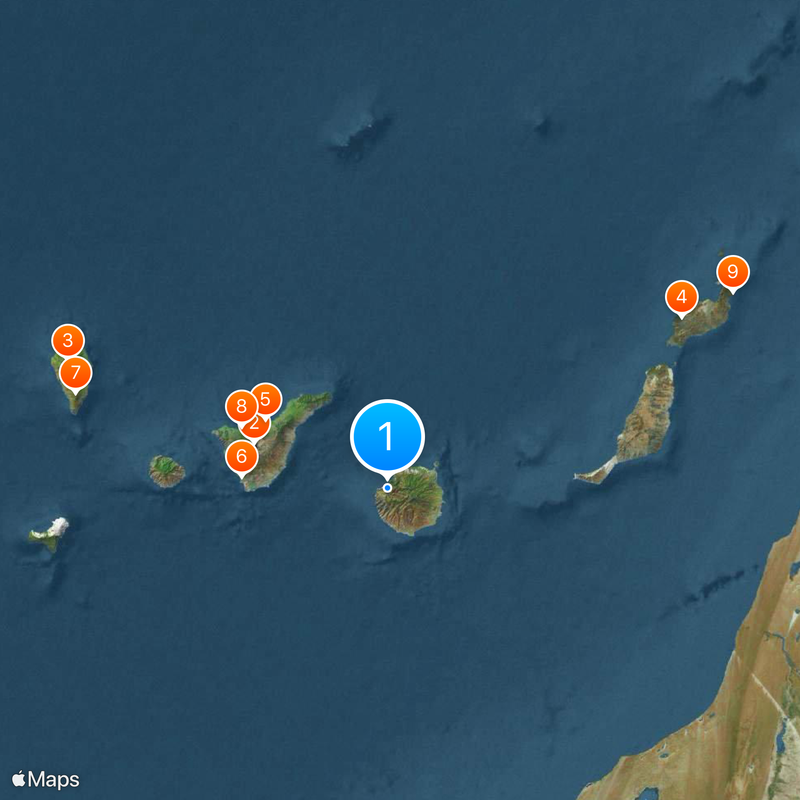
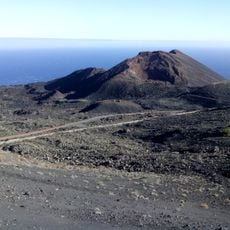
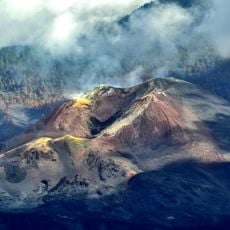
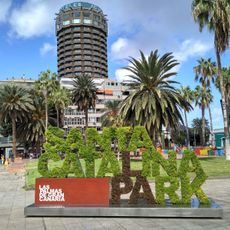
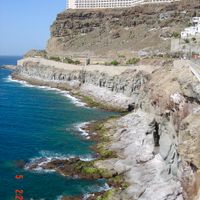
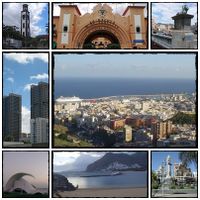
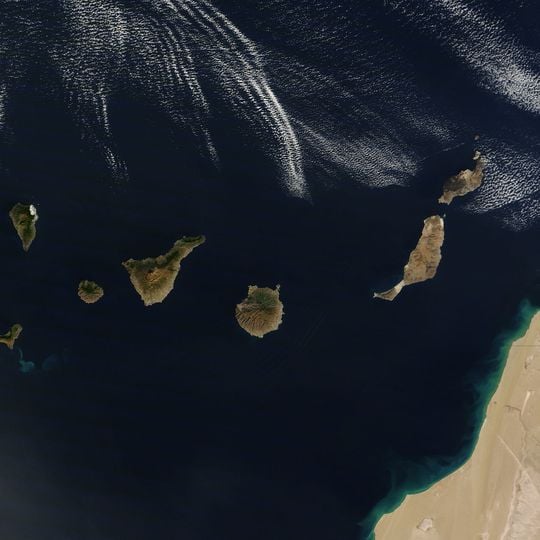
The Canary Islands consist of seven main volcanic islands located in the Atlantic off the coast of West Africa, forming an autonomous community of Spain. Two cities serve as capitals: Santa Cruz de Tenerife and Las Palmas de Gran Canaria, which alternate in this role.
The Guanches, a people of Berber origin, settled on these islands roughly 2,000 years ago before European sailors reached them. Castilian conquest began in the early 15th century and took several decades of military campaigns across all islands to complete.
Each island maintains its own customs in music, craft, and food, while local festivals feature traditional instruments like the timple and regional dances. Weekly markets and village plazas remain places where people gather, buy local produce, and keep regional food culture alive.
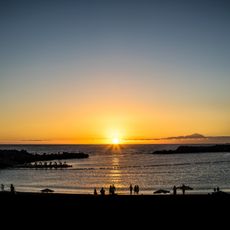
The islands hold year-round temperatures between 20 and 28 degrees Celsius, with direct flights from larger European cities landing at airports in Tenerife, Gran Canaria, Lanzarote, and Fuerteventura. Each island is reachable by ferry or domestic flight, making it possible to hop between them over several days.
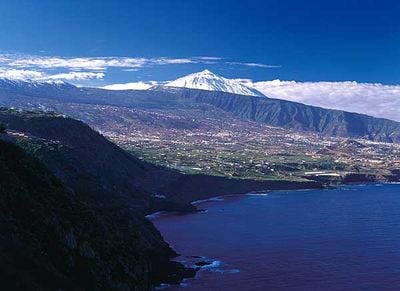
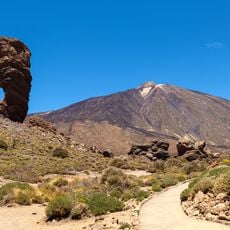
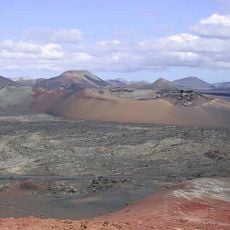
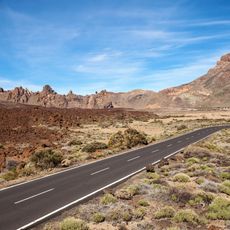
Mount Teide on Tenerife rises to 3,718 meters (12,198 feet) above sea level, forming Spain's highest peak, and a cable car carries most visitors toward the summit. Lanzarote displays wine regions where vines are planted in black volcanic soil and protected from wind by semicircular stone walls.
The community of curious travelers
AroundUs brings together thousands of curated places, local tips, and hidden gems, enriched daily by 90,740 contributors worldwide.