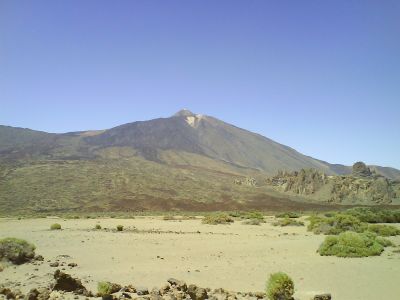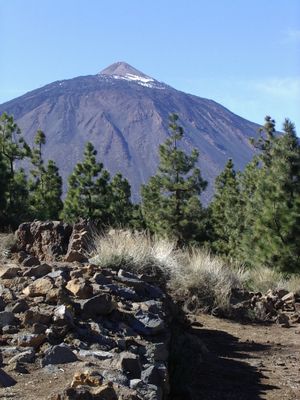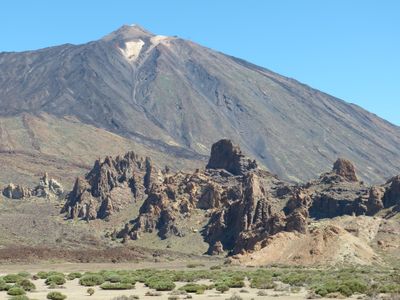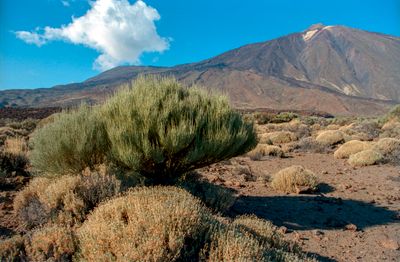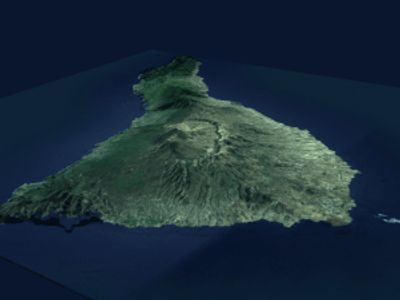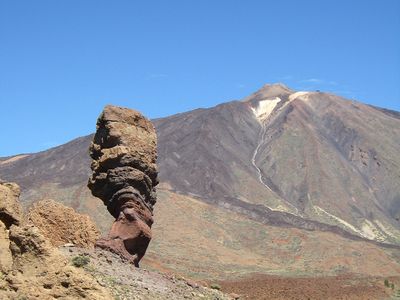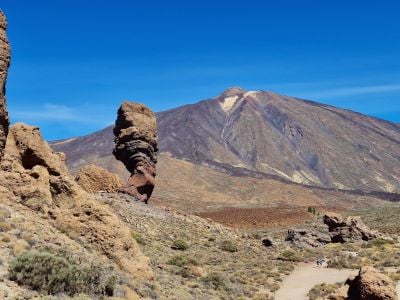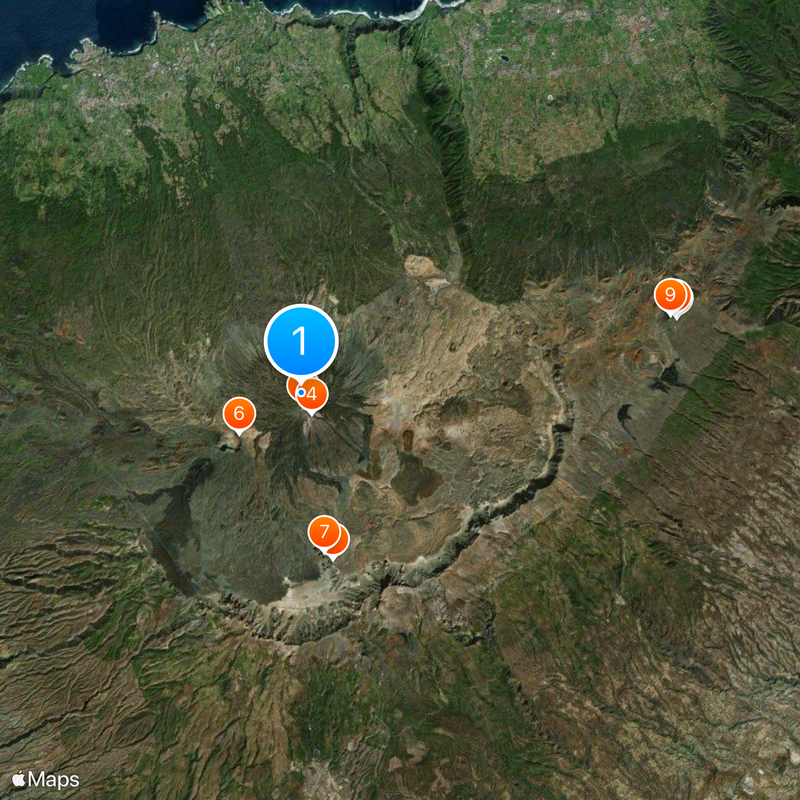
Teide National Park, National park and UNESCO World Heritage Site in Tenerife, Spain.
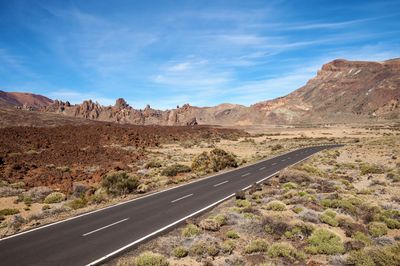
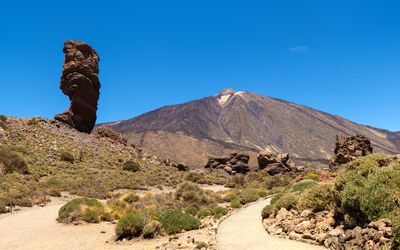
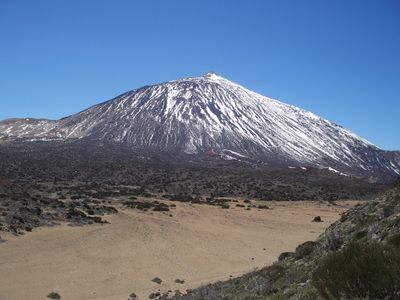
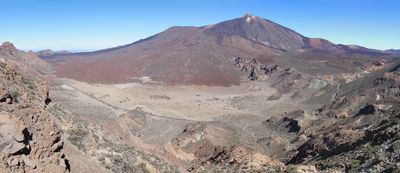
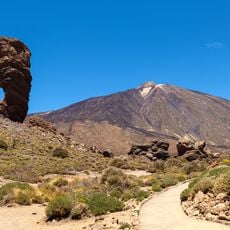
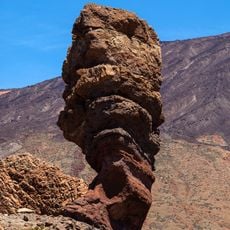
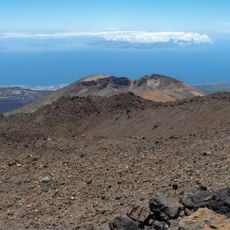
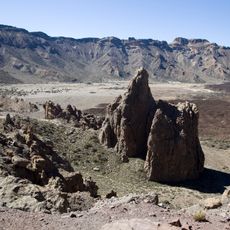
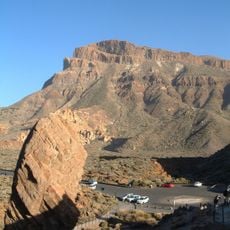
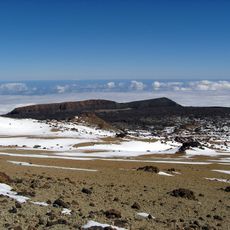
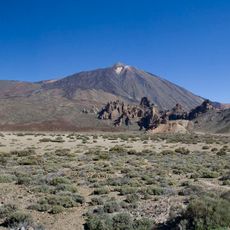
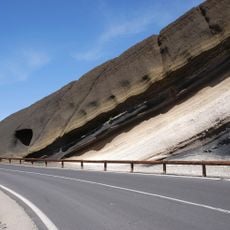
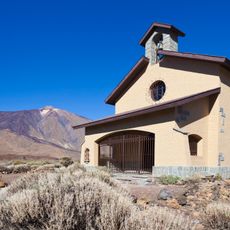
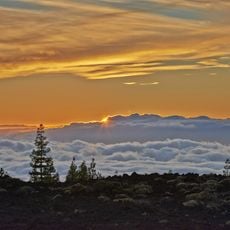
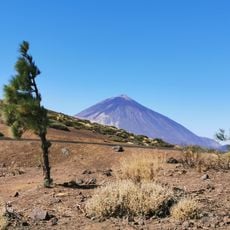
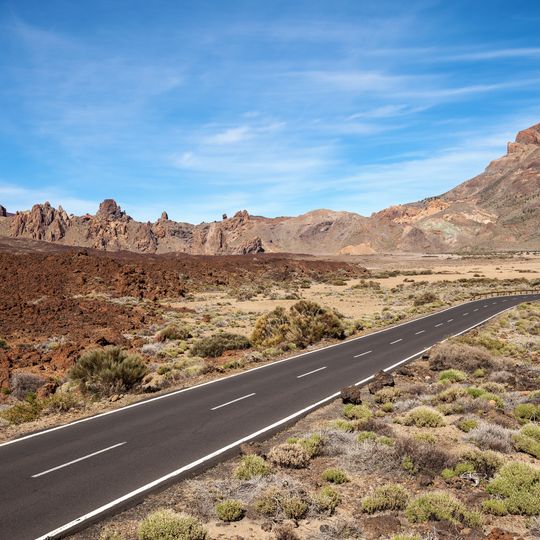
Teide National Park is a protected area on Tenerife that encompasses the volcano Mount Teide at 3,718 meters and the surrounding high plateau. The park covers roughly 19,000 hectares and displays impressive lava formations, craters, and diverse geological structures shaped by volcanic processes.
The area became a national park in 1954 to protect its unique volcanic landscapes. It gained UNESCO World Heritage status in 2007 for its exceptional natural and geological features.
The mountain held sacred meaning for the Guanches, the islands' first inhabitants, who called it Echeyde and believed it was home to their god Guayota. This spiritual connection shaped how local people viewed and related to the landscape for centuries.
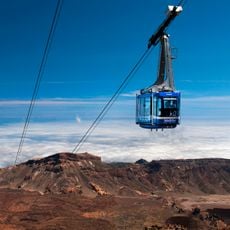
A cable car operates daily from the base station to La Rambleta at 3,555 meters, where hiking trails and observation points start. Visitors should note that altitude and weather change rapidly, so proper clothing and gear are essential.
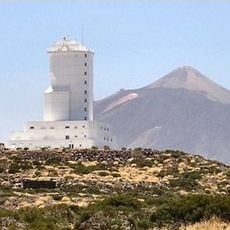
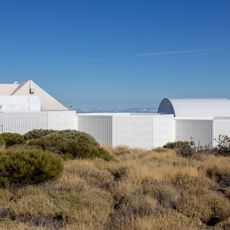
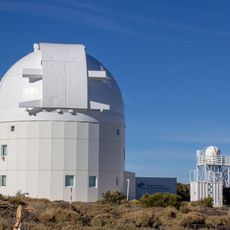
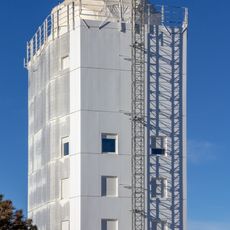
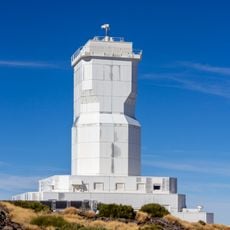
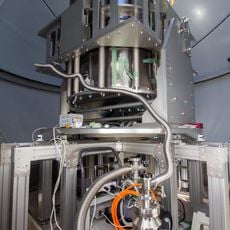
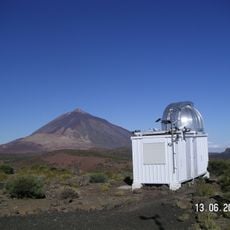
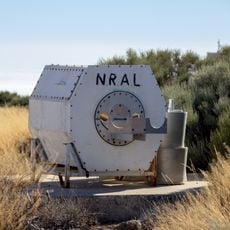
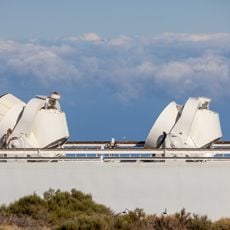
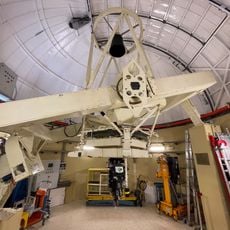
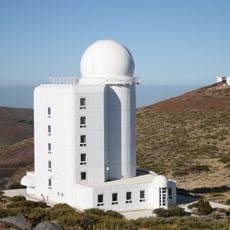
A major observatory at 2,371 meters conducts astronomical research here, benefiting from roughly 3,500 hours of clear skies yearly with minimal light pollution. These exceptional conditions make it one of the world's leading sites for scientific sky observation.
The community of curious travelers
AroundUs brings together thousands of curated places, local tips, and hidden gems, enriched daily by 60,000 contributors worldwide.