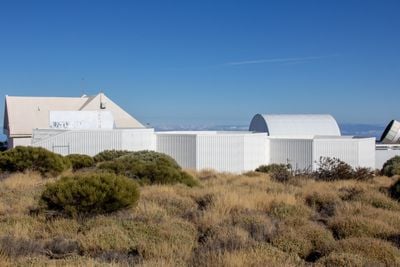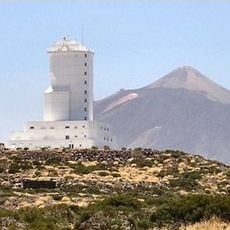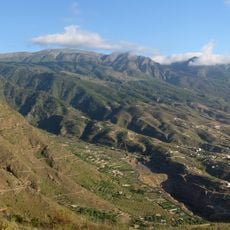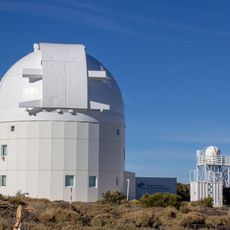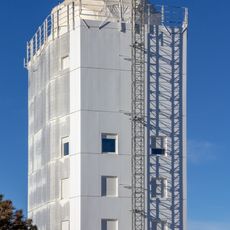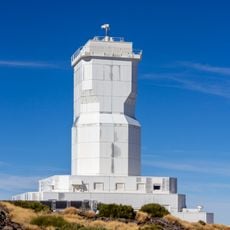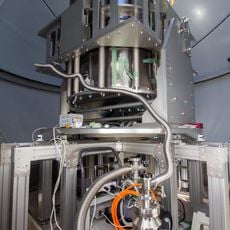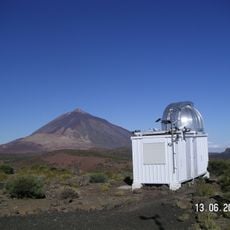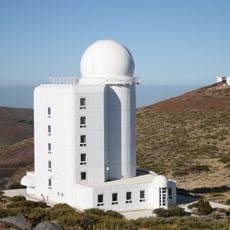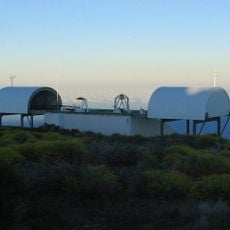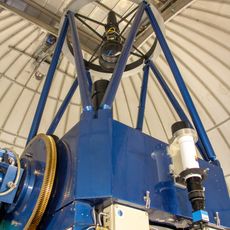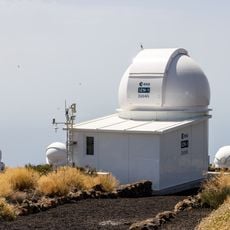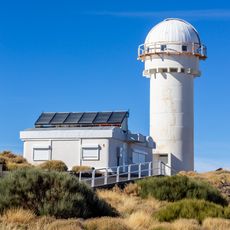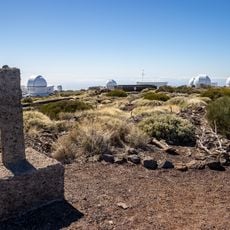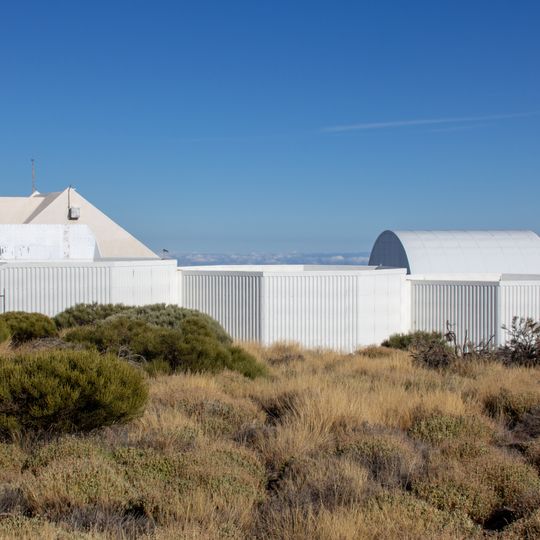
Very Small Array, Radio interferometer at Teide Observatory, Tenerife, Spain
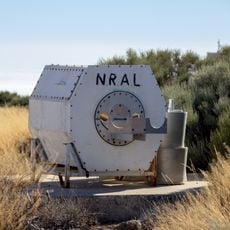
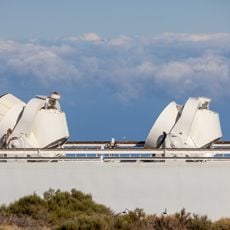
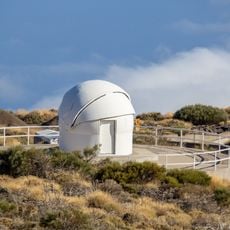
The Very Small Array is a radio interferometer at the Teide Observatory in Tenerife, Spain, made up of 14 antenna elements. The installation sits at roughly 8,000 feet (about 2,400 meters) above sea level and was built to measure cosmic microwave background radiation.
The Teide Observatory opened in 1964, and the Very Small Array was later added to extend research into cosmic background radiation. It was among the first instruments of this kind built specifically for this type of observation at a mid-latitude mountain site.
The Very Small Array operates at 30 GHz, a frequency chosen to detect faint signals from the earliest moments of the universe. Research teams from several countries share the site, making it a meeting point for international radio astronomy.
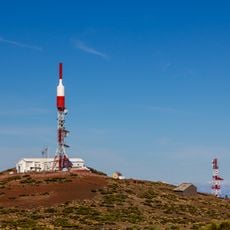
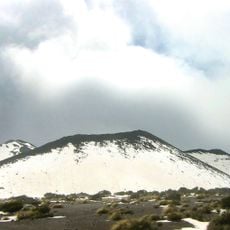
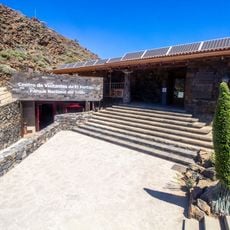
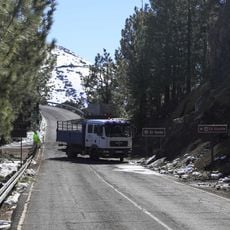
The site sits inside Teide National Park on a mountain peak, so access may be limited depending on weather and permits. The national park itself is open to visitors, but the installation is not a public tourist attraction.
Although the array is made of 14 separate antennas, they work together as if they were a single large telescope. This approach allows the system to detect very fine patterns in microwave radiation that a single dish could not resolve.
The community of curious travelers
AroundUs brings together thousands of curated places, local tips, and hidden gems, enriched daily by 91,657 contributors worldwide.