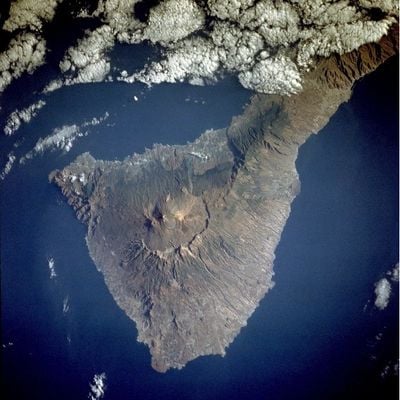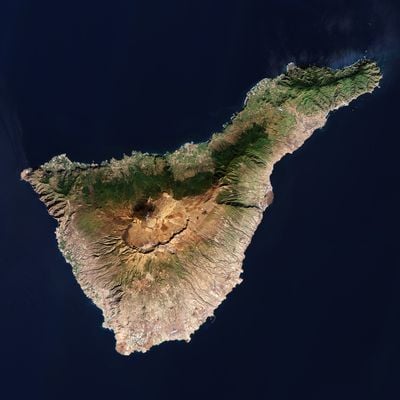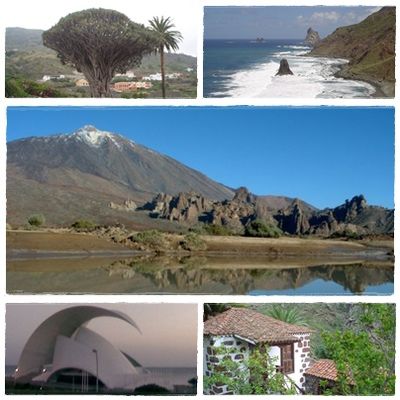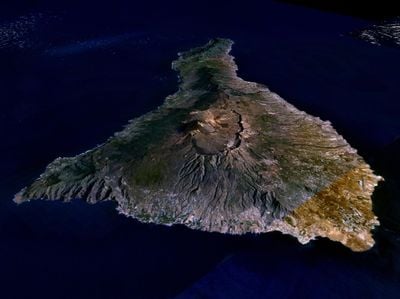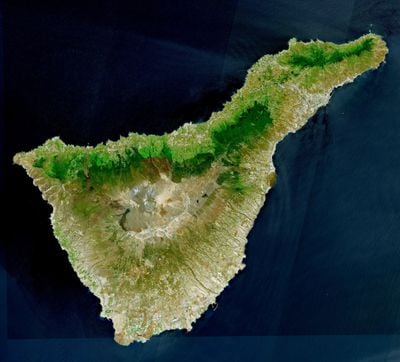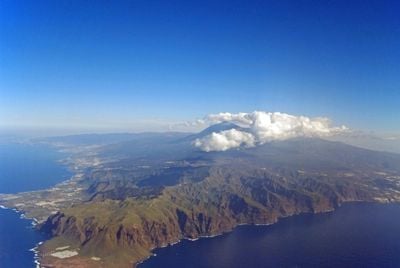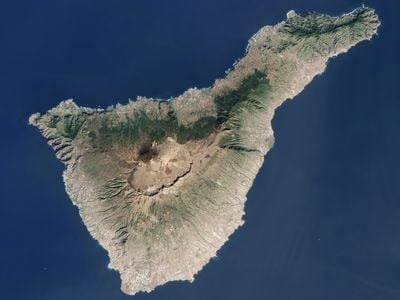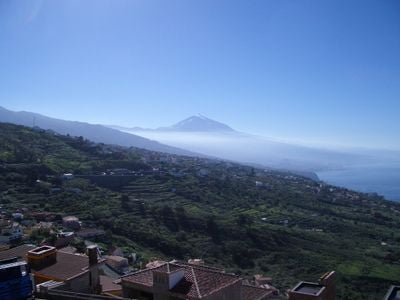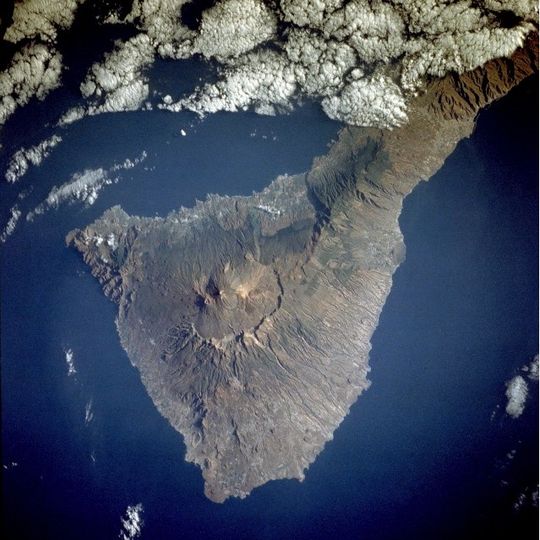
Tenerife, Active volcano in Tenerife, Spain.
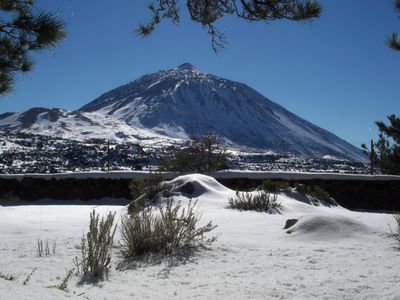
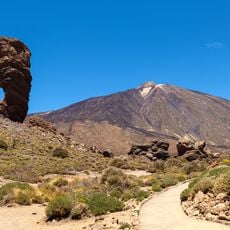
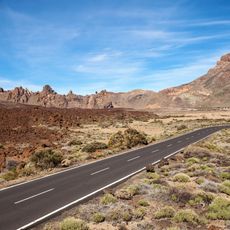
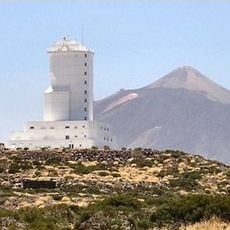
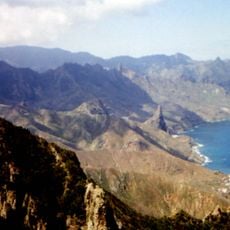
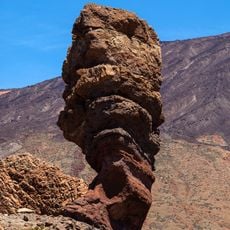
The mountain rises to 3715 meters above sea level, forming a stratovolcano with several craters and wide lava fields across the national park. The landscape shows rough rock formations, black ash slopes, and zones of sparse alpine vegetation that extend to the summit region.
The volcanic formation began around 170000 years ago after the collapse of an older structure, creating the Las Cañadas caldera at the base. The last documented eruption occurred in 1909 and left fresh lava flows on the western slope.
Local islanders consider the peak a sacred landmark, woven into old myths and still present in stories told across the island today. Visitors meet hikers and nature lovers who treat the summit as a symbol of island identity and approach it with respect.
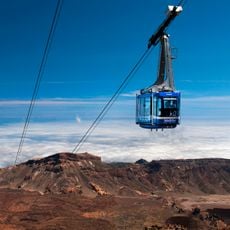
A cable car transports visitors to 3555 meters altitude, while access to the summit requires a special permit from the national park administration. Temperatures drop sharply with altitude, so visitors should bring warm clothing even during summer months.
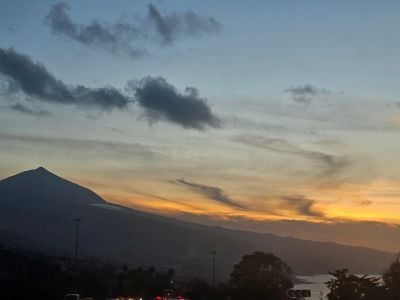
The volcano casts one of the largest mountain shadows on Earth, stretching over 40 kilometers across the Atlantic Ocean at sunrise. Visitors sometimes witness the phenomenon of cloud waterfall, where trade wind clouds pour like a cascade over the caldera wall.
The community of curious travelers
AroundUs brings together thousands of curated places, local tips, and hidden gems, enriched daily by 60,000 contributors worldwide.