Teneguía, Volcanic mountain in Cumbre Vieja, La Palma, Spain
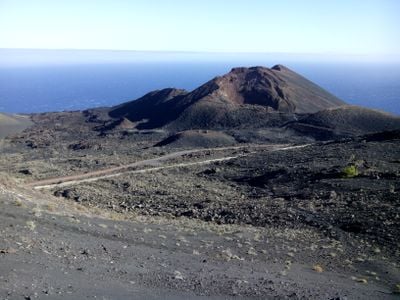
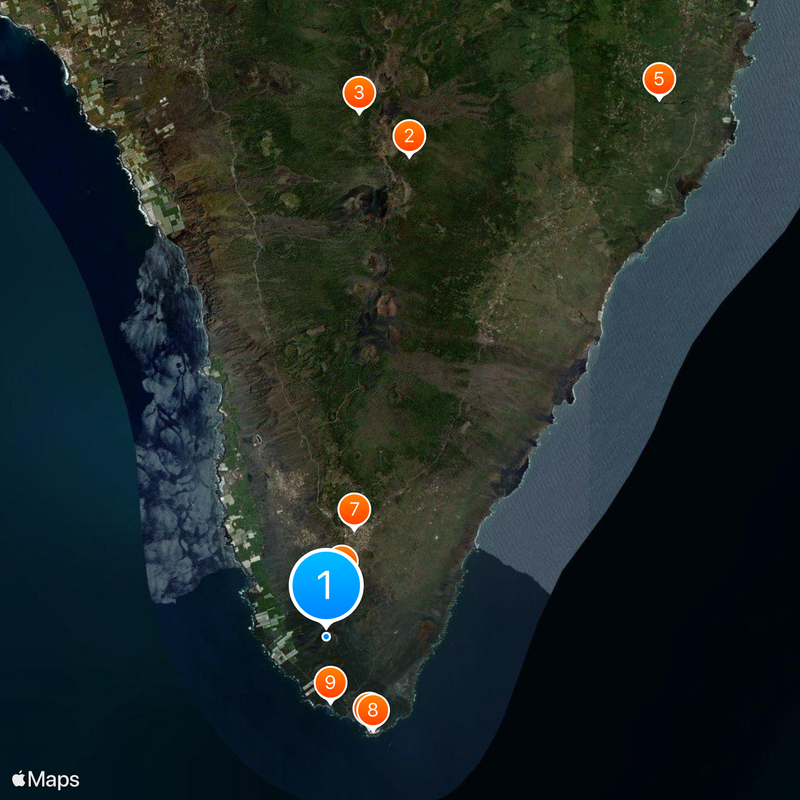
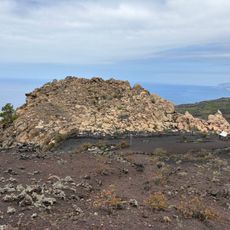
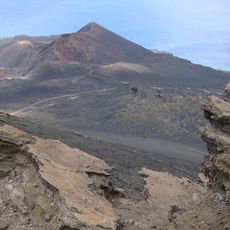
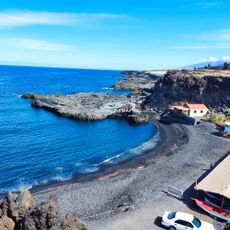
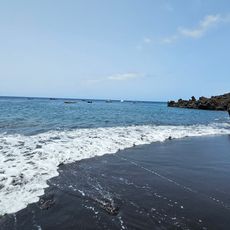
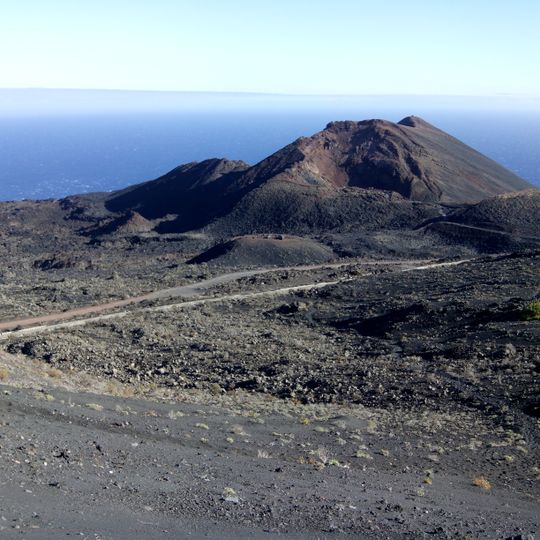
Teneguía is a volcano on the southern tip of La Palma, rising to 431 meters (1414 feet) above sea level within the Cumbre Vieja ridge. The crater shows black and reddish ash fields, surrounded by cooled lava that stretches in jagged shapes down to the coast.
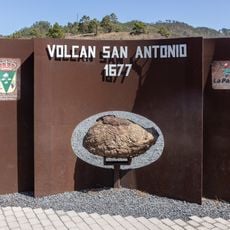
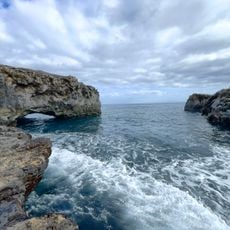
The 1971 eruption lasted 24 days and created new landforms as lava flowed from several openings toward the Atlantic. This eruption was the last on Spanish soil until the 2021 eruption further north on the island.
The name comes from the Guanche language of the Canary Islands' original inhabitants, reflecting the deep connection between the island and its volcanic roots. Hikers find small vineyards along the slopes, with vines growing between dark lava rocks that give the wine a salty, mineral taste.
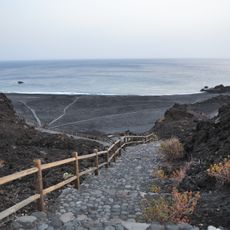
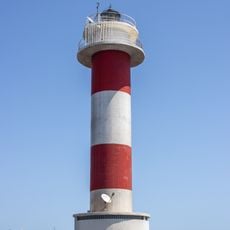
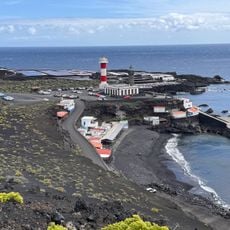
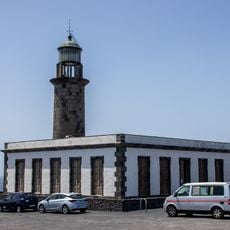
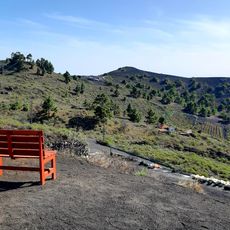
Hiking paths start near the Fuencaliente lighthouse and climb upward through open fields of cooled lava. Sturdy footwear is necessary because the ground is uneven and sharp-edged, and during strong winds the terrain can feel exposed.
The crater interior shows fumaroles where warm air still rises and carries the smell of sulfur, reminding visitors of recent volcanic activity. Visitors can feel the warmth of the ground in some spots when they place their hand on it.
The community of curious travelers
AroundUs brings together thousands of curated places, local tips, and hidden gems, enriched daily by 91,578 contributors worldwide.