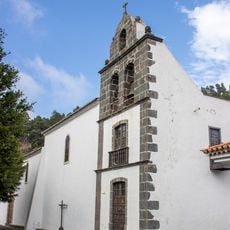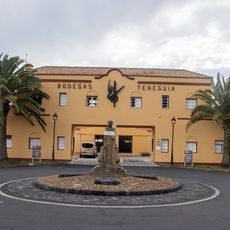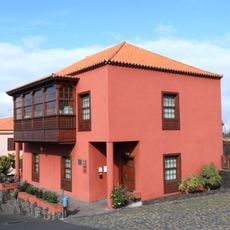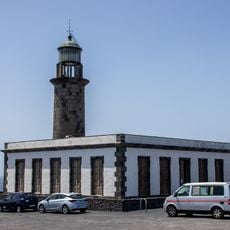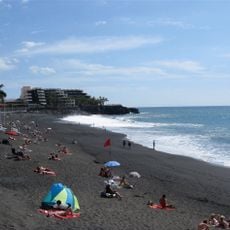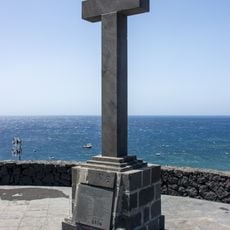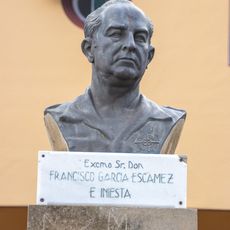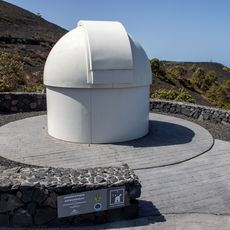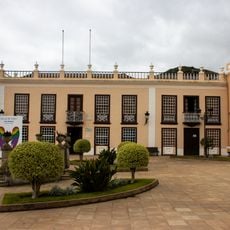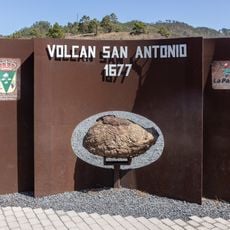
San Antonio, Volcanic site in Fuencaliente de La Palma, Spain.
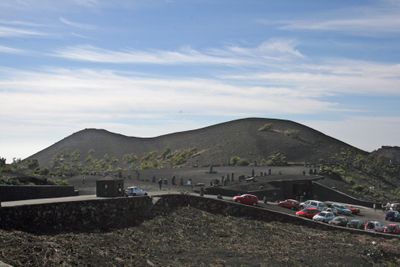
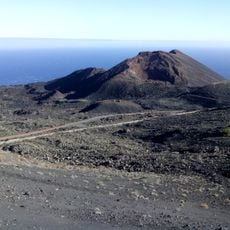
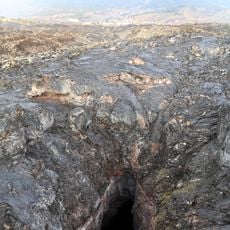
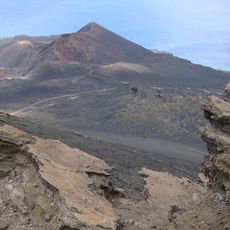
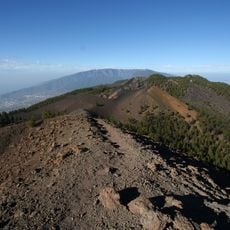
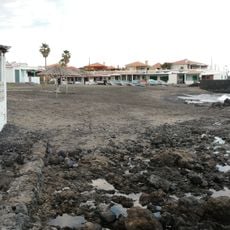
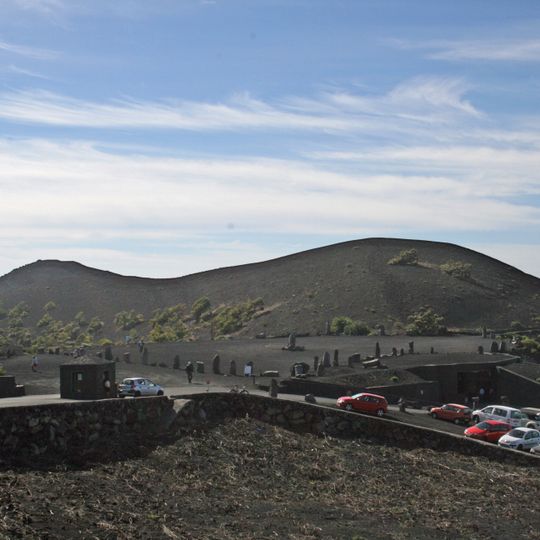
San Antonio is a volcanic cone rising 631 meters (2,070 feet) above sea level, forming part of the Cumbre Vieja ridge at the southern end of La Palma island. The structure consists of layered lava flows and displays various volcanic features across its slopes.
The cone formed through multiple eruptions spanning thousands of years, fundamentally shaping Fuencaliente's current landscape. During its last active phase roughly 500 years ago, lava flows molded the island's southernmost areas.
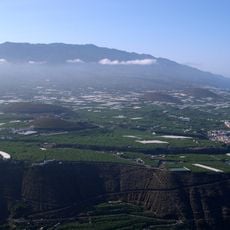
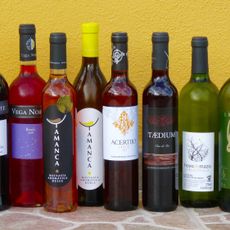
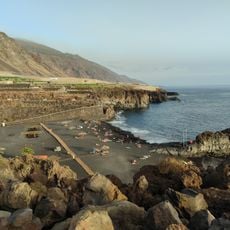
Grape cultivation shapes daily life here, with inhabitants growing wine on the mineral-rich volcanic soils that have been farmed for generations. This agricultural practice is visible throughout the landscape when you walk around the slopes.
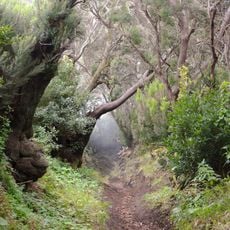
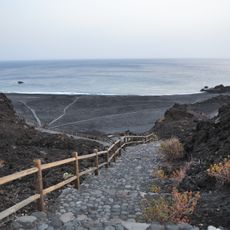
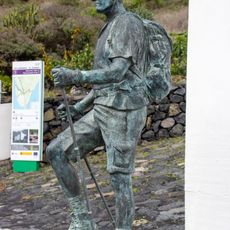
Visitors access the site through marked trails starting from the San Antonio Visitor Center, which offers geological information and safety guidance. The terrain is relatively open with clear paths, though sturdy footwear is needed due to the rough lava rock surface.
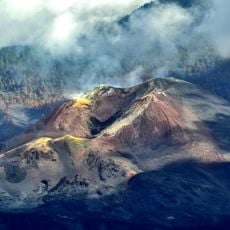
The crater walls display varying mineral compositions that create natural color variations from black basalt to reddish iron deposits. These color shifts become especially visible when light hits the stone surfaces at certain angles.
The community of curious travelers
AroundUs brings together thousands of curated places, local tips, and hidden gems, enriched daily by 91,482 contributors worldwide.