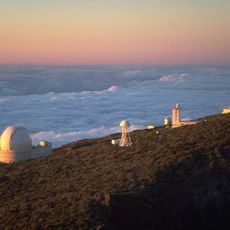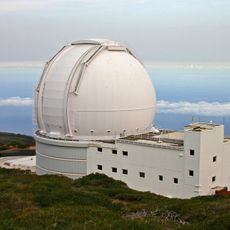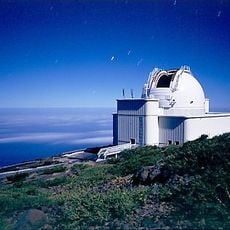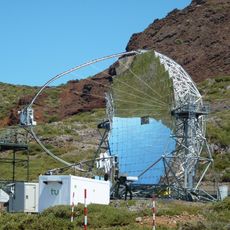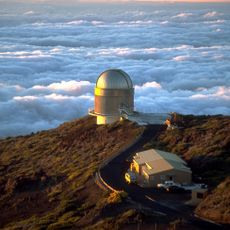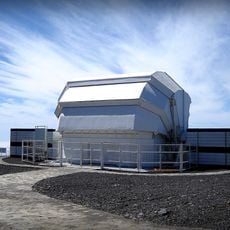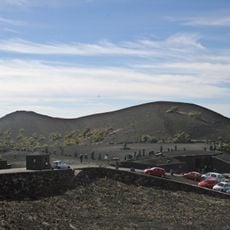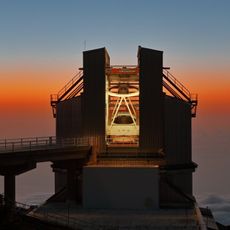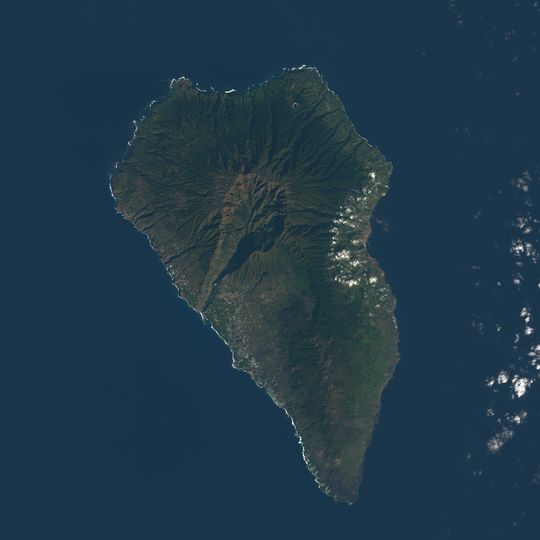
La Palma, Volcanic island in Santa Cruz de Tenerife Province, Spain.
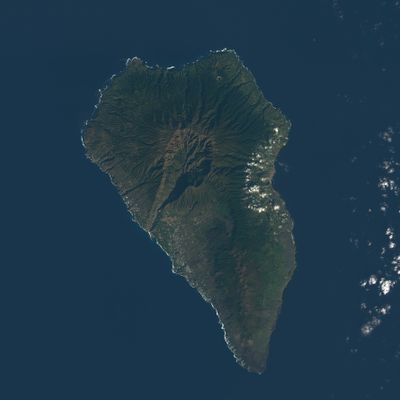
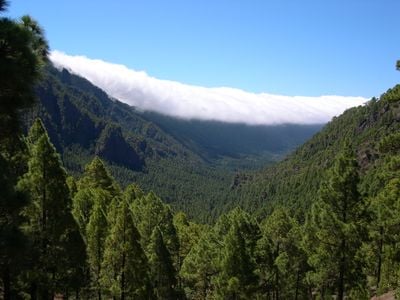
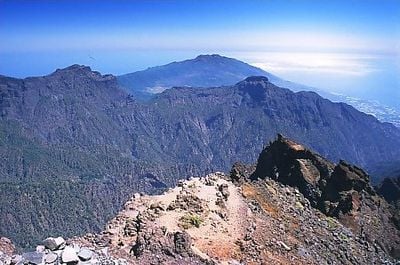
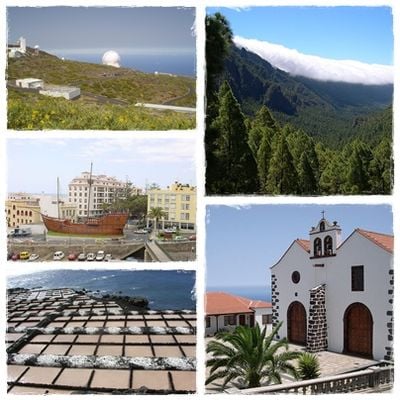
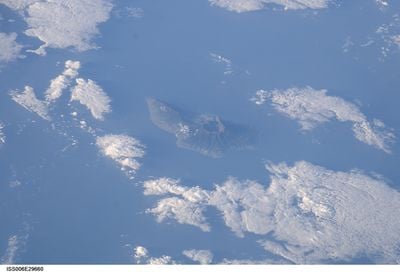
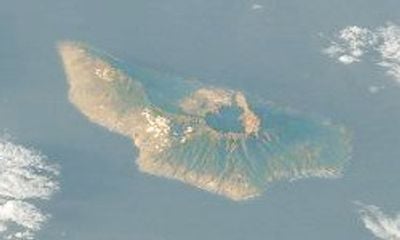
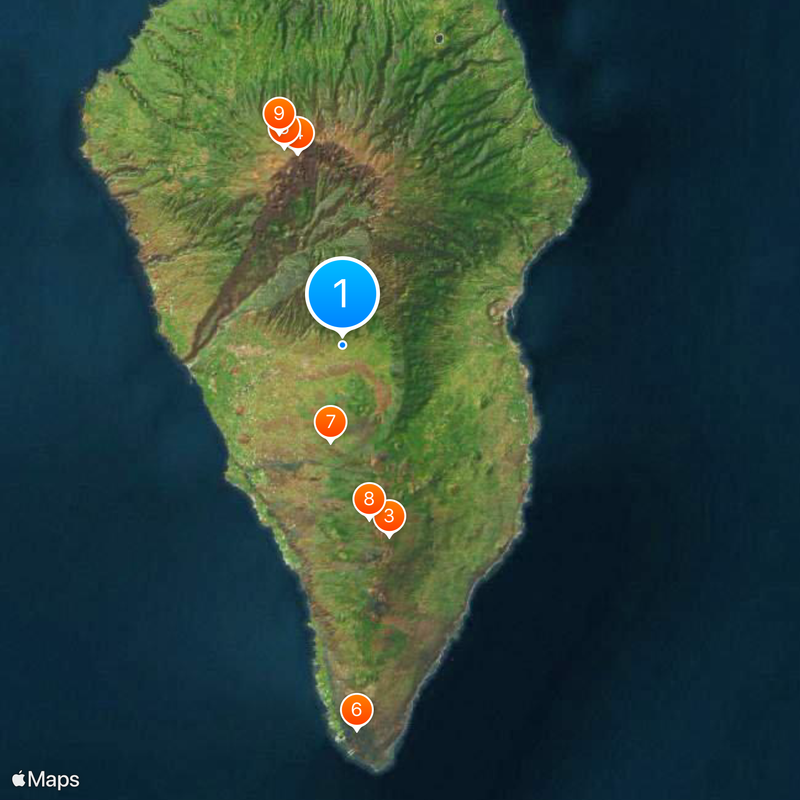
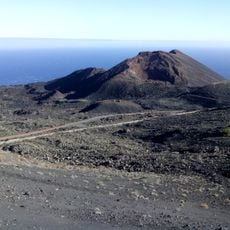
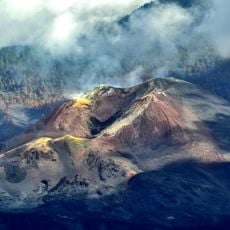
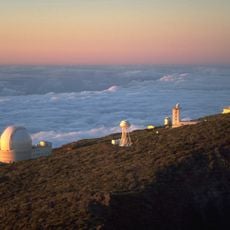
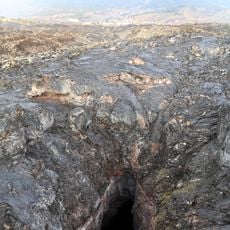
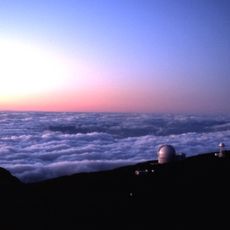
La Palma is a volcanic island in the northwest of the Canary archipelago, with a roughly triangular shape and a central ridge running north to south. Dense pine forests cover the middle elevations, while black sand beaches and steep cliffs line the coast.
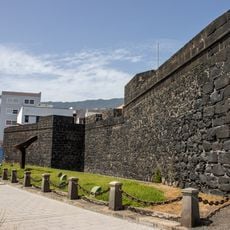
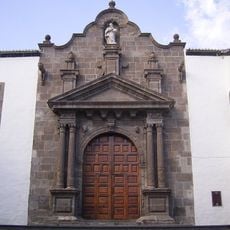
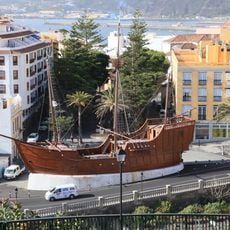
Castilian conquerors took the island from the indigenous Guanche people in 1493 and established Santa Cruz as the main port. Sugarcane trade became a major source of income during the 16th and 17th centuries, before wine production and silk export grew in importance.
Locals often call this place "Isla Bonita" and speak a Canarian dialect with distinct vocabulary rooted in older Spanish forms and Guanche words. Traditional agriculture still shapes daily life in the highlands, where terraced slopes grow bananas and small farms maintain heritage grape varieties for wine production.
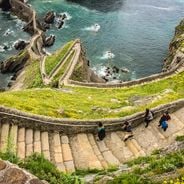
Visitors can explore the island comfortably on foot using marked hiking trails that run from sea level to the highest peaks. Weather changes quickly with elevation, so carrying layers and rain protection is recommended for mountain routes.
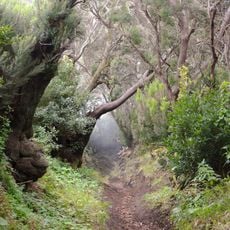
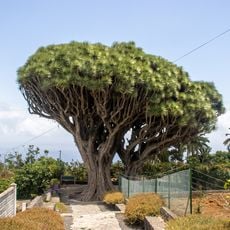
A rare laurel forest known as Laurisilva covers parts of the northeast and contains plant species that disappeared from mainland Europe during the last ice age. This subtropical cloud forest thrives through trade winds that carry moist air to the upper slopes.
The community of curious travelers
AroundUs brings together thousands of curated places, local tips, and hidden gems, enriched daily by 90,789 contributors worldwide.