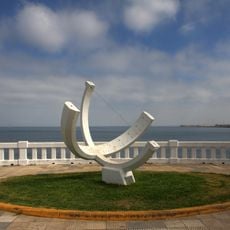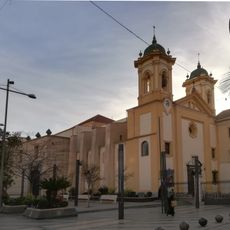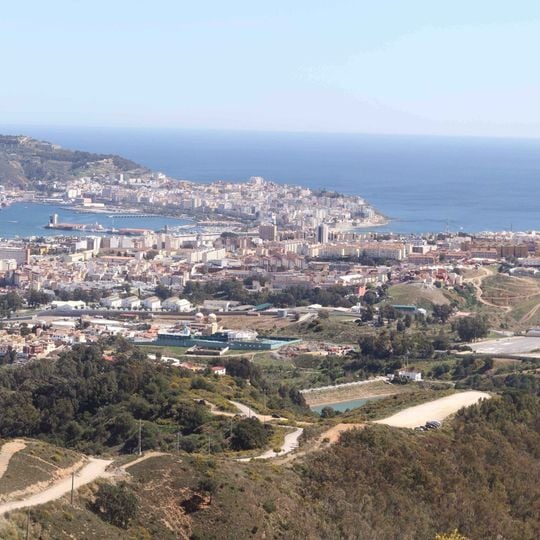
Ceuta, Autonomous city in Ceuta, Spain.
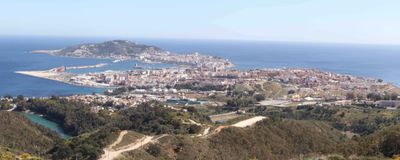
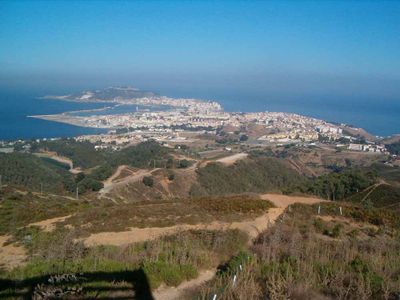
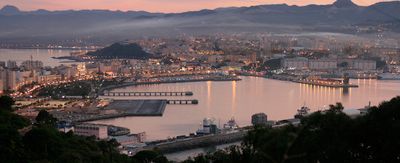
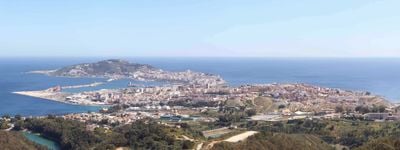
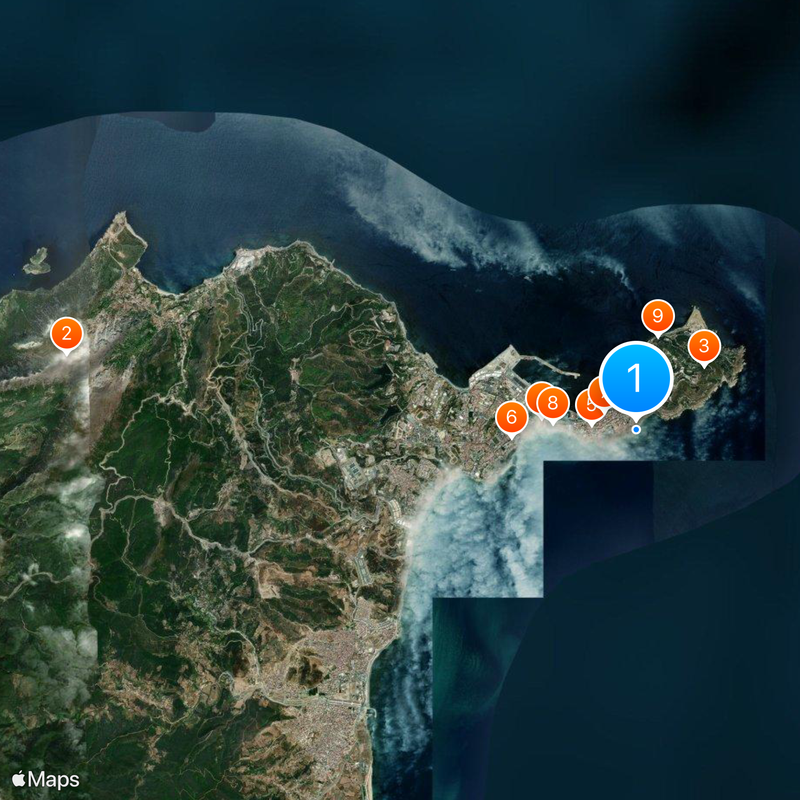
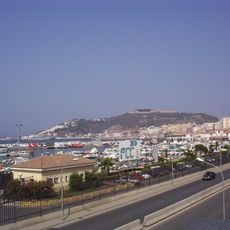
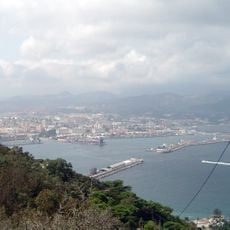
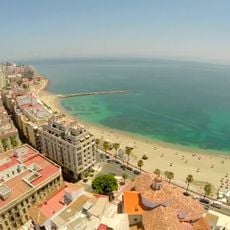
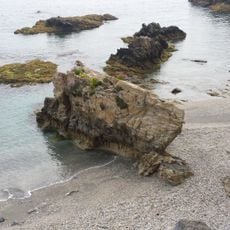
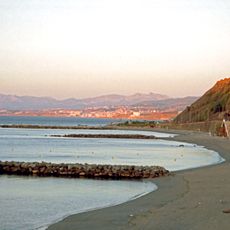
Ceuta is a Spanish autonomous city on the North African coast, covering about 19 square kilometers along the Strait of Gibraltar and bordered by both the Mediterranean Sea and the Atlantic Ocean. The peninsula juts into the water, separating European from African mainland, with several beaches, a working port, and densely built residential neighborhoods shaping the urban layout.
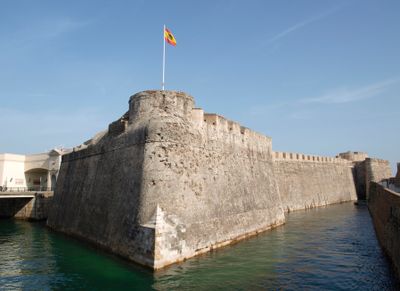
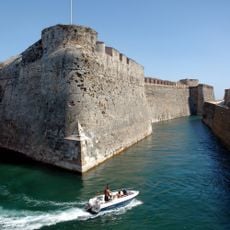
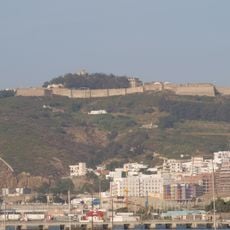
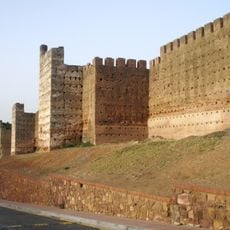
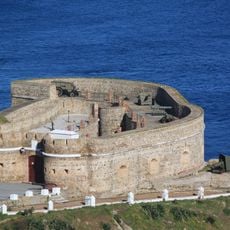
Portuguese forces took the fortress in 1415 and turned it into a base for further expeditions along the African coast. Control passed to Spain in 1668 through the Treaty of Lisbon, which has administered the territory ever since.
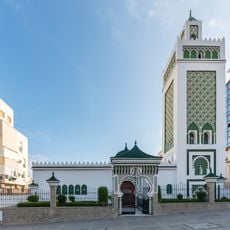
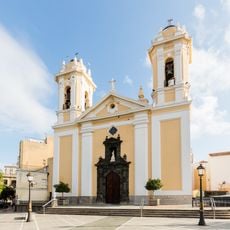
Residents speak Spanish, but on the streets and in the markets you notice Arabic, Iberian, and Mediterranean influences blending into everyday life, where multiple religious festivals and customs coexist. Christian processions, Muslim calls to prayer, and the presence of Sephardic Jewish and Hindu communities shape social routines and the food culture across the city.
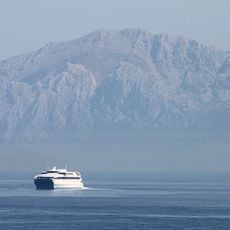
Regular ferry services across the strait to southern Spain make arrival straightforward for visitors and locals alike. Those planning to cross into Morocco on foot or by car should expect waiting times at the border, especially on weekends and public holidays.
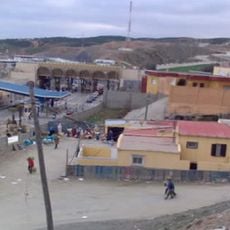
Two official border crossings into Morocco separate European administrative territory from the African continent through modern security installations and dedicated passport controls. Thousands of commuters, traders, and travelers pass through these checkpoints daily, making the city's role as a meeting point between two continents visible in everyday movement.
The community of curious travelers
AroundUs brings together thousands of curated places, local tips, and hidden gems, enriched daily by 90,739 contributors worldwide.