Valencian Community, Autonomous region on Mediterranean coast, Spain
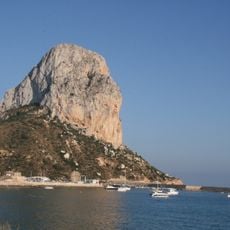
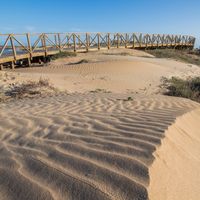
The Valencian Community sits along the eastern Mediterranean coast of Spain and consists of three provinces: Castellón in the north, Valencia in the center, and Alicante in the south. It borders Catalonia, Aragon, and the Region of Murcia, stretching along a flat coastline with mountains rising inland.
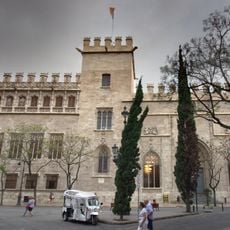
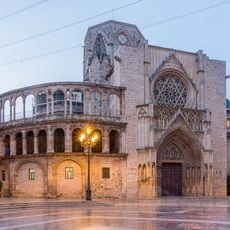
The Kingdom of Valencia came into being in 1238 after the conquest by Aragon and kept its own institutions and legal system until 1707. The Nova Planta decrees abolished this autonomy and brought the territory under central Castilian administration.
People speak both Spanish and Valencian in daily life, and you will see both languages on street signs, restaurant menus, and market conversations. Rice farming shapes the way people eat, and many families gather outdoors on weekends to cook large pans of paella together over open flames.
Three international airports connect the region to the rest of Europe, and a dense rail network runs between coastal cities and villages inland. Ports along the shore offer ferry links to the Balearic Islands and North Africa.
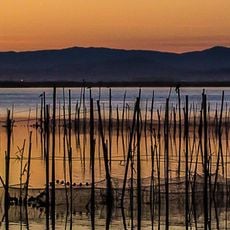
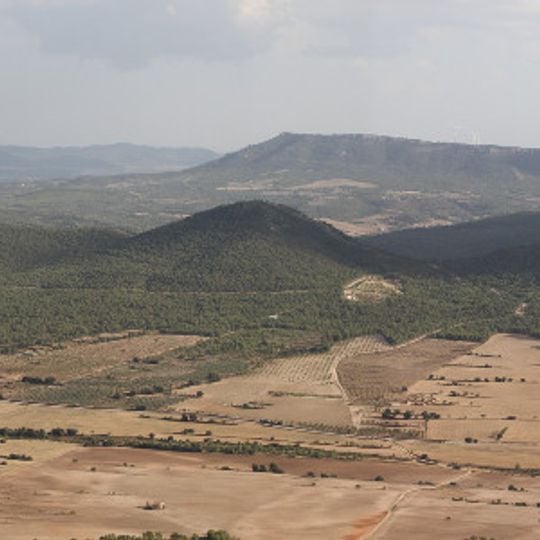
Small farming plots called minifundios define the rural landscape, where farmers grow citrus and rice using old irrigation systems. These fields follow ancient Arab water channels that still distribute water today and set the rhythm of the harvest.
The community of curious travelers
AroundUs brings together thousands of curated places, local tips, and hidden gems, enriched daily by 60,000 contributors worldwide.